

Key Takeaways:
- Understand different editor types: developmental, line, copy, and proofreaders.
- Each type focuses on particular aspects of your manuscript.
- Choosing the right editor is crucial for your manuscript’s success.
- Common pitfalls can be avoided with the right knowledge.
✅ Updated: January 2026.
What is an Editor?
At its core, an editor is someone who helps you refine your manuscript. Their role can range from broad structural changes to minute grammatical fixes. Depending on your needs, an editor can turn your draft into a polished piece ready for publication.
Why You Should Care About Different Editor Types
Understanding various editor types can significantly impact your manuscript’s success. Not every editor suits every project, and selecting the right type can streamline the writing process, enhance clarity, and elevate your overall work. Remember, each editor fulfils a specific role, and overlooking one can dampen your manuscript’s potential.
The Four Essential Editor Types
1. Developmental Editors
Developmental editors focus on the big picture. They look at structure, character development, pacing, and overall flow. Think of them as your manuscript’s mentor, guiding you on how to strengthen the foundation of your story or argument.
2. Line Editors
Line editors dive deeper into your prose. They refine your style, tone, and word choice, ensuring that each sentence resonates with your intended audience. This type of editing enhances readability and emotional engagement.
3. Copy Editors
Copy editors are detail-oriented. They address grammar, punctuation, and formatting inconsistencies. This type of editing ensures that your manuscript adheres to specific style guides and presents a professional appearance.
4. Proofreaders
Proofreaders are the last line of defense. They review your manuscript for typos and minor errors. Think of them as final checkers who catch any small mistakes you’ve missed after going through multiple revisions.
How to Choose the Right Editorial Lens
Selecting the right editor involves understanding your manuscript’s needs. Ask yourself these questions:
- What stage is my manuscript in?
- What specific areas do I need help with?
- What is my budget?
Real World Example
In my experience as an editor, I once worked with a first-time author who was overwhelmed by the editing process. They thought a copy editor was all they needed. After initial discussions, I realized the manuscript required significant structural changes. A developmental editor was needed first to help them align the narrative arc. Once the foundation was stable, we transitioned to line and copy editing, ultimately leading to a successful publication. This illustrates how understanding the type of editorial assistance required can save you time and improve your final product.
Common Mistakes and How to Avoid Them
Here are some frequent pitfalls writers encounter when selecting editors:
- Skipping Developmental Editing: Many authors overlook this step, believing their draft is ready. Always start with a developmental editor if you’re unsure.
- Not Setting a Budget: Editing costs can quickly add up. Establish a clear budget before seeking an editor.
- Ignoring Compatibility: Choose an editor whose style aligns with yours. A mismatch can lead to frustration.
Checklist: Finding Your Ideal Editor
How This Article Was Created
This piece is based on extensive experience with manuscript editing and industry research, including articles from reputable publishing resources. The aim was to break down complex editorial types into easily digestible insights.
Conclusion
Mastering your manuscript isn’t just about writing well, but also understanding the different editor types available to guide you. By incorporating the right editing help, you can transform your draft into a compelling and polished work ready for readers. Take the time to choose wisely and the rest will follow.
Frequently Asked Questions
What is the difference between developmental editing and copy editing?
Developmental editing focuses on big-picture elements like structure and pacing, while copy editing addresses grammar and formatting details.
How much does editing cost?
Editing costs can vary widely depending on the editor’s experience and the manuscript length. Generally, you can expect to pay between ₹1,500 to ₹10,000 per hour.
Should I hire multiple editors?
Depending on your manuscript’s needs, hiring a combination of different editors can be beneficial. Many authors start with a developmental editor, then proceed to copy and proofread editors.
How long does the editing process take?
The length of the editing process depends on the manuscript’s complexity and the editor’s schedule. Typically, a few weeks to several months is common.
What should I look for in an editor?
Look for experience in your genre, client reviews, and samples of past work. Good communication skills are also essential for a successful collaboration.
📚 Loved this article?
Join our community of readers and writers.
Subscribe to our YouTube channel for author tips, book insights, and publishing secrets.
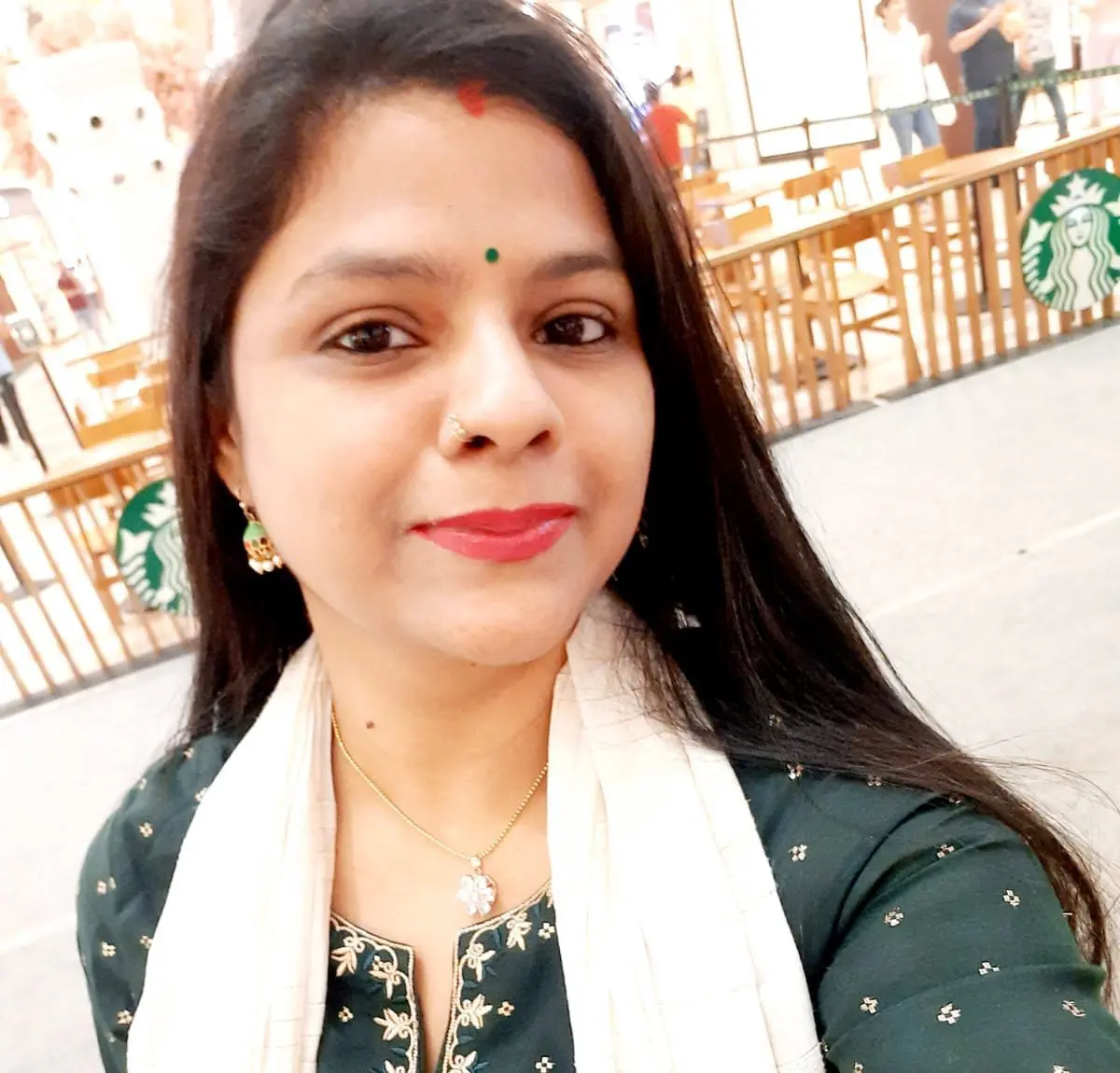
With over 11 years of experience in the publishing industry, Priya Srivastava has become a trusted guide for hundreds of authors navigating the challenging path from manuscript to marketplace. As Editor-in-Chief of Deified Publications, she combines the precision of a publishing professional with the empathy of a mentor who truly understands the fears, hopes, and dreams of both first-time and seasoned writers.