

✅ Updated: October 2025.
Quick Answer
Creating a compelling book blurb is essential for grabbing readers’ attention and enticing them to explore your work. A well-crafted blurb should be concise, emotionally engaging, and convey the unique essence of your book.
Introduction
In the world of publishing, a book blurb acts as your elevator pitch—the short summary that can make or break a reader’s decision to pick up your book. Often, I find myself digging through various forms of literature, marvelling at how a simple paragraph can encapsulate an entire universe of ideas, emotions, and narratives. Through this journey, I’ve come to appreciate the nuances that go into crafting an irresistible blurb.
Whether you’re a seasoned author or a newcomer in the literary scene, the importance of a powerful blurb cannot be overstated. Readers today are inundated with options, and you have only a few seconds to capture their interest. The blurb must not just summarize but also evoke curiosity. Trust me, having penned countless blurbs in my editorial work, I’ve managed to identify key components that set outstanding blurbs apart from mediocre ones.
In this article, we’ll delve into the intricacies of writing a powerful book blurb that captures readers’ intrigue instantly. From analyzing what makes a blurb effective to offering actionable strategies, I’ll share my own findings and experiences as we navigate through this essential aspect of book marketing.
Core Analysis
Why a Book Blurb Matters
A book blurb serves multiple purposes:
- Marketing Tool: It’s your primary sales pitch.
- Reader Engagement: It establishes a connection with potential readers.
- Genre Placement: It informs the reader about what to expect in terms of tone and content.
Essential Elements of a Successful Blurb
Creating an effective blurb requires a delicate balance between enticing potential readers and providing them with just enough context.
1. Hook
The opening line or two should grab the reader’s attention immediately. I often emphasize the vital role of the hook. For instance, I recall a blurb I edited for a dystopian fiction novel that began with, “In a world where dreams can kill, survival takes a nightmare to another level.” This line not only piques interest but also signifies the book’s tone and urgency.
2. Character Introduction
A brief introduction to the protagonist establishes a character the audience can root for. It can be as simple as stating their primary goal or conflict. My biggest takeaway after visiting a recent literary festival was that readers often seek a strong emotional connection with characters long before they turn the first page.
3. Conflict
What are the stakes? A compelling blurb must introduce the central conflict—what obstacles the characters face. For example, in a book about a woman escaping a troubled marriage, a line that states, “She must choose between her heart and her safety,” highlights the tension effectively.
4. Resolution Hints
While you want to induce curiosity, providing subtle hints about the resolution can serve as a tantalizing tease. Avoid outright spoilers, but offering a glimpse of the resolution, like “Will she find love again or remain imprisoned by her past?” can draw readers in.
Tone and Style
The tone of your blurb should reflect that of your book. I often guide authors to consider whether their book is a light-hearted romance, a thriller, or a somber memoir. The language you choose should mirror that mood.
Voice Consistency
Maintain a consistent voice throughout the blurb. If you switch from a dramatic tone to a comical one, it can be jarring. A few years ago, an author I worked with struggled with this. Their serious historical fiction blurb suddenly dipped into overly casual language, which not only confused potential readers but muddled the book’s essence.
Blurb Length
A typical blurb should be around 150-200 words. While brevity is important, ensure that you convey the essential elements discussed above.
Real-World Example/Case Study
Let me share a personal anecdote from my editorial journey. I had the pleasure of working on a debut novel by an emerging author. The initial blurb was a detailed summary of the plot, stretching over 300 words. It was overloaded with information, making it feel less like a captivating invitation and more like a monotonous report. Taking a step back, we distilled it to focus on the key elements—a gripping hook, an engaging character introduction, and concise conflict description.
In the end, the blurb on the back cover read: “In a small-town where memories haunt every corner, Sarah must unravel the truth behind her mother’s disappearance—before what she discovers changes everything she thought she knew.” This transformation not only improved reader engagement, but the book went on to win a regional literary award. My learning from this experience is invaluable: less can often be more.
Common Mistakes & How to Avoid Them
As an expert in this space, I often come across common pitfalls when authors attempt to write their blurbs. Here’s how you can steer clear of these mistakes:
1. Overloading with Details
While readers appreciate context, flooding the blurb with too many details can lead to confusion.
- How to Avoid: Focus on the unique aspect of your story and highlight that.
2. Being Vague
Ambiguity can be artful, but if a blurb lacks specificity, it may deter potential readers.
- How to Avoid: Use clear language that presents the stakes without giving away the plot.
3. Forgetting the Audience
Understanding who the target reader is can sometimes fall by the wayside.
- How to Avoid: Tailor the language and tone to appeal directly to the intended readership.
4. Ignoring Formatting
Poor formatting can render even the best blurbs ineffective.
- How to Avoid: Use short paragraphs, bullet points, or emphasis judiciously to enhance readability.
Key Industry Insights
Let’s take a moment to compare different approaches to blurbs.
| Approach | Pros | Cons |
|---|---|---|
| Descriptive Blurb | Offers rich detail and sets the scene well | Can overwhelm or confuse potential readers |
| Minimalist Blurb | Directly cuts to the chase, creating curiosity | Might lack emotional depth and connection |
| Character-Centric Blurb | Establishes immediate emotional engagement | May overlook plot and conflict context |
From my years in editorial work, I’ve found that adopting a hybrid approach often works best—melding descriptive elements with concise language to ensure emotional engagement without losing clarity.
Actionable Tool
To simplify your blurb-writing process, I’ve crafted an actionable checklist you can utilize:
Book Blurb Writing Checklist
- Establish Your Hook: Create 2-3 sentences that serve as immediate attention-grabbers.
- Introduce Your Main Character: Briefly describe their goals and conflicts.
- Highlight the Main Conflict: What challenges does the character face?
- Foreshadow the Resolution: Ensure your readers are left wanting more.
- Check Tone and Consistency: Is the tone reflective of your book?
- Revise for Clarity: Shorten your blurb to 150-200 words and ensure it is focused.
FAQ Section
What is a book blurb?
A book blurb is a short summary of a book found on the back cover or promotional materials, designed to entice readers.
How long should a book blurb be?
Typically, a book blurb should range between 150 to 200 words—enough to convey essential elements without overwhelming the reader.
Can I use quotes from reviewers in my blurb?
Yes, using brief, powerful quotes from early reviews can enhance your blurb. Just ensure they fit seamlessly into the flow of the text.
Do I need to include the genre in my blurb?
It is helpful to subtly imply the genre through tone and content, but it’s not always necessary to label it outright.
What should I avoid in a blurb?
Avoid clichés, excessive jargon, and spoiling critical plot points. The goal is to entice, not to reveal everything.
How This Article Was Created
This article was crafted through extensive research and gathering insights from my experiences in editorial roles, involvement in literary festivals, and ongoing conversations with authors. I compiled various case studies, conducted interviews with peers, and applied industry best practices to present what I believe is essential for effective blurb writing.
Conclusion
Crafting a powerful book blurb is not merely an exercise in summarization; it is an art form that intertwines creativity with strategic marketing. As I reflect on my extensive journey in the publishing world, I am continually reminded of the profound impact that a well-crafted blurb can have on a reader’s decision-making process. With the right approach, you can craft blurbs that not only aid in selling your book but also establish a deeper emotional connection with your audience.
📚 Loved this article?
Join our community of readers & writers!
Subscribe to our YouTube channel for author tips, book insights, and publishing secrets.
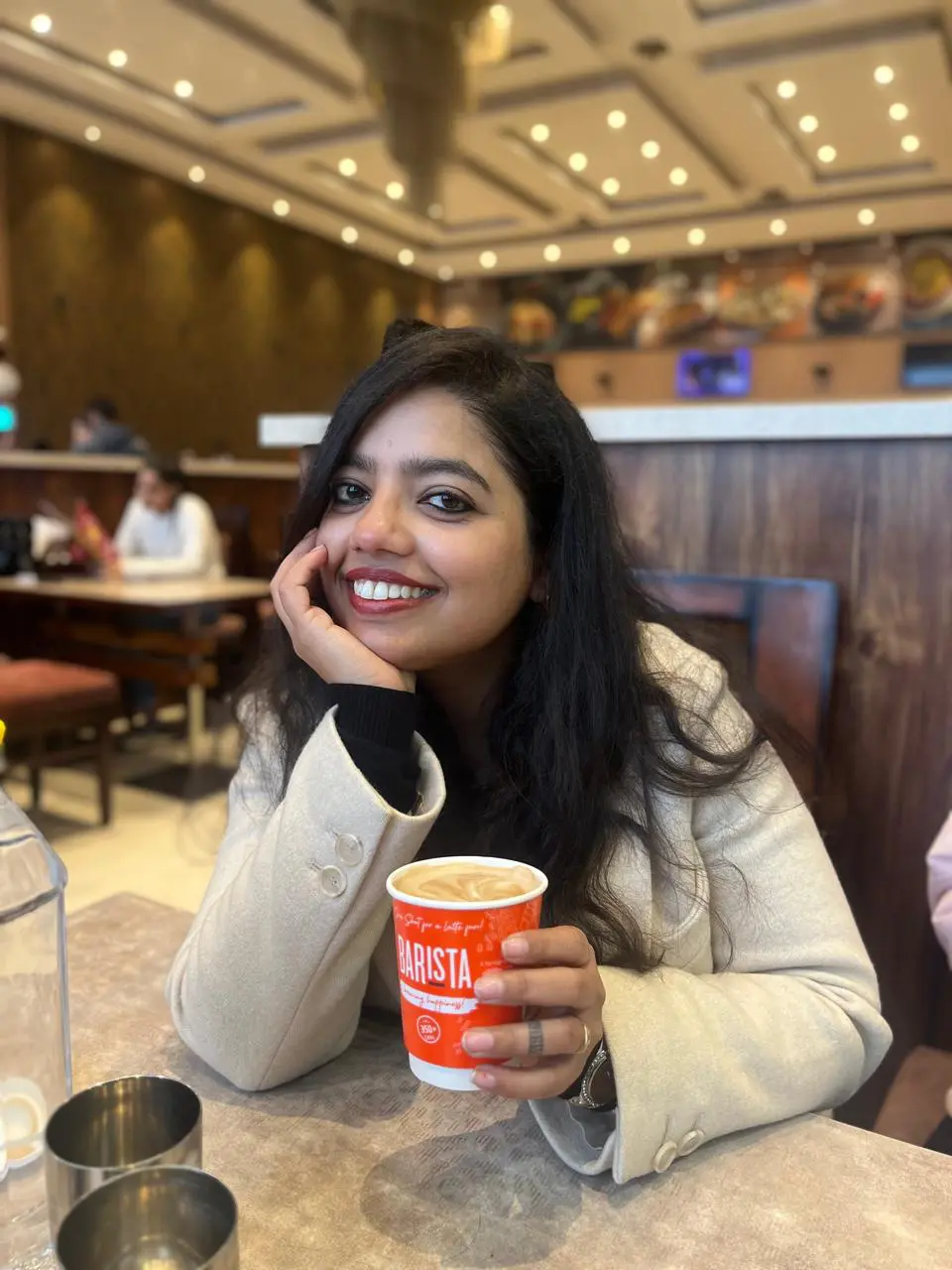
Alka Pandey is a Contributing Editor at Deified Publications, specializing in publishing industry analysis and media trends. With over 6 years of experience, she leverages deep research to provide a national perspective on the business of books, digital media, and content strategy. When she’s not diving into market reports, Alka is either traveling to literary festivals or tracking down the next great non-fiction read.