

As a seasoned writer, I’ve waded through the deep waters of storytelling, character arcs, and plot twists. Yet, more often than not, I’ve found myself engulfed in the intricacies of editing and copyediting. If you’re like me, you’ve felt that twinge of uncertainty when hearing these terms thrown around in workshops, articles, and discussions. Are they interchangeable? Do you need both? Let’s unravel the mystery together.
Understanding the Basics: What is Editing?
Editing is the umbrella term that captures a range of activities performed on a manuscript. It’s like the sculptor chiseling away at a block of marble, revealing the beautiful statue hidden within. For me, the editing process has always felt incredibly personal. I remember the first time I sent my manuscript to an editor. I was terrified! What if they shattered my carefully crafted scenes with red marks?
Types of Editing
Let’s break down the primary types of editing:
- Developmental Editing: This phase digs deep into the content—focusing on structure, theme, and character development. If your story feels off or meandering, this is where you fix it.
- Substantive Editing: Similar to developmental editing, substantive editing deals with the text’s clarity and flow. Think of it as polishing the surface after the bulk of the work is done.
- Line Editing: Here, you focus on each line, considering word choice, tone, and sentence structure. It’s like choosing the best fabric for a suit; the little things add up.
Editing, in essence, is about refining your work to make it stronger, clearer, and more compelling. It’s about your voice but through a magnifying glass.
Unraveling Copyediting: A Different Beast
If editing is the sculptor, copyediting is the meticulous painter detailing every nuance. This is where the nitty-gritty comes into play. I once had an experience where an editor meticulously corrected my misuse of “their” vs. “there.” At first, I felt an urge to set my ego on fire, but soon I realized the importance of this granular focus.
Role of a Copyeditor
Copyediting ensures that your manuscript is polished to perfection. Here’s what a good copyeditor focuses on:
- Grammar and Punctuation: The foundational rules of language are enforced here. Whether it’s a misplaced comma or a run-on sentence, a copyeditor’s job is to maintain these standards.
- Consistency: Are your character names spelled the same way throughout? Is the font consistent? A copyeditor ensures uniformity, which readers appreciate.
- Formatting: From headings to citations, they ensure that everything adheres to the relevant style guide.
Key Differences Between Editing and Copyediting
Now that we’ve carved out a clearer distinction, let’s put it all together. Here’s a comparison table to visualize the differences:
| Feature | Editing | Copyediting |
|---|---|---|
| Focus Area | Content, structure, and narrative | Grammar, style, and technical errors |
| Process | Developmental and content changes | Polishing text for publication |
| Tools Used | Creative feedback and developmental suggestions | Style guides, grammar checkers |
| Outcome | A strong, cohesive narrative | A clean, error-free manuscript |
When to Seek Help: The Right Timing for Editing and Copyediting
One question I often wrestle with is timing. When is it essential to turn to a professional? The answer can vary, but here are some guidelines:
- After you’ve completed your first draft, it’s time for developmental editing. Get feedback before diving into line-by-line polishing.
- Once your story has been shaped and crafted, bring in a copyeditor to clear away any remaining dirt and errors.
- If you’re preparing for publication, consider both editing and copyediting as crucial steps.
Crafting Your Own Checklist for Effective Editing and Copyediting
Creating a checklist has been vital for my editing process. Here’s a template you can use:
Your Ultimate Editing and Copyediting Checklist
- Structure and Pacing: Does the story flow? Are there sections that feel slow?
- Character Development: Are your characters multi-dimensional? Do they evolve throughout the story?
- Plot Holes: Are there inconsistencies that need addressing?
- Grammar: Are sentences concise and clear? Are there any dangling modifiers or awkward constructions?
- Consistency: Is your formatting uniform? Are character names spelled consistently?
- Style Guide Adherence: Have you followed your chosen style guide correctly? This could include everything from citation formats to hyphenation rules.
Real-Life Anecdotes: Learning from Others’ Mistakes
One of my fellow writers, Sarah, went through a rigorous editing process for her debut novel. She was convinced she only needed copyediting, but upon a thorough review, her editor pointed out essential structural issues that needed to be addressed first. Sarah later confided that investing in developmental editing early on saved her from a mediocre first draft going to print.
This isn’t just a cautionary tale—it emphasizes the importance of understanding your manuscript’s needs. Every writer’s journey is unique. Trust your instinct and the guidance of professional editors in navigating this landscape.
Tips for Finding the Right Editor or Copyeditor
Finding the perfect editor or copyeditor is crucial. Here are practical steps to guide you:
- Research Their Background: Look for editors with experience in your genre. A children’s book editor may not understand the nuances of literary fiction.
- Ask for Samples: Before committing, request sample edits to see if their style aligns with your vision.
- Seek Recommendations: Join writers’ groups, attend workshops, and use platforms like LinkedIn for credible referrals.
Conclusion: Embracing the Editing and Copyediting Journey
Your manuscript deserves all the love, care, and attention possible. Whether you are editing or copyediting, know that both processes bring value to your story. As you embark on this journey, visualize it not as a chore but as an essential part of your growth as a writer.
Celebrate the small victories along the way. Each editing round is an opportunity to improve, to refine not just your manuscript but also your voice as an author. Embrace it. The world needs your stories.
📚 Loved this article?
Join our community of readers & writers!
Subscribe to our YouTube channel for author tips, book insights, and publishing secrets.
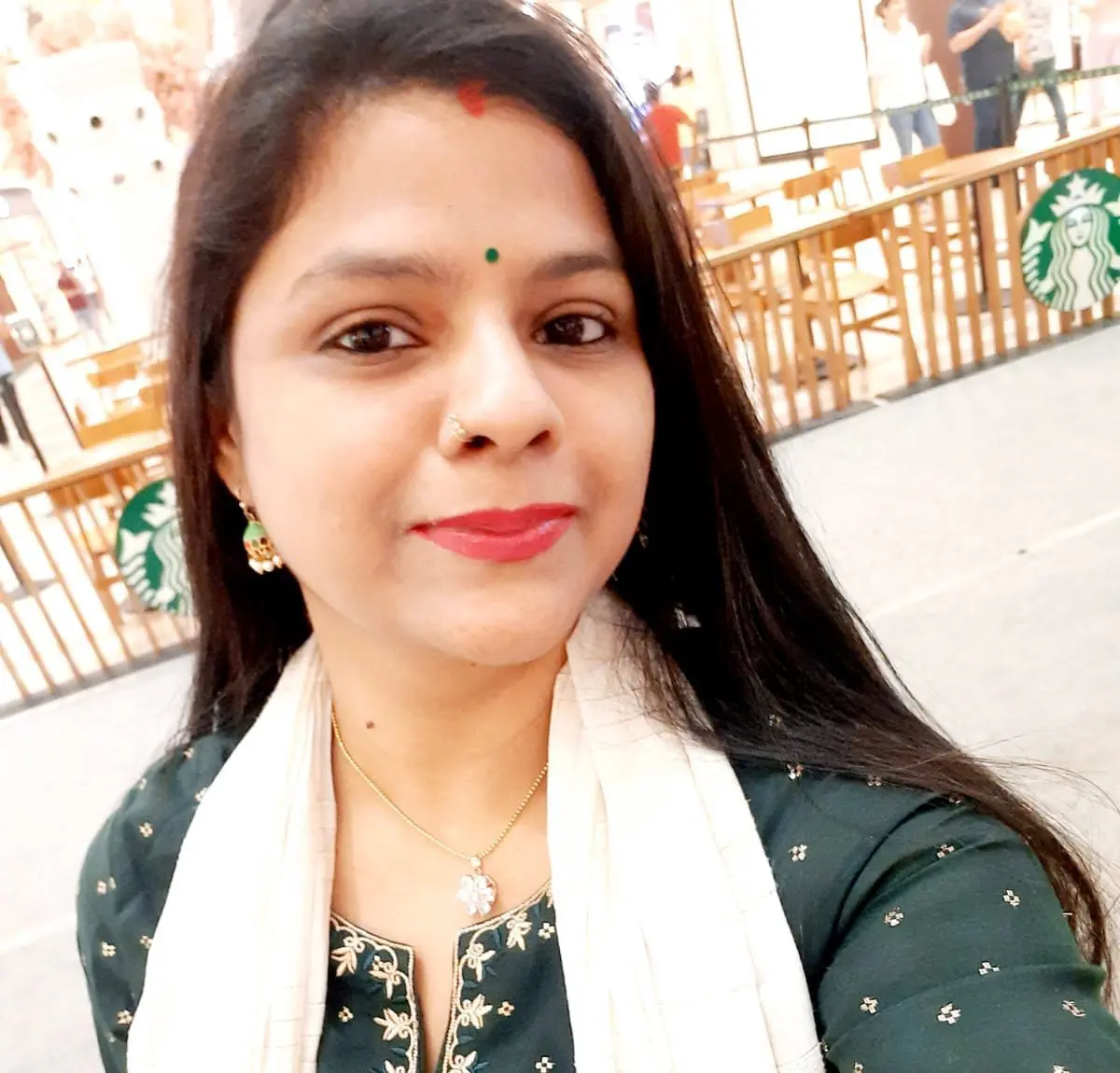
With over 11 years of experience in the publishing industry, Priya Srivastava has become a trusted guide for hundreds of authors navigating the challenging path from manuscript to marketplace. As Editor-in-Chief of Deified Publications, she combines the precision of a publishing professional with the empathy of a mentor who truly understands the fears, hopes, and dreams of both first-time and seasoned writers.