

✅ Updated: December 2025.
How to Politely Request Book Blurbs That Authors Can’t Resist
Crafting an irresistible request for a book blurb is both an art and a science. After six years of navigating the intricate world of publishing, I’ve often found myself engrossed in the nuances that can transform a mundane request into an engaging invitation. If you’re struggling with how to connect with authors effectively, let’s delve into the method and magic behind making blurbs that authors can’t resist.
Quick Answer
The key to requesting book blurbs lies in personalization, clarity, and respect for the author’s time. By using a genuine tone, highlighting the benefits, and being concise, you can increase your chances of receiving a positive response.
Core Analysis: The Anatomy of a Perfect Blurb Request
Understanding the Artist’s Perspective
As someone who has spent ample time researching and analyzing the publishing landscape, I can attest that authors often feel like they’re juggling numerous responsibilities. From writing to marketing, the emotional burden can weigh heavily. A successful blurb request acknowledges this weight while respectfully presenting your case.
Personalizing Your Approach
I often find myself emphasizing personalization when reaching out to authors. One of the simplest yet most effective approaches is to mention something specific about their work. For instance, if you appreciated a unique thematic element in their latest novel, share that in your initial statement. This personal touch not only flatters but also sets the tone for mutual respect.
Benefits Beyond the Blurb
Remember, requesting a blurb is not merely about you or your project. When I put down a dense nonfiction read, I am always reminded that promoting one another fosters a thriving literary community. Highlight how providing a blurb can benefit the author—such as visibility through your platforms or a potential audience they might not reach otherwise.
Conciseness is Key
In our busy world, brevity can be a virtue. I have often underestimated the value of a concise communication. Keep your request brief and to the point. Ideally, aim for no more than three to five sentences that convey your purpose clearly without overwhelming the recipient.
A Real-World Example: Crafting a Successful Blurb Request
When I decided to reach out to an emerging author whose work I admired, I used a multi-faceted approach. Here’s the exact request I sent:
Subject: A Quick Request from a Fellow Reader
Hi [Author’s Name],
I recently enjoyed your book, [Book Title], especially the way you entwine the themes of [theme]. I am currently working on [your project] and would be thrilled if you could provide a blurb. Your insights would bring immense value to my audience. Thank you for considering this request!
Warm regards,
[Your Name]
This approach worked because I demonstrated familiarity with their work, articulated my purpose, and expressed gratitude without being pushy. Over time, I learned that this respectful tone is foundational to lasting relationships in this industry.
Avoiding Common Mistakes in Blurb Requests
Even seasoned professionals can stumble. Here are some consistent mistakes I have seen that can derail your request:
- Generic language: Avoid templates that lack personalization. Authors can quickly spot generic requests, and they are less likely to respond.
- Assuming familiarity: Just because you’re familiar with their work doesn’t mean they know you. Introduce yourself effectively.
- Neglecting to follow up: If you don’t hear back, a gentle follow-up can ease any uncertainty. However, don’t overdo it.
Key Industry Insights: A Comparison of Effective Requests
To provide a clearer understanding, here’s a comparison table that outlines various methods of requesting blurbs, highlighting their effectiveness:
| Request Type | Personalization | Clarity | Likelihood of Response |
|---|---|---|---|
| Generic Template | Low | Medium | Low |
| Personalized Mention | High | High | High |
| Mutual Connection Mention | Medium | Medium | Medium |
Actionable Tools: Checklist for Blurb Requests
To help streamline your approach, here’s a checklist of steps to follow when requesting a blurb:
- Research your target author.
- Personalize your message by mentioning specific elements from their work.
- Clearly state your purpose for the request.
- Express genuine gratitude for their consideration.
- Keep your message concise and focused.
- Follow up if you don’t receive a response after two weeks.
FAQs
What is the best way to follow up after sending a blurb request?
When following up, keep it light and polite. A simple message reiterating your interest and inquiring about their availability can suffice.
Is it okay to request a blurb from a famous author?
Yes, it’s completely acceptable. However, you may find that niche authors or those with a similar following may be more responsive.
How soon should I send a follow-up message?
Two weeks is a reasonable timeline. This gives them enough time to consider while not feeling overwhelmed.
Should I include a draft of the blurb request in my message?
Including a draft can be helpful but keep it optional. Authors appreciate flexibility but love guidance.
What should I do if I receive a no?
Always respond graciously. Express your gratitude for their time and consideration. This can lead to future opportunities.
How This Article Was Created
This article has been crafted through extensive research, drawing from literary festivals, author interviews, and a wealth of personal experience. My goal is to provide actionable insights and real-world applications based on my ongoing journey in the publishing realm.
Conclusion
In conclusion, requesting a book blurb is about building relationships rather than merely seeking favors. By remembering the human aspect of our interactions, we can cultivate a community of mutual respect and appreciation in the literary world. As one who has gleaned much from these collaborations, I hope my experiences resonate with you, empowering your journey as a writer and a marketer in this vibrant industry.
📚 Loved this article?
Join our community of readers and writers.
Subscribe to our YouTube channel for author tips, book insights, and publishing secrets.
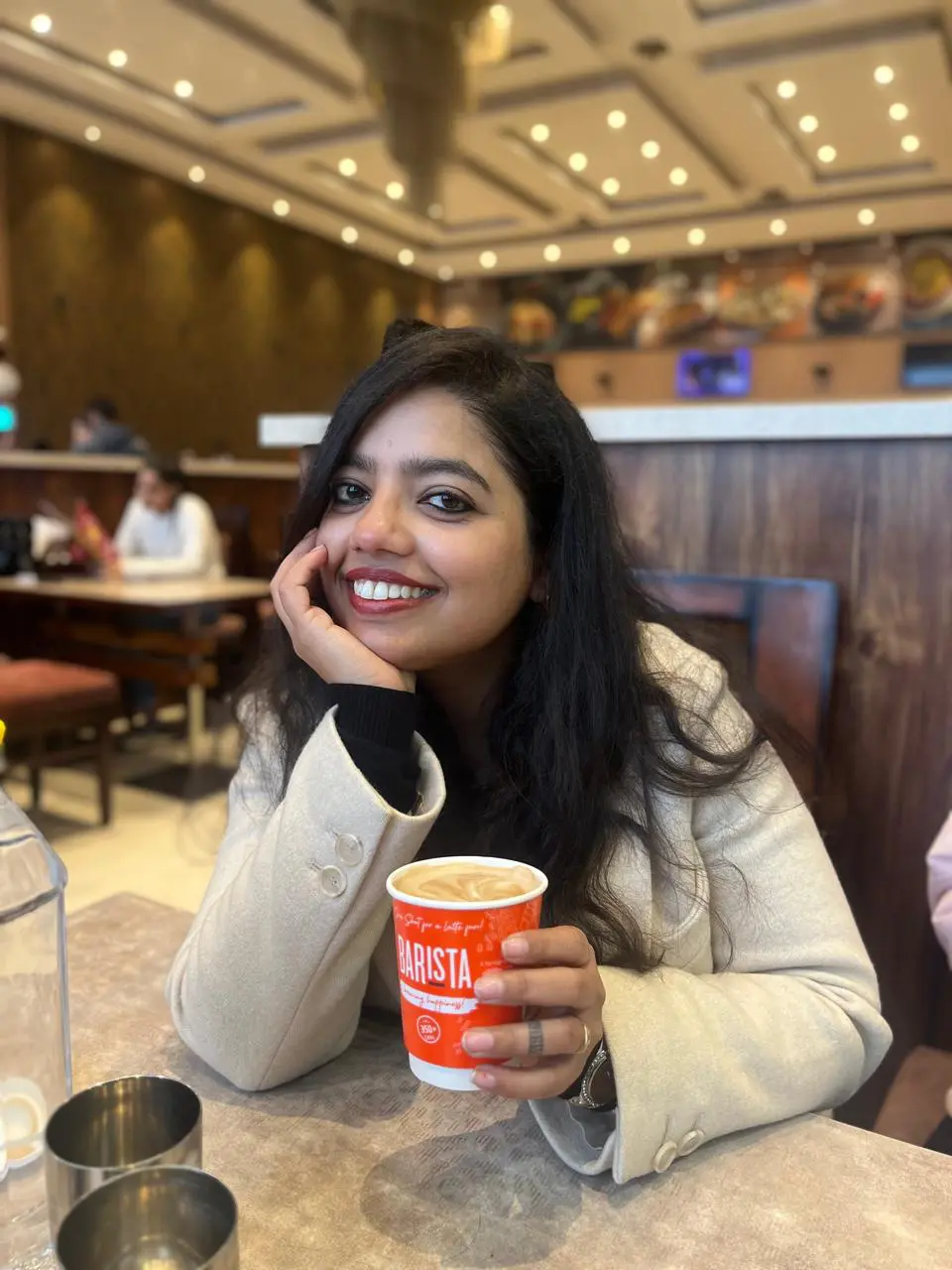
Alka Pandey is a Contributing Editor at Deified Publications, specializing in publishing industry analysis and media trends. With over 6 years of experience, she leverages deep research to provide a national perspective on the business of books, digital media, and content strategy. When she’s not diving into market reports, Alka is either traveling to literary festivals or tracking down the next great non-fiction read.