
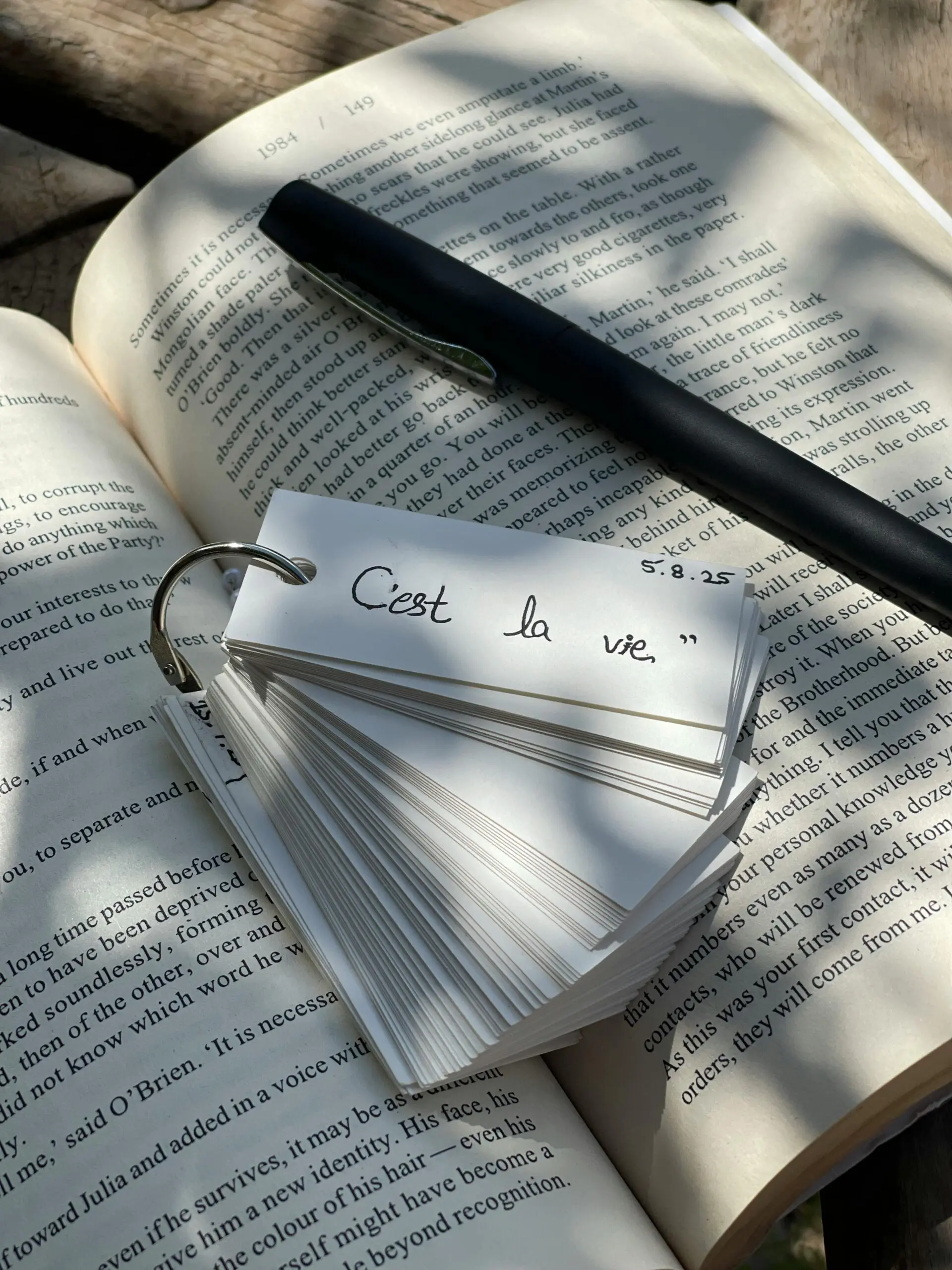
The Hidden Truth About Authors’ Rights and Royalties Revealed
Understanding Authors’ Rights
When I first embarked on my writing journey, I was brimming with dreams of publishing my stories and making a name for myself. What I didn’t realize at the time was how crucial it was to understand my rights as an author. Authors’ rights are not just about owning a piece of paper with a title on it; they are about protecting the very essence of your creativity.
At the heart of authors’ rights are two main concepts: copyright and moral rights. Copyright protects the tangible expressions of your ideas, meaning nobody can publish your work without your permission. Moral rights, on the other hand, protect your personal connection to the work. These rights ensure that you are recognized as the author and that your work isn’t distorted or misrepresented.
Why Knowing Your Rights Matters
Many authors, especially newcomers, enter contracts without fully understanding what they entail. A friend of mine, Sarah, found herself in this exact predicament. Enthralled by the glamorous promise of a publishing deal, she neglected to read the fine print. As a result, her rights were severely limited, and she saw minimal profits from her book.
- Protect your creativity: Your words and ideas are your intellectual property; they deserve protection.
- Maximize your earnings: Understanding rights can lead to better negotiation for royalties and advances.
- Avoid future complications: Knowing your rights upfront can prevent disputes and misunderstandings later on.
Diving into Royalties
Royalties are what many authors dream about. They are the financial rewards for our blood, sweat, and tears poured into our manuscripts. But how do royalties actually work? Let’s break it down.
The Basics of Royalties
Royalties are typically a percentage of the book’s sales. Here’s a simple breakdown:
- **Print Books:** Authors often receive between 5-15% of the book’s cover price.
- **E-books:** Digital formats typically offer higher royalty rates, around 25-60%.
- **Audiobooks:** These can range widely, often 20-50% depending on the distribution method.
Types of Royalties Explained
It’s essential to recognize the various types of royalties that authors can earn.
- Advance Royalties: A lump sum paid upfront—usually against your future royalties. Think of it as an advance on future earnings.
- Publisher Royalties: When you sign a contract, your publisher will outline their royalty structure. Knowing this helps you understand your potential income.
- Subsidiary Rights Royalties: If your book is adapted into other formats (like film or merchandise), you may earn additional royalties.
The Royalty Calculation: A Closer Look
To help you visualize how royalties are calculated, here’s a simple comparison table:
| Book Format | Retail Price | Royalty Rate | Author Earnings per Sale |
|---|---|---|---|
| Print Book | $20 | 10% | $2.00 |
| E-book | $10 | 30% | $3.00 |
| Audiobook | $15 | 25% | $3.75 |
Negotiating Your Royalties
Negotiation can feel daunting, but it’s crucial for your financial wellbeing as an author. Here are some tips:
- Research Industry Standards: Know what average royalties are for your genre and format.
- Show Your Value: If you have a following or previous sales, use this to your advantage.
- Consider Multiple Offers: Don’t be afraid to shop around; different publishers may offer varying terms.
Where Many Authors Go Wrong
Many authors I’ve met often overlook a vital aspect of their agreements: understanding how various factors influence royalties. Here are common pitfalls:
1. Not Reading the Contract
It sounds basic, but many authors sign contracts without fully digesting the terms. Always consult a literary lawyer or an experienced author before signing.
2. Ignoring Self-Publishing
Self-publishing offers more control and potentially higher royalties (in some cases up to 70% on e-books). Understanding this could change your publishing trajectory.
3. Failing to Track Sales
Are you tracking your book sales? Many authors neglect to check reports from their publishers. Regularly monitoring sales and royalty reports can help you gauge your book’s performance and take action if something feels off.
Protecting Your Rights as an Author
While it’s crucial to understand rights and royalties, protecting them is equally important. Here’s how you can ensure your rights are safeguarded:
A Checklist for Protecting Your Authors’ Rights
- ✔️ Clearly define rights in your contract.
- ✔️ Consider retaining certain rights, like film adaptation or foreign translations.
- ✔️ Ask for professional advice before signing anything.
- ✔️ Keep records of all correspondence with publishers.
- ✔️ Stay informed about copyright laws and your moral rights.
Real-Life Author Experiences
Let’s talk about real-life examples of authors who have been successful (or not) with their rights and royalties.
The Case of J.K. Rowling
J.K. Rowling famously refused to sell the rights to Harry Potter for a measly sum, opting to negotiate a better deal. Her decision allowed her not only to maintain creative control but also to reap the rewards from various adaptations and merchandise. She understood the full value of her intellectual property, which paid off in unprecedented ways.
The Cautionary Tale of Amanda Hocking
Amanda Hocking started her publishing career as an indie author. She self-published several e-books, selling over a million copies in just a few years. However, when she transitioned to traditional publishing, she quickly realized the limits on her rights and royalties. While she enjoyed a broader distribution, she regretted some of the decisions she made regarding her initial works.
Resources and Templates for Authors
As you navigate the complex world of authors’ rights and royalties, it’s helpful to have resources on your side. Here are a few:
- Book Publishing Agreements: Websites like NoLO provide templates and explanations of contracts.
- Copyright Law Basics: The U.S. Copyright Office (copyright.gov) is a wonderful resource for authors.
- Author Advocacy Groups: Organizations like the Authors Guild can be beneficial for representing author interests.
Conclusion: Embracing Your Journey
Understanding authors’ rights and royalties is not just about the financial aspects; it’s about embracing your identity as a creator. As you pen your next story or propose your next book, remember: your words matter. They’re not just a source of income—they’re a reflection of who you are. Arm yourself with knowledge, protect your rights, and let your stories resonate in the world.
📚 Loved this article?
Join our community of readers & writers!
Subscribe to our YouTube channel for author tips, book insights, and publishing secrets.
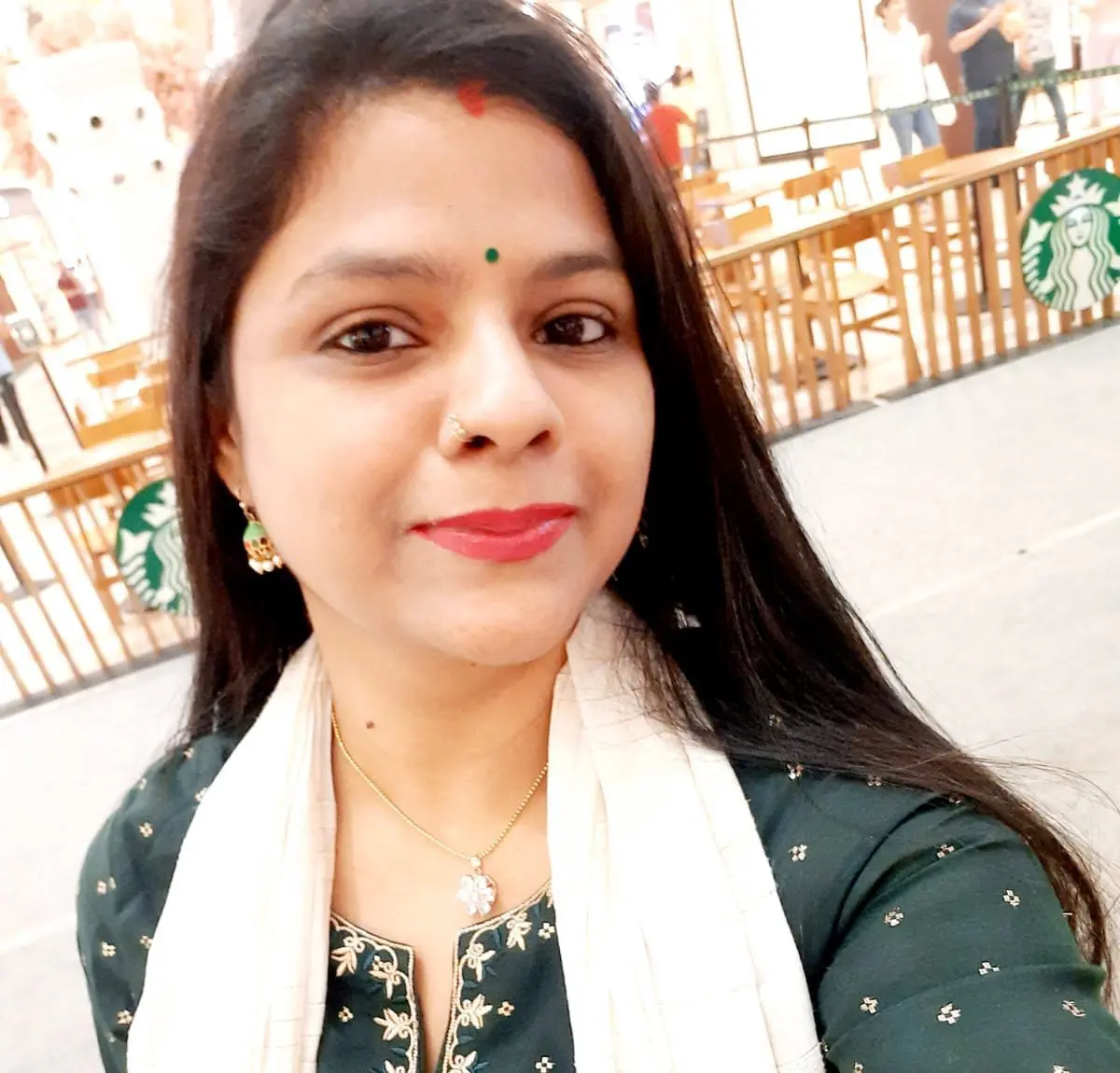
With over 11 years of experience in the publishing industry, Priya Srivastava has become a trusted guide for hundreds of authors navigating the challenging path from manuscript to marketplace. As Editor-in-Chief of Deified Publications, she combines the precision of a publishing professional with the empathy of a mentor who truly understands the fears, hopes, and dreams of both first-time and seasoned writers.