
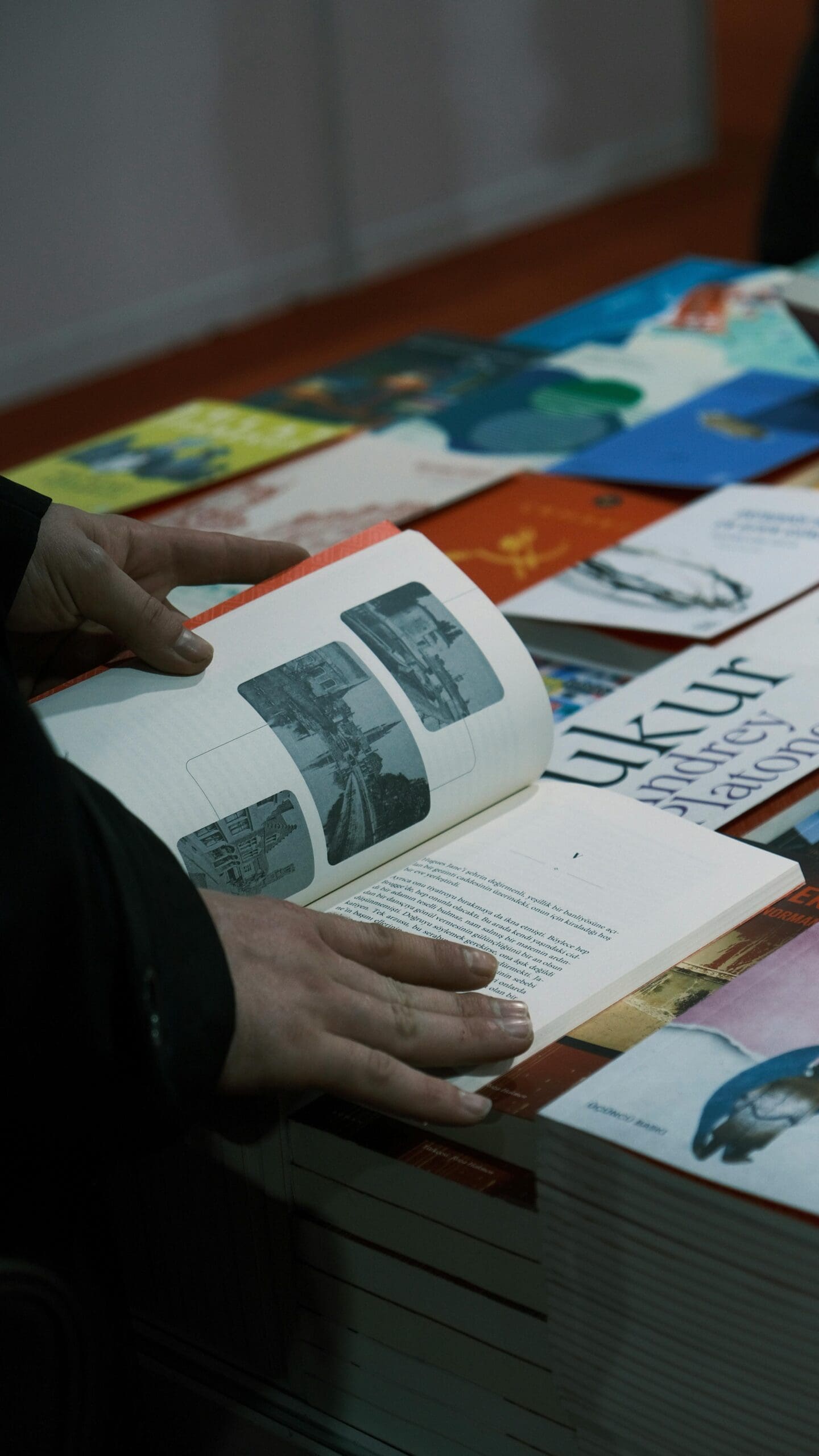
- Discover timeless bookbinding methods.
- Learn step-by-step techniques with practical tips.
- Understand common mistakes to avoid.
Quick Answer: The best bookbinding techniques that have enduring appeal include the Japanese stab binding, Coptic stitch, and perfect binding methods. Each technique serves different needs and aesthetics, ensuring lasting quality in book creation.
Understanding Bookbinding
Bookbinding is often an overlooked skill, yet it plays a crucial role in preserving our literary treasures. Whether you are a budding author, an artist creating sketchbooks, or someone who enjoys crafting handmade gifts, knowing a few solid bookbinding techniques can elevate your work significantly. Imagine gifting a friend a custom-bound journal, personal and heartfelt, an embodiment of your creative spirit.
The act of binding transforms paper into something tangible, solidifying memories, thoughts, and stories. Some techniques have stood the test of time, being practiced for centuries and still revered today. Let’s dive into these techniques and see how you can apply them to your projects.
The Classic Techniques
1. Japanese Stab Binding
Japanese stab binding originates from East Asia and stands out for its aesthetic appeal. Created for ease and beauty, it’s often seen in art books, stationery, and journals. The stitching pattern is visible, adding an artistic flair.
Materials Required:
- Cover materials (cardstock or decorative paper)
- Pages (text, watercolor, or sketch paper)
- Thread (waxed or non-waxed)
- Needle (bookbinding needle preferable)
- Bone folder for crease
- Awl for making holes
Steps to Bind:
- Prepare the cover and pages.
- Use the awl to punch holes along the spine of the book.
- Align the pages with the cover and thread the needle through the holes in your desired pattern.
- Knot your thread securely and trim the excess.
2. Coptic Stitch Binding
Coptic stitch binding allows books to lay flat when open, making it invaluable for sketchbooks and journals. This method is ancient, with roots traceable back to early Christians in Egypt. The stitch is functional and decorative.
Materials Needed:
- Covers (thicker non-padded material)
- Pages (varying thickness)
- Thread (strong linen or cotton)
- Needles
- Awl and ruler
Steps to Bind:
- Cut your cover and paper to size.
- Punch holes in the spine of both covers and the pages.
- Begin stitching through the cover and into the first page. Continue through the rest of the pages, alternating with the subsequent cover.
- Finish with a strong knot and trim.
3. Perfect Binding
This technique is commonly seen in modern paperback books. While it uses adhesives instead of stitching, it still represents a popular choice for those looking to produce books in larger quantities.
Materials Required:
- Padded covers
- Pages stacked neatly
- Strong adhesive (PVA glue recommended)
- Clamps
Steps to Bind:
- Stack the pages neatly and apply glue to the spine.
- Use clamps to hold the pages together while the glue sets.
- Attach the cover once the spine is dry to ensure a clean finish.
Real World Example
I remember when a friend of mine decided to craft a journal for her art collection. Instead of purchasing a commercial sketchbook, she patiently learned the Coptic stitch method. The excitement on her face while she showcased her newly bound book was heartwarming. Each page felt purposeful, every thread woven with intention. This hands-on approach elevated her artwork, transforming it into a fully-fledged collection rather than mere sketches. It highlighted how the technique contributed to the value of her creations.
Why Bookbinding Techniques Matter
Learning bookbinding techniques enriches creativity and understanding of the art form itself. Here are some advantages:
– Tailor your book design to your needs: You choose materials, sizes, and layouts.
– Develop practical skills: From measuring to stitching, you enhance dexterity and precision.
– Create personal items: Handy gifts or keepsakes that display thoughtfulness.
Common Mistakes and How to Avoid Them
Mistakes are a part of learning, but being aware can save time and materials.
1. Incorrect Measurements
Always double-check your measurements before cutting. A simple miscalculation can lead to awkwardly sized books.
2. Weak Adherence
When using adhesive, ensure even coverage and allow sufficient drying time. Rushing through this phase can weaken the binding.
3. Overly Tight or Loose Stiches
Finding the right tension is key when stitching. Aim for a snug fit without causing the paper to warp.
Key Insights
Below is a comparison table illustrating the strengths and weaknesses of each technique to help you decide which method best suits your needs.
| Technique | Strengths | Weaknesses |
|---|---|---|
| Japanese Stab Binding | Aesthetic appeal, simple process, visible stitching | Limited durability for heavy use |
| Coptic Stitch Binding | Flat opening, durable, highly customizable | Can be time-consuming for beginners |
| Perfect Binding | Suitable for mass production, good-looking finish | Less flexible, requires glue drying time |
Checklist for Bookbinding
Here’s a quick checklist to help you gather what you need before starting any bookbinding project:
- Choose your book type and size.
- Gather all necessary materials.
- Prepare your workspace and tools.
- Plan your binding technique.
- Measurements: double-check everything.
How This Article Was Created
This article was developed from a thorough research process, considering traditional and contemporary techniques. Insights were drawn from industry standards as well as real-world experiences. Consulting knowledge from established craft sources and community feedback also informed the details shared here.
Conclusion
The world of bookbinding opens up a rich avenue for creativity and craftsmanship. Whether you choose to create a simple journal or a more intricate binding method, these time-tested techniques allow you to express your individuality and artistic essence. Start small, learn from your endeavors, and soon enough, you’ll likely surprise yourself with your creations.
Frequently Asked Questions
What materials do I need for bookbinding?
Essential materials include cover material, pages, thread, needles, and any necessary adhesives. Specific techniques may require additional items like bone folders or awls.
Is bookbinding difficult to learn?
While some techniques may present challenges, many can be mastered over time with practice. Starting with simpler methods can build confidence.
Can I use common household items for bookbinding?
Several household items can be repurposed, like scissors, cardboard for covers, or even old magazines for creating pages.
How long does it take to bind a book?
The time varies based on the technique and your skill level. Simple bindings can take a couple of hours, while advanced ones may require several days.
Are there resources available for learning more about bookbinding?
Yes, many online tutorials, community workshops, and instructional books focus on various bookbinding techniques for beginners to advanced practitioners.
✅ Updated: January 2026.
With over 11 years of experience in the publishing industry, Priya Srivastava has become a trusted guide for hundreds of authors navigating the challenging path from manuscript to marketplace. As Editor-in-Chief of Deified Publications, she combines the precision of a publishing professional with the empathy of a mentor who truly understands the fears, hopes, and dreams of both first-time and seasoned writers.