
✅ Updated: December 2025.
Stand Out: Fresh Indie Book Cover Designs You’ll Love!
In a world brimming with literary voices, the importance of an eye-catching book cover has never been more critical. A stunning cover can ignite interest in readers, encouraging them to pick up a book they might have otherwise overlooked. As an industry veteran and a Contributing Editor at Deified Publications, I have spent years delving deep into the realm of indie publishing. My journey has opened my eyes to the brilliance found in fresh indie book cover designs. In this article, I want to share insights that I believe will inspire authors and designers alike.
Quick Answer
Indie book covers are more than just aesthetic; they communicate the book’s essence and genre. In this article, I explore key designs, common pitfalls, and industry insights that can elevate any indie book.
Core Analysis: The Essence of Book Cover Design
Why Cover Design Matters
When I put down a dense nonfiction read, I am always reminded that the book cover isn’t just packaging; it encapsulates the author’s message. The cover serves several purposes. It helps convey the story’s tone, appeals to target readers, and aids in market positioning. Through my interactions at various literary festivals, my biggest takeaway has been that a well-designed cover can be the linchpin of a book’s success.
Types of Indie Book Cover Design Styles
From minimalist designs to intricate artwork, indie book covers can take many forms. Here are some of the most captivating styles I’ve come across:
- Minimalist: Focuses on clean lines and simple color palettes.
- Vintage: Often employs classic typefaces and color schemes reminiscent of older books.
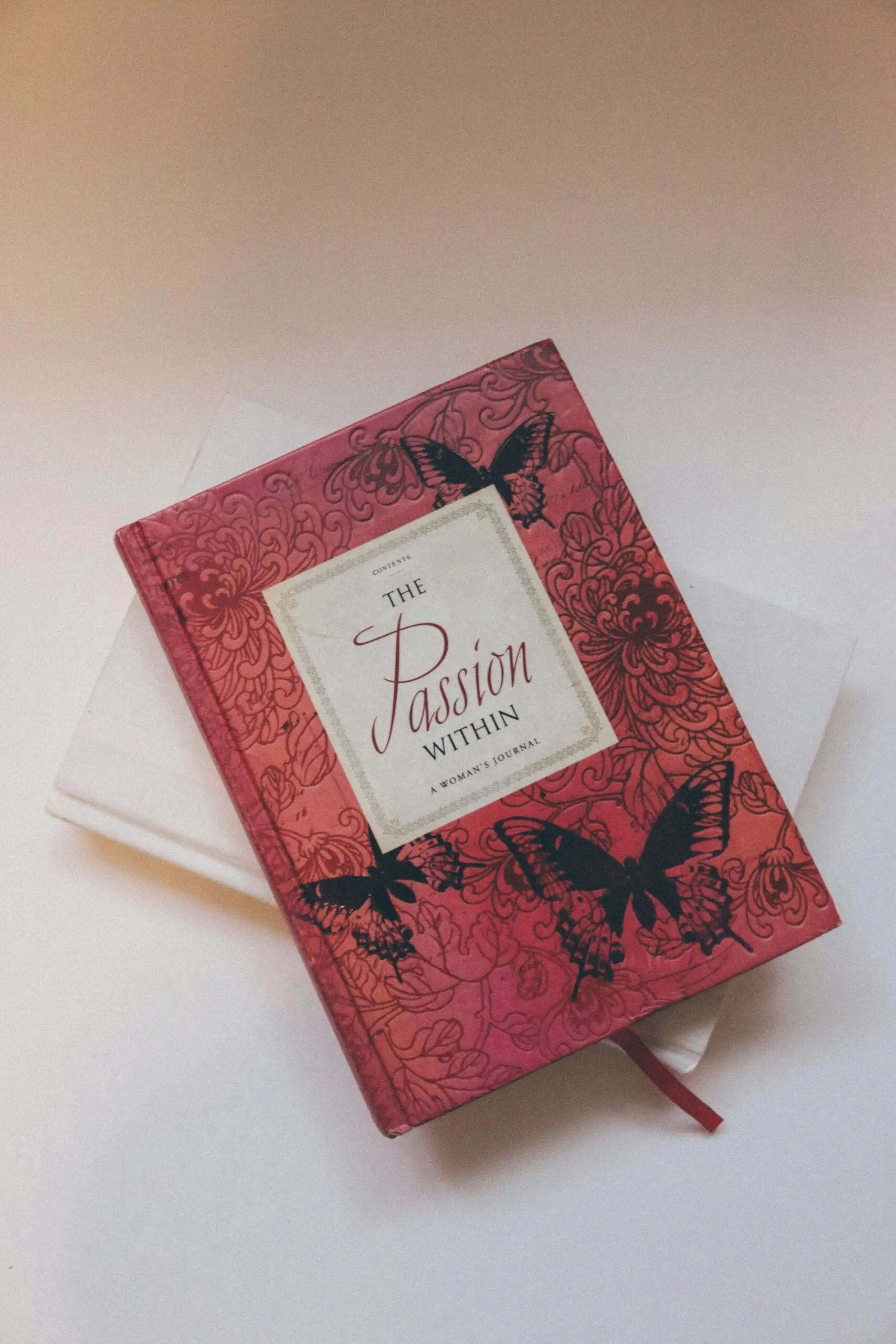
- Illustrative: Uses hand-drawn or painted imagery to create a unique feel.
- Photographic: Utilizes high-quality photography relevant to the narrative.
- Mixed Media: Combines various elements, such as text and textures, to create depth.
Real World Example: Case Studies of Successful Indie Covers
My research has allowed me to witness firsthand how effective cover designs can drive a book’s reception. One of my favorite examples involves the indie author Molly Hanel. Her book “Whispers of Autumn” features a watercolor background that seamlessly complements its poetic narrative. While attending a writer’s conference, I chatted with her about her design process. What stood out to me was her approach to understanding her audience. By integrating reader feedback during the design phase, she crafted a cover that truly resonated with her target demographic.
Common Mistakes and How to Avoid Them
Top Mistakes in Indie Book Cover Design
Despite the strategic importance of a book cover, many indie authors and designers make common errors. Through my editorial experience, I’ve compiled some of the most frequent pitfalls:
- Lack of Clarity: Covers that are too busy often fail to communicate the story’s essence.
- Ignoring Genre Conventions: Each genre has its visual language; straying too far may confuse potential readers.
- Poor Quality Graphics: Low-resolution images can damage the professional appearance of a book.
- Inconsistent Branding: Authors should maintain a cohesive look across their series to establish brand recognition.
My advice is to always conduct a thorough review before finalizing any cover. I often find myself digging through past projects to ensure my designs are meaningful and polished.
Key Industry Insights Supported by a Comparison Table
In my exploration of indie book covers, I’ve identified key trends and effective designs. Below, you’ll find a comparison table showcasing various indie cover styles and their notable characteristics:
| Design Style | Visual Appeal | Target Audience | Successful Examples |
|---|---|---|---|
| Minimalist | Clean & Simple | Readers seeking elegance | “Simplicity in Complexity” |
| Vintage | Classic & Nostalgic | Historical fiction enthusiasts | “Echoes of the Past” |
| Illustrative | Unique & Artistic | Young adults & fantasy readers | “Magic in the Mist” |
| Photographic | Realistic & Engaging | Contemporary fiction readers | “Life’s Canvas” |
| Mixed Media | Deep & Textured | Experimental literature lovers | “Fragments of Infinity” |
Actionable Tool: Downloadable Checklist for Cover Design
I’ve created a checklist that can streamline your book cover design process. This list can serve as a guide for authors and designers looking to create compelling covers:
- Define the genre and target audience.
- Choose suitable design elements (fonts, colors, images).
- Gather feedback from beta readers.
- Ensure high-resolution images are used.
- Check for consistency with branding (for series authors).
- Conduct A/B testing with two different designs.
- Finalize and prepare for print and digital formatting.
FAQ Section
What makes a book cover appealing?
An appealing cover resonates with the book’s content, uses trending design elements, and connects emotionally with its audience.
How important is genre in cover design?
Genre dictates design choices, as readers have specific visual expectations based on genre conventions.
What is the best way to gather feedback on cover designs?
Utilize beta readers or social media polls to gauge reactions before finalizing the design.
How can indie authors manage budget constraints in cover design?
Consider collaborating with emerging designers or using design contests to discover affordable talents.
Are there resources to learn more about book cover design?
Yes! Websites like Creative Bloq offer extensive insights and visual inspiration.
How This Article Was Created
My research methodology for this article involved lengthy discussions with indie authors, observations during book fairs, and extensive reading on design principles. Additionally, case studies provided a practical lens through which I could analyze what works in indie book cover designs.
Conclusion
As I conclude this exploration of indie book cover designs, I am reminded of the connection between a book’s cover and its content. A well-designed cover is more than just an attention-grabber; it’s a conversation starter, a visual narrative that invites readers in. I encourage indie authors to invest time in this pivotal aspect of their work. When done right, it can significantly elevate a book’s market presence. Let’s embrace the art of storytelling through captivating covers, and watch as our indie communities flourish.
📚 Loved this article?
Join our community of readers and writers.
Subscribe to our YouTube channel for author tips, book insights, and publishing secrets.

Alka Pandey is a Contributing Editor at Deified Publications, specializing in publishing industry analysis and media trends. With over 6 years of experience, she leverages deep research to provide a national perspective on the business of books, digital media, and content strategy. When she’s not diving into market reports, Alka is either traveling to literary festivals or tracking down the next great non-fiction read.