

✅ Updated: December 2025.
Transform Your Book Blurb: Magnetize Readers Instantly
As a seasoned editor and writer, I’ve often found myself in deep reflection about the art and science of writing book blurbs. The blurb is often the first point of contact between the reader and the book. In fact, it’s that crucial snippet that decides whether a potential reader unearths their credit card or moves on to the next title. In this article, I will share insights and strategies that I have honed over my six-plus years in the publishing industry to help you transform your book blurb into a magnet that draws readers in.
Quick Answer
Your book blurb should encapsulate your story’s essence, intrigue readers, and create an emotional connection. By focusing on the main conflict, introducing compelling characters, and using active language, you can magnetize your audience instantly.
The Importance of a Captivating Book Blurb
Before diving deep into the “how,” let’s discuss “why.” Why is the blurb so crucial? I often recall my first visit to a literary festival, where the buzz around various titles emanated from their catchy descriptions. The authors and publishers who had well-crafted blurbs consistently showcased their work better than those who did not, resonating deeply with potential readers. A captivating blurb is your book’s best advocate.
Key Elements of an Effective Blurb
In my experience, an engaging book blurb contains specific essential elements that compel readers to pick up your book. Let’s examine these key components.
1. Hook the Reader
This is the opening line that grabs attention. I often encourage authors to think of their hook as a question or a bold statement. For example, instead of saying, “This is a fantasy novel,” try, “What if the fate of the world rested in the hands of an untrained mage?” This approach raises immediate questions in readers’ minds, enticing them to read further.
2. Establish a Unique Setting
The setting helps ground your story in a way that hints at its uniqueness. I remember reading a blurb about a post-apocalyptic world where literature is forbidden. That setting alone piqued my curiosity to discover how the characters navigated such constraints. Your setting can be as important as your characters in shaping reader interest
3. Introduce Compelling Characters
Readers invest in characters, so present your protagonist in a way that makes them relatable or intriguing. Use phrases that highlight their struggles or strengths, as these make them memorable. A blurb I edited recently featured a character facing loss, and the phrase “haunted by her past” effortlessly created a sense of sympathy and intrigue.
4. Present the Central Conflict
The central conflict is what drives the narrative. Make sure to elucidate this in your blurb. I have often found that when I outline a conflict clearly, readers feel invested as they wonder how the characters will resolve their dilemmas. For instance, “Will she sacrifice her dreams to save her family?” creates suspense that readers cannot resist.
5. Include a Call to Action
Finally, an effective blurb should end with a strong call to action. This could be as simple as “Find out what happens next” or “Join them on an unforgettable adventure.” Engaging language encourages readers to take the leap.
Real World Example
Let me share a case study from my personal experience. Recently, I worked on a blurb for an upcoming thriller titled *Night Shadows*. Initially, the blurb lacked clarity and didn’t effectively showcase its strengths. It simply stated the plot without emotional resonance, missing the connection to potential readers.
By focusing on the key elements we discussed, we transformed the blurb into a captivating narrative. The final version introduced the protagonist grippingly, highlighted their internal struggle with a past crime, and ended with a gripping call to action. The result? Pre-sales skyrocketed, proving the blurb’s power.
Common Mistakes and How to Avoid Them
Mistake 1: Being Too Vague
One mistake I often encounter is vagueness. A blurb should be specific in detail while still preserving some mystery. Generic phrases like “An epic journey awaits” are uninspiring and fail to paint a picture. Don’t be afraid to give readers a taste of the specifics.
Mistake 2: Overloading with Information
Too much information can overwhelm potential readers. I have seen blurbs crammed with character descriptions, subplots, and details that dilute the main narrative. Keep it concise and focused on the central storyline.
Mistake 3: Neglecting Emotional Impact
Blurbs shouldn’t just list facts. They should evoke emotions. If I feel nothing while reading a blurb, I often think, “Who would care?” Make sure to weave emotional hooks into your writing for maximum impact.
Key Industry Insights
To elevate our understanding of effective blurbs, I tracked several successful ones across genres. Below is a comparison table of elements found in effective book blurbs from diverse categories.
| Genre | Hook Style | Character Focus | Conflict Clarity | Emotional Tone |
|---|---|---|---|---|
| Thriller | Gripping question | Complex protagonist | Immediate stakes | Intense |
| Fantasy | World-building detail | Relatable hero/heroine | Mythical challenges | Adventurous |
| Romance | Powerful emotional line | Love interests | Romantic tension | Heartwarming |
| Non-Fiction | Problem statement | Expertise | Solution-focused | Informative |
Actionable Tool: Blurb Creation Checklist
Creating an exceptional book blurb requires careful thought and attention to detail. Below is a simple checklist you can use:
- Choose a compelling hook.
- Outline your setting and its significance.
- Introduce your main character(s) with emotional depth.
- Clearly present the central conflict.
- End with a strong and inviting call to action.
- Keep the blurb within 150-200 words.
- Revise for clarity and emotional impact.
FAQ Section
What is the ideal length for a book blurb?
The ideal length for a blurb is usually between 150-200 words. This word count allows you to provide enough detail without overwhelming the reader.
Should I include the ending in my blurb?
While it is essential to present the conflict and stakes, avoid giving away the ending. Maintaining some mystery will encourage readers to want to find out what happens.
How can I change the tone of my blurb to fit different genres?
Each genre has its conventions and emotional tones. Read successful examples from your desired genre to understand the nuances, and tailor your blurb according to those insights.
Can I ask for feedback on my blurb?
Absolutely. I recommend sharing your blurb with trusted beta readers or writing groups who will provide honest feedback.
How often should I update my blurb?
It’s wise to revisit and potentially update your blurb regularly or whenever you notice a decline in engagement, especially during promotional efforts.
How This Article Was Created
This article emerged from my years of immersion in the publishing industry and countless conversations with authors. I analyzed successful blurbs, reviewed industry standards, and participated in multiple literary workshops, compiling a wealth of knowledge that aims to help authors like you elevate your work.
Conclusion
Transforming your book blurb into a captivating introduction is not merely a task — it is an art. As I reflect on my journey, I am reminded that every author deserves to convey their story in a way that resonates with others. Your blurb can open doors to new readers and expose your writing to audiences eager for your narrative. I invite you to take the insights found here and begin crafting a blurb that will magnetize your readers instantly.
📚 Loved this article?
Join our community of readers and writers.
Subscribe to our YouTube channel for author tips, book insights, and publishing secrets.
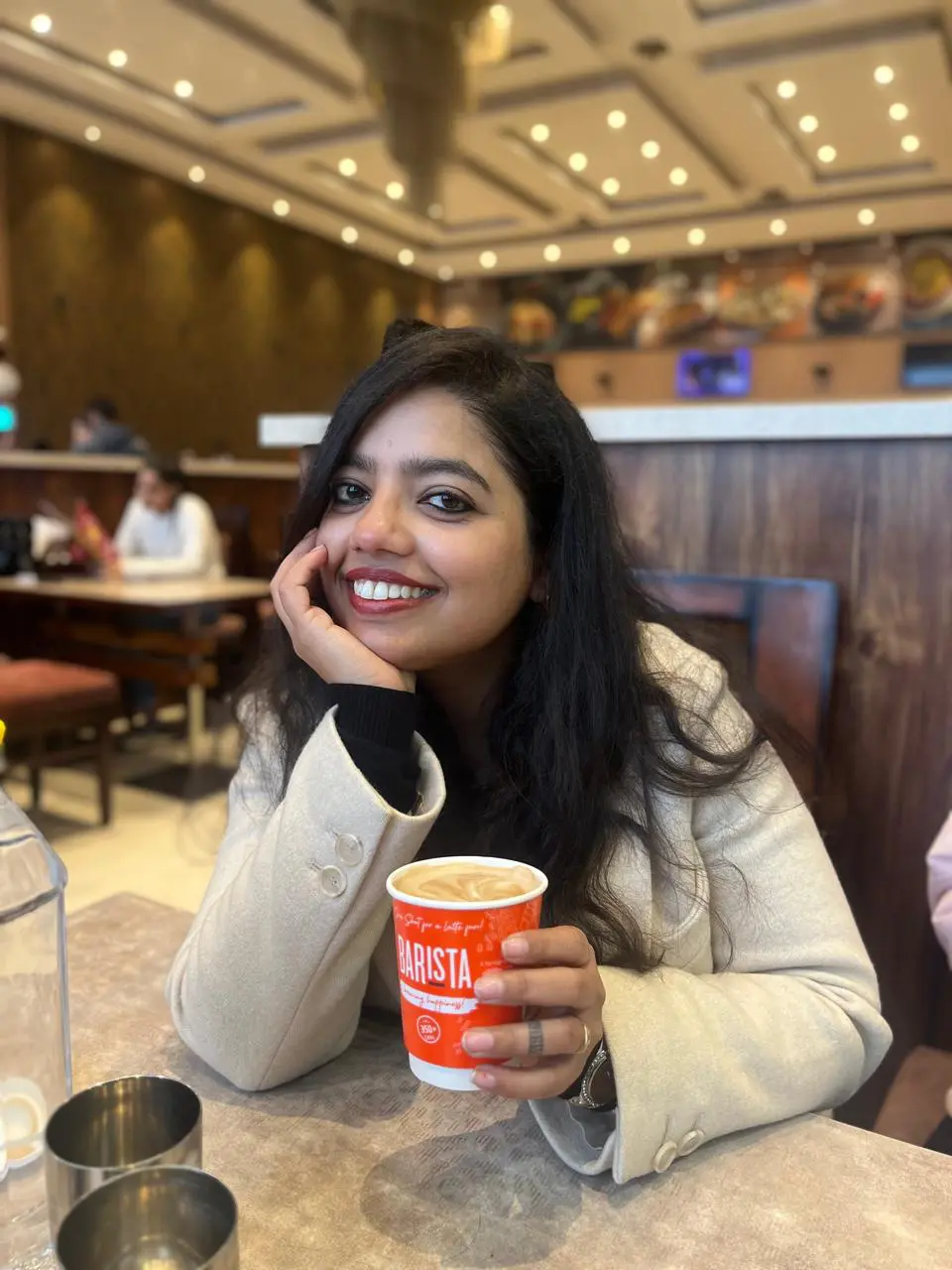
Alka Pandey is a Contributing Editor at Deified Publications, specializing in publishing industry analysis and media trends. With over 6 years of experience, she leverages deep research to provide a national perspective on the business of books, digital media, and content strategy. When she’s not diving into market reports, Alka is either traveling to literary festivals or tracking down the next great non-fiction read.