

✅ Updated: December 2025.
Quick Answer: Affordable children’s book printing in India can be achieved by understanding print specifications, leveraging technology, and choosing the right service provider. Use local printers and explore self-publishing options for better cost efficiency.
Why Printing Children’s Books is Different
When it comes to children’s books, several unique factors play into how you approach printing. Unlike other genres, children’s books often rely heavily on illustrations, different paper grades, and binding techniques that can all affect your budget. It’s not just about printing words on a page; it’s about getting the visuals right to engage young minds.
The Role of Illustrations
Children’s books often feature illustrations that are critical for storytelling. For instance, when I worked with an indie author in Mumbai who wanted to print a picture book, we spent a great deal of time discussing how to produce vibrant illustrations that could captivate children without breaking the bank. We chose to work with a local illustrator and explored cost-effective early-stage prototypes, which significantly reduced our overall expenses while ensuring high-quality output.
Print Specifications that Matter
- Paper Quality: Choose something durable but affordable.
- Binding Type: Softcover might be less expensive than hardcover.
- Number of Pages: Be realistic about your content and keep page numbers optimal.
- Print Run Size: Smaller print runs can be more cost-effective initially.
How to Find Affordable Printing Options
The path to affordable children’s book printing might seem daunting, but there are effective strategies to help you make cost-efficient choices.
1. Research Local Presses
Consider local presses that can offer personalized service. I once collaborated with a small press in Bangalore that provided incredible service and high-quality results for far less than large-scale operations.
2. Comparison Shopping
Don’t settle for the first quote. Gather multiple estimates from different printing services. Many local printers will be willing to negotiate pricing, especially if you’re presenting them with competitor quotes.
3. Leverage Technology
Consider utilizing print-on-demand services. These platforms allow you to print only on demand, reducing upfront costs.
Key Insights into the Printing Process
Understanding the printing process can help you make informed decisions. Here are some critical insights from my experience that can guide your path:
- Specifications Matter: Always confirm the specs before finalizing your order.
- Understand Unit Economics: Calculate the cost per unit for various quantities.
- Design is Key: Opt for designs that enhance the readability and appeal of the book.
A Case Study: Building a Book from the Ground Up
In one of my editorial projects, I worked with a children’s author from Delhi. She wanted to print 1,000 copies of a bilingual children’s book. Through careful planning, we coded color-separated illustrations in a PDF format according to the printer’s specifications. This saved us costs in revisions and ideal printing setups.
- Total project investment: ₹80,000
- Printing costs saved: ₹20,000 by employing local production.
Common Mistakes and How to Avoid Them
Even seasoned professionals can stumble. Here are common pitfalls you should be wary of:
1. Ignoring Print Quality
Don’t sacrifice quality for cost. Children’s books need to be durable and visually appealing. Always request samples.
2. Overlooking Distribution Costs
Remember to factor in shipping and distribution when calculating your budget. Sometimes, local printing may appear expensive upfront but can be cheaper in total costs.
3. Miscommunicating with Printers
Good communication can prevent misunderstandings. Ensure you clarify every detail in your printed materials.
Essential Checklist for Affordable Children’s Book Printing
Use this checklist to streamline your production process:
- Define your target market.
- Determine your budget.
- Research local printing options.
- Request samples.
- Confirm print specifications.
- Get estimates from multiple printers.
- Consider print-on-demand services.
Frequently Asked Questions
What are the costs associated with printing children’s books in India?
The costs can vary significantly, from ₹20,000 to over ₹1,00,000, depending on factors like quality, quantity, and design complexity.
How many copies should I print initially?
Starting with a smaller print run of around 500-1,000 copies is often advisable to gauge market interest before committing to larger quantities.
Is self-publishing a viable option?
Yes, self-publishing can be a cost-effective avenue and increases creative control. However, it requires more involvement with distribution and marketing.
Can I use overseas printers for lower costs?
While overseas printing can sometimes offer cheaper rates, consider shipping costs and customs fees, which can negate the savings.
What paper types are best for children’s books?
Semi-gloss or matte paper is often preferred for children’s books as it enhances color vibrancy while being durable enough for young readers.
How This Article Was Created
This article draws on a combination of first-hand experiences, interviews with industry professionals, and research into the growing children’s publishing market in India. Gathering insights over several months allowed us to present a well-rounded perspective on affordable children’s book printing.
Summary for Featured Snippets
- Research local presses for cost-effective options.
- Request multiple quotes and compare them.
- Factor in print specifications, shipping, and distribution.
- Utilize print-on-demand services for cost efficiency.
With the right knowledge and planning, mastering the affordable children’s book printing process in India is entirely within reach.
📚 Loved this article?
Join our community of readers and writers.
Subscribe to our YouTube channel for author tips, book insights, and publishing secrets.
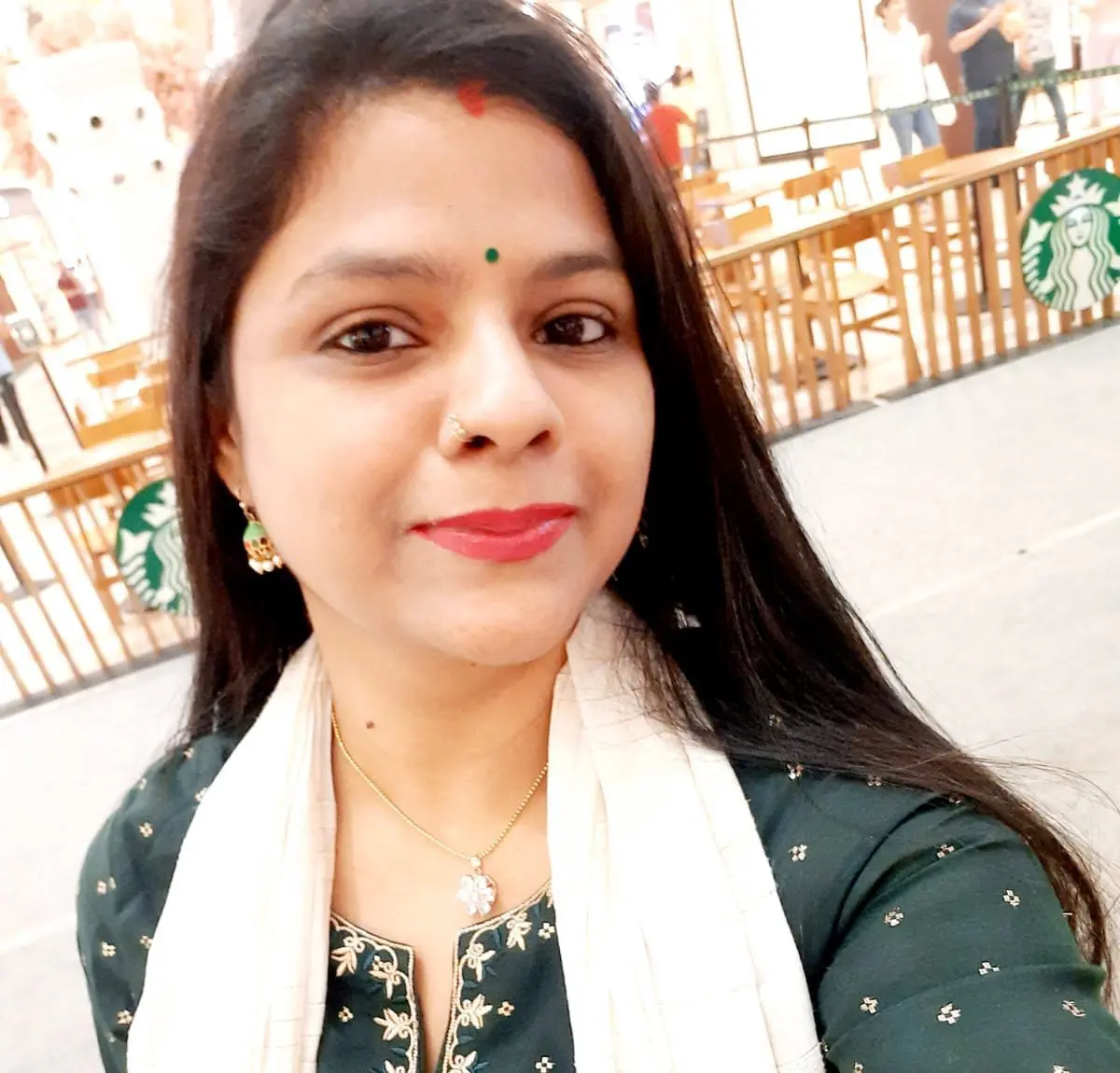
With over 11 years of experience in the publishing industry, Priya Srivastava has become a trusted guide for hundreds of authors navigating the challenging path from manuscript to marketplace. As Editor-in-Chief of Deified Publications, she combines the precision of a publishing professional with the empathy of a mentor who truly understands the fears, hopes, and dreams of both first-time and seasoned writers.