

Key Takeaways
- Understanding distribution channels is crucial for reaching your audience.
- Building relationships with distributors can enhance visibility and availability.
- Effective marketing and promotional strategies are essential for successful book distribution.
- Real-world case studies provide valuable insights into distribution strategies.
Welcome! I’m Priya Srivastava, and today, we’re diving deep into a topic that many authors and publishers grapple with: book distribution. Success in this area doesn’t happen by chance. It requires foresight, planning, and a good understanding of how the publishing ecosystem works. Let’s explore these hidden secrets together.
What is Book Distribution?
At its core, book distribution is the process of getting your book into the hands of readers. It involves various channels, from physical bookstores to online platforms. Understanding these channels is the first step to successful distribution.
Types of Book Distribution Channels
- Retail Distribution: This includes brick-and-mortar bookstores, chains, and independent shops.
- Online Distribution: E-commerce platforms like Amazon, Barnes & Noble, and your own website.
- Wholesale Distribution: Distributors purchase books in bulk and sell them to retailers.
- Library Distribution: Getting your book into libraries through various means, including library wholesalers.
Why is Book Distribution Important?
Successful distribution can determine whether a book thrives or fades into obscurity. Here’s what effective distribution can accomplish:
- Increased Visibility: The more places your book is available, the more likely people will discover it.
- Target Audience Reach: Different channels target different demographics, allowing you to tailor your approach.
- Sales Growth: Effective distribution often leads to higher sales volumes and revenue.
How to Formulate a Successful Distribution Strategy
A solid distribution strategy blends several components and requires thoughtful execution. Let’s break it down:
Step 1: Understand Your Audience
Knowing your target readers is crucial. Are they young adults, professionals, or academic audiences? Utilize market research tools and surveys to gather insights. Tailor your messaging and choose distribution channels that resonate with your audience.
Step 2: Choose the Right Distribution Channels
Staying focused on your target audience will help channel selection. Here are some key factors to consider:
- Demographics: Where does your audience shop?
- Geography: Are they local, national, or international readers?
- Format Preferences: Do they prefer physical books, e-books, or audiobooks?
Step 3: Build Relationships with Distributors
Connect with distributors who align with your book’s genre and audience. Attend industry events, subscribe to newsletters, and consider engaging in social media communities to expand your network. A strong relationship can lead to better terms and increased visibility.
Step 4: Leverage Social Media and Online Marketing
Utilize social media to generate buzz around your book release. Consider creating a countdown, author Q&A sessions, or sneak peeks of your book. Collaborate with influencers or book bloggers to amplify your reach.
Step 5: Monitor and Adjust Your Strategy
Once your book is in circulation, pay attention to sales metrics and audience feedback. Use this data to refine your distribution strategy regularly.
Common Mistakes & How to Avoid Them
Even seasoned authors can fall into traps when distributing their books. Here are some pitfalls to look out for:
1. Ignoring the Target Audience
Neglecting to define who your readers are can lead to wasted resources. Invest time in audience research from the outset.
2. Spreading Too Thin
Aiming to distribute in many channels without a clear focus can dilute your marketing efforts. Choose a few effective channels and give them your full attention.
3. Overlooking Online Opportunities
With the rise of e-books and audiobooks, ignoring online platforms can significantly limit your reach. Ensure you have a strong digital presence.
Real-World Example: A Case Study
Let’s talk about one of our recent authors, Sarah Klein, who wrote a historical fiction novel. Sarah initially struggled with distribution and focused mainly on local bookstores. However, after we helped her identify her audience—primarily women aged 25-45—she shifted her strategy.
- She built a website that showcased her book along with engaging content about historical themes.
- Collaborated with book clubs online and offered special discounts for bulk purchases.
- Utilized platforms like Goodreads to connect with potential readers.
Within six months, her sales tripled, and she gained numerous reader reviews, boosting her visibility substantially.
Actionable Checklist for Book Distribution
Use this checklist to guide your distribution efforts:
- ✓ Define your target audience
- ✓ Research potential distribution channels
- ✓ Build relationships with distributors
- ✓ Develop an online marketing strategy
- ✓ Monitor sales and adjust your approach as needed
How This Article Was Created
This article combines insights gathered from industry experts, trade publications, and real-world experiences. Research sources included market analysis reports and guides from reputable publishing resources. It reflects a time frame of expertise gathered over the past few years, combined with ongoing observations of distribution trends in the publishing industry.
Frequently Asked Questions (FAQs)
What is the best way to distribute my book?
The best way to distribute your book depends on your target audience. Research various channels and choose those that align with your readers’ preferences.
How do I find distributors for my book?
You can find distributors by attending industry conferences, connecting via LinkedIn, or researching established distributors in your book’s genre.
How can I improve my book’s visibility?
Utilizing social media, collaboration with influencers, and targeted advertising can significantly enhance visibility.
Is online distribution important for all authors?
Yes, especially in today’s digital age. Many readers prefer purchasing online, making it essential to have a strong online distribution strategy.
What should I do if my book isn’t selling well?
Reassess your marketing strategies, gather feedback from your audience, and consider tweaking your distribution channels or approach.
✅ Updated: September 2025.
Summary for Featured Snippets
- Successful book distribution hinges on understanding your audience.
- Choosing the right channels enhances visibility and sales.
- Building relationships with distributors can open new opportunities.
- Monitoring performance helps refine your strategy over time.
Thank you for joining me today on this exploration of book distribution secrets. As you embark on your distribution journey, remember that knowledge and adaptability are your best allies. Happy publishing!
📚 Loved this article?
Join our community of readers & writers!
Subscribe to our YouTube channel for author tips, book insights, and publishing secrets.
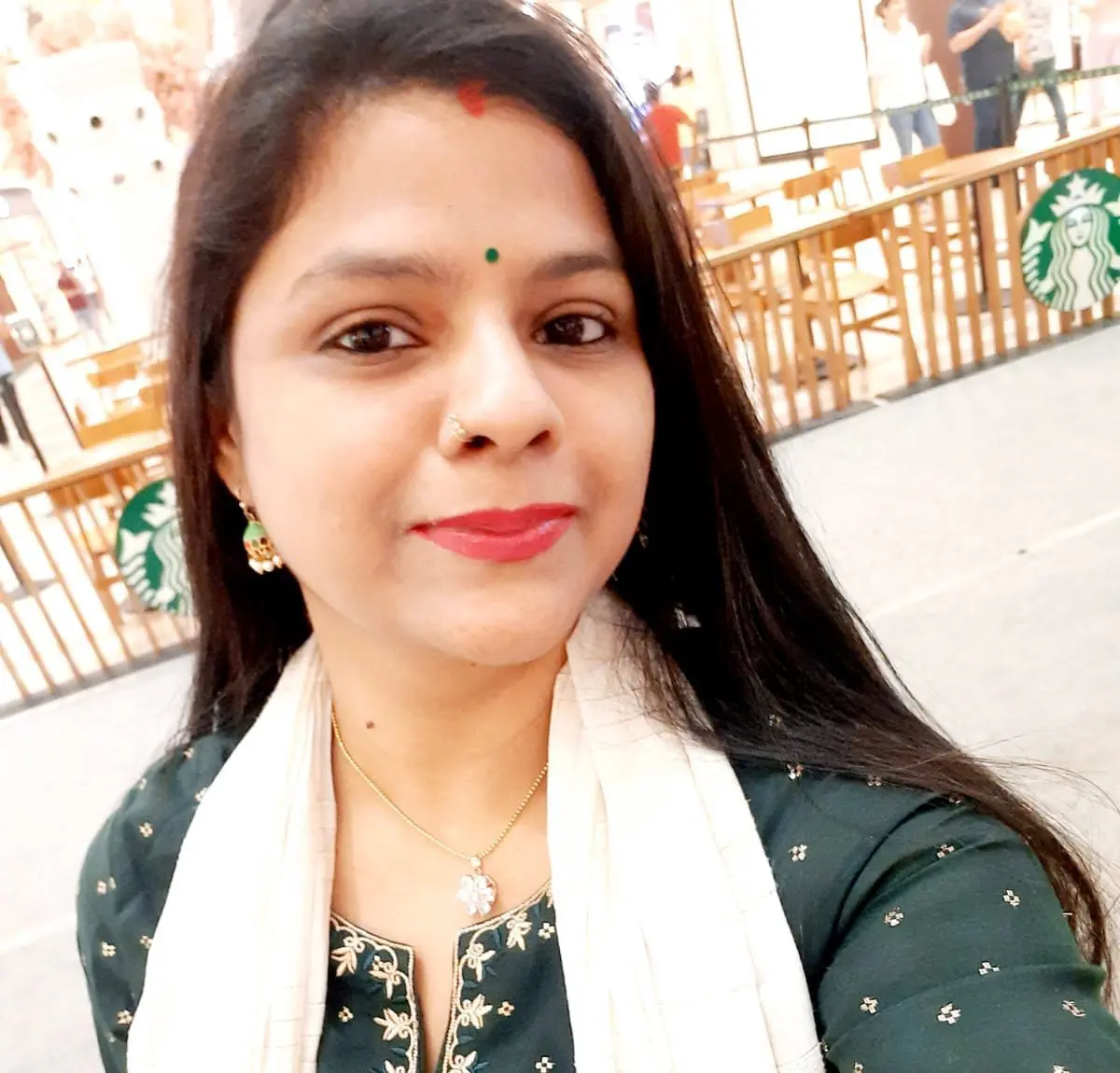
With over 11 years of experience in the publishing industry, Priya Srivastava has become a trusted guide for hundreds of authors navigating the challenging path from manuscript to marketplace. As Editor-in-Chief of Deified Publications, she combines the precision of a publishing professional with the empathy of a mentor who truly understands the fears, hopes, and dreams of both first-time and seasoned writers.