

Quick Answer: Self-publishing can be a rewarding yet challenging journey. Understanding the secrets that editors typically keep hidden can enhance your publishing experience and lead to greater success.
Key Takeaways
- Understanding the self-publishing process is crucial for success.
- Choosing the right editor can significantly impact your book.
- Marketing and distribution are often overlooked but essential.
- A solid manuscript and professional presentation are key to attracting readers.
- Avoid common pitfalls to save time and money.
What is Self-Publishing?
Self-publishing allows authors to take full control of their publishing journey. You’re no longer beholden to traditional publishers, which can be a double-edged sword. While freedom and accessibility are crucial advantages, it also comes with responsibilities like guaranteeing quality and managing marketing.
The Rise of Self-Publishing
In recent years, platforms like Amazon Kindle Direct Publishing and IngramSpark have transformed self-publishing from a niche activity into a mainstream endeavor. Authors across genres are increasingly finding success through this route, leveling the playing field against established publishers.
For instance, consider the journey of Colleen Hoover. She began self-publishing before becoming a bestselling author, proving that determination and a good manuscript can lead to astounding success.
Understanding the Role of an Editor
An editor serves as your book’s first line of defense against quality issues. They help polish your manuscript, ensuring it meets readers’ expectations. There are several types of editors you might work with:
- Developmental Editors: Focus on structure, narrative flow, and pacing.
- Copy Editors: Address grammar, punctuation, and style.
- Proofreaders: Catch final typos and errors before publication.
The Hidden Secrets Editors Don’t Share
Many self-published authors rely heavily on editors for refinements, but what about the underlying strategies or insights they rarely disclose? Here are some insights that can guide your choices:
-
Communication Style Matters: A professional editor’s effectiveness often hinges on their communication style. Be upfront about your preferences during onboarding.
-
Be Prepared for Critiques: Feedback can be tough to digest. Editors aim to retain your voice while enhancing readability, so don’t take critiques personally.
-
Trust Your Instincts: While an editor may suggest changes, remember that you are still the author. Make decisions that align with your vision.
Real-World Example: The Case of a Fiction Author
I once worked with an author named Jessica who was initially disheartened by the extensive edits I suggested on her debut novel. Through our discussions, she learned that structuring the plot more cohesively and clarifying her characters’ motivations would enhance the story.
After implementing these changes, the final product not only met her initial vision but also exceeded its appeal to the target audience. This journey showed her the value of collaborative editing—an often-overlooked aspect that can transform your work.
How to Prepare for Self-Publishing
Preparation is key to a successful self-publishing venture. Here are steps you can take:
-
Assess Your Manuscript: Before engaging editors, ensure your manuscript is in robust shape. Consider beta readers for initial reactions.
-
Set a Budget: Editing, design, and marketing require investment. Allocate funds wisely to avoid overspending.
-
Research Publishing Platforms: Understand the unique features and limitations of different platforms.
-
Develop a Marketing Plan: Create a strategy that includes social media, book trailers, and author websites to increase visibility.
Actionable Checklist for Self-Publishing
Below is a checklist for prospective self-publishers to ensure all essential aspects are covered before launching your book:
- Finalize your manuscript with multiple rounds of editing.
- Research and select a suitable self-publishing platform.
- Build a strong author platform—social media, website, and mailing list.
- Create a marketing plan with clear goals.
- Gather and implement reader feedback through beta readers.
- Ensure all cover designs, layouts, and proofreading are complete.
Common Mistakes & How to Avoid Them
Many self-publishing authors stumble on similar issues. Recognizing them can help you navigate smoother waters.
-
Skipping Editing: The belief that self-edited work is sufficient is a common pitfall. Always engage a professional editor to catch blind spots.
-
Ignoring Metadata: Failing to optimize book titles, descriptions, and categories can hurt book discoverability. Make use of keywords effectively.
-
Neglecting a Marketing Strategy: Many authors publish without a plan. Start your marketing efforts months before your release date.
-
Overlooking Cover Design: Your cover is often the first impression a reader gets. Invest in a professional design that resonates with your genre.
Why Marketing is Essential for Self-Publishing
The marketing game is crucial. Without effective promotion, even the best manuscripts may fade into obscurity. Research shows that roughly 68% of self-published authors who actively market their books sell more than those who don’t.
Building Your Audience
Consider leveraging platforms like Goodreads, Amazon Author Central, and social media. Engage with potential readers through valuable content—not just promotions.
Promotional Strategies
Experiment with various marketing strategies, including:
- Social Media Campaigns: Use targeted ads to attract your audience.
- Book Launch Events: Host virtual or in-person events to generate buzz.
- Email Newsletters: Keep your audience engaged and informed about new releases.
How This Article Was Created
This article is built on a combination of firsthand editorial experiences alongside a review of several credible resources, including articles from the Electronic Publishing Coalition and the Indie Author’s Guide. Time taken for research and writing spanned several weeks to ensure accuracy and comprehensiveness.
FAQs
What is the price range for hiring a professional editor?
The price for editorial services varies widely. You might expect to pay anywhere from $500 to $5000, depending on the type of editing and manuscript length.
What are the benefits of self-publishing over traditional publishing?
Self-publishing offers higher royalty rates, creative control, and a quicker route to market. Authors don’t have to wait for traditional publishing timelines.
How important is cover design?
Cover design is crucial as it creates the first impression. A professional cover can significantly impact sales and credibility among potential readers.
Can I still get traditional publishing after self-publishing?
Yes, many authors transition from self-publishing to traditional publishing. However, it’s vital to demonstrate a solid audience and sales track record.
Is self-publishing free?
While self-publishing can be low-cost, it is rarely free. Budgeting for editing, design, and marketing is essential for quality results.
Conclusion
The self-publishing journey is a nuanced process shaped by both opportunities and challenges. As you reflect on this guide, remember that success is largely determined by your knowledge, preparation, and willingness to adapt. Protect your reading audience while expressing your unique voice. Happy writing!
✅ Updated: October 2025.
📚 Loved this article?
Join our community of readers & writers!
Subscribe to our YouTube channel for author tips, book insights, and publishing secrets.
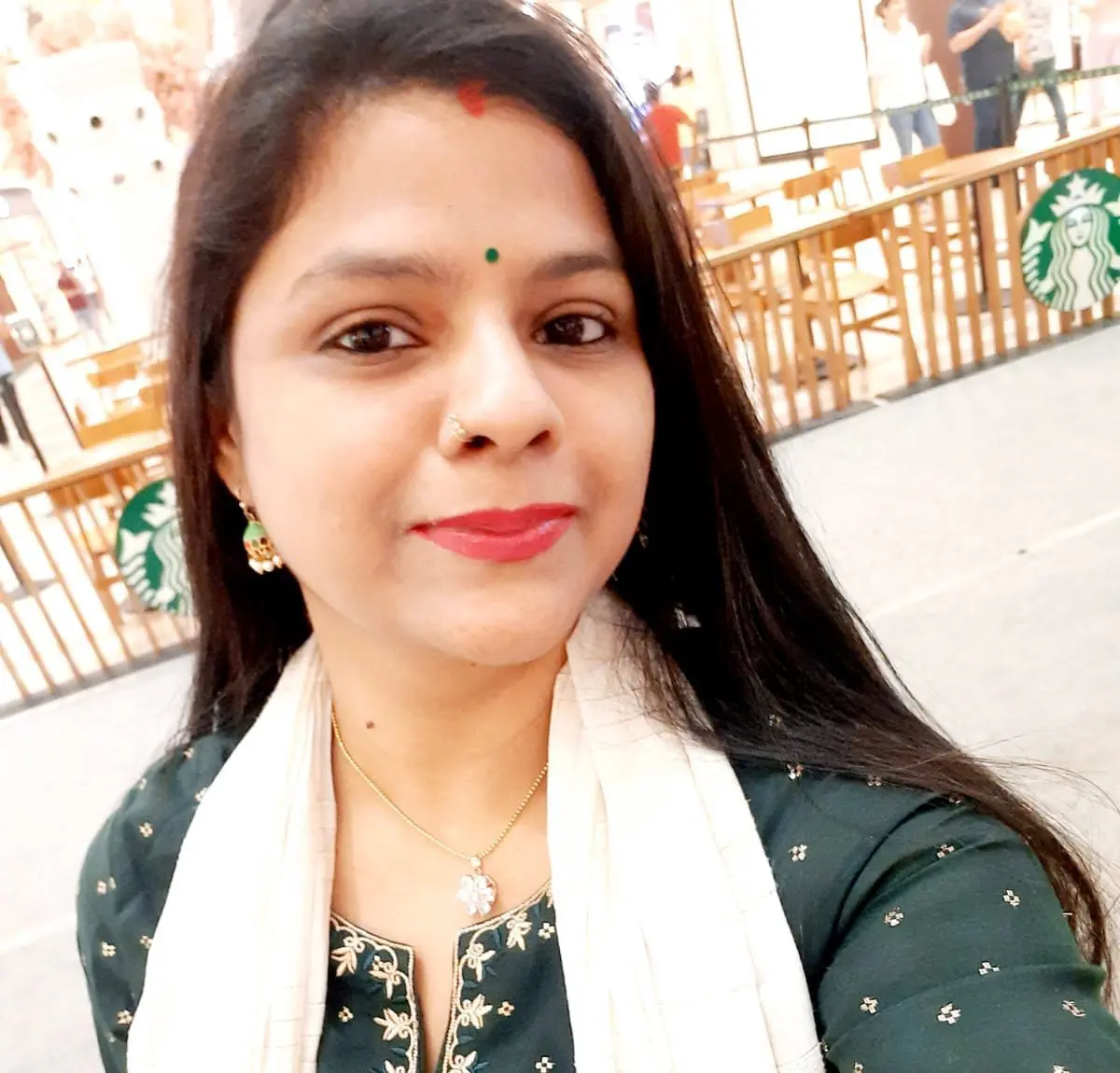
With over 11 years of experience in the publishing industry, Priya Srivastava has become a trusted guide for hundreds of authors navigating the challenging path from manuscript to marketplace. As Editor-in-Chief of Deified Publications, she combines the precision of a publishing professional with the empathy of a mentor who truly understands the fears, hopes, and dreams of both first-time and seasoned writers.