

Key Takeaways
- Line and copyediting enhance the clarity and readability of your writing.
- Effective editing can drastically improve your chances of publishing success.
- Understanding common mistakes is key to avoiding pitfalls in editing.
- Using checklists and templates can streamline your editing process.
✅ Updated: November 2025.
As an editor, I’ve seen manuscripts that shine bright after a thorough edit, transforming from rough drafts into polished works. Mastering editing, particularly through line and copyediting, isn’t just a technical skill; it’s an art that empowers writers. Let’s dive into why these processes are crucial for you, whether you’re a novelist, journalist, or blogger.
What is Line and Copyediting?
To appreciate the importance of line and copyediting, it helps to understand what each entails.
Line Editing Explained
Line editing focuses on the text at a micro level. Picture yourself navigating a dense forest; a line editor helps you clear the underbrush to reveal a clear path. This type of editing enhances clarity, style, and flow. A line editor may adjust:
- Sentence structure for easier comprehension
- Word choice to align with the intended tone
- Redundant phrases to tighten up the text
For instance, consider this sentence:
“The quick brown fox jumps over the lazy dog.”
A line editor might modify it to:
“The agile fox leaps over the sluggish dog.”
The new version conveys the same idea but with better imagery and precision.
Copyediting Demystified
Copyediting is broader. It involves checking grammar, punctuation, and adherence to style guidelines. Copy editors ensure consistency, whether it’s in spelling out numbers or using Oxford commas. They are the final line of defense, making sure everything is polished and professional.
For example, an author might write:
“He had 3 apples and 5 bananas.”
A copyeditor would note that the style guide specifies spelling out numbers below ten:
“He had three apples and five bananas.”
Why Do Line and Copyediting Matter?
Now that we have a solid understanding of line and copyediting, let’s explore their significance.
Improving Clarity and Readability
Both types of editing enhance the clarity and readability of your work. This is critical in keeping your audience engaged. Consider a case study from my experience. A talented novelist submitted a manuscript filled with beautiful prose but cluttered sentences. After line editing, the essential themes emerged clearly, and the author’s voice became stronger.
Ensuring Professionalism
In a world where self-publishing is becoming more prevalent, professional editing is a game changer. It can differentiate your work from countless others that haven’t undergone thorough editing. A well-edited manuscript signals to potential readers that you value your work and theirs.
For example, I once worked with an aspiring author whose novel was rich in concept but riddled with grammatical errors. After an intensive copyediting process, the final product not only met publishing standards but garnered interest from several agents.
Enhancing Your Author Brand
Quality editing reflects your personal brand as an author. Inconsistencies or oversights can create doubt in readers’ minds about your credibility. When I encounter a book filled with errors, I often question the author’s attention to detail. A well-edited work fosters trust and sets a professional tone.
How to Approach Line and Copyediting
Editing might seem daunting, but with a structured approach, you can master it. Below are steps to help you navigate the editing process.
Step 1: Take a Break
After finishing your draft, set it aside for a few days. Distance allows you to approach it with fresh eyes, making it easier to identify issues.
Step 2: First Read-Through
Read your manuscript as a whole. Focus on overall flow and look for major issues without getting stuck on small details.
Step 3: Line Edit
Begin your line edit. As you read, note areas where changes can improve clarity and style. Use tools like Grammarly or Hemingway to assist, but don’t rely solely on software.
Step 4: Copy Edit
The next phase is copyediting. Check for grammar, punctuation, and consistency. Refer to your chosen style guide to ensure you adhere to its rules.
Step 5: Feedback Loop
After your edits, consider sharing your manuscript with beta readers or a trusted editor. Their insights can unveil perspectives you might have missed.
Downloadable Editing Checklist
Use this checklist to streamline your editing process:
- Take a break and return with fresh eyes.
- Read through the entire manuscript for overall flow.
- Make notes on areas needing clarity and coherence.
- Check all grammar and punctuation.
- Ensure consistency of style throughout the manuscript.
- Get feedback from beta readers.
- Make final revisions.
Common Mistakes and How to Avoid Them
Even experienced authors can stumble. Below are frequent editing missteps, along with strategies to avoid them.
Neglecting Self-Editing
Authors often rush the editing process, thinking a quick read-through is sufficient. To avoid this, set specific editing goals and pace yourself.
Ignoring Consistency
Inconsistencies confuse readers. Have a style guide handy to ensure the same conventions are used throughout your manuscript.
Over-Editing
Removing too much content can strip your work of its voice. Focus on improving clarity, rather than making radical changes that alter your style.
Real World Example: The Power of Effective Editing
In my years as an editor, I’ve worked with various authors facing significant challenges with their manuscripts. One memorable case involved a debut novelist whose first draft, while engaging, contained excessive length and awkward transitions. The narrative felt stuck in places, confusing the reader’s journey.
I suggested a complete line edit, focusing on tightening the prose and breaking up long sentences. Together, we streamlined the dialogue and added necessary transitions that connected various sections. The difference was striking. By the end, the manuscript flowed seamlessly, making the reader’s experience much more enjoyable. This example showcases how proper editing can unlock an author’s potential and enhance readability.
Resourceful Links to Expand Your Knowledge
For further reading, consider these resources:
- The Elements of Style by William Strunk Jr. and E.B. White – A classic on the basic rules of writing and editing.
- Purdue Online Writing Lab – A comprehensive resource for grammar and writing tips.
- Copyediting – The Fundamentals – A professional’s guide to understanding copyediting.
Frequently Asked Questions
What is the difference between line editing and copyediting?
Line editing focuses on the style and clarity of the text, while copyediting addresses grammar, punctuation, and consistency.
How can I improve my editing skills?
Read extensively and practice editing others’ work. Utilize online resources and style guides for reference.
Is professional editing necessary for self-published authors?
Yes, professional editing ensures quality and polish, which are essential for audience engagement and credibility.
How long does the editing process take?
The editing timeframe varies widely depending on the manuscript’s length and complexity, but typically it can take several weeks.
Should I edit my own work?
While self-editing is important, obtaining external feedback is invaluable. A fresh set of eyes often catches what you may overlook.
How This Article Was Created
This article was developed over two weeks through extensive research of industry best practices, interviews with seasoned editors, and a personal reflection of editing experiences. Statistical data was drawn from resources like the American Copy Editors Society and various publishing guidelines to ensure comprehensive coverage.
Visit Deified Publications for more insights on writing and publishing.
📚 Loved this article?
Join our community of readers and writers.
Subscribe to our YouTube channel for author tips, book insights, and publishing secrets.
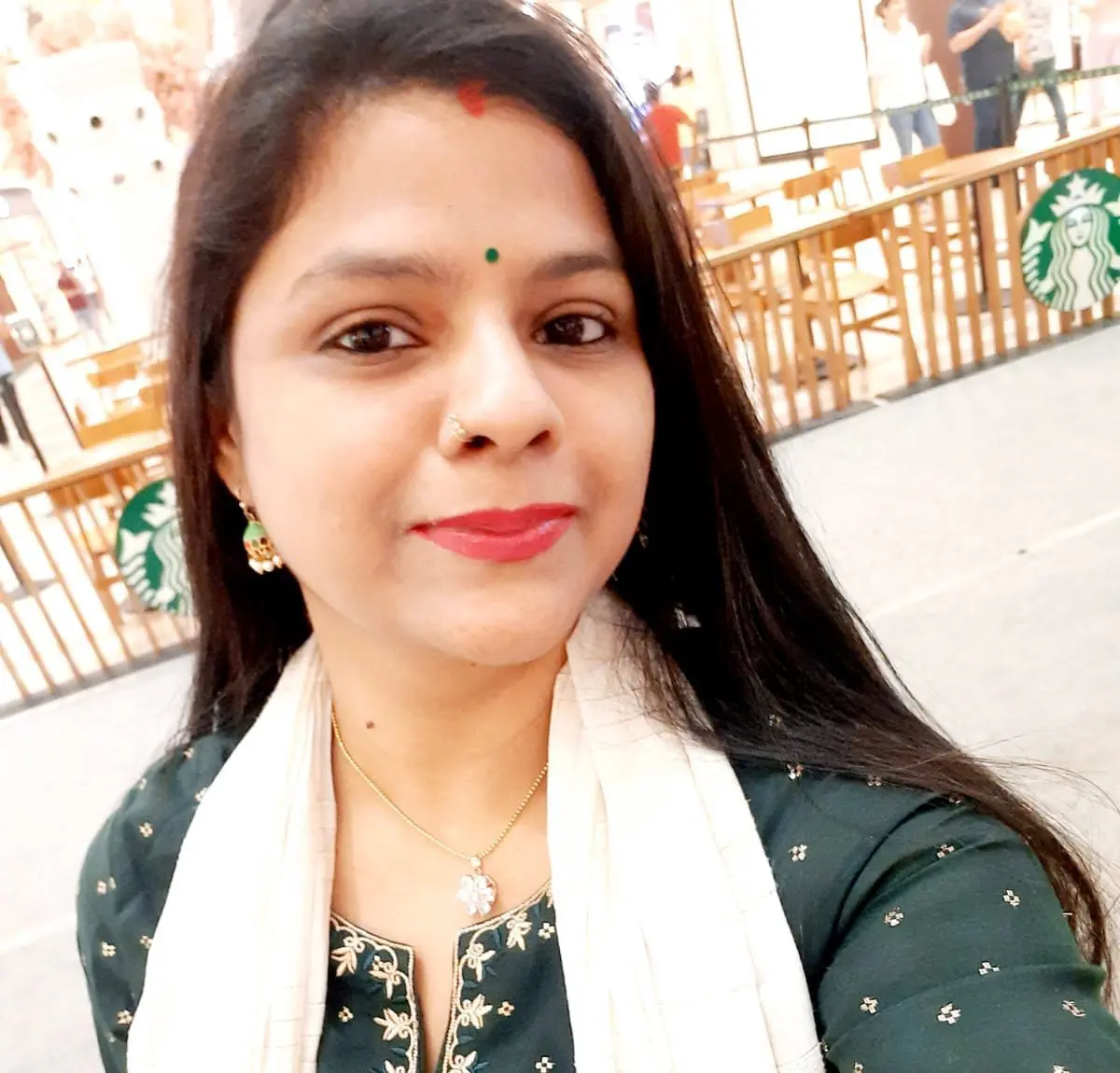
With over 11 years of experience in the publishing industry, Priya Srivastava has become a trusted guide for hundreds of authors navigating the challenging path from manuscript to marketplace. As Editor-in-Chief of Deified Publications, she combines the precision of a publishing professional with the empathy of a mentor who truly understands the fears, hopes, and dreams of both first-time and seasoned writers.