

Quick Answer: To craft compelling queries, understand the publication’s needs, personalize your pitch, and showcase your unique voice and story. Aim for clarity and engagement.
✅ Updated: December 2025.
Key Takeaways
- Understand the target publication deeply.
- Personalize each query to the editor.
- Showcase your unique voice and angle.
- Keep it concise and engaging.
- Follow up thoughtfully and professionally.
Understanding the Importance of Queries
Crafting queries that captivate is an essential skill for writers seeking publication. A query is your first line of communication with an editor or publication, acting as your pitch and invitation for consideration.
When I started my journey in publishing, I learned that a strong query could mean the difference between acceptance and rejection. I remember one time when I submitted a query about cultural nuances in storytelling. It didn’t just get accepted; it spurred a larger conversation on representation in literature.
What Is a Query Letter?
A query letter is a brief message sent to an editor that outlines your article idea. It typically includes:
- A hook that grabs attention.
- A summary of your article’s main points.
- Your credentials or relevant experience.
- Why the piece is a good fit for the publication.
Most importantly, it is not just a formality; it is a strategic tool. Understanding its anatomy is the key to mastering the art of querying.
Why Are Queries Important?
Queries are important because they set the stage for a writer-editor relationship. A well-crafted query can lead to:
- A positive professional rapport.
- Opportunities for regular contributions.
- The realization of personal creative projects.
A captivating query does more than showcase your idea; it conveys your genuine passion and respect for the editorial process.
How to Craft an Effective Query
Let’s dive into the practical aspects of crafting queries. Here’s a step-by-step guide to help you effectively communicate your thoughts to editors.
1. Research Your Publication
Understand the Audience
Before even drafting your query, thoroughly research the publication. Read at least five articles to grasp their tone, style, and audience expectations.
Know the Guidelines
Every publication has specific query guidelines, whether it’s word count, tone, or submission methods. Adhering to these guidelines is non-negotiable.
2. Start with a Compelling Hook
The first few sentences of your query should captivate. This is your chance to draw in the editor.
For instance, consider starting with a personal story or a shocking statistic related to your topic. For example, if you’re pitching an article on urban gardening, you might start with, “Did you know that urban gardening can increase local biodiversity by up to 40%? In my recent experience cultivating greens amidst concrete, I discovered…”
3. Outline Your Main Ideas
Be Concise
When outlining your article’s main ideas, be succinct. Use bullet points if necessary to make it easier for editors to digest your information quickly.
Offer a Unique Angle
What makes your piece unique? In today’s crowded publishing landscape, identifying your angle is crucial. This could be a fresh perspective, a new study, or a personal experience that ties into the larger theme.
4. Convey Your Credentials
Share your background and why you’re the best person to write this piece. This could include previous publications, academic qualifications, or unique experiences related to the topic.
5. Propose Why the Piece Fits
Articulate why this piece is a good fit for the publication. Reference recent articles or themes the publication has explored that relate closely to your suggested piece.
6. Closing the Query
Finish your query by inviting the editor to discuss the piece further. A simple line, “I look forward to your thoughts on this idea,” can encourage a dialogue.
Common Mistakes and How to Avoid Them
Creating effective queries is a skill honed over time. Here are some common pitfalls and how to avoid them.
Mistake 1: Generic Queries
Sending the same template to multiple editors signals a lack of interest.
How to Avoid: Personalize each query by referencing the publication’s specific features.
Mistake 2: Lack of Clarity
Overly complex pitches can confuse editors.
How to Avoid: Ensure your main points are clear and straightforward.
Mistake 3: Ignoring Guidelines
Disregarding the publication’s submission guidelines can lead to immediate rejection.
How to Avoid: Double-check all guidelines before sending your query.
Mistake 4: Failure to Follow Up
Neglecting to follow up after a week or two can mean missed opportunities.
How to Avoid: Send a polite follow-up email to inquire about the status.
Real World Example
Many years ago, I had an aspiring writer named Sahil approach me with his query about the future of renewable energy in India. He focused on local initiatives and grassroots movements, which had not been extensively covered. By showcasing his unique community ties and a powerful case study, he crafted a query that was both timely and relevant.
After submitting, he followed up after two weeks, demonstrating his keen interest in the process. The publication accepted his article, which ultimately led to a successful freelance writing career for him. This underlines that well-prepared queries don’t just open doors; they can completely change your writing journey.
Downloadable Checklist
For your convenience, here’s a checklist to assist you in crafting your queries:
- Research the publication thoroughly.
- Understand the guidelines and audience.
- Write a compelling hook.
- Outline main points clearly.
- Promote your credentials.
- Make a case for publication fit.
- Invite further discussion.
- Proofread your query before sending.
- Follow up if necessary.
Frequently Asked Questions
What is a query letter?
A query letter is a concise pitch to an editor about your article idea, outlining the premise, main points, and your credentials for writing the piece.
How long should a query letter be?
A query letter should be one page long, typically between 300 to 400 words, offering enough detail while remaining engaging and concise.
Can I send the same query to multiple publications?
Yes, but make sure to personalize each query and follow each publication’s submission guidelines regarding simultaneous submissions.
What happens if I don’t hear back from an editor?
If you don’t receive a response in a few weeks, it’s appropriate to send a brief follow-up email to check the status of your query.
How important is it to follow up on a query?
Following up is essential as it shows interest and commitment. It may also prompt a faster response from the editor.
How This Article Was Created
This article was compiled using a combination of personal anecdotes, experiences in editorial roles, and insights from interviews with successful authors. I also consulted reliable industry resources that detail effective querying practices.
Conclusion
Crafting queries that captivate can be a transformative skill for any writer. By following the guidelines established in this article, you can enhance your chances of capturing an editor’s interest and successfully publishing your ideas.
As you embark on your querying journey, remember to stay authentic and true to your voice. The most compelling queries come from a place of genuine passion and respect for the craft.
📚 Loved this article?
Join our community of readers and writers.
Subscribe to our YouTube channel for author tips, book insights, and publishing secrets.
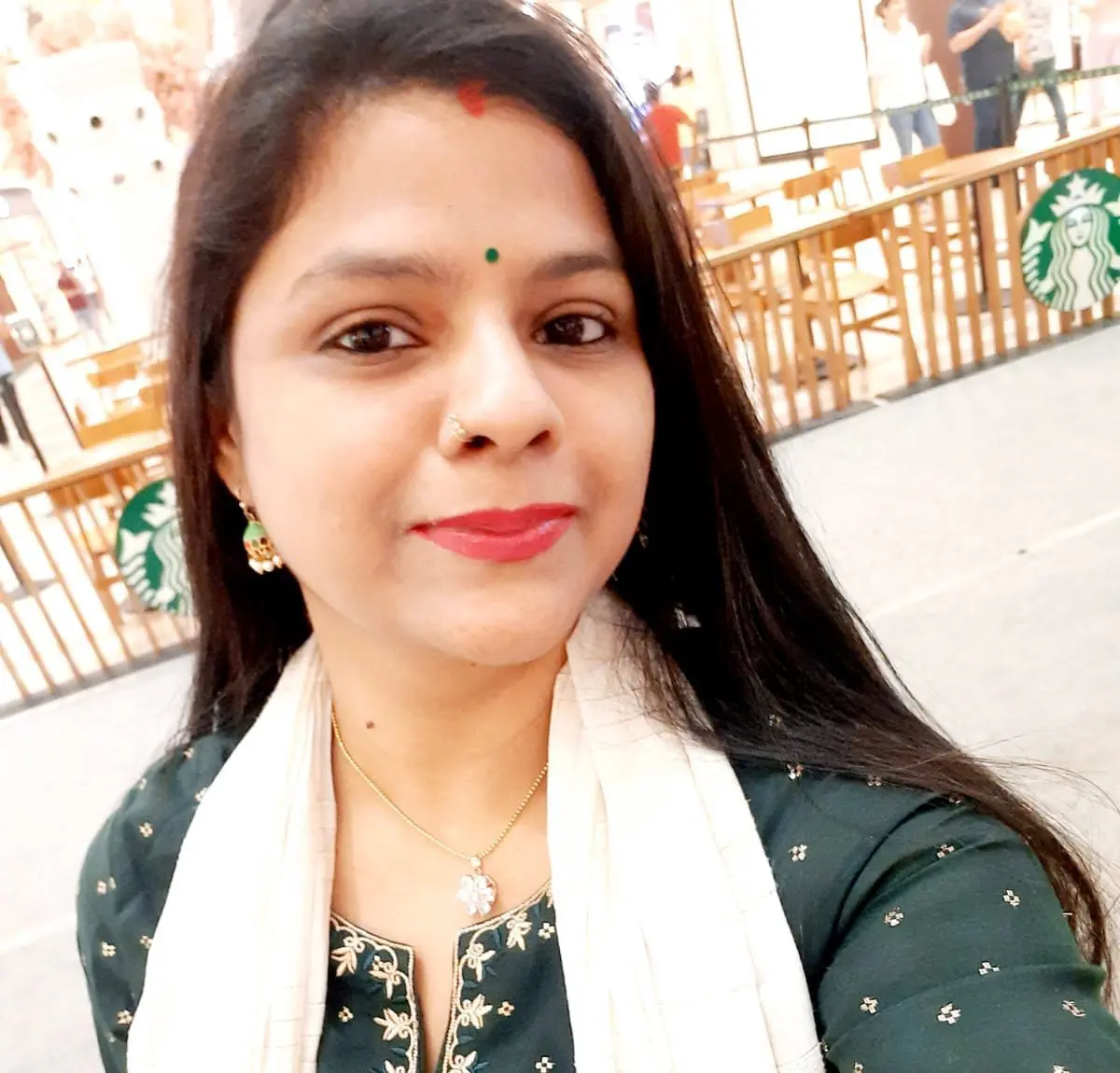
With over 11 years of experience in the publishing industry, Priya Srivastava has become a trusted guide for hundreds of authors navigating the challenging path from manuscript to marketplace. As Editor-in-Chief of Deified Publications, she combines the precision of a publishing professional with the empathy of a mentor who truly understands the fears, hopes, and dreams of both first-time and seasoned writers.