

Quick Answer
Publishing a book in India can feel daunting, but with the right roadmap, you can navigate the journey confidently. From ideation to final print, this guide provides you with actionable steps to turn your dream into reality.
Key Takeaways
- Understand the publishing landscape in India.
- Learn effective writing and editing techniques.
- Know the differences between traditional and self-publishing.
- Explore marketing strategies to successfully launch your book.
- Identify common pitfalls and how to overcome them.
Understanding the Publishing Landscape in India
India’s publishing industry has seen remarkable growth in recent years. With the rise of digital platforms and self-publishing options, aspiring authors now have more opportunities than ever. However, it’s essential to understand the landscape before diving in.
What Are the Main Types of Publishing?
In India, the two primary forms of publishing are:
- Traditional Publishing: Involves a publishing house taking on your manuscript, providing editorial support, and handling marketing and distribution.
- Self-Publishing: You manage the process yourself, including editing, design, and marketing, often using platforms like Amazon Kindle Direct Publishing.
Why Choose Self-Publishing?
Self-publishing allows for greater creative control and quicker release times. Here are some reasons why many authors opt for this route:
- Ownership: You maintain full control over your work.
- Faster Process: The timeline from manuscript to publication can be significantly shorter.
- Direct Royalties: You keep a larger percentage of sales compared to traditional publishing contracts.
How to Write Your Book with Intention
Writing a book is more than just putting words on a page; it requires planning and strategy. Here’s how to approach it:
1. Define Your Target Audience
Understanding who will read your book is crucial. Consider the following:
- Demographics (age, gender, location)
- Interests and preferences
- Reading habits and genres they enjoy
2. Create an Outline
An outline serves as a roadmap, helping you organize your thoughts and maintain focus. Start with key themes, chapter titles, and bullet points for major events or arguments.
3. Set a Writing Schedule
Dedicate specific times for writing each week. Consistency helps build momentum. Try this simple framework:
- Write for 30 minutes each day.
- Set weekly word count goals.
Editing: The Heart of Publishing
Once your draft is complete, editing is your next big step. A polished manuscript is essential for professional presentation.
Why Editing Is Important
It enhances clarity, consistency, and overall engagement. Here are stages of editing to consider:
- Self-Editing: Read through your work multiple times to catch glaring errors.
- Peer Review: Have a trusted friend or colleague read it for feedback.
- Professional Editing: Hire an editor for comprehensive feedback.
Publishing Your Book: Traditional vs. Self-Publishing
Deciding which publishing route to take can be challenging. Let’s explore the essential aspects of each.
| Aspect | Traditional Publishing | Self-Publishing |
|---|---|---|
| Creative Control | Limited | Full |
| Upfront Costs | Usually zero | Varies |
| Timeline | Long | Short |
| Marketing Support | Provided | Self-driven |
Steps for Traditional Publishing
Here’s how to navigate this path if it’s your chosen route:
- Research publishers that align with your genre.
- Prepare a strong query letter and manuscript sample.
- Submit and wait for feedback.
Steps for Self-Publishing
If self-publishing is your route, follow these steps:
- Select a self-publishing platform.
- Format your manuscript according to platform specifications.
- Design an attractive cover using tools like Canva or hire a designer.
Marketing Your Book: Strategies for Success
Once your book is published, it’s time to get it into readers’ hands.
Building an Online Presence
Your author platform starts here:
- Create an engaging website.
- Use social media to connect with readers.
- Consider blogging about your writing journey.
Getting Reviews and Feedback
Positive reviews can greatly enhance visibility:
- Reach out to book bloggers and reviewers.
- Utilize platforms like Goodreads for reader engagement.
Common Mistakes & How to Avoid Them
Understanding what can go wrong is just as important as knowing the path. Here are common pitfalls:
- Neglecting the Editing Stage: Rushing through editing can ruin the final product.
- Poor Marketing Efforts: Failing to promote your book can limit its visibility.
- Ignoring Formatting: A poorly formatted book can turn readers away.
Real-World Example
Let’s take a look at the journey of Anika Sharma, who self-published her debut novel last year. Anika allocated six months to drafting and another two for editing. She chose to self-publish on Amazon, providing her with full control over the entire process. Within the first month of launch, her strategic use of social media garnered over 1,000 downloads, showcasing what targeted marketing efforts can achieve.
Checklist: Steps to Publishing Your Book
Use this checklist to stay on track during your publishing journey:
- Define your target audience.
- Create a detailed outline.
- Set writing goals and schedule.
- Edit your manuscript multiple times.
- Decide on traditional or self-publishing.
- Develop a marketing strategy.
- Launch your book and follow up on sales.
Frequently Asked Questions
What should I include in a query letter?
A query letter should include a brief summary of your book, your credentials, and why you’re approaching that particular publisher or agent.
How do I choose a self-publishing platform?
Research features, royalty rates, and marketing tools offered by platforms like Amazon, IngramSpark, or Draft2Digital before deciding.
Is it necessary to hire a professional editor?
While not mandatory, hiring a professional editor can enhance the quality of your manuscript and significantly improve its chances in the marketplace.
How do I market my self-published book?
Utilize social media, author blogs, and book review platforms to create buzz. Engage with readers to build a community around your book.
What is the typical timeline for publishing a book?
The timeline varies widely; traditional publishing can take 1-2 years, while self-publishing can take a few months depending on your pace.
How This Article Was Created
This article draws on extensive research from numerous reliable sources in the publishing field as well as insights gained from editorial experience. The aim is to provide actionable advice for aspiring authors navigating the ever-evolving landscape of book publishing in India.
Conclusion
Publishing a book can indeed be a daunting task, but understanding the landscape and knowing your options can empower you to navigate your unique journey with confidence. Whether you pursue traditional publishing or self-publishing, the keys to your success lie in diligent planning, effective marketing, and a commitment to quality. Remember, every author starts somewhere—begin crafting your dream today.
✅ Updated: September 2025.
📚 Loved this article?
Join our community of readers & writers!
Subscribe to our YouTube channel for author tips, book insights, and publishing secrets.
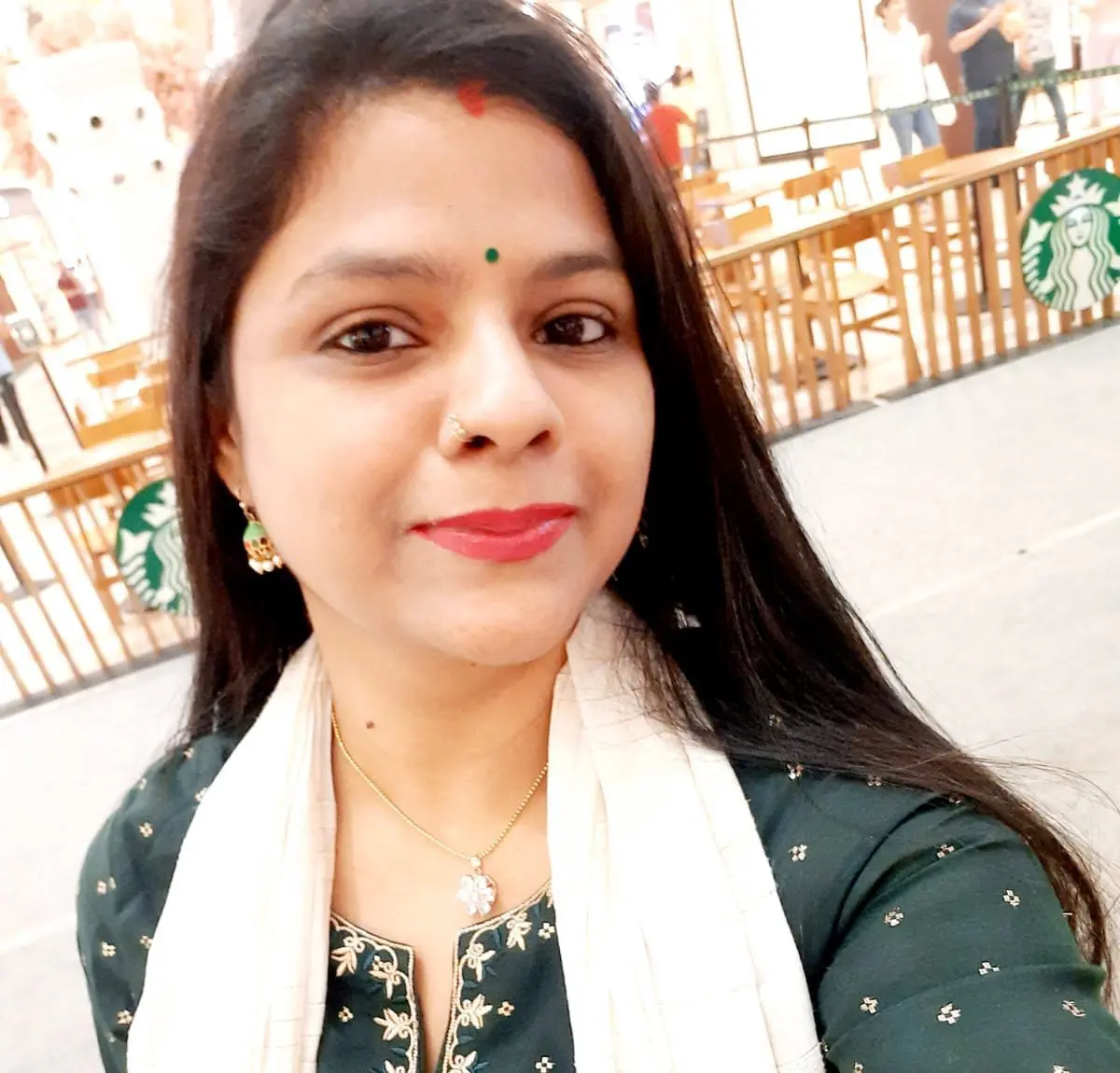
With over 11 years of experience in the publishing industry, Priya Srivastava has become a trusted guide for hundreds of authors navigating the challenging path from manuscript to marketplace. As Editor-in-Chief of Deified Publications, she combines the precision of a publishing professional with the empathy of a mentor who truly understands the fears, hopes, and dreams of both first-time and seasoned writers.