

Key Takeaways
- Traditional publishing provides structured support and lower royalties.
- Self-publishing offers higher potential royalties but requires extensive marketing.
- Understanding hidden royalties and costs is crucial in both pathways.
✅ Updated: October 2025
Introduction
Embarking on the journey of publishing a book is exciting yet daunting. As you stand at the crossroads of traditional and self-publishing, it’s easy to feel overwhelmed. Each path comes with distinct advantages and challenges—especially concerning royalties, which can often be less transparent than you’d expect. However, understanding these implications can empower you as an author, guiding you toward a chosen route that aligns with your goals.
Let’s break down the essence of traditional versus self-publishing, focusing on hidden royalties that can influence your earnings and overall experience.
What is Traditional Publishing?
Traditional publishing involves submitting your manuscript to established publishing houses. Here’s what you need to know:
- Structure: A team of professionals handles editing, design, marketing, and distribution.
- Advances: Publishers often provide an advance payment against future royalties.
- Royalties: Typically, authors receive royalties ranging from 5% to 15% of the book’s sale price.
The Process
To get started with traditional publishing:
- Write a compelling query letter or proposal.
- Submit your manuscript to literary agents or publishing houses.
- Enter negotiations once you receive an offer.
Example: Consider the journey of author Maya Angelou, whose traditional publishing experience with Random House involved substantial editorial support, translating into best-selling acclaim.
What is Self-Publishing?
Self-publishing allows you to publish your work directly without intermediaries, giving you full control over every aspect of your book lifecycle.
- Full Ownership: You retain 100% of the rights to your work.
- Higher Royalties: Authors can earn between 60% to 80% of sales through platforms like Amazon Kindle Direct Publishing.
- DIY Approach: You manage all aspects, such as design and marketing.
Taking the Plunge
Steps to success in self-publishing include:
- Editing your manuscript, possibly hiring freelance editors.
- Designing attractive cover art and formatting your book.
- Marketing through social media, email lists, and promotional campaigns.
Real-World Example: Amanda Hocking famously chose self-publishing and became a millionaire within a year because of her savvy marketing techniques.
Comparative Table: Traditional vs. Self-Publishing
| Feature | Traditional Publishing | Self-Publishing |
|---|---|---|
| Control | Limited | Full control |
| Advance Payment | Usually provided | None |
| Royalties | 5% – 15% | 60% – 80% |
| Marketing Support | Provided | Self-managed |
| Time to Market | Longer (1-2 years) | Shorter (weeks to months) |
Hidden Royalties: What to Look Out For
Both traditional and self-publishing present hidden costs that can impact your bottom line. Here’s what you should consider.
Traditional Publishing
- High Editorial Costs: Often, authors may be required to pay for additional edits or services even after the initial contract.
- Mysterious Royalties: The calculations behind your royalties might not be clear—be sure to request specific details about how sales figures are derived.
- Limited Market Reach: Major publishers push titles depending on perceived marketability, even if your book is well-crafted.
Self-Publishing
- Upfront Costs: You might need to cover design, editing, and marketing out of pocket, which can be substantial.
- Distribution Fees: Platforms like Amazon take a chunk of your earnings, and additional costs for printing (if opting for physical copies) can add up.
- Marketing Budgets: Money spent on promoting your book may lead to diminished returns if not strategically invested.
Common Mistakes & How to Avoid Them
In the journey of becoming a published author, mistakes can arise whether you choose the traditional or self-publishing route. Here are common pitfalls to avoid:
- Not Understanding Contracts: Ensure you read the fine print. Contracts can vary significantly and may include clauses that restrict your rights.
- Overlooking Marketing: In self-publishing, it’s crucial to invest in marketing strategies. Don’t wait until after publication to start promoting your book.
- Skipping Professional Help: Authors often underestimate the value of hiring editors and designers, leading to a product that could be perceived as amateurish.
Downloadable Checklist
To give you a leg up, here’s a checklist for navigating your publishing journey:
- Identify your goals and preferred publishing route.
- Write a compelling query letter or draft your self-publishing plan.
- Research potential publishers or self-publishing platforms.
- Budget for all hidden costs, including marketing and design.
- Consider your marketing strategy from launch day onward.
FAQ
What are the typical royalty rates for traditional publishing?
Authors generally receive royalties between 5% and 15% from traditional publishers, often based on the book’s sale price.
How do self-publishers earn higher royalties?
Self-publishing allows authors to earn between 60% to 80% of the sale price, as they don’t share profits with publishing houses.
How long does it take to publish a book traditionally?
The timeline can vary but typically ranges from 1 to 2 years, depending on the publisher’s schedule.
What are common hidden costs in self-publishing?
Self-publishing costs can include editing, cover design, distribution fees, and marketing expenses.
Can I switch from traditional to self-publishing?
Yes, many authors switch after experiencing limitations or frustrations with traditional publishing commitments.
How This Article Was Created
This article draws from extensive personal experience and research spanning several credible publishing industry sources, including the New York Times bestsellers list and insights from established independent authors.
Conclusion
Understanding the nuances between traditional and self-publishing is key to achieving your publishing goals. By grasping the hidden royalties and costs associated with each pathway, you equip yourself not only with the knowledge needed to succeed but also the confidence to make informed decisions. So whether you choose to partner with a traditional publisher or take the reins into self-publishing, let the insights here guide you towards a rewarding author journey.
📚 Loved this article?
Join our community of readers & writers!
Subscribe to our YouTube channel for author tips, book insights, and publishing secrets.
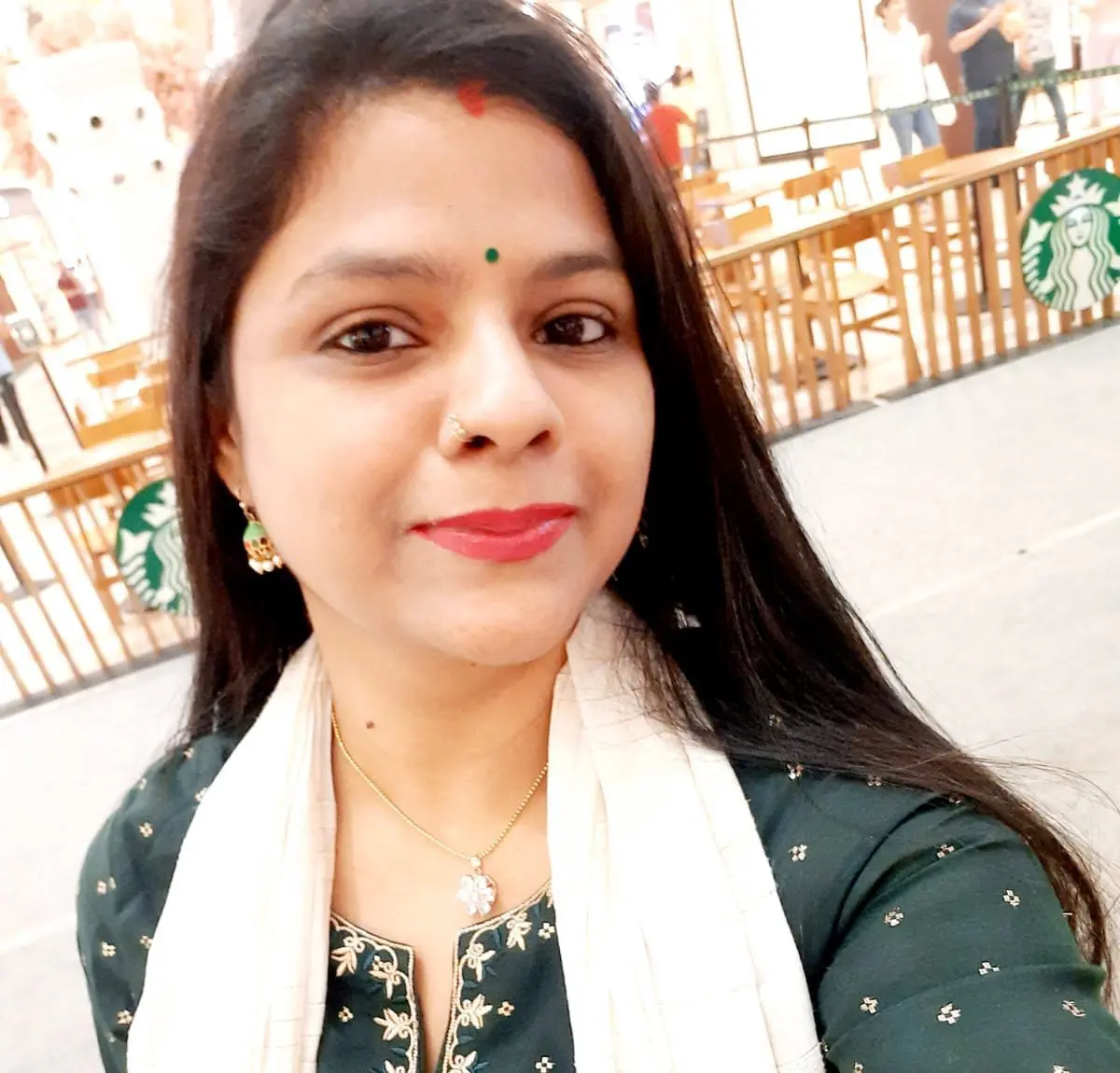
With over 11 years of experience in the publishing industry, Priya Srivastava has become a trusted guide for hundreds of authors navigating the challenging path from manuscript to marketplace. As Editor-in-Chief of Deified Publications, she combines the precision of a publishing professional with the empathy of a mentor who truly understands the fears, hopes, and dreams of both first-time and seasoned writers.