
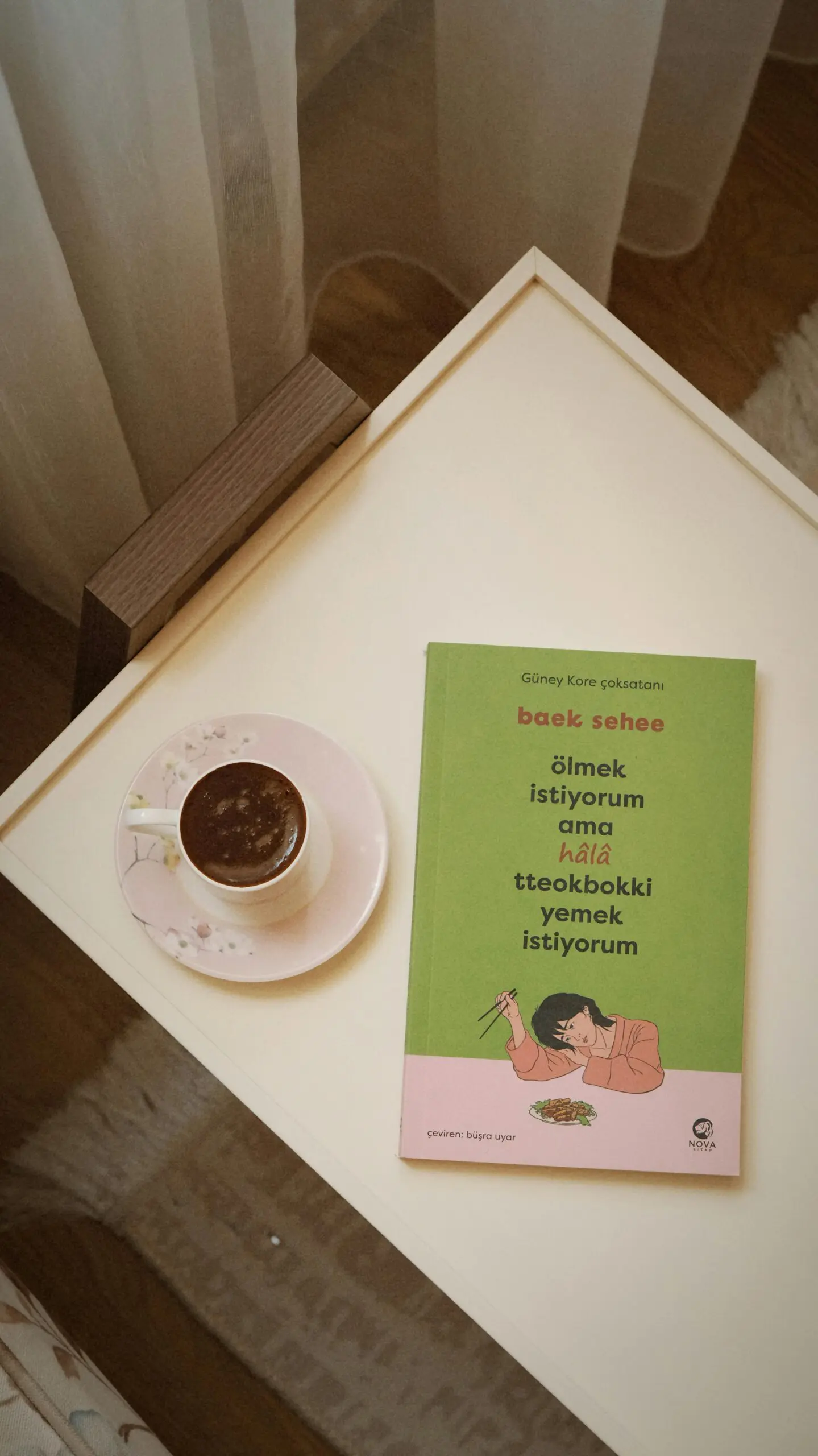
Transform Your Manuscript: Secrets Editors Wish You Knew
There’s nothing quite like the thrill of crafting a manuscript. You pour your heart into it, each word channeling your experiences, dreams, and ideas. Yet, the moment you hit “send” on that draft can also bring a wave of anxiety. Will it resonate? Will it captivate? As a seasoned mentor who has wrestled with this myself, I want to share with you some powerful secrets that editors wish every author knew. These insights can help you not only refine your manuscript but also elevate it towards publication.
Understanding Your Audience
Before we delve into the nitty-gritty of editing, let me share a quick story. I once wrote a series of short stories, pouring my soul into every plot twist and character development. I assumed readers would appreciate my depth. However, feedback showed that I’d lost their attention midway. The lesson? Your audience must be your guiding compass. Understanding who they are can significantly shape your manuscript.
Defining Your Target Reader
Who is your ideal reader? Here’s a practical framework:
- Demographics: Age, gender, location, and education level.
- Interests: What are their hobbies? What can resonate with their lifestyle?
- Reading Preferences: Which genres do they enjoy? Do they prefer character-driven stories or plot-heavy narratives?
Researching Your Audience
Once you’ve identified your audience, jump into research. Use platforms like Goodreads or social media groups relevant to your genre. Engaging with these communities will throw light on their preferences and expectations.
The Power of Strong Openings
First impressions are everything. Often, the opening lines of your manuscript can make or break a reader’s interest. Editors frequently note that the first few paragraphs are crucial in determining whether they will continue reading.
Crafting an Engaging Hook
Consider the following components when writing your opening:
- Start with Action: Jump straight into a scene that’s dynamic and intriguing.
- Pose a Provocative Question: Engage readers’ curiosity immediately.
- Use Vivid Imagery: Paint a picture that invites them into your world.
Show, Don’t Tell
Every writer, including myself, has fallen into the trap of telling rather than showing. This common pitfall can alienate readers. As a seasoned editor, I can attest that engaging storytelling is about eliciting emotions through immersive experiences.
Strategies to Show More
Here are some tried-and-true methods:
- Use Sensory Details: Describe how things look, sound, smell, taste, and feel.
- Dialogue: Show your characters’ personalities through their words and mannerisms.
- Internal Thoughts: Share your character’s thoughts to reveal their motivations.
Editing Like a Pro
Once the initial draft is out, the real challenge begins. Many authors mistakenly believe their manuscript is complete at this stage. Editing is where your work evolves from raw potential to polished brilliance.
Best Editing Practices
Here’s a checklist to guide your editing journey:
- Take a Break: Step away from your manuscript for a few days to regain fresh perspective.
- Read Aloud: Hearing your words can reveal awkward phrasing and errors.
- Focus on Structure: Ensure each chapter has a clear purpose and leads to the next.
- Cut Unnecessary Words: Aim for clarity and brevity, avoiding fluff and filler.
- Seek Feedback: Share your manuscript with trusted beta readers whose judgment you value.
Understanding Common Industry Standards
While every manuscript is unique, adhering to certain industry standards can set you apart. Here’s a quick overview:
| Element | Industry Standard |
|---|---|
| Font | Times New Roman, 12pt |
| Spacing | Double-spaced |
| Margins | 1-inch on all sides |
| Word Count | Focus on genre norms (e.g. 70,000-90,000 for novels) |
Embracing Rejections
Every established author has one common denominator: they have faced rejection. I remember receiving a handful of “thank you, but no thanks” responses. Rejection isn’t necessarily a reflection of your talent; it often boils down to fit. Embrace these experiences as stepping stones towards your growth.
Transforming Rejection into Improvement
Take rejection letters to heart, but use them constructively:
- Review Feedback: Look for themes in what you receive.
- Continued Learning: Attend workshops or read books on refining your craft.
Publishing Options: Traditional vs Self-Publishing
The publishing landscape is evolving. Understanding the pros and cons of traditional and self-publishing can help you make informed decisions.
Comparison Table: Traditional Publishing vs Self-Publishing
| Aspect | Traditional Publishing | Self-Publishing |
|---|---|---|
| Control | Low | High |
| Royalties | 10-15% | Up to 70% |
| Time to Publish | 1-3 years | 0-6 months |
| Responsibility | Publisher’s | Author’s |
Choosing the Right Path
Consider your goals, the amount of control you desire, and how quickly you wish to publish. Each path has its distinct advantages, and your choice should align with your aspirations as an author.
Utilizing Professional Resources
Many authors hesitate to spend money on editors, proofreaders, or cover designers. However, investing in these professionals can yield immense returns. Data suggests that manuscripts edited by professionals have a higher acceptance rate by publishers—up to 40% greater than unedited works.
Finding the Right Editor
When searching for the right editor, consider:
- Specialization: Ensure they have experience in your genre.
- References: Seek testimonials or samples of their work.
- Communication Style: You want someone whose approach aligns with yours.
Marketing Your Work
Once your manuscript is polished and ready for the world, it’s time to think about marketing. This can be daunting, but effective strategies can ease the process.
Building Your Author Brand
Start here:
- Create a Website: Your central hub for reader engagement.
- Utilize Social Media: Share snippets, cover reveals, and author insights regularly.
- Network: Attend book fairs, author interviews, and engage in writers’ communities.
Frequently Asked Questions
How long should my manuscript be?
Most novels typically range from 70,000 to 90,000 words. However, genre norms can vary, so it’s essential to research accordingly.
What is a beta reader, and how can they help?
A beta reader is a person who reads your manuscript before publication. Their feedback can provide invaluable insights into the reader’s experience.
Do I need a professional editor?
Having a professional editor can significantly enhance your manuscript’s quality, increasing its chances of acceptance by publishers.
How can I stay motivated during the writing process?
Set achievable goals, celebrate small victories, and connect with fellow writers for support and motivation.
📚 Loved this article?
Join our community of readers & writers!
Subscribe to our YouTube channel for author tips, book insights, and publishing secrets.

With over 11 years of experience in the publishing industry, Priya Srivastava has become a trusted guide for hundreds of authors navigating the challenging path from manuscript to marketplace. As Editor-in-Chief of Deified Publications, she combines the precision of a publishing professional with the empathy of a mentor who truly understands the fears, hopes, and dreams of both first-time and seasoned writers.