

✅ Updated: November 2025.
Quick Answer: The choice of an editor significantly impacts your written work. Picking an editor who aligns with your vision, style, and goals is crucial, as a mismatched partnership can lead to regrets in quality and direction.
Key Takeaways
- Understand different editor roles
- Assess your writing style and goals
- Communicate effectively with potential editors
- Avoid common mistakes in choosing an editor
- Utilize a comprehensive checklist for decision-making
Understanding Editor Roles
When it comes to the publishing world, not all editors are created equal. Depending on your project, you may need different types of editing services:
Types of Editors You Might Encounter
- Developmental Editor: Focuses on story structure, character development, and overall content.
- Copy Editor: Looks at grammar, punctuation, and style consistency.
- Proofreader: Final check for typographical errors.
- Content Editor: Combines aspects of both developmental and copy editing, focusing on content and clarity.
Understanding these roles helps you clarify what type of editing service your project truly requires. Without this knowledge, you may end up with an editor that doesn’t quite fit your needs.
Why Choosing the Right Editor is Crucial
Choosing an editor is not just about correcting errors—it’s about enhancing your work. A good editor will elevate your writing, bringing out your best voice and enabling it to resonate with your audience.
Real-World Example: I remember working with a novelist who initially chose a developmental editor because she believed her storyline was the primary concern. After several sessions, she realized that she needed a copy editor who could fine-tune her prose. The time spent on developmental edits ultimately felt wasted, and she had to start over with a copy editor later on. Learning from this, I found that understanding each aspect of editing during my editorial journey saved time and improved the final product.
How to Analyze Your Writing Style and Goals
Understanding your own work is the first step toward finding the right editor. Here are some questions to ask yourself:
- What is my primary goal for this piece?
- What specific areas do I feel are weak or underdeveloped?
- Am I focusing on any particular audience?
Using this self-assessment will ensure that you choose an editor who can help you meet your specific objectives.
Effective Communication with Potential Editors
Once you know what type of editor you need, the next step is to communicate effectively with potential candidates. Here are some effective strategies:
Questions to Ask
- What is your editing process?
- Can you provide examples of similar projects you have worked on?
- What is your timeline for editing my work?
- How do you prefer to receive feedback from clients?
Taking this step will help you understand their methods and establish if their approach will align with your needs.
Common Mistakes and How to Avoid Them
Even seasoned authors can make mistakes when choosing an editor. Here are some common pitfalls and how to avoid them:
- Choosing Based Solely on Cost: While budget is essential, the cheapest option may not deliver quality work.
- Neglecting to Review Samples: Always ask for editing samples to see if their style aligns with yours.
- Avoiding Clear Communication: Ensuring transparency about expectations will save time and dissatisfaction later.
Reflecting on these errors ensures you make a well-informed decision that you’re comfortable with.
Actionable Checklist for Choosing an Editor
Here’s a straightforward checklist to follow before you finalize your editor:
- Identify the type of editing needed
- Set a budget and stick to it
- Review editor portfolios and samples
- Conduct interviews and ask specific questions
- Clarify expectations and deadlines
- Get a written agreement
This checklist will guide you through your decision-making process, ensuring that you cover all bases.
Case Study: A Memoir Journey
I once worked with an aspiring memoirist whose journey was inspiring yet deeply personal. Initially, she felt lost and overwhelmed, unsure whether to lean towards a developmental or a copy editor. After a few discussions, we decided on a developmental editor to shape her manuscript and a copy editor for final touches. This careful selection process transformed her raw narrative into a compelling story that captivated readers. By understanding each step’s importance, she not only completed her memoir but also felt connected to her work in a way she never thought possible.
FAQs
What should I look for in an editor?
You should look for an editor with experience relevant to your genre, positive testimonials, and effective communication skills.
How much does an editor cost in India?
Editing rates can range significantly, from ₹5,000 to ₹50,000, depending on the type of editing and the editor’s experience level.
How do I know if an editor is right for me?
The right editor will resonate with your writing style, understand your goals, and communicate effectively with you.
Can I change editors midway through my project?
Yes, but it can be challenging. Clear communication about your needs and expectations is crucial before making a switch.
What if I disagree with my editor’s suggestions?
A good editor should be open to discussions. If you disagree, have a candid conversation to express your concerns and explore alternatives.
How This Article Was Created
This article is based on both extensive research and personal experiences in the publishing industry. I gathered insights from case studies, interviews with various editorial professionals, and ongoing dialogues in writing circles. It took over three months of cumulative effort to compile these insights into a format that would be valuable for you.
Final Thoughts
Choosing an editor is not just a decision. It shapes your journey as a writer. You deserve to work with someone who can elevate your work and match your vision. Follow the steps outlined above, and you will navigate through this important choice with confidence and clarity.
In today’s fast-paced and competitive landscape, finding the right editor could be the difference between finishing a project and having a bestseller. So take your time, do your research, and choose wisely.
📚 Loved this article?
Join our community of readers and writers.
Subscribe to our YouTube channel for author tips, book insights, and publishing secrets.
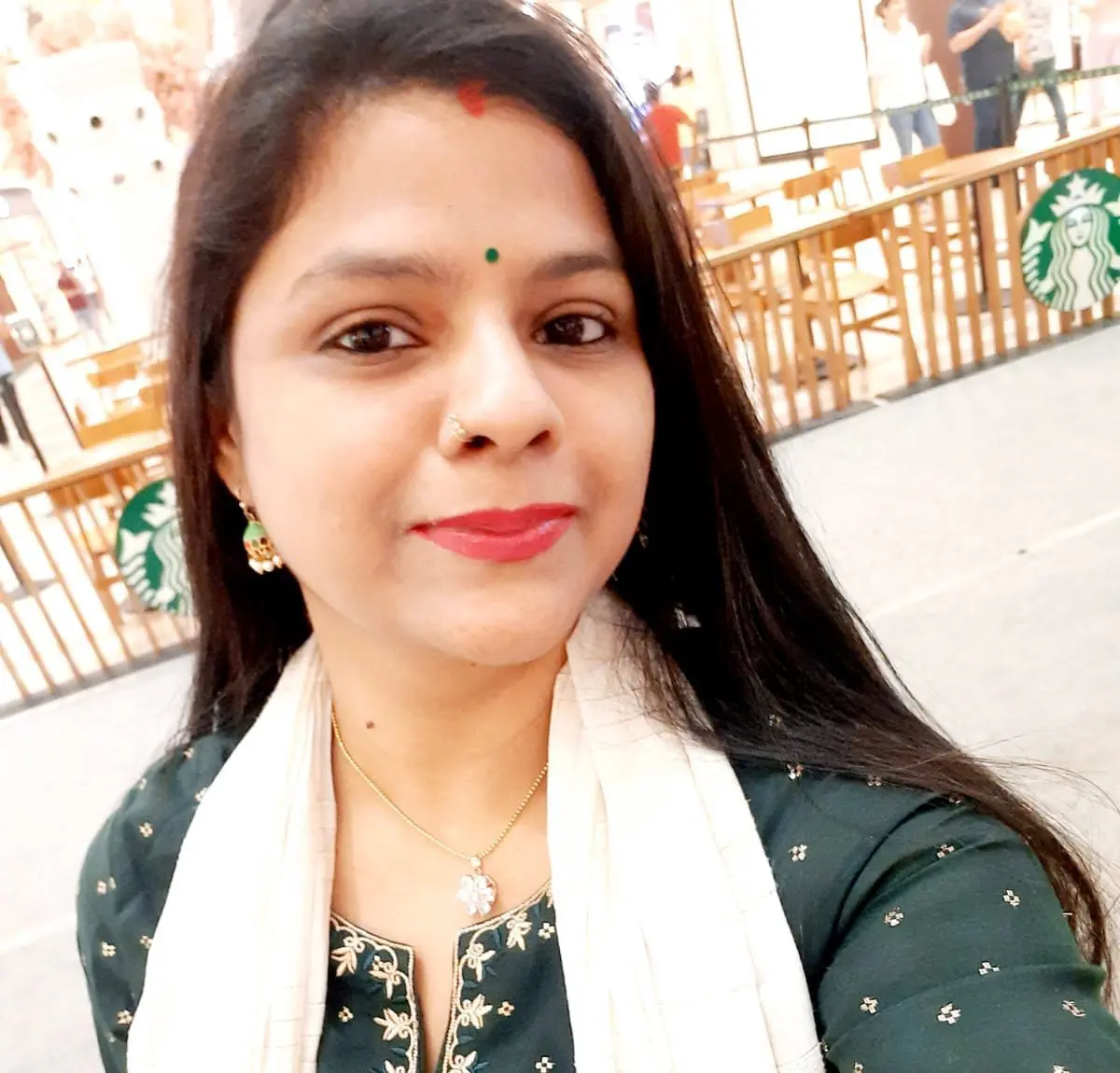
With over 11 years of experience in the publishing industry, Priya Srivastava has become a trusted guide for hundreds of authors navigating the challenging path from manuscript to marketplace. As Editor-in-Chief of Deified Publications, she combines the precision of a publishing professional with the empathy of a mentor who truly understands the fears, hopes, and dreams of both first-time and seasoned writers.