

✅ Updated: January 2026.
- Understanding proof copies is essential for self-published authors.
- Secure proof copies ensure the quality and presentation of your work.
- Choosing the right printer can significantly impact your results.
Quick Answer
To secure proof copies of your self-published work in India, choose a reliable local printer, prepare your manuscript according to guidelines, and request a proof copy before the final print run.
What is a Proof Copy?
A proof copy serves as a preliminary version of your manuscript, intended to catch errors before the final print. It’s not just about checking for typos; it’s about examining the entire layout, cover design, and overall presentation. In my experience as an editor, I’ve seen authors overlook essential details that could have been fixed during the proofing stage.
Why Are Proof Copies Important?
Proof copies help ensure that your work appears professional and polished. Think of them as the dress rehearsal before the actual performance. You wouldn’t want to step onto the stage without checking your costume, right? Here are some key reasons why securing proof copies is crucial:
- Error identification: Catch typos, formatting issues, or design flaws.
- Quality check: Evaluate the print quality and paper texture.
- Presentation: Assess the cover design and its impact on reader perception.
How to Secure Proof Copies in India
Obtaining proof copies of your self-published work involves several steps. Here’s a structured walk-through based on my experiences working with independent authors.
1. Choose the Right Printer
Your first step is selecting a printer that specializes in self-publishing. Research local printing companies with good reputations. Look for:
- Experience: Aim for printers who have worked with authors previously.
- Capabilities: Check if they provide various binding and paper options.
- Pricing: Understand their costs and compare them for value.
For example, I worked with a local printer in Pune who provided exceptional service and an affordable price structure. This printer helped me navigate the printing process, ensuring all specifications were met.
2. Prepare Your Manuscript
Your manuscript needs to be formatted correctly. Different printers may have distinct requirements, so check these specifics:
- File Type: Most printers prefer PDFs for accuracy.
- Margins and Bleed: Ensure adequate margins and bleed areas to prevent cutting errors.
- Fonts: Opt for standard fonts that printers can easily read.
Preparing a high-quality manuscript reduces the chances of errors during printing. Once, an author I collaborated with didn’t double-check the file, leading to a significant typo in the title. This mishap could have easily been avoided with careful formatting.
3. Request a Proof Copy
Once your manuscript is ready, communicate with your printer to request a proof copy. Here’s how you can approach it:
- Contact your chosen printer via email or phone.
- Specify that you’re requesting a proof copy.
- Provide them with any necessary specifications or requirements.
When working with my trusted printer, I submitted my file and received a sample within a week. Observing the proof in my hands made all the hard work feel achievable.
4. Review Your Proof Copy
Once you receive the proof copy, take your time to review it meticulously:
- Look for grammatical errors or misspellings.
- Check the layout and formatting.
- Evaluate the cover design.
It’s beneficial to have a fresh pair of eyes, such as a friend or fellow author, review the proof as well. During one of my editorial reviews, an additional set of eyes caught a formatting issue I had missed, making a huge difference before the final print.
5. Finalize Your Print Run
After reviewing the proof, communicate any necessary changes to the printer. Be clear about the edits and ensure that you receive a confirmation before going ahead with the final print run. This is the moment where attention to detail matters the most.
As a final example, one client pushed back after noticing a blurred image on the cover during the proof stage, and we were able to correct it in time for the final batch.
Common Mistakes and How to Avoid Them
Many authors face hiccups when securing proof copies. Avoid these pitfalls:
- Skipping the proof copy: Some authors expedite their publishing journey, neglecting the proof stage. This can lead to regrettable mistakes.
- Ignoring printer specifications: Always adhere to your printer’s guidelines to avoid complications.
- Underestimating time: Allow sufficient time for revisions and printing. Rushing could lead to errors.
Real World Example
A writer friend of mine shared her self-publishing journey. She decided to go with a local printer in Bengaluru known for its colorful cover prints. However, she didn’t review her proof carefully, which resulted in a color mismatch on the cover. Once she submitted for a reprint, the quality was improved significantly, demonstrating the importance of proof copies in catching such crucial details.
Checklist for Securing Proof Copies
- Select a reliable local printer.
- Prepare your manuscript according to specifications.
- Request a proof copy after submitting your manuscript.
- Review the proof carefully for errors and quality.
- Finalize your print order after making corrections.
FAQs
How long does it take to get a proof copy?
Generally, getting a proof copy can take anywhere from a few days to a couple of weeks. This depends on the printer’s workload and the complexity of your project.
Can I order multiple proof copies?
Yes, most printers allow you to order multiple proof copies. You should consult with your printer to understand their policies and pricing for additional copies.
What should I look for in a proof copy?
When reviewing a proof copy, check for typos, layout consistency, image quality, and ensure that all your formatting is as expected. It’s also a good idea to get feedback from others.
Is it necessary to have a proof before publishing?
While it’s not strictly necessary, it is highly recommended. A proof helps catch errors that may affect the reader’s experience, ultimately reflecting on your professionalism as an author.
What happens if I find errors in my proof copy?
If you find errors in your proof copy, document them clearly and communicate them to your printer for corrections before proceeding with the final print.
How This Article Was Created
This article is based on my extensive experience in editorial roles and various successful collaborations with self-published authors. I also consulted relevant resources and industry best practices throughout the writing process.
Conclusion
Securing proof copies of your self-published work in India is a crucial step that should not be overlooked. By carefully choosing your printer, preparing your manuscript, and thoroughly reviewing your proof copies, you can enhance the quality and presentation of your work significantly. Following these steps can help ensure your book resonates well with readers.
📚 Loved this article?
Join our community of readers and writers.
Subscribe to our YouTube channel for author tips, book insights, and publishing secrets.
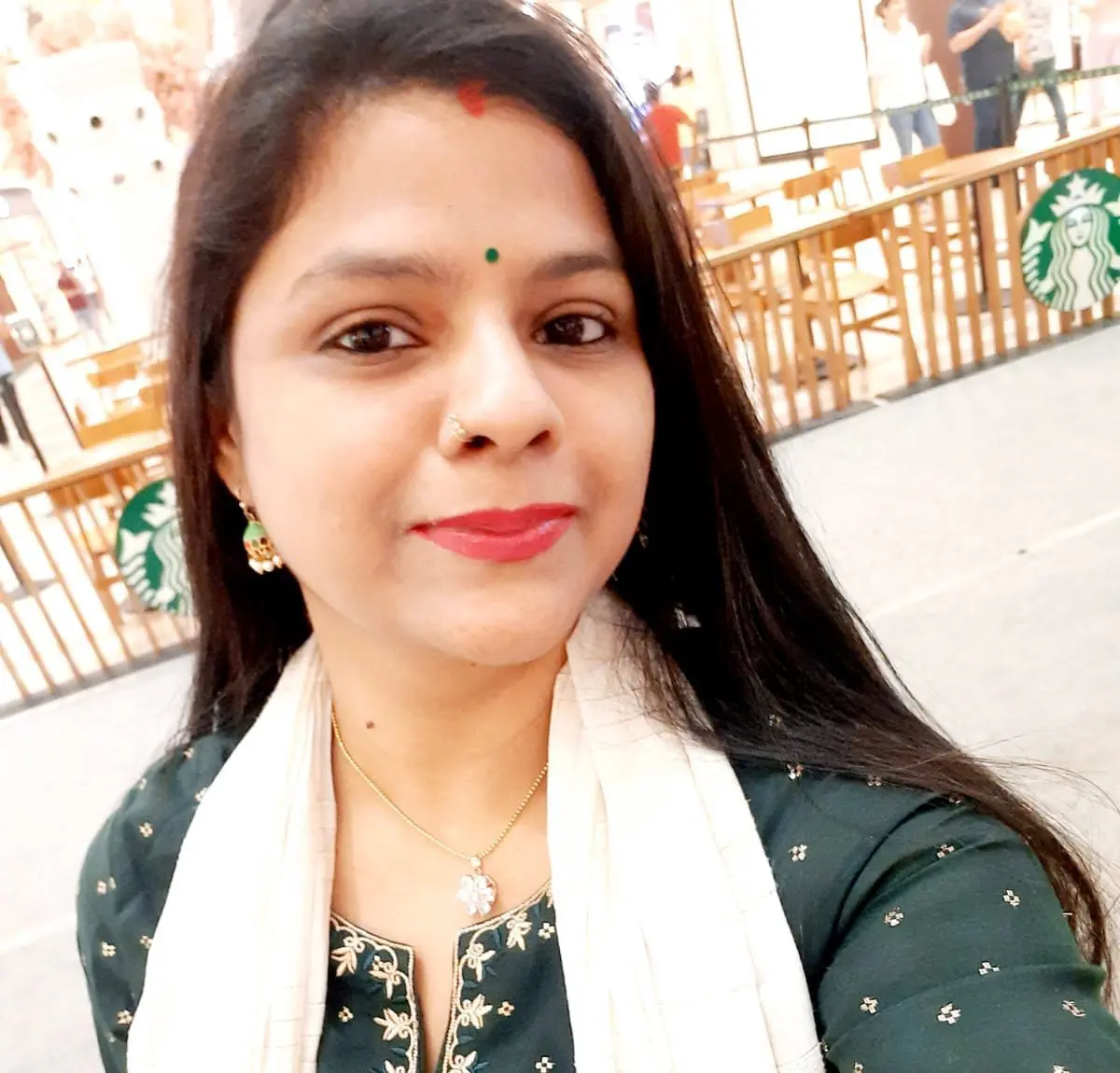
With over 11 years of experience in the publishing industry, Priya Srivastava has become a trusted guide for hundreds of authors navigating the challenging path from manuscript to marketplace. As Editor-in-Chief of Deified Publications, she combines the precision of a publishing professional with the empathy of a mentor who truly understands the fears, hopes, and dreams of both first-time and seasoned writers.