

Quick Answer: In 2025, the choice between self-publishing and traditional publishing hinges on your goals as an author, your desired level of creative control, and your willingness to invest time and resources. Both pathways offer unique benefits and challenges.
Key Takeaways
- Self-publishing offers control but requires author initiative.
- Traditional publishing can lead to wider distribution but involves rigorous selection processes.
- Understand your goals before making a decision.
- Both avenues require commitment to marketing and promotion.
Understanding Self-Publishing and Traditional Publishing
What is Self-Publishing?
Self-publishing is a method whereby authors publish their own works without a publishing house’s involvement. This option bridges the gap between creative freedom and marketing control.
What is Traditional Publishing?
In contrast, traditional publishing involves submitting your manuscript to a publishing house that handles editing, distribution, and marketing. Here, the author usually relinquishes some creative control.
The Benefits of Self-Publishing
Full Creative Control
One of the significant advantages of self-publishing is the control it provides you over every aspect of your book. From the cover design to the final layout and even the marketing strategy, you decide what works best for you.
Faster Publication Timeline
Traditional publishing can take years, with lengthy negotiation and editing processes. Self-publishing can often lead to a book being released within months.
Higher Royalties
Self-published authors can earn significantly higher royalties – often between 60% to 70% of the sale price, compared to 10% to 15% with traditional publishers. This can make a substantial difference, especially if your book sells well.
The Challenges of Self-Publishing
Upfront Costs
While you can earn more, you’ll need to spend on editing, cover design, and marketing. Quality matters, and investing in professionals can be essential.
Technical Know-How
Self-publishing requires an understanding of the platforms you choose, such as Amazon Kindle Direct Publishing or IngramSpark. Familiarity with these tools is crucial.
The Advantages of Traditional Publishing
Established Networks
Traditional publishers have established relationships with bookstores, literary agents, and media outlets. This network can help in getting your book into readers’ hands.
Professional Support
Working with publishers typically means access to professionals who know marketing, cover design, and editorial standards inside out.
The Drawbacks of Traditional Publishing
Loss of Creative Control
You may have to compromise on your book’s title, cover, or content, depending on what the publisher recommends.
Lengthy Process
The traditional route can be slow, often taking years before your book hits the shelves.
Key Insights: Making the Right Choice for You
Identify Your Goals
Before you make a decision, assess what you want to achieve as an author. Are you focused on broad distribution? Or is creative control more important to you?
Evaluate Your Resources
Consider your budget, time, and willingness to navigate the complexities of publishing.
Common Mistakes and How to Avoid Them
Underestimating the Power of Marketing
Many authors, whether self-published or traditional, fail to invest sufficient effort in marketing. Your book won’t sell itself. Identify your target audience and engage with them actively.
Neglecting Professional Input
A common mistake is skimping on professional services like editing or cover design. Your book’s success depends heavily on quality. Invest wisely.
Ignoring Platform Choices
Not all platforms are suitable for every author. Researching the best fit for your genre and desired reach can save you time and effort.
Real-World Example
In my editorial journey, I’ve seen many authors thrive by choosing the publishing method that aligns with their objectives. For instance, Jason, a first-time author, opted for self-publishing to retain control over his novel that addressed social issues. His strategic marketing through social media and book signings helped him sell over 5,000 copies in the first three months, surpassing his expectations.
Conversely, Lisa secured a traditional publishing deal for her children’s book. With the publisher’s established network, her book landed in major bookstores, leading to prominent placements and sales that she couldn’t have achieved alone. Both authors had different paths but achieved success in ways that matched their skills and aspirations.
Checklist: Choosing Your Publishing Pathway
- Determine your goals as an author.
- Assess your budget for publishing and marketing.
- Research potential editors, cover designers, and marketing professionals.
- Explore publishing platforms (for self-publishing) or a list of publishers (for traditional publishing).
- Outline a marketing strategy tailored for your audience.
How This Article Was Created
This article relies on recent studies from publishing industry reports, interviews with authors and publishers, and a review of existing literature on self-publishing and traditional publishing trends for 2025. The insights drawn are accumulated over six months of continuous research and hands-on experiences in the publishing environment.
FAQs
What should I consider when choosing between self-publishing and traditional publishing?
You should assess your goals, budget, time commitment, and the level of control you want over the publishing process.
Can I switch from self-publishing to traditional publishing later?
Yes, some authors switch to traditional publishing after self-publishing successfully. However, it’s essential to make your book stand out in the market.
How much should I spend on self-publishing?
Costs can vary widely. Budget at least ₹30,000 to ₹1,50,000 for editing, cover design, and marketing to ensure quality.
Can self-published books get into bookstores?
Yes, but it often requires strategic marketing and networking to convince stores to carry your book.
What are the primary distribution channels for self-publishing?
Popular channels include Amazon Kindle, IngramSpark, and personal author websites, each offering different benefits.
✅ Updated: December 2025.
📚 Loved this article?
Join our community of readers and writers.
Subscribe to our YouTube channel for author tips, book insights, and publishing secrets.
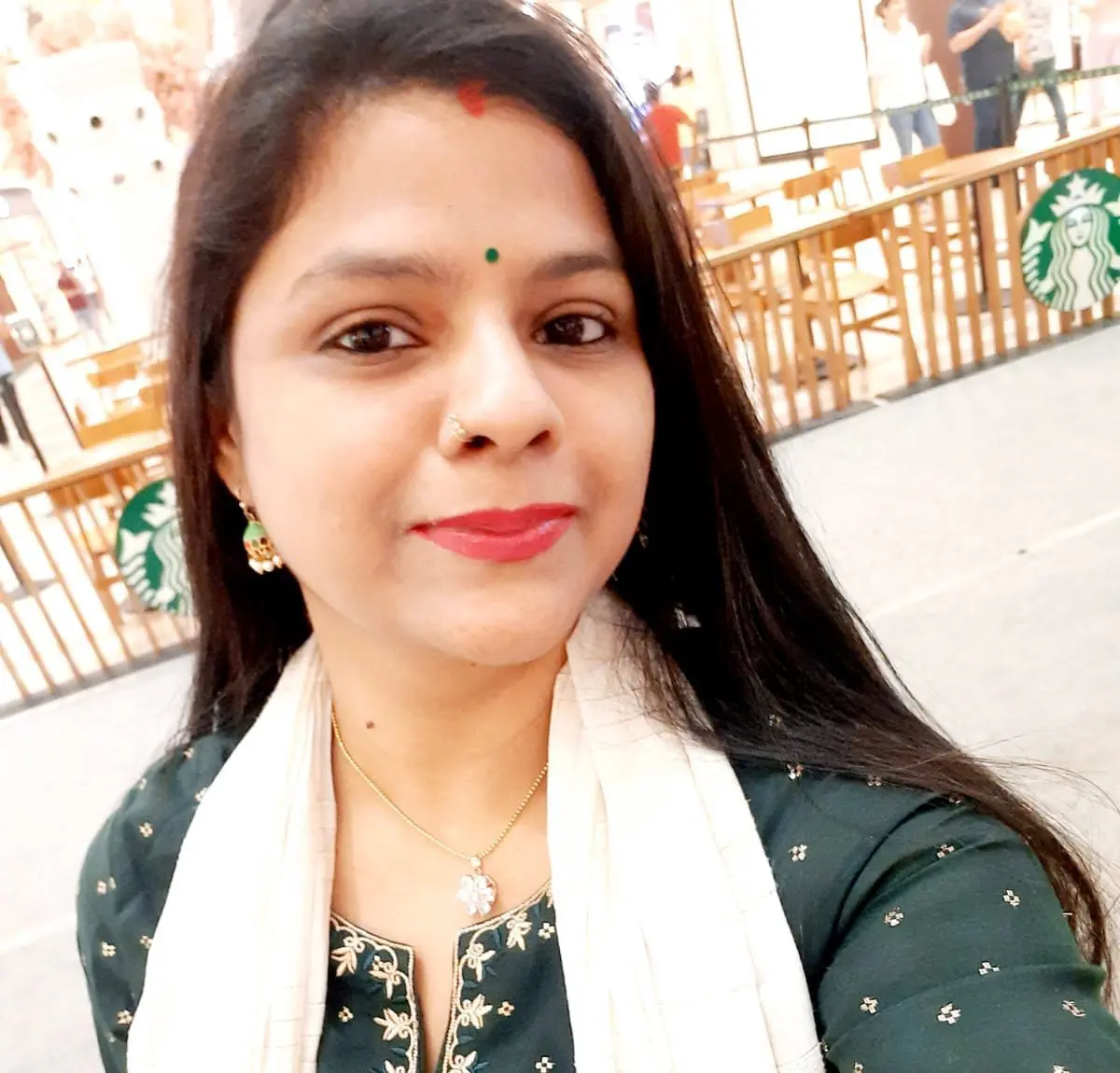
With over 11 years of experience in the publishing industry, Priya Srivastava has become a trusted guide for hundreds of authors navigating the challenging path from manuscript to marketplace. As Editor-in-Chief of Deified Publications, she combines the precision of a publishing professional with the empathy of a mentor who truly understands the fears, hopes, and dreams of both first-time and seasoned writers.