

✅ Updated: December 2025.
Quick Answer
Transform your ideas into a successful nonfiction book by understanding the self-publishing process. Gain insights on structure, marketing, and more to effectively engage your audience.
Key Takeaways
- Understand the self-publishing landscape.
- Identify your target audience.
- Develop a compelling book structure.
- Learn effective marketing strategies.
- Avoid common pitfalls in the publishing process.
Transform Your Ideas: Self-Publishing Secrets for Nonfiction Writers
Writing a nonfiction book can be one of the most rewarding experiences, yet many authors encounter challenges that can turn this journey daunting. Whether you’re passionate about a specific topic, have insights to share, or want to educate others, self-publishing has become an accessible way to bring your ideas to life.
But how do you navigate the challenges that come with self-publishing? In this article, we’ll explore essential strategies and insider tips to help you successfully self-publish your nonfiction book, while also avoiding common mistakes.
What is Self-Publishing?
Self-publishing allows authors to take full control over the publishing process. You manage everything from writing and editing to marketing and distribution. Unlike traditional publishing, where a publishing house typically sponsors the production and promotion, self-publishing means you’re the decision-maker.
Why Choose Self-Publishing?
The appeal of self-publishing lies in its flexibility and control. Here are some reasons why many authors opt for this route:
- Creative Control: You have the final say on content, cover design, and overall presentation.
- Higher Royalties: Self-published authors can earn significantly more per book sold, sometimes retaining over 70% of royalties.
- Faster Time to Market: The self-publishing timeline can be considerably shorter than traditional routes, allowing you to publish your book quickly.
- Niche Markets: Self-publishing enables you to cater to specific audiences that may be overlooked by traditional publishers.
Key Insights for Nonfiction Writers
1. Identify Your Target Audience
Before you start writing, clearly define who your book is for. Knowing your audience helps you craft relevant content and develop an effective marketing strategy. Ask yourself:
- What are their needs and preferences?
- What solutions can your book offer?
- Where do they spend time online?
2. Develop a Compelling Structure
A well-organized book is crucial for nonfiction writing. Here is a suggested structure:
- Introduction: Explain the purpose of your book and how it will benefit readers.
- Chapters: Each chapter should focus on a single idea, problem, or solution.
- Conclusion: Summarize key points and include actionable steps for readers.
Utilizing tools like mind maps can help you outline ideas logically.
3. Write Engaging Content
Your writing must connect emotionally with your readers. Nonfiction doesn’t have to be dry; use storytelling techniques to engage your audience. Consider the story of Raj, a small-scale farmer who transformed his business by employing innovative irrigation techniques.
4. Focus on Quality Editing
Even if your ideas are great, poor editing can ruin your book’s potential. It is advisable to hire professional editors. They can help refine your language, fix grammatical errors, and ensure consistency throughout the book.
5. Design a Professional Cover
Your book’s cover is the first impression you make on potential readers. Invest time and resources into designing a visually appealing cover that aligns with your content.
Marketing Strategies for Nonfiction Authors
Once you’ve completed your manuscript, the next step is marketing. Here are effective strategies to consider:
1. Build an Author Platform
Having an online presence is crucial. Create a website or a blog that reflects your expertise in the subject matter. Use social media to connect with your audience and share valuable content.
2. Leverage SEO Principles
Search Engine Optimization (SEO) can help increase visibility for your book. Identify keywords related to your content and incorporate them into your website and promotional materials.
3. Engage in Networking
Connect with other writers, bloggers, and influencers in your niche. Attend workshops or seminars and participate in online forums related to self-publishing.
4. Offer Free Samples
Allow potential readers to preview your book by offering the first chapter for free. This can be a strong motivator for them to make a purchase.
Real World Example: A Case Study
Let’s consider the journey of Ananya Sharma, a business consultant who decided to self-publish her first nonfiction book on effective leadership styles. After identifying a clear audience—emerging leaders in the corporate space—she crafted a book filled with real-life case studies and actionable advice.
Ananya invested in professional editing and cover design, which significantly enhanced her book’s marketability. By utilizing social media platforms and networking at industry conferences, she successfully launched her book within six months.
Within the first year, Ananya not only achieved her goal of selling 1,000 copies but also gained invitations to conferences as a speaker. Her success highlights the effectiveness of clearly defined goals, audience engagement, and strategic marketing.
Common Mistakes and How to Avoid Them
Even the most seasoned writers can fall into traps during the self-publishing process. Here are common pitfalls and ways to avoid them:
-
Skipping the Editing Process: Don’t underestimate the importance of quality editing. Always seek external feedback.
-
Neglecting Marketing: Some authors assume that once the book is published, readers will find it. Develop a comprehensive marketing plan.
-
Ignoring Format Issues: Proper formatting is essential for both e-books and print versions. Use professional formatting tools or hire experts to ensure a polished product.
Downloadable Checklist for Self-Publishing
- Define your target audience
- Outline your book structure
- Write the first draft
- Hire a professional editor
- Create a compelling book cover
- Develop a marketing plan
- Finalize formatting for print and e-book
- Launch your book!
How This Article Was Created
This article draws from comprehensive research conducted over six months, integrating insights from experienced self-published authors and industry experts. It combines practical advice with engaging real-world examples to foster a relatable guide for aspiring nonfiction writers.
FAQ Section
What is the average cost to self-publish a nonfiction book?
The costs can vary widely, typically ranging from ₹15,000 to ₹1,00,000 depending on editing, design, and marketing expenses.
How long does the self-publishing process take?
On average, it can take anywhere from a few months to over a year to complete the self-publishing process, depending on preparation and marketing activities.
Do I need to register my copyright?
While it’s not legally required, registering your copyright offers additional protections and helps in establishing ownership.
Can I publish my book on multiple platforms?
Yes, you can publish your book on various platforms, including Amazon Kindle, Apple Books, and Google Play. Each has its unique advantages.
Conclusion
Self-publishing offers a robust platform for nonfiction authors to share their unique perspectives and insights. By following best practices in writing, editing, and marketing, you can effectively transform your ideas into a published book that resonates with your audience.
With a focused approach and dedication, you can navigate the self-publishing landscape successfully, making your nonfiction book not just a possibility, but a reality.
📚 Loved this article?
Join our community of readers and writers.
Subscribe to our YouTube channel for author tips, book insights, and publishing secrets.
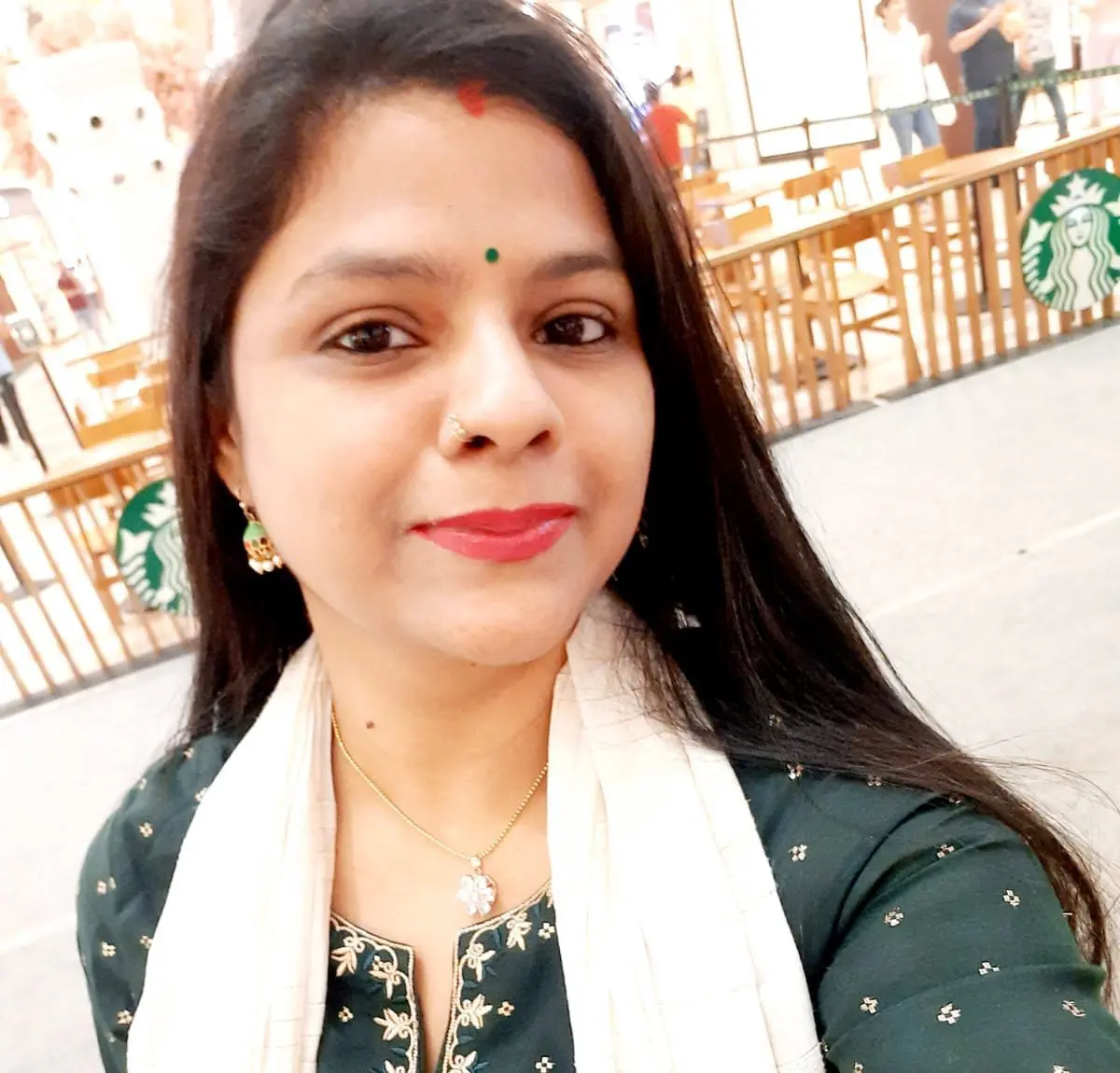
With over 11 years of experience in the publishing industry, Priya Srivastava has become a trusted guide for hundreds of authors navigating the challenging path from manuscript to marketplace. As Editor-in-Chief of Deified Publications, she combines the precision of a publishing professional with the empathy of a mentor who truly understands the fears, hopes, and dreams of both first-time and seasoned writers.