

Key Takeaways
- Understand essential costs: editing, cover design, formatting, marketing.
- Assess your budget based on your publishing goals.
- Avoid common mistakes to spend wisely and effectively.
Understanding Your Self-Publishing Budget
Self-publishing can feel like navigating a maze, especially when it comes to finances. Your self-publishing budget plays a pivotal role in determining how successful your book will be. It’s not about throwing money at every possible service; it’s about making informed decisions tailored to your unique situation.
Let’s take a look at what comprises a comprehensive self-publishing budget.
What is Included in a Self-Publishing Budget?
A self-publishing budget typically includes several key components. Here are the essential areas you’ll need to allocate funds for:
- Editing: This often comprises developmental editing, copyediting, and proofreading.
- Cover Design: A professional cover can significantly impact sales.
- Formatting: Depending on your publishing platform, formatting costs may vary.
- ISBNs: Purchasing your own ISBN provides more control over your book.
- Marketing: This can be social media advertising, book trailers, or promotional services.
- Printing Costs: If you’re opting for print on demand, factor in these fees.
- Distribution Fees: Many platforms charge a fee to distribute your book.
Here’s a basic comparison table to help visualize potential costs:
| Expense Type | Estimated Cost Range | Notes |
|---|---|---|
| Editing | $500 – $2,000 | Developmental and copyediting combined. |
| Cover Design | $200 – $1,500 | Quality matters; consider custom designs. |
| Formatting | $100 – $500 | Varies by format (eBook, paperback). |
| Marketing | $50 – $5,000+ | Highly variable depending on approach. |
| Distribution Fees | Varies | Check platform fees carefully. |
How to Create Your Self-Publishing Budget
Creating a budget may seem daunting, but breaking it down into manageable steps helps.
Step-by-Step Budgeting
1. **Research Costs**: Look for various providers for editing and design services. Websites like Reedsy can provide estimates.
2. **List Your Priorities**: Determine what’s essential for your book’s success—maybe you prioritize a great cover over elaborate marketing.
3. **Allocate Funds**: Based on your research, assign specific amounts to each aspect of your budget.
4. **Keep Track**: Use spreadsheets or budgeting tools to monitor expenses as you go.
5. **Review and Adjust**: As you learn more about costs, be flexible and adjust your allocations as necessary.
Why is Budgeting Important for New Authors?
Every decision you make financially can impact the overall success of your book. A well-planned budget ensures that you don’t overspend and helps prioritize what truly matters.
Consider a new author I recently worked with, Sarah. She had a strong manuscript but misallocated her funds. By investing heavily in a high-cost cover design without focusing on editing, her book received critical feedback that could have been avoided. More disappointment followed when her cover didn’t resonate with readers, leading to a sluggish launch. A clearer budget might have led to a more balanced investment in both editing and design.
Common Mistakes & How to Avoid Them
Here are a few frequent pitfalls to watch out for:
- Underestimating Costs: Always expect some expenses to exceed what you planned.
- Tip: Add a 10-20% buffer to your overall budget for unforeseen expenses.
- Ignoring Marketing: Many new authors neglect marketing, thinking quality will sell itself.
- Tip: Allocate a portion of your budget to marketing efforts, no matter how small.
- Skipping Professional Services: While it’s tempting to do everything yourself, quality often suffers.
- Tip: Invest in at least one professional service, like editing or design.
Real-World Example
When Michael, another author I guided, was preparing to self-publish, he focused primarily on costs and neglected the value of hiring an editor. His book, while promising, had overlooked grammar and flow issues. After the initial release, he received negative reviews related to these areas. Eventually, Michael had to invest in editing after launch to salvage the book. His experience underscores the importance of investing early in quality.
Tips for Budgeting Wisely
Here are some key insights to help you maximize your self-publishing budget:
- DIY vs. Professional Help: Weigh the cost savings of doing things yourself against the potential loss of quality. Sometimes, investing in professionals upfront can save you money in the long run.
- Look for Bundles: Some service providers offer discounts when you bundle multiple services like editing and design.
- Engage with Your Community: Sometimes, fellow authors offer services for lower prices. Shared experiences can lead to advantageous partnerships.
Essential Checklist for Your Self-Publishing Budget
- Research and document expected expenses
- Determine the priority of each expense
- Allocate funds based on your research
- Factor in a buffer for unexpected costs
- Regularly review and adjust your budget
- Consider a combination of DIY and professional services
- Plan a portion of your budget for marketing
How This Article Was Created
This guide was formulated over several weeks of researching various self-publishing routes and interviewing successful authors. Real-life examples form the backbone of this practical advice, allowing for relatable content that’s easy to digest.
Frequently Asked Questions
How much does it cost to self-publish a book?
The cost can vary widely, ranging from a few hundred to several thousand dollars depending on services and quality.
What are the most important expenses for a new author?
Key areas include editing, cover design, and marketing. These have the most significant impact on your book’s success.
Can I self-publish for free?
While it’s technically possible to publish without spending, investing in key services usually leads to a better final product.
Why should I hire a professional editor?
A professional editor can enhance the quality of your manuscript, making it more appealing to readers and publishers.
How do I market my self-published book on a budget?
Utilize social media, author websites, and book blogs for cost-effective promotional strategies.
✅ Updated: October 2025
📚 Loved this article?
Join our community of readers & writers!
Subscribe to our YouTube channel for author tips, book insights, and publishing secrets.
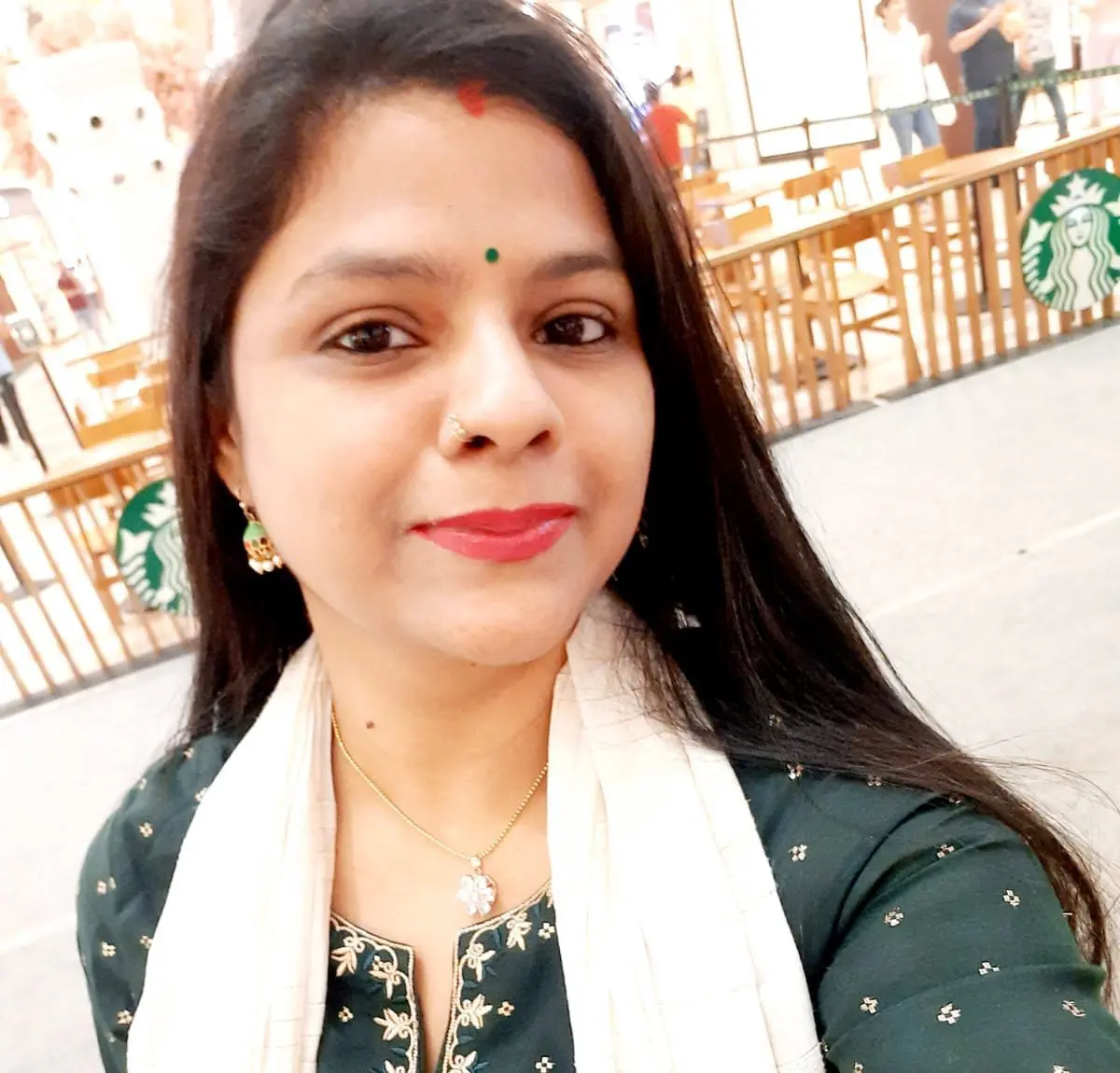
With over 11 years of experience in the publishing industry, Priya Srivastava has become a trusted guide for hundreds of authors navigating the challenging path from manuscript to marketplace. As Editor-in-Chief of Deified Publications, she combines the precision of a publishing professional with the empathy of a mentor who truly understands the fears, hopes, and dreams of both first-time and seasoned writers.