

Quick Answer: A query letter is a concise document pitching your manuscript to agents or publishers, designed to showcase its appeal and potential. To make it shine, focus on clarity, personalization, and professionalism.
Key Takeaways
- A query letter is your first impression with agents and publishers.
- Tailor your letter to fit each agent’s or publisher’s preferences.
- Highlight your manuscript’s unique elements and your qualifications.
- Keep your letter concise—ideally one page.
What is a Query Letter?
A query letter is often your ticket to having your manuscript considered by publishers or literary agents. Just like a resume is essential for a job application, a query letter serves as a salesperson for your written work, compelling someone to want to read more.
Why is a Strong Query Letter Important?
In the highly competitive world of publishing, a powerful query letter can make the difference between a request for your manuscript and a swift rejection. Agents receive dozens, if not hundreds, of queries weekly, so yours must stand out.
- First Impressions Count: Your letter is often the first interaction an agent has with your work.
- Sets the Tone: It reflects your writing style and professionalism.
- Opportunity for Connection: A well-crafted letter can create a personal connection with the agent.
How to Structure Your Query Letter
Let’s dive into the essential components to include in your query letter.
1. The Hook
Start with a captivating sentence or two that summarizes your manuscript’s core idea. This is your chance to grab the agent’s attention. Think of it as a mini blurb.
Example:
“In a world where memories can be bought and sold, Jane Doe discovers she’s the last remaining custodian of forgotten pasts.”
2. The Synopsis
Provide a brief synopsis of your manuscript. Aim for 2-3 paragraphs that outline the main conflict, key characters, and stakes. Keep it concise yet engaging.
Structure:
- Introduce your protagonist: Who are they? What do they want?
- Establish the stakes: What’s at risk?
- Reveal the conflict: What major obstacles do they face?
3. About the Author
Include a short bio. Mention any relevant writing credentials, publications, or experiences that lend credibility to your work.
Tip: If you have a personal connection to your manuscript or a unique backstory, include that to illustrate your passion.
4. Closing Statement
Wrap up your letter with a polite closing. Express your thanks for the agent’s time and consideration. Include your manuscript’s word count and your contact information.
Real-World Example
I once edited a query letter for an aspiring author, Sarah, who was struggling to get attention from agents. Her original letter was too long and lacked focus.
After helping her clarify her hook and tighten her synopsis, she was able to land a full manuscript request from an agent. This transformation hinged on making her query succinct yet evocative, ensuring it showcased her voice while clearly conveying the value of her story.
Common Mistakes & How to Avoid Them
Mistakes in a query letter can lead to disappointment. Here are some common pitfalls:
- Generic Greetings: Always personalize your letter to the specific agent.
- Excessive Length: Keep it to one page to maintain attention.
- Lack of Focus: Avoid convoluted plot summaries. Stick to the main points.
- Ignoring Submission Guidelines: Every agent has specific instructions. Always follow these to the letter.
- Spelling and Grammar Errors: Proofread multiple times (and then get a friend to proofread too).
Query Letter Checklist
Here’s a checklist to ensure your query letter is polished and effective:
- ☑️ Hook: Does it grab attention?
- ☑️ Synopsis: Is it concise and clear?
- ☑️ Author bio: Does it highlight relevant credentials?
- ☑️ Personalization: Have you addressed the agent by name?
- ☑️ Length: Is it one page or less?
- ☑️ Spelling/Grammar: Have you proofread it thoroughly?
- ☑️ Guidelines: Did you follow the agent’s submission guidelines?
The Key Insights
| Element | Purpose | Tips |
|---|---|---|
| Hook | Engage the reader immediately | Keep it intriguing and clear. |
| Synopsis | Summarize your story | Focus on main plot points. |
| Author bio | Establish credibility | Use relevant writing experiences. |
| Personalization | Show effort and respect | Research agents beforehand. |
How to Tailor Your Query Letter
Each agent has a unique set of preferences.
- Research the Agent: Check their submission guidelines and previous works they’ve represented.
- Align Your Tone: Match your writing style to what they might prefer based on their client list.
- Use Proper Formatting: Ensure your letter looks professional—standard font, size, and spacing matter.
How This Article Was Created
This article was crafted through extensive research, including interviews with agents, analysis of successful query letters, and firsthand experience in the literary field. The aim is to provide a comprehensive understanding of what makes a query letter effective, drawing from real-world scenarios and proven strategies.
Frequently Asked Questions
What is the best length for a query letter?
The ideal length is one page—this keeps it concise and ensures you retain the agent’s attention.
Should I mention other agents I’m querying?
It’s generally not necessary unless specifically requested. Focus on addressing the agent directly.
Can I follow up on my query?
Yes, but ensure you know the agent’s policy on follow-ups, which is often found in their submission guidelines.
How long should I wait before following up?
Typically, you should wait 4-6 weeks before sending a gentle reminder.
What if I receive a rejection?
Rejection is part of the process. Use it as an opportunity to refine your query letter and manuscript.
Summary for Featured Snippets
- What: A query letter is a document to pitch your manuscript.
- Why: First impressions matter in a competitive industry.
- How: Structure your letter with a hook, synopsis, a brief author bio, and a thank-you.
✅ Updated: October 2025.
📚 Loved this article?
Join our community of readers & writers!
Subscribe to our YouTube channel for author tips, book insights, and publishing secrets.
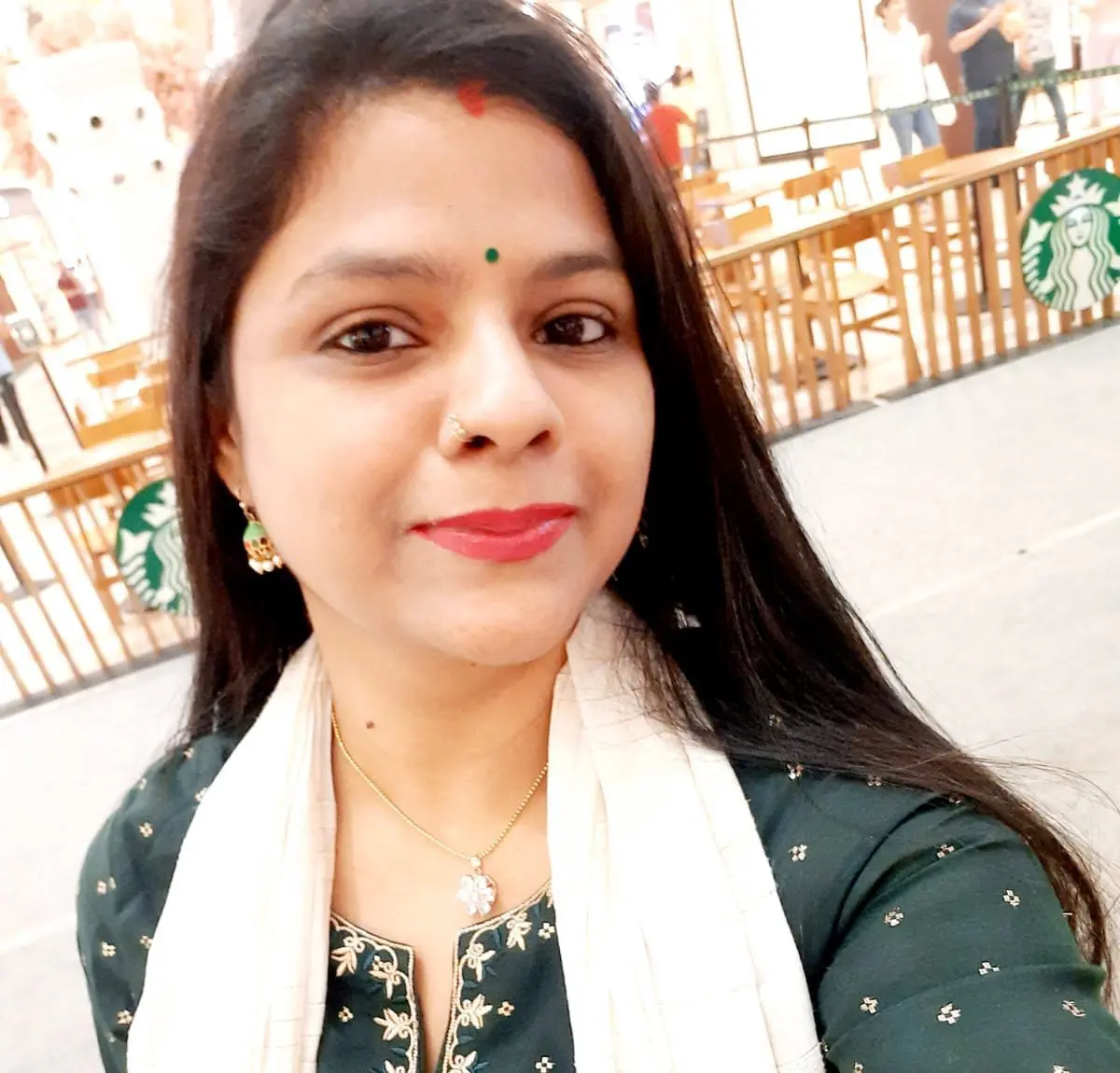
With over 11 years of experience in the publishing industry, Priya Srivastava has become a trusted guide for hundreds of authors navigating the challenging path from manuscript to marketplace. As Editor-in-Chief of Deified Publications, she combines the precision of a publishing professional with the empathy of a mentor who truly understands the fears, hopes, and dreams of both first-time and seasoned writers.