
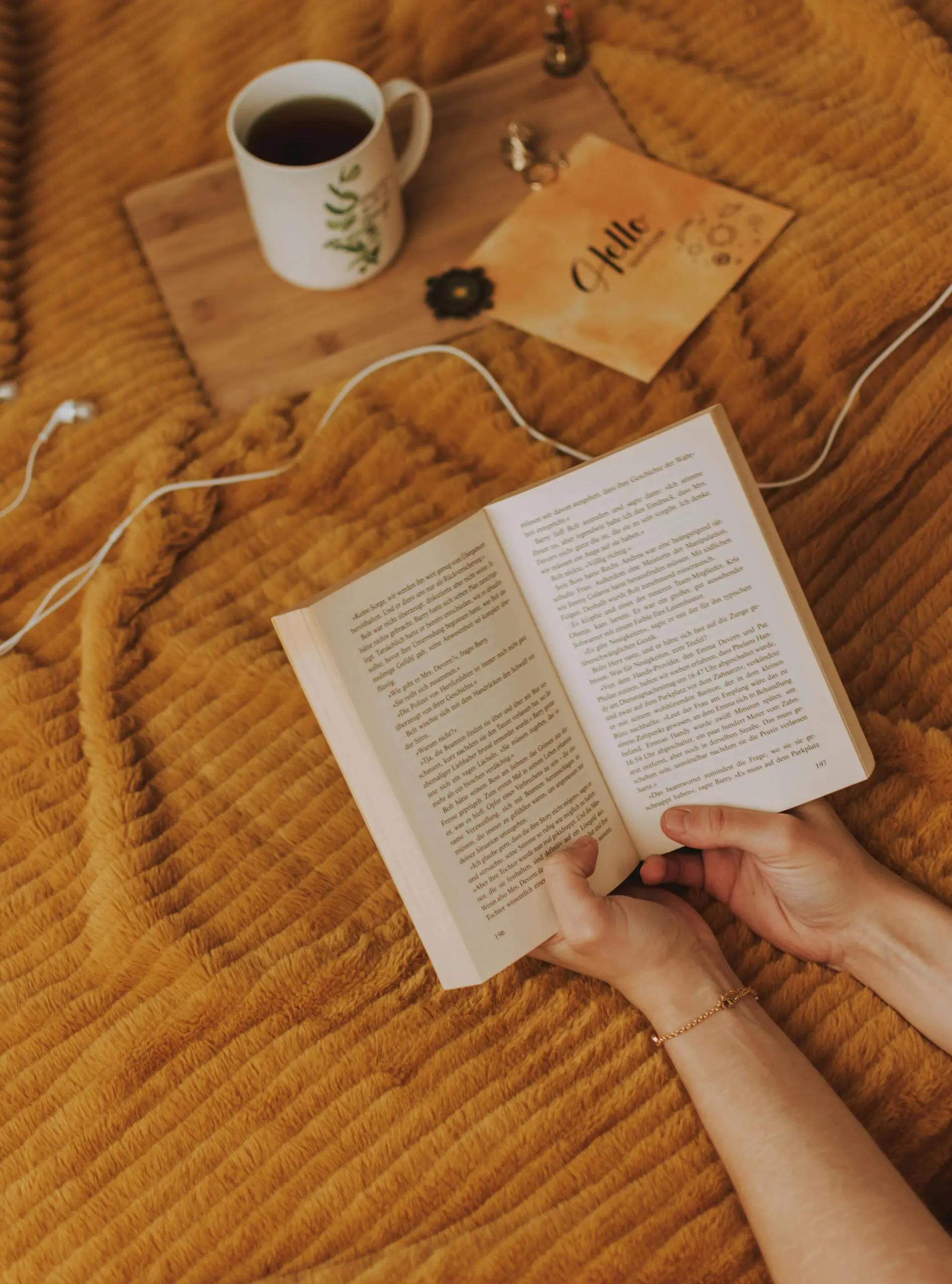
Quick Answer
Unbeatable bookbinding durability comes from selecting high-quality materials, employing proper binding techniques, and conducting regular maintenance to extend the lifespan of your books.
Key Takeaways
- Understand the different types of bookbinding.
- Choose high-quality materials for longevity.
- Apply correct binding techniques for durability.
- Implement regular maintenance to preserve your books.
- Avoid common mistakes when binding books.
Introduction
Bookbinding is not just about putting pages together; it’s an art and science that can significantly affect the lifespan of your books. As someone who’s navigated the complexities of publishing and book presentation, I’ve witnessed firsthand how durability can make or break a beloved book. Whether you’re a self-published author, an aspiring bookbinder, or just curious about preserving literary treasures, this guide is for you.
In this article, I’ll share practical insights, common pitfalls to avoid, and steps for ensuring your books stand the test of time. Let’s dive right in.
What is Bookbinding?
Bookbinding is the process of physically assembling a book from a number of folded or unfolded sheets of paper, with added covers. It combines the craftsmanship of design and engineering, ensuring that the pages remain securely in place, allowing for ease of reading and extended lifespan.
Different binding techniques include:
- Saddle Stitching: Common for booklets and magazines. It involves folding sheets of paper and stapling them together.
- Perfect Binding: Used for paperback books, where the pages and a flexible cover are glued together.
- Hardcover Binding: Pages are sewn together, providing maximum durability with a sturdy cover.
Each method has its strengths, so understanding the options is crucial for durability.
Why Bookbinding Durability Matters
Investing time and resources into durable bookbinding ensures your work is protected against wear and tear. A well-bound book maintains reader engagement, preserves memories, and conveys professionalism.
Factors that enhance durability include:
- Material Quality: Using premium paper and cover materials.
- Binding Techniques: Proper methods minimize deterioration over time.
- Environmental Considerations: Exposure to moisture and sun can degrade even the best materials.
Think of a favorite book; when its pages are crisp and its spine intact, it invites revisits. Contrast that with a ragged copy where the binding is falling apart — the difference lies in durability.
Components of Durable Bookbinding
1. Material Selection
Quality materials play a pivotal role in durability. Consider the following:
- Paper: Opt for acid-free paper, which resists yellowing over time.
- Covers: Use thick, high-quality cardstock or cloth for hardcovers. Laminated covers can also provide extra protection against moisture.
- Binding Glue: PVA (Polyvinyl Acetate) glue offers flexibility, bonding pages without the risk of cracking.
2. Binding Techniques
Selecting the right technique is essential for durability:
- Sewing vs. Gluing: While gluing is quicker, stitching provides superior durability. This is why many high-quality hardcover books are sewn.
- Reinforcement: Adding a fabric hinge between the cover and spine can enhance durability, especially for frequent-use books.
3. Maintenance Tips
Like any valuable investment, books need care. Here are some maintenance tips to prolong their life:
- Storage: Keep books upright in a well-ventilated area, away from direct sunlight to avoid fading and warping.
- Cleaning: Dust regularly and use an anti-static cloth to keep surfaces clean.
- Repair: Small tears can be mended quickly before they worsen.
Real-World Example: Case Study
Not long ago, I came across a self-published author’s collection of poetry. These beautiful works were bound using a low-cost perfect binding technique that left the books weak and fragile. Many pages began to detach within a year.
Learning from this, the author opted for a more durable hardcover binding on their next project, reinforcing the spine with a fabric hinge. The difference was striking — not only did their new collection survive the test of time, but it also provided a more premium experience for their readers.
Common Mistakes & How to Avoid Them
Even seasoned creators can stumble into pitfalls. Below are mistakes to watch out for:
-
Using Low-Quality Materials:
- Avoid: Cheap papers and glues that don’t last.
- Do: Invest in acid-free paper and quality adhesives.
-
Neglecting the Binding Method:
- Avoid: Relying only on gluing, especially for larger books.
- Do: Choose sewing for added durability.
-
Ignoring Book Maintenance:
- Avoid: Storing books in damp or sunlit areas.
- Do: Maintain a stable environment with proper storage techniques.
Checklist: Building Durable Books
Use this checklist to ensure your bookbinding project is durable:
- ✅ Select acid-free paper.
- ✅ Choose a high-quality cover material.
- ✅ Use PVA glue for binding.
- ✅ Opt for sewing techniques where possible.
- ✅ Store books upright and away from moisture.
- ✅ Regularly dust and clean the book surface.
How This Article Was Created
Gathering information for this guide involved reviewing various resources on bookbinding, including industry articles, expert opinions, and hands-on experience over several years in the field. I aimed to compile insights that would resonate with both amateurs and professionals, resulting in a comprehensive resource for anyone interested in constructing lasting books.
Frequently Asked Questions (FAQ)
What type of paper is best for bookbinding?
The best type of paper for bookbinding is acid-free paper, which resists yellowing and deterioration over time.
How can I improve the durability of a paperback book?
To improve durability, consider using a stronger binding technique, such as perfect binding with reinforced glue, and invest in higher-quality paper.
Can I repair a damaged book myself?
Yes, minor repairs like reattaching pages or fixing a torn cover can often be done with the right materials, although larger repairs are best left to professionals.
How long do well-bound books usually last?
With proper care, a well-bound book can last several decades or even longer, while poorly bound books may deteriorate within a couple of years.
What’s the difference between perfect binding and hardcover binding?
Perfect binding glues the pages to a flexible cover, while hardcover binding involves sewing pages and attaching a sturdy cover, offering greater durability.
Conclusion
Combining high-quality materials, proper techniques, and diligent care will ensure your bookbinding projects are durable and long-lasting. Every page you bind tells a story, and with durability in mind, you are building a legacy that can withstand years of reading.
By following the insights shared in this guide, you can preserve your works while making them enjoyable for generations to come.
✅ Updated: October 2025.
`
With over 11 years of experience in the publishing industry, Priya Srivastava has become a trusted guide for hundreds of authors navigating the challenging path from manuscript to marketplace. As Editor-in-Chief of Deified Publications, she combines the precision of a publishing professional with the empathy of a mentor who truly understands the fears, hopes, and dreams of both first-time and seasoned writers.