
✅ Updated: October 2025.
Quick Overview: Key Takeaways
- The ideal print run for first-time authors typically ranges from 100 to 1000 copies.
- Your budget, marketing plan, and target audience play pivotal roles in this decision.
- Utilizing print-on-demand services can alleviate concerns about inventory and upfront costs.
Why Print Books Matter for First-Time Authors
Printing physical copies of a book is more than just a means of distribution; it establishes credibility and tangibility in today’s digital landscape. Many readers still cherish the feel of a book in their hands, making it crucial for you as a first-time author to consider how many copies to print.
Having a printed book can lead to:
- Visibility: Books can be displayed in local bookstores or libraries.
- Signings and Events: Physical copies allow for book signings, which can draw crowds and generate sales.
- Marketing Opportunities: A physical book is a robust marketing tool. You can distribute it to reviewers, influencers, or fellow authors.
How to Decide on the Quantity of Copies to Print
Understand Your Budget
Budget plays a significant role in deciding how many copies to print. Here’s how to analyze your financial capacity:
- Initial Costs: Consider printing costs, shipping, marketing, and promotional materials. Obtain quotes from various printing companies to gauge your baseline expenses.
- Potential Revenue: Estimate how many books you can realistically sell. If, for example, you print 300 copies and sell them at $15 each, your gross income would be $4,500.
- Break-even Point: Calculate your break-even point by dividing your total costs by the price per book.
Market Research Insights
Before you decide on a print run, conduct some thorough market research:
- Identify similar books in your genre and their sales figures.
- Estimate a rough percentage of your target audience that may be interested in your book.
- Leverage social media polls or surveys to gauge interest.
Distribution Channels
Consider where you’ll be selling your book and how many copies you might need for each channel:
- Online Sale: Websites like Amazon require fewer upfront copies due to print-on-demand options.
- Local Bookstores: If you’re focusing on local sales, gauge interest among these businesses; they may want to stock your book.
- Events: Planning on attending book fairs or writing conferences? Have extra copies on hand to sell or distribute.
Real-World Example: The Journey of Anna Simmons
Anna Simmons, a first-time author, decided to self-publish her memoir. With a budget of $3,000, she printed 500 copies of her book. She performed market research that indicated a strong interest in memoirs about overcoming adversity, which boosted her confidence.
Despite initial concerns about having too many books on hand, Anna distributed 300 copies via online sales and local events. The remaining 200 copies served as excellent promotional materials, gaining her feature spots in local newsletters and blogs. In the end, she sold out her entire first print run within six months.
Print-on-Demand vs. Bulk Printing
Depending on your goals, you might consider print-on-demand services. Here’s a side-by-side comparison:
| Aspect | Print-on-Demand | Bulk Printing |
|---|---|---|
| Initial Costs | Low; pay per copy | Higher; upfront payment for all copies |
| Inventory Management | No inventory; books printed as ordered | Need to manage storage and inventory |
| Market Flexibility | High; adjust book pricing or cover easily | Limited; changes could mean sunk costs |
| Quality Control | Variable; may differ by service | Consistent; batch produced from the same setup |
Common Mistakes & How to Avoid Them
Even seasoned authors face pitfalls in their first print runs. Below are some common mistakes and ways to sidestep them:
-
Printing Too Many Copies: Avoid overcommitting by analyzing your initial interest and potential sales thoroughly.
-
Neglecting Quality: Ensure that your book is well-edited and that your cover design is appealing. You only get one chance at a first impression.
-
Ignoring Marketing: Don’t wait until the books are printed to start marketing. Begin promoting during the writing phase to build an audience.
Checklist for First-Time Authors
This checklist will help streamline your decision on how many copies to print:
- ✔ Calculate your budget for printing and marketing
- ✔ Conduct market research on similar titles
- ✔ Decide between print-on-demand and bulk printing
- ✔ Determine your distribution channels
- ✔ Create a marketing plan that starts pre-launch
Frequently Asked Questions
What is the typical print run for first-time authors?
Most first-time authors print between 100 to 1000 copies, depending on their marketing strategy and distribution channels.
How can I find printing costs?
Contact several local and online printing companies to get quotes; most have calculators on their websites for estimating costs based on volume and book specifications.
Is print-on-demand more cost-effective?
Print-on-demand is generally more flexible and cost-effective for first-time authors as it requires no upfront investment in inventory.
Should I consider an eBook format?
Absolutely! Pairing a print book with an eBook can cater to different preferences and expand your market reach.
Can I adjust my print order after launching?
If using print-on-demand, you can easily adjust your order. With bulk printing, however, you may have to wait until the current inventory is sold.
How This Article Was Created
This article was developed using a mix of personal editorial experience with first-time authors and research from reputable sources in the publishing industry, including guidelines from publishers and insights from marketing analytics. Care was taken to ensure relevance and accuracy for potential authors in 2025.
Conclusion
Determining how many copies to print can feel overwhelming for first-time authors. Your budget, marketing strategies, and market research will safeguard your investment and help set realistic expectations.
Ultimately, adaptability is key. Whether you choose to print a bulk order or work with print-on-demand services, remember that each book you produce is not just a product — it’s part of your journey as a writer.
📚 Loved this article?
Join our community of readers & writers!
Subscribe to our YouTube channel for author tips, book insights, and publishing secrets.
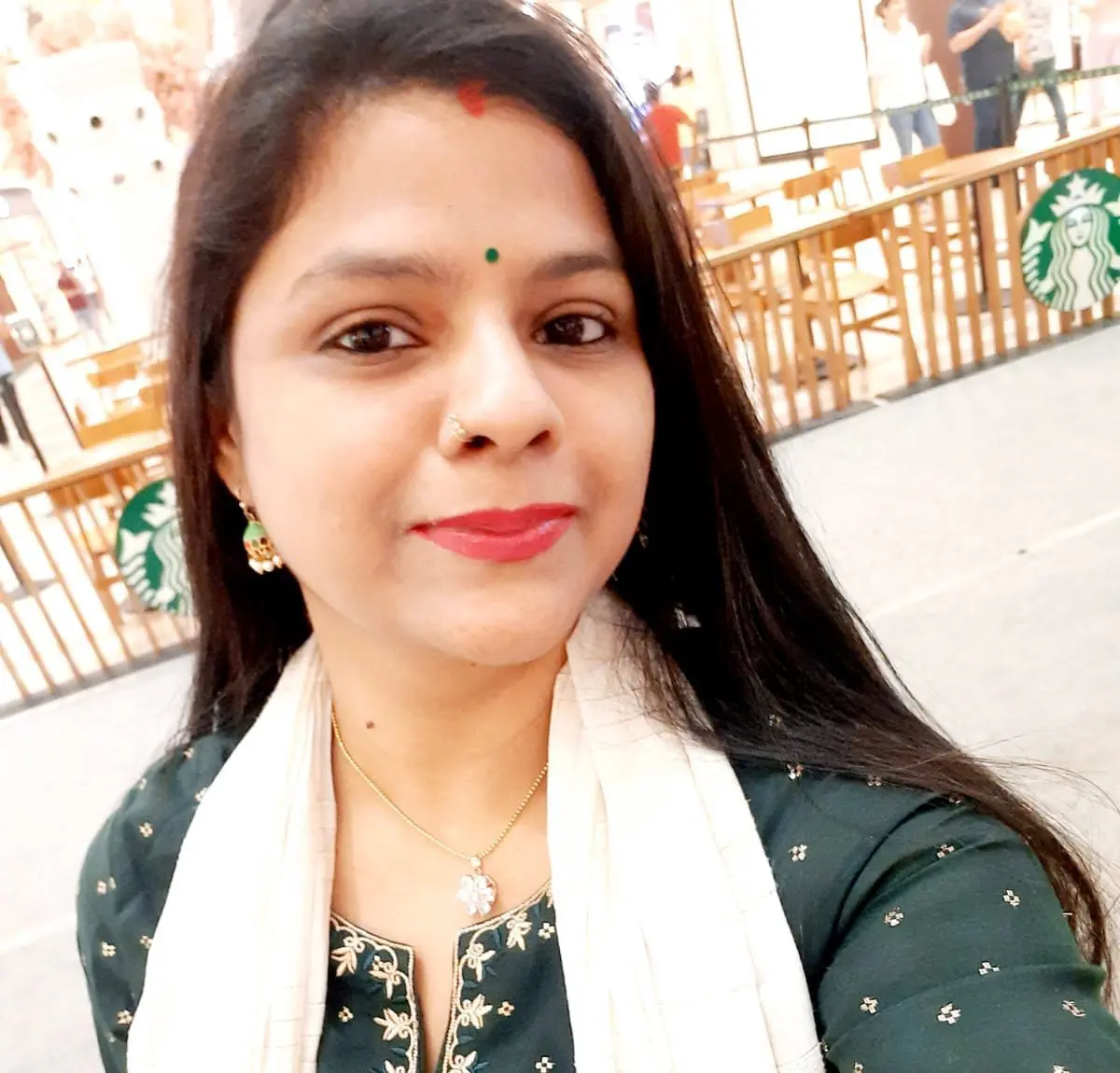
With over 11 years of experience in the publishing industry, Priya Srivastava has become a trusted guide for hundreds of authors navigating the challenging path from manuscript to marketplace. As Editor-in-Chief of Deified Publications, she combines the precision of a publishing professional with the empathy of a mentor who truly understands the fears, hopes, and dreams of both first-time and seasoned writers.