

Quick Answer: Your manuscript deserves careful consideration because it reflects your unique voice and vision, and valuable insights can broaden its reach and impact.
Key Takeaways
- Understand the importance of your manuscript’s unique voice.
- Learn strategies to give your manuscript the focus it deserves.
- Avoid common pitfalls that can undermine your work.
- Explore real-world examples that illustrate the journey to publication.
Understanding Your Manuscript’s Value
Your manuscript is more than just a collection of words. It embodies your thoughts, feelings, and experiences. When you pour your heart into writing, you create a piece that resonates with your own journey and those who might read it.
What Makes Your Manuscript Unique?
Every manuscript has a story to tell—yours is shaped by your background, interests, and the unique way you perceive the world. Let’s explore what sets your work apart:
- Personal Story: Infuse your narrative with personal anecdotes. They make your writing relatable.
- Fresh Perspective: Your viewpoint can challenge norms and inspire change.
- Dedicated Research: The insights you share should be well-researched, providing depth and credibility.
Why This Matters for Publication
In the vast sea of manuscripts, standing out is crucial. Publishers are looking for works that not only tell a story but also engage and inspire readers. Without proper attention, even a well-written manuscript can get lost among countless submissions.
How to Elevate Your Manuscript
So, how can you ensure your manuscript rises to the occasion? Here are several methodologies that can make all the difference:
- Seek Feedback: Find beta readers or a writers’ group. Their insights can help refine your work.
- Understand Your Audience: Knowing who will read your manuscript can shape its style and tone.
- Revise Thoughtfully: Use constructive criticism as a tool for improvement, not discouragement.
- Establish Professional Assistance: Hiring an editor can be beneficial in polishing your manuscript.
Real-World Example
Let me share a story about a writer named Sarah. After completing her first novel, she submitted it to a few publishers but received rejections. Instead of giving up, she joined a local writers’ group that provided invaluable feedback. Sarah implemented their suggestions, focusing on character development and pacing. Revising the manuscript helped her find a thread that resonated with readers. Eventually, Sarah secured a publishing deal, transforming her passion into a successful book that touched many lives.
Common Mistakes & How to Avoid Them
It’s easy to overlook certain aspects of the publication process. By knowing what pitfalls exist, you can sidestep them effectively:
Common Mistakes
- Ignoring Feedback: Turn a deaf ear to constructive criticism.
- Neglecting Research: Failing to properly research your subject matter.
- Submitting Too Early: Sending your manuscript out before thorough editing.
How to Overcome These Issues
- Stay Open-Minded: Embrace suggestions from trusted sources.
- Thorough Research: Invest time in understanding your topic fully.
- Take Your Time: Treat your manuscript with the patience it deserves.
Downloadable Checklist for Manuscript Preparation
Use this checklist to guide you through the preparation process of your manuscript:
- 🎯 Define your target audience.
- 📚 Collect feedback from beta readers.
- 🔍 Conduct thorough research on your subject.
- ✍️ Revise based on feedback.
- 🔗 Seek professional editing assistance.
- 🖨️ Format your manuscript according to submission guidelines.
- 📧 Prepare a compelling query letter to accompany your manuscript.
Publishing Industry Insights
The publishing landscape is competitive, and understanding its nuances is key to increasing your manuscript’s chances of success. Publications like the Publishers Weekly offer invaluable insights into industry trends, while The Balance provides practical advice on self-publishing. These resources can guide your journey.
How This Article Was Created
This article was developed over several weeks, utilizing a combination of researched data, personal experience, and insights garnered from industry experts. The aim was to provide a comprehensive guide addressing the importance of manuscripts and publication, connecting emotionally and practically with aspiring authors.
FAQs
What should be included in a query letter?
A good query letter should include a brief synopsis of your manuscript, a bio showcasing your writing credentials, and a hook that grabs the agent’s or publisher’s attention.
How long should I wait for a response after submitting my manuscript?
It varies by publisher, but typically you should expect a response within 8-12 weeks. Check the publisher’s guidelines for specifics.
Is self-publishing a good option?
Self-publishing can be a viable path for authors who want full creative control and are willing to handle marketing. Research your options thoroughly.
What types of feedback should I consider?
Focus on feedback regarding plot structure, character development, and overall coherence. Look for constructive criticism over mere opinions.
How do I find beta readers for my manuscript?
Consider reaching out through social media, writing groups, or forums. Friends or colleagues interested in your genre can also be valuable beta readers.
Conclusion
Your manuscript is the culmination of hard work, imagination, and determination. By taking care in its presentation and ensuring it reaches the right audience, you’re providing it with the best possible chance to shine. Remember, your words matter, and they deserve to be shared with the world.
✅ Updated: September 2025.
📚 Loved this article?
Join our community of readers & writers!
Subscribe to our YouTube channel for author tips, book insights, and publishing secrets.
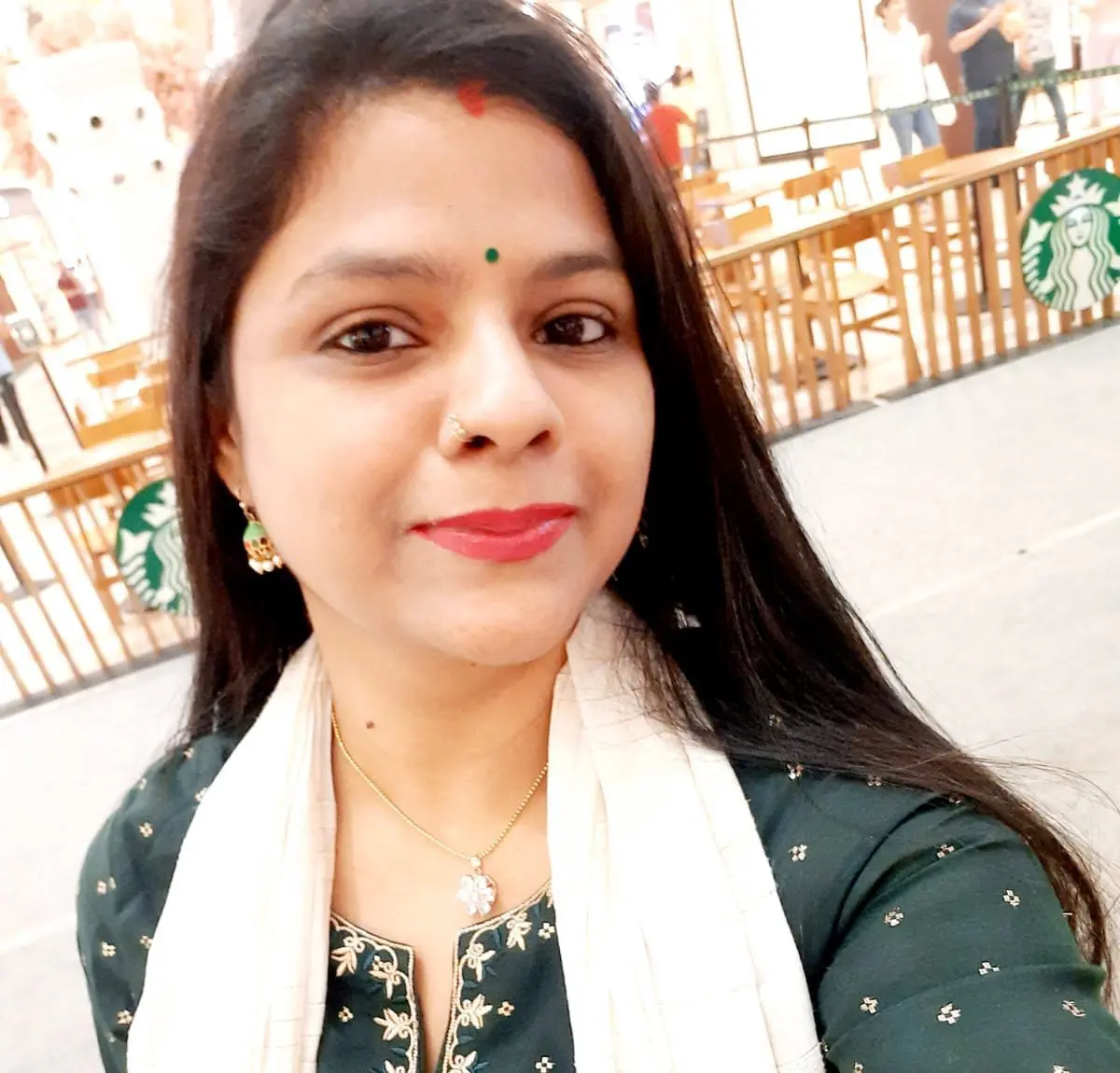
With over 11 years of experience in the publishing industry, Priya Srivastava has become a trusted guide for hundreds of authors navigating the challenging path from manuscript to marketplace. As Editor-in-Chief of Deified Publications, she combines the precision of a publishing professional with the empathy of a mentor who truly understands the fears, hopes, and dreams of both first-time and seasoned writers.