
Rating
⭐⭐⭐⭐ (4.3 out of 5)
Sometimes a Story Feels Too Real
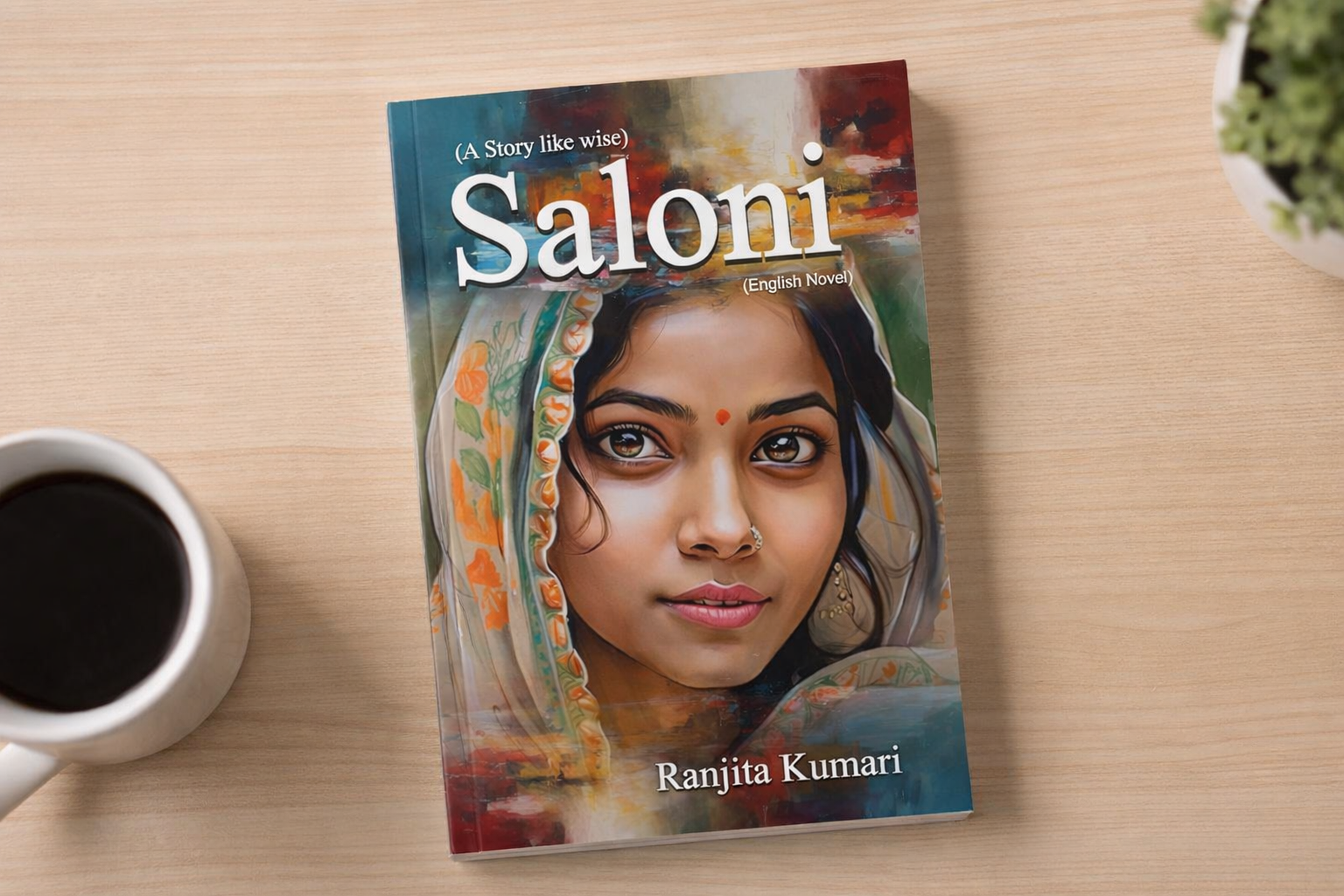
I finished going through Saloni by Ranjita Kumari, and I kept sitting with it for a while.
Not because the plot is full of dramatic twists. Not because it is fast or flashy.
But because it feels painfully real.
In my years reading manuscripts and books as Editor in Chief at Deified Publication, I have come across many stories about women navigating family expectations. But every once in a while a story appears that makes you pause and think about the everyday life of millions of women who rarely get their stories written down.
Saloni feels like that.
At first glance it looks like a simple narrative about a woman growing up, getting married, and managing family life. But slowly the book begins to reveal something deeper.
The emotional weight of endurance.
And I kept wondering while reading it. How many women live lives like Saloni but never speak about them?
What the Book Is About
Saloni follows the life of a young woman raised in a traditional family where obedience and endurance are taught almost like virtues.
From childhood she grows up in an environment where silence becomes survival.
There is a disturbing early moment where relatives misuse her innocence and she feels repulsed but cannot tell anyone because fear dominates the household. That moment alone sets the tone for the rest of the story.
Saloni learns very early that speaking up is not always possible.
As she grows older, the focus shifts toward the rituals of arranged marriage. Families come to “see” her. Questions are asked. Expectations are placed on her.
One potential groom’s family rejects the match. Another alliance collapses unexpectedly. Eventually she is married to a doctor named Vijay who is fifteen years older than her. The wedding itself is grand. Dowry items are given in abundance. Furniture, electronics, household items. Everything that a family believes will secure their daughter’s happiness.
But of course, objects cannot guarantee happiness.
Once Saloni enters her husband’s house, the reality of married life begins to unfold. She is expected to wake early, cook, clean, serve, and meet the expectations of every family member.
Her sister in law controls many aspects of her life. Her husband often criticizes rather than supports her.
What struck me most was how the novel repeatedly shows that Saloni keeps enduring.
She becomes a mother. First to a daughter named Pari, later to another daughter named Pihu, and eventually to a son named Armaan. Each stage of motherhood changes her life, yet the emotional loneliness inside her marriage remains.
And then, years later, something unexpected enters her life.
A tutor named Abhinav who comes to teach her daughters.
Their connection begins quietly through small conversations and shared glances.
I will not reveal every detail here, but their relationship slowly grows into something emotional and complicated. For the first time Saloni feels seen and appreciated in a way she never experienced in her marriage. But life is never simple.
Her children begin to notice things.
And Saloni eventually makes a painful decision to distance herself from the relationship in order to protect her family and children. That decision becomes one of the most emotionally heavy moments in the story.
What Stood Out to Me
A few things stood out strongly while reading Saloni by Ranjita Kumari.
First, the honesty of the narrative.
The book does not pretend that family life is always warm and supportive. Instead it shows the complicated dynamics inside households.
Dowry expectations. Patriarchal thinking. Emotional neglect.
At one point the novel reflects on how daughters are given lavish dowries but still lack the simple things they truly need such as love and respect. That line stayed with me.
Another aspect that stood out is the portrayal of motherhood.
Saloni’s daughters become the center of her world. She works tirelessly to educate them and give them opportunities she never had.
There is a moment where she resolves that her daughter will grow up educated and free to choose her own life partner. That moment feels quietly powerful.
I also appreciated the way the author portrays emotional complexity.
Saloni’s feelings for Abhinav are not written as scandal or melodrama. Instead they emerge from years of emotional deprivation.
That nuance matters.
Because sometimes people outside a situation judge quickly. But stories like this remind us that human emotions rarely follow neat moral boundaries.
The Emotional Core
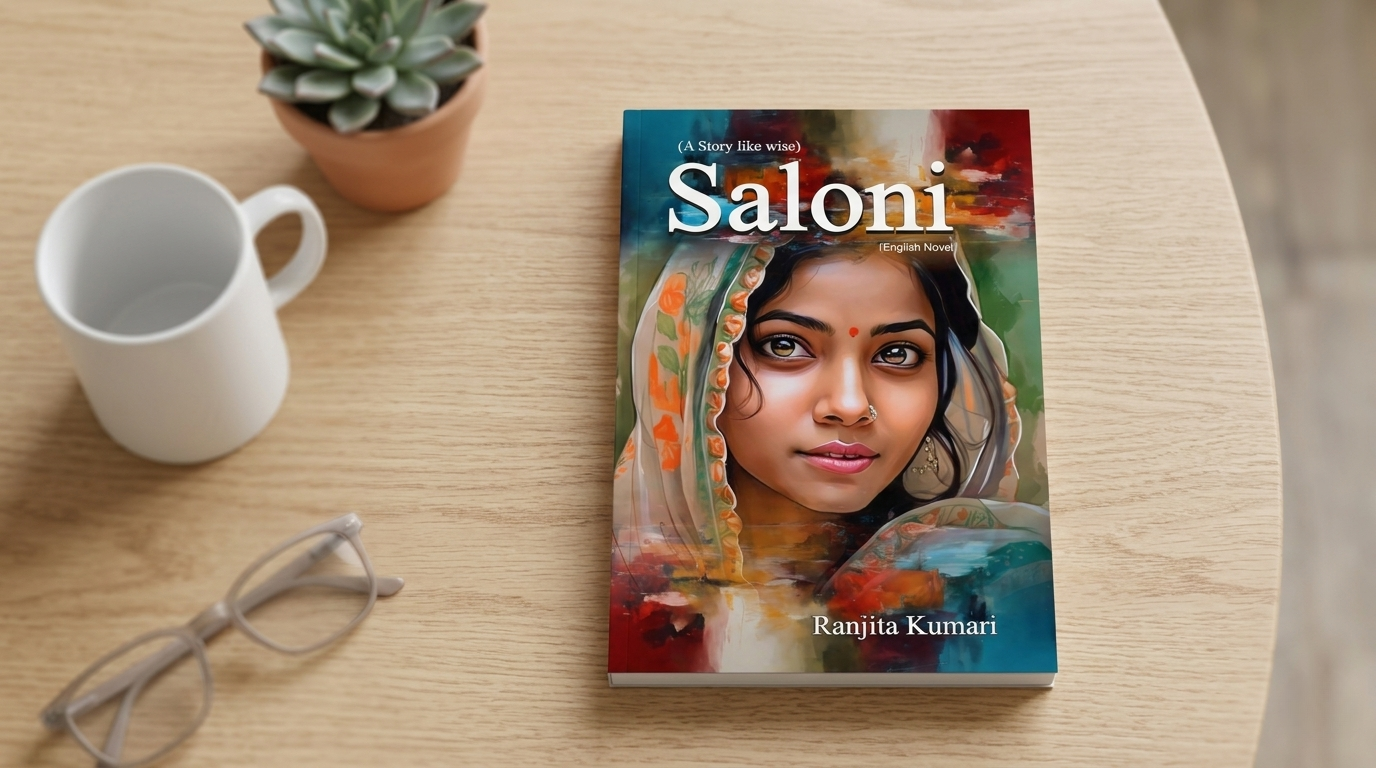
If I had to describe the emotional heart of Saloni, I would say it revolves around endurance and longing.
Endurance because Saloni spends years navigating expectations placed on her as daughter, wife, daughter in law, and mother.
Longing because somewhere inside her there remains a desire to feel loved and respected.
One moment that stayed with me happens when Saloni realizes that love entered her life too late. She had already become a mother and wife before she experienced what emotional connection truly feels like. That realization is heartbreaking.
Another deeply reflective line in the novel talks about how society often blames women for the birth of daughters even though science clearly shows that gender is determined by the male chromosome. Reading that, I honestly paused.
Because even in 2026, this mindset still exists in many places.
The novel quietly asks difficult questions about social expectations, gender roles, and emotional sacrifice.
Who This Book Is For
I think Saloni will resonate with readers who enjoy emotionally grounded social novels.
If you like stories that examine family structures and women’s experiences in traditional societies, this book offers many moments that feel authentic.
Readers who appreciate reflective storytelling rather than fast paced action will likely connect with it more.
It might also speak strongly to women readers who recognize parts of their own lives or the lives of people around them in Saloni’s journey.
However, the narrative style is straightforward and sometimes direct in its commentary. Some readers who prefer very polished literary prose might find the writing uneven in places.
But honestly, the sincerity of the story often makes up for that.
Final Thoughts
After spending time with Saloni by Ranjita Kumari, I kept thinking about how quietly powerful the central message is.
The novel shows that many women carry enormous emotional burdens without recognition.
They sacrifice dreams. They endure criticism. They hold families together even when they themselves feel broken.
And yet their stories rarely appear in books.
This novel attempts to bring that life to the page.
Not as a perfect hero story.
But as a human one.
In the final reflections of the story, we are reminded that countless women live lives similar to Saloni’s. Their struggles often remain hidden behind ordinary routines and family responsibilities. That idea stayed with me long after I finished reading.
Sometimes the most important stories are the ones that look ordinary on the surface.
Because inside them lives an entire world of emotion.
FAQ
Is Saloni worth reading?
If you enjoy social novels that focus on women’s lives, family expectations, and emotional resilience, Saloni offers a deeply reflective reading experience.
What is Saloni about?
The book follows the life of a woman navigating marriage, motherhood, societal expectations, and personal longing while trying to protect her children’s future.
Who wrote Saloni?
Saloni is written by Ranjita Kumari, and it focuses on the emotional realities faced by many women in traditional family systems.
What genre is Saloni?
It is primarily a social novel centered on family life, gender expectations, and emotional relationships.
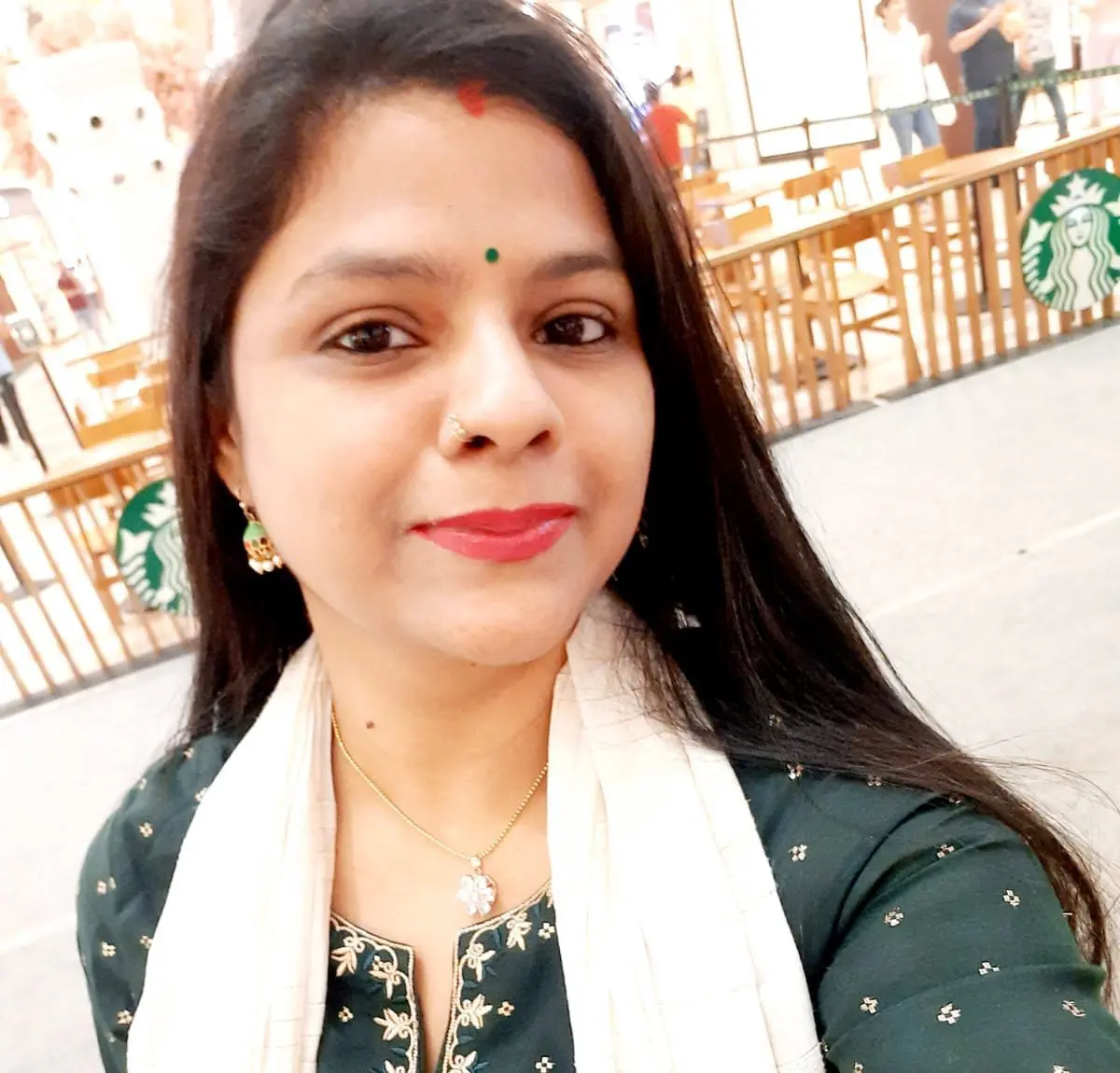
With over 11 years of experience in the publishing industry, Priya Srivastava has become a trusted guide for hundreds of authors navigating the challenging path from manuscript to marketplace. As Editor-in-Chief of Deified Publications, she combines the precision of a publishing professional with the empathy of a mentor who truly understands the fears, hopes, and dreams of both first-time and seasoned writers.