
Rating
⭐⭐⭐⭐ (4.3 out of 5)
A Temple That Has Always Felt Larger Than History
Some places in India feel older than the stories we tell about them.
I remember the first time someone mentioned the Kamakhya Temple to me years ago. Not in a scholarly conversation. Just a casual chai discussion where someone said, “Kamakhya is not just a temple… it’s something else entirely.”
At the time I didn’t fully understand what they meant. But that sentence stayed with me.
So when I first saw “Maa Kamakhya” by Acharya Mani Kashyap, I was immediately curious. Not because books about temples are rare. India publishes many of them. But because Kamakhya is different. It carries layers of mythology, Tantra, spirituality, and even a certain mystery that people whisper about rather than explain.
And looking at the cover of this book, I felt that same sense again.
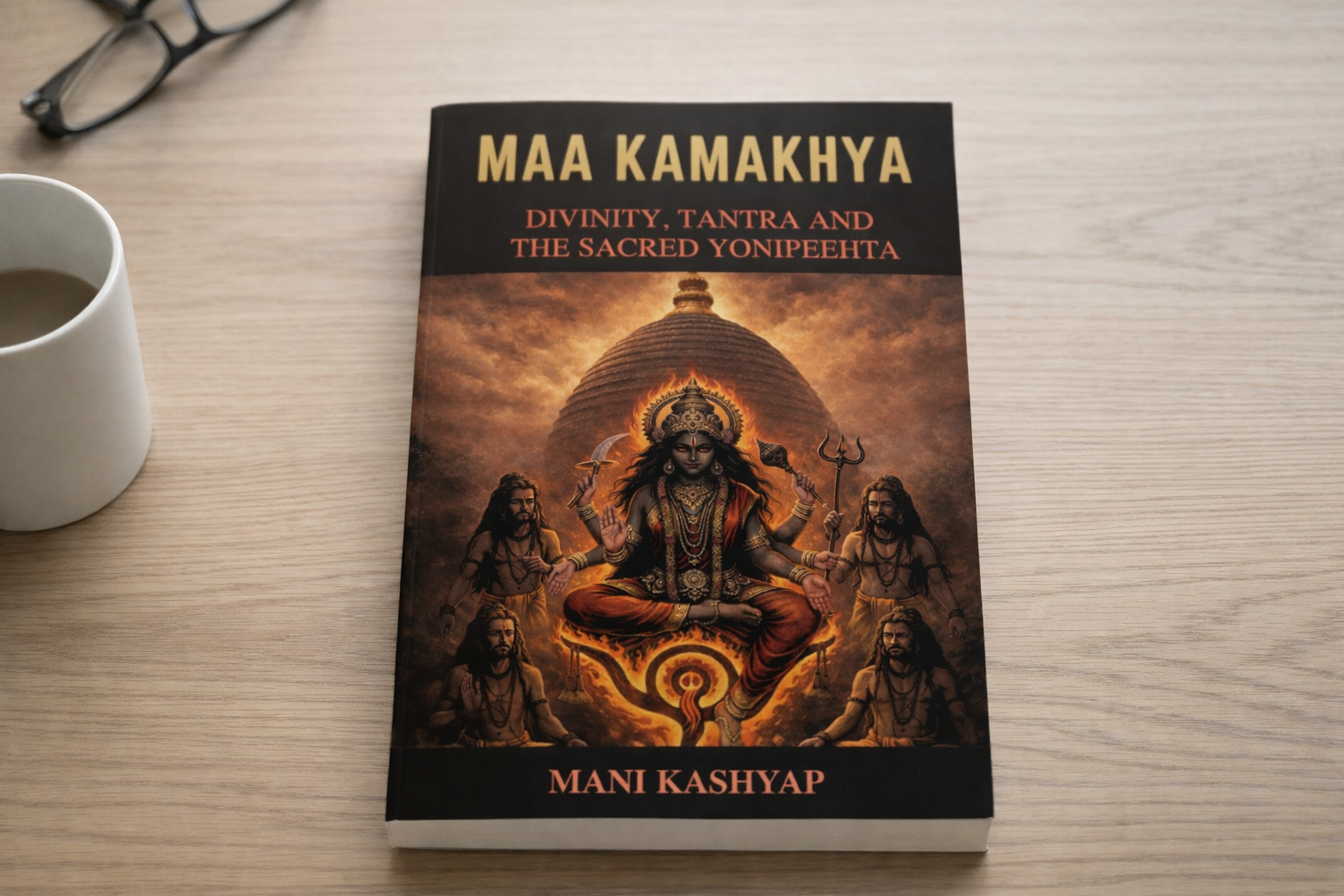
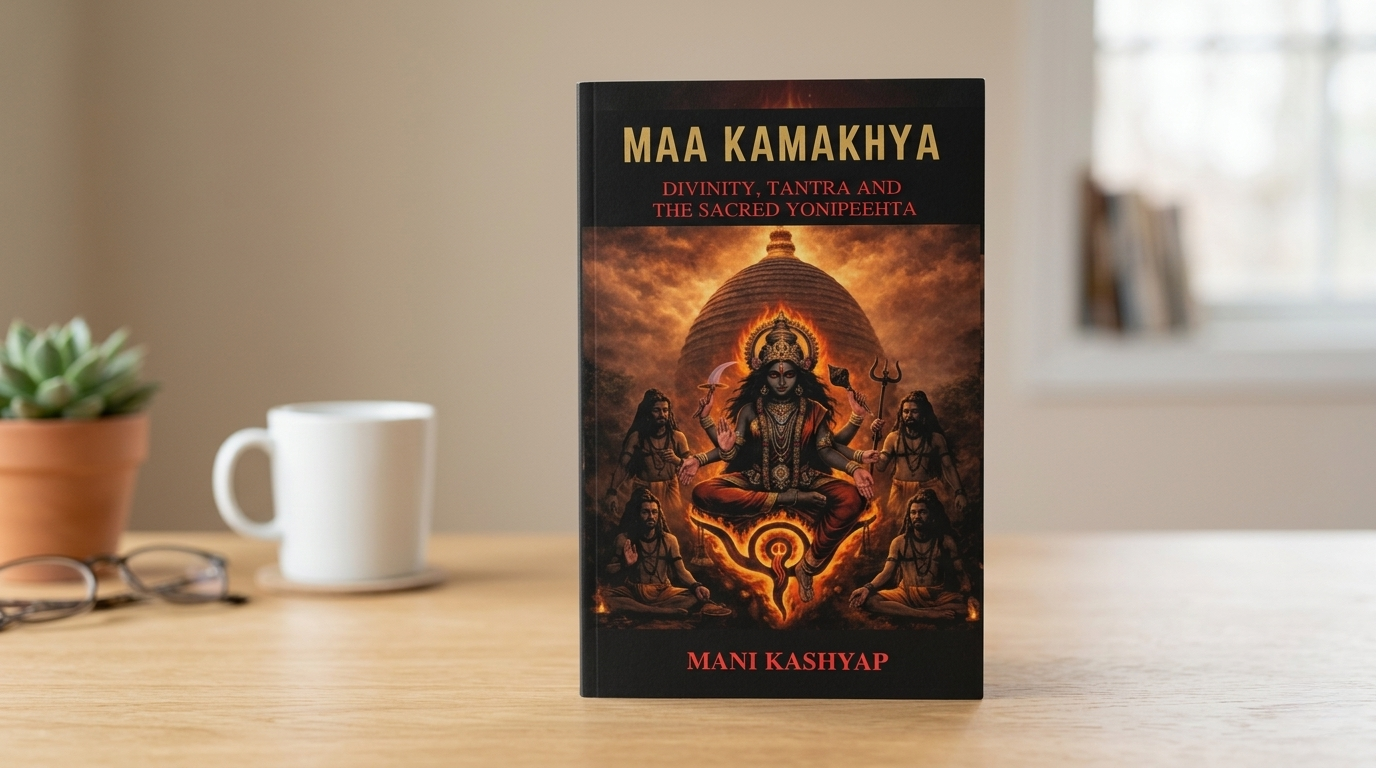
The artwork is intense. Almost fiery. Maa Kamakhya seated in divine power, surrounded by ascetics, with the sacred symbol beneath her. It doesn’t feel decorative. It feels symbolic.
As someone who has spent more than fifteen years reading spiritual literature and reviewing books in my role at Deified Publication, I’ve seen many attempts to write about sacred traditions. Some become too academic. Others turn into devotional pamphlets.
This one seems to aim for something in between. And honestly, that balance is harder than people think.
What the Book Is About
At its heart, “Maa Kamakhya” by Acharya Mani Kashyap appears to be a spiritual and cultural exploration of one of India’s most revered Shakti Peethas.
For readers unfamiliar with it, the Kamakhya Temple sits on the Nilachal Hill in Guwahati, Assam, in the region historically known as Kamarupa. It has long been associated with the Śākta–Tantric tradition, which focuses on the worship of the divine feminine energy, or Shakti.
The book seems to guide readers through several important aspects of this sacred site:
• The spiritual importance of Kamakhya as a major Shakti Peetha
• The symbolism of the Yoni Peetha, one of the most unique aspects of the temple
• The historical roots of Tantra in this region
• Rituals and spiritual practices connected with the shrine
• The idea of feminine divinity within Sanatana Dharma
The blurb suggests that Acharya Mani Kashyap approaches the subject not only as a researcher but also as someone rooted in the tradition itself. That detail actually matters a lot.
Books about spiritual traditions often feel distant when written purely from an academic perspective. But when someone has lived experience with the tradition, the tone changes. There’s usually more reverence. More nuance.
From what the book promises, the author blends scriptural references, Tantric philosophy, and personal spiritual understanding to give readers a broader picture of Kamakhya’s significance.
Not just historically. Spiritually.
And in 2026, when many people are rediscovering older traditions and asking deeper questions about spirituality beyond surface-level rituals, this kind of book feels particularly relevant.
What Stood Out to Me
There are a few things about Maa Kamakhya that immediately caught my attention even before reading the full text.
First, the focus on Shakti.
In many mainstream discussions about Hindu philosophy, the masculine aspects of divinity often dominate the conversation. Shiva, Vishnu, Rama, Krishna.
But the Śākta tradition centers the feminine divine as the ultimate cosmic power.
Kamakhya is one of the most powerful symbols of that philosophy.
The temple’s association with the Yoni Peetha is deeply symbolic. It represents creation, fertility, cosmic energy, and the generative power of the universe itself. It’s not just a religious idea. It’s philosophical. Even metaphysical.
The book appears to lean into that symbolism instead of avoiding it.
And honestly, that’s refreshing.
Another thing I noticed from the description and the author background is the Tantric dimension of the temple. Tantra is often misunderstood in popular culture. People reduce it to sensational ideas without understanding its spiritual depth.
But historically, Tantra has been a complex spiritual discipline involving meditation, mantra, ritual, and philosophical inquiry into consciousness.
If Acharya Mani Kashyap explains these traditions in a grounded, respectful way, that alone makes the book valuable for readers who are curious but hesitant because of all the misconceptions floating around.
I also appreciated the author’s background being mentioned as a Vedic astrologer and spiritual researcher from Assam.
That regional connection matters.
When someone writes about a place that is part of their own cultural landscape, the writing often carries details outsiders miss. Small things. Ritual practices. Local interpretations of myths.
Those layers bring authenticity.
The Emotional Core
Spiritual books sometimes get misunderstood as purely informational.
But honestly, the best ones aren’t.
They make you pause.
They make you reconsider things you assumed were simple.
What I imagine Maa Kamakhya does, if it lives up to its premise, is reconnect readers with the idea that spirituality in India has always been deeply diverse.
Not one tradition. Not one philosophy. But many streams flowing together.
And Kamakhya is one of those rare places where mythology, history, Tantra, and devotion intersect.
I can imagine readers encountering ideas in this book that might challenge their comfort zone a little. The symbolism of the divine feminine. The sacredness of creation. The Tantric perspective on energy.
Some readers might feel fascinated.
Some might feel slightly unsettled.
And that’s okay.
Sometimes the most meaningful spiritual reflections happen when we encounter traditions that don’t fit neatly into the categories we grew up with.
Personally, I find that kind of experience valuable. It reminds us how layered Indian spiritual history really is.
Who This Book Is For
I think Maa Kamakhya by Acharya Mani Kashyap will resonate most with readers who are curious about Indian spiritual traditions beyond the basics.
If you are someone who enjoys books about temples, mythology, and sacred geography, this will probably interest you.
It may also appeal to readers who want to understand Tantric traditions from a more authentic perspective rather than the distorted versions often circulating online.
That said, this book might not be ideal for someone looking for light devotional reading. The themes around Tantra and sacred symbolism can require patience and openness.
And honestly, that’s perfectly fine.
Not every spiritual book needs to be simplified.
Sometimes readers want depth.
I could also see students of Indian philosophy finding this book useful as an introduction to the significance of Kamakhya within the broader Śākta tradition.
Final Thoughts
As someone who reads and reviews books almost every week in my role at Deified Publication, I’ve learned something interesting.
Books about sacred traditions succeed when they respect both faith and curiosity.
Too much devotion without explanation can feel closed.
Too much analysis without reverence can feel cold.
From what I see in Maa Kamakhya, Acharya Mani Kashyap seems to be attempting that delicate balance.
A book like this can serve as a doorway. Not just into the story of a temple, but into an entire philosophical tradition that many people have heard about but rarely understood deeply.
And honestly, in a time when conversations around spirituality often get reduced to quick social media posts or simplified narratives, taking the time to sit with a book about something as layered as Kamakhya feels meaningful.
Even if you don’t agree with every interpretation.
Even if some parts leave you thinking.
Sometimes those are the books that stay with you the longest.
FAQ
Is Maa Kamakhya worth reading?
If you are interested in the spiritual history of Kamakhya Temple and the Śākta–Tantric tradition, this book offers a meaningful introduction to those ideas.
Who should read Maa Kamakhya?
Readers curious about Hindu spiritual traditions, sacred temples, Tantra, and the philosophy of Shakti will likely appreciate it most.
What is Maa Kamakhya about?
The book discusses the religious and cultural importance of the Kamakhya Temple in Assam and explains its connection to the Tantric tradition and divine feminine worship.
Is this book academic or devotional?
It appears to sit somewhere in the middle. The author combines spiritual insight with historical and philosophical context.

With over 11 years of experience in the publishing industry, Priya Srivastava has become a trusted guide for hundreds of authors navigating the challenging path from manuscript to marketplace. As Editor-in-Chief of Deified Publications, she combines the precision of a publishing professional with the empathy of a mentor who truly understands the fears, hopes, and dreams of both first-time and seasoned writers.