
Rating
⭐⭐⭐⭐ (4.3 out of 5)
After spending more than fifteen years reading manuscripts, reviewing books, and working with authors at Deified Publication, I’ve realised that the horror novels I remember most are rarely the ones filled with monsters alone. They are the ones where ordinary lives slowly drift toward tragedy before anything supernatural even appears. Fear becomes stronger when it grows from recognizable human experiences. That was my first impression while reading Whispers of the Dead by Santosh Kumar Sharma.
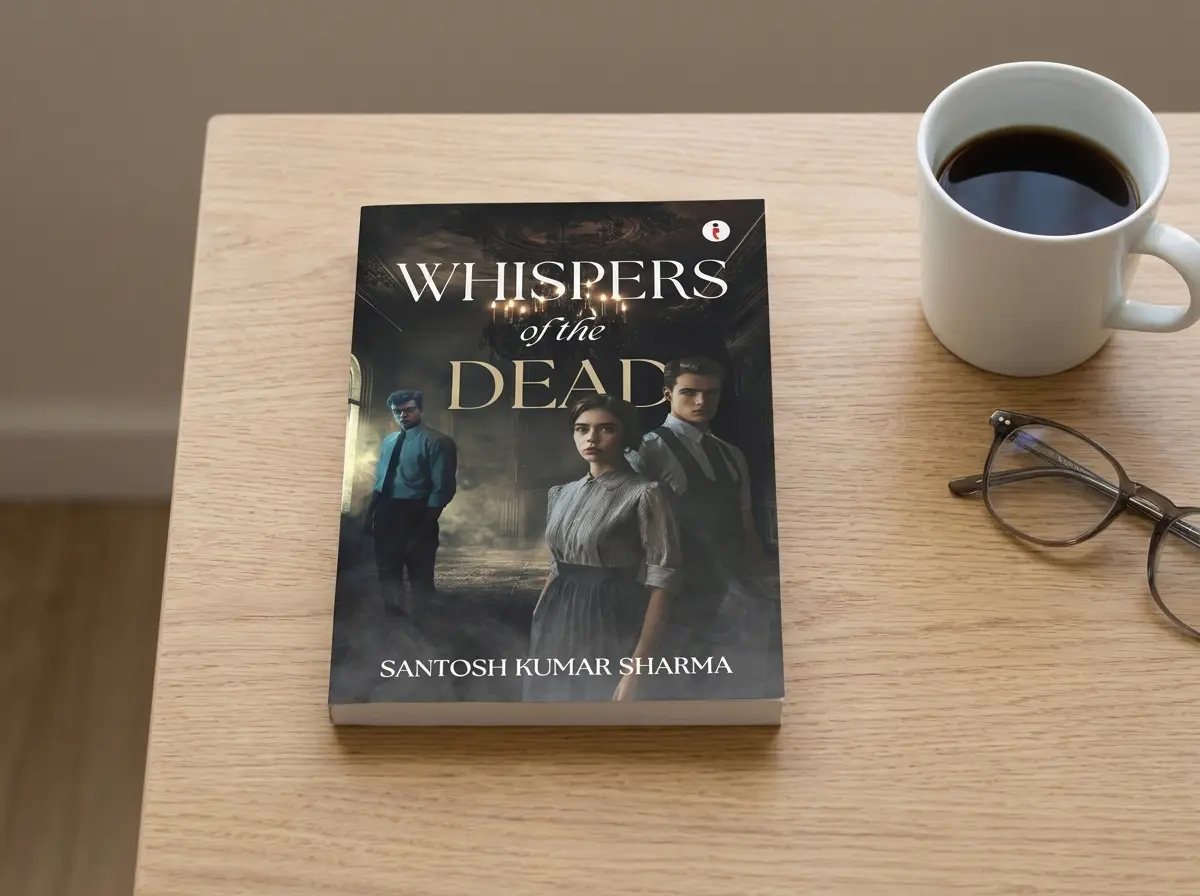
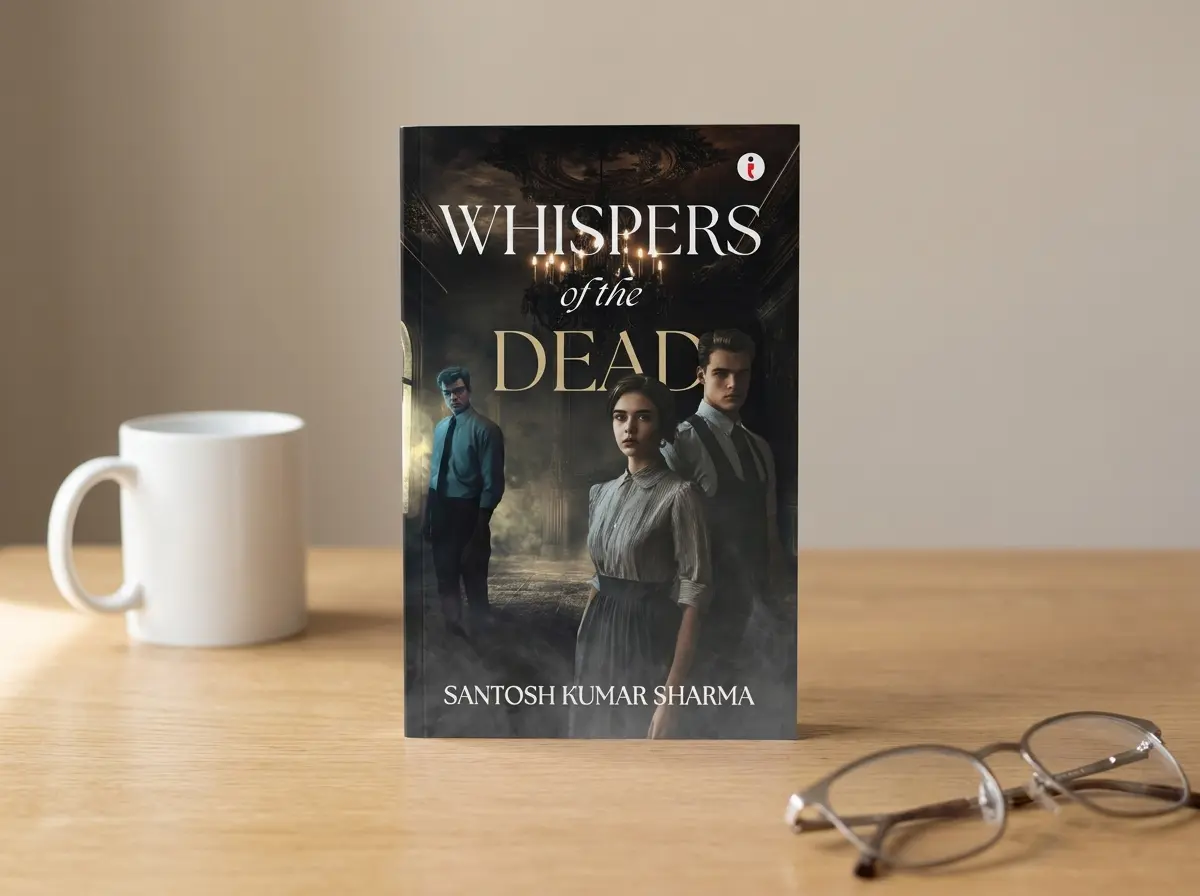
The cover promises an eerie ghost story, complete with shadowy figures, a haunted mansion, and an unsettling atmosphere. Naturally, I expected a fairly traditional supernatural novel. Instead, I found something a little different. Yes, there are ghosts, unexplained encounters, séances, revenge, and chilling moments, but beneath all of that lies a story about honesty, betrayal, corruption, loyalty, and the emotional cost of living by one’s principles.
I think that combination gives the novel its own identity. It isn’t interested only in frightening the reader. It also wants us to ask why some souls never find peace and what kind of injustice could create such relentless anger.
What the Book Is About
The novel opens with an unforgettable incident during a family pilgrimage to Puri. Animesh, unable to sleep, walks alone onto the beach late at night. What begins as a peaceful stroll suddenly transforms into one of the most disturbing scenes in the book. He witnesses a strange young boy whose appearance becomes increasingly terrifying before the child changes into something far more sinister. Soon another supernatural figure joins him, and together they brutally hunt down a group of men along the shoreline. The violence is graphic enough to establish that this story will not soften its darker moments.
What I appreciated here is that Santosh Kumar Sharma does not immediately explain everything. Instead, he allows confusion to exist. The following morning, Animesh himself wonders whether he witnessed reality or simply experienced a terrifying nightmare. That uncertainty gives the opening chapters an unsettling quality.
Another section I genuinely enjoyed follows a conversation among hotel guests discussing personal ghost experiences. One guest narrates the strange wedding performed by a priest for mysterious strangers, only for the gifts of sweets and fruits to transform into ashes and burial remains after reaching home. Another recalls seeing an elderly woman near an old village well late at night. These stories don’t simply fill pages. They recreate the way ghost stories are actually shared across Indian families, where every household seems to have at least one unbelievable tale passed down through generations.
The story later shifts when Animesh, now an award winning novelist, receives encouragement to write a horror novel. While searching for inspiration, he hears about a haunted house connected to the mysterious suicide of an honest bank manager named Vikram. Curiosity eventually leads him to the abandoned house where an encounter with Vikram’s restless spirit changes everything.
From this point onward, the novel transforms into something much larger than a haunted house story. It becomes Vikram’s life story, narrated through his diary and conversations with Animesh, gradually revealing how corruption inside the banking system destroyed an honest man’s life.
What Stood Out to Me
One aspect that impressed me was the author’s willingness to spend time building Vikram as a complete human being before expecting readers to sympathise with him.
We first meet him as a compassionate young man growing up in a modest family. His friendship with Abdul immediately establishes his generous nature. Vikram quietly helps his friend purchase books, uniforms, and stationery despite having very little himself. His mother also embraces Abdul almost like another son. Small scenes like these tell us far more about Vikram than pages of description ever could.
Later, when Vikram begins his banking career, another memorable sequence appears during his training in Kolkata. I smiled while reading the episode where he panics after missing his bus stop and impulsively jumps from a moving bus. It is written almost like something a young employee would actually do during his first visit to a big city. Then comes another uncomfortable moment when he unexpectedly witnesses an intimate encounter at his hotel reception, leaving the innocent small town boy completely bewildered. These scenes add personality without distracting from the larger story.
Perhaps my favourite section in the early chapters involves Vikram helping his struggling colleague Jiten after the death of his father. Everyone knows Jiten has made poor financial decisions and is unlikely to repay any loan. Even Vikram understands this. Yet he quietly hands over almost his entire monthly salary because another family’s grief matters more than recovering the money. That moment genuinely reveals the moral centre of his character. It also makes the later events carry far greater emotional weight because readers understand exactly what kind of man he was before tragedy consumed him.
I also appreciated how banking itself becomes an important part of the narrative instead of merely serving as a backdrop. The descriptions of manual ledgers, balancing accounts before computers existed, staff shortages, union elections, transfers, promotions, office politics, and administrative pressures create authenticity. I have read several novels that use workplaces simply as scenery. Here, the banking environment feels lived in because the details are so specific.
The Emotional Core
I think the strongest emotion running through Whispers of the Dead is not fear. It is helplessness.
Ghosts certainly drive the plot, but beneath every supernatural event lies an ordinary human tragedy. Vikram begins life with ideals, compassion, discipline, and genuine concern for others. He repeatedly helps friends, supports colleagues, earns respect through hard work, and believes honesty still has value. Watching someone like that slowly become trapped inside systems much larger than himself creates a sadness that feels more lasting than the frightening scenes.
One conversation between Vikram’s spirit and Animesh particularly caught my attention. Rather than threatening him immediately, the ghost simply asks someone to hear his story. There is anger, certainly, but there is also exhaustion. He wants the truth to reach the world because he believes that was stolen from him during his lifetime. I found that emotional motivation much more interesting than creating a ghost that exists only to frighten people.
The novel also repeatedly raises an interesting question about justice. If institutions fail honest people, who delivers justice after death? Whether readers interpret the supernatural literally or symbolically, that question remains surprisingly effective throughout the narrative.
In 2026, this message still feels meaningful because discussions around workplace pressure, institutional corruption, mental health, and professional ethics continue across many industries. While this is certainly a horror novel, I think readers may finish it thinking more about people than ghosts.
A Few Things That Could Have Been Stronger
No book is perfect, and I think mentioning a few limitations makes any review more useful.
The novel occasionally explains emotions directly instead of allowing readers to infer them from actions. Some scenes repeat feelings that have already been established, and trimming a few descriptions could have created slightly tighter pacing.
The dialogue also tends to be more formal than everyday conversation. Considering the story spans different decades and many professional environments, this style is understandable, but there were moments where I wished characters sounded a little more spontaneous.
Some readers expecting constant supernatural activity may also be surprised by how much of the novel focuses on Vikram’s professional life inside the banking world. Personally, I found that refreshing because it gives later supernatural events greater meaning, but readers looking only for relentless horror should know that this is very much a story driven by character and circumstance.
Who Should Read This Book?
I would recommend Whispers of the Dead to readers who enjoy horror grounded in believable human experiences rather than endless jump scares. If you appreciate stories where supernatural elements grow naturally from emotional wounds, this novel has a lot to offer.
Readers interested in workplace dramas, especially those connected with banking or public institutions, may also find Vikram’s journey particularly engaging. His career, friendships, leadership qualities, and moral struggles occupy a significant portion of the novel and provide much of its emotional foundation.
I also think this book will appeal to readers who grew up hearing ghost stories from grandparents. The storytelling style often carries that familiar oral tradition where one mysterious incident leads naturally into another. It feels rooted in Indian cultural storytelling rather than trying to imitate Western horror formulas.
If, however, you’re searching for a fast paced horror novel where every chapter introduces another terrifying encounter, this might feel slower than expected. Much of its strength comes from patiently building the people before confronting them with the supernatural.
Final Thoughts
As Editor in Chief at Deified Publication, I read books across almost every genre each year, and I always appreciate authors who try to blend genres instead of following familiar formulas. Whispers of the Dead succeeds because it is willing to spend time with its characters before asking readers to fear for them.
Santosh Kumar Sharma creates a world where ghosts are frightening, but human greed often appears even more destructive. The novel mixes folklore, mystery, banking life, friendship, betrayal, family values, and supernatural revenge into one ambitious narrative. Not every section moves at the same pace, and a little more tightening would have made the storytelling even stronger, but the sincerity behind the writing is evident throughout.
I closed the book thinking less about haunted houses and more about Vikram himself. For me, that says a lot about where the novel’s real strength lies.
FAQs
Is Whispers of the Dead worth reading?
If you enjoy horror that mixes supernatural mystery with realistic human drama, I think it is worth your time. The emotional journey is just as important as the ghostly elements.
Who should read Whispers of the Dead?
Readers who enjoy Indian horror, supernatural fiction, workplace dramas, and revenge stories rooted in emotional conflicts will likely appreciate this novel.
Is Whispers of the Dead only about ghosts?
No. While ghosts play an important role, much of the novel focuses on Vikram’s life, his banking career, corruption, friendships, family values, and the events that eventually lead to the supernatural storyline.
Does Santosh Kumar Sharma rely only on horror?
Not really. The horror works alongside social commentary, emotional storytelling, and moral questions about justice, honesty, and corruption, giving the novel a broader appeal than a conventional ghost story.

With over 11 years of experience in the publishing industry, Priya Srivastava has become a trusted guide for hundreds of authors navigating the challenging path from manuscript to marketplace. As Editor-in-Chief of Deified Publications, she combines the precision of a publishing professional with the empathy of a mentor who truly understands the fears, hopes, and dreams of both first-time and seasoned writers.