
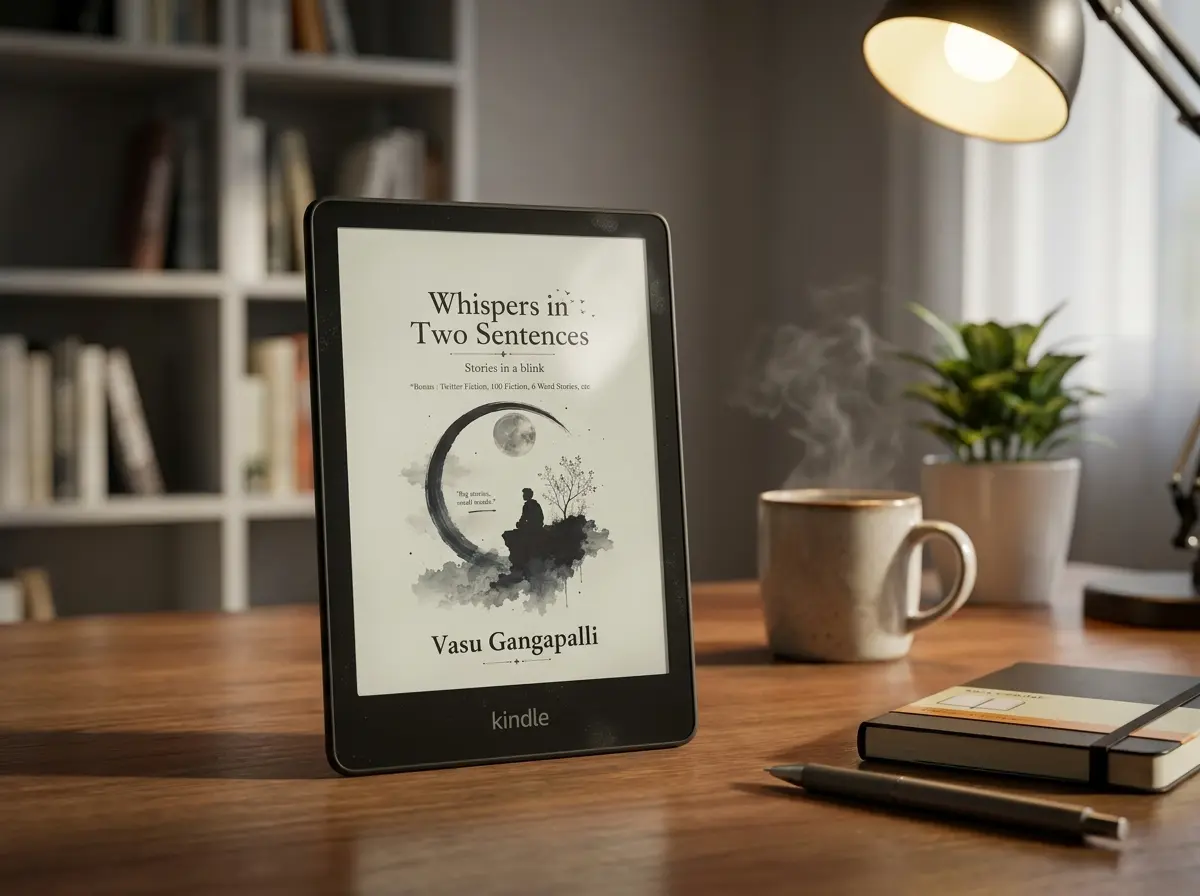
Rating: ⭐⭐⭐⭐ (4.3 out of 5)
After spending years reading novels, memoirs, anthologies, and every kind of fiction imaginable as the Editor in Chief at Deified Publication, I have learned one thing. A story does not need hundreds of pages to make you feel something. Sometimes it only needs a handful of words and the courage to end at exactly the right moment.
That was my first impression while reading Whispers in Two Sentences: Stories in a Blink by Vasu Gangapalli. I picked it up expecting a collection of clever micro stories. What I didn’t expect was how often I found myself stopping after a page, not because it was difficult to read, but because my mind automatically started filling in everything the author intentionally left unsaid.
Writing extremely short fiction is much harder than writing a long story. In a novel, an author has space to introduce characters, build relationships, explain motives, and slowly develop emotions. Here, there is almost none of that luxury. Every sentence carries responsibility. Every word has to justify its place. Some stories surprise you. Others make you smile. A few genuinely send a chill down your spine.
No, every story doesn’t land with equal force. That’s almost impossible in a collection of more than eighty miniature stories. But when they do work, they work remarkably well because they invite the reader to become a co writer, completing the picture inside their own imagination.
That is what I appreciated most about this collection.
What the Book Is About
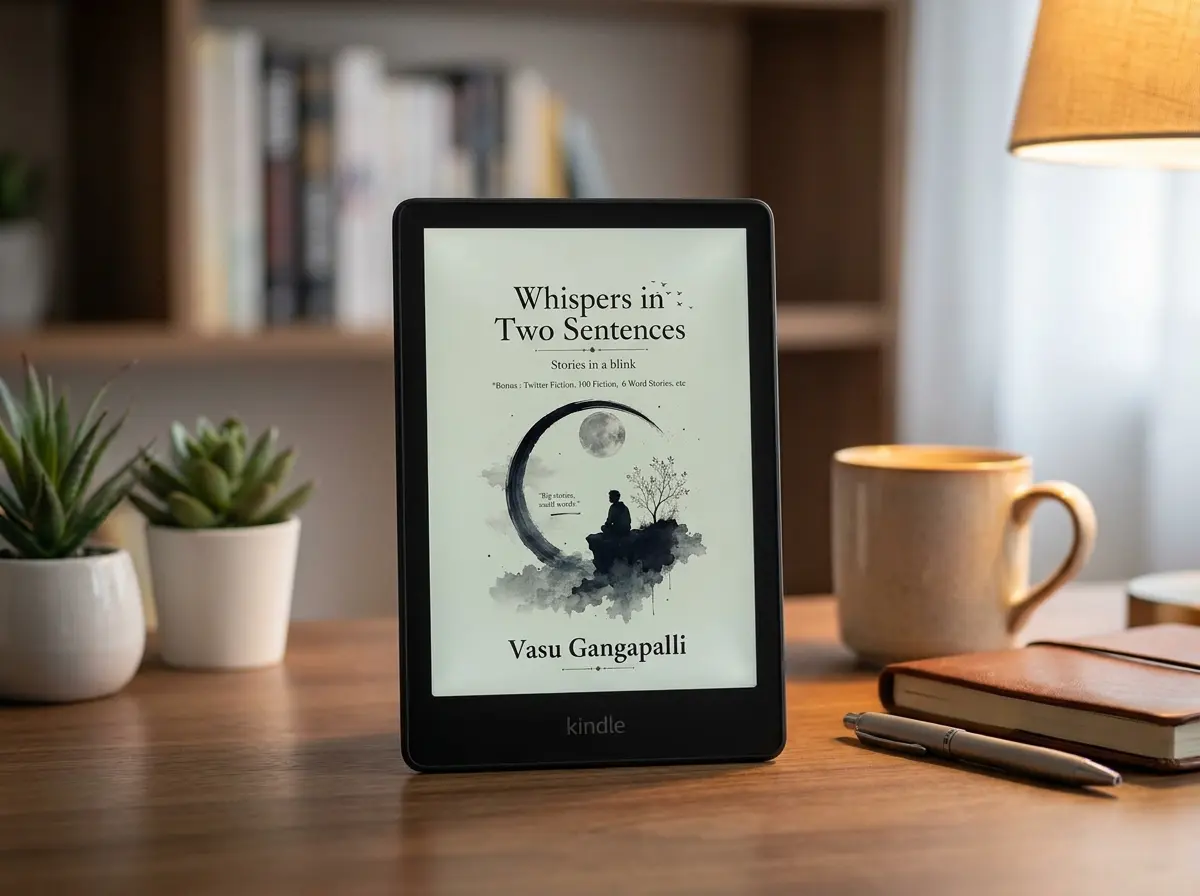
Whispers in Two Sentences: Stories in a Blink is exactly what its title promises. It is a collection of ultra short stories that experiment with multiple flash fiction formats instead of limiting themselves to just two sentence narratives.
The book begins with two sentence stories before gradually introducing six word stories, Twitter fiction, and hundred word fiction. This changing rhythm keeps the reading experience fresh because each section demands something slightly different from the reader.
The stories cover an impressive emotional range. Horror appears frequently, but it never dominates the collection. Alongside eerie encounters, there are stories about love, regret, family memories, mistaken assumptions, imagination, loneliness, nostalgia, coincidence, and human relationships. Some endings depend on a twist. Others rely entirely on emotion.
One thing I appreciated is that the stories never try too hard to explain themselves. They trust readers to connect the dots.
That trust makes a surprising difference.
What Stood Out to Me
The very first story, Imagination, immediately establishes the author’s intent. A father wakes because his daughter is frightened during the night. As he comforts her, he suddenly realizes that the ghostly figures she described resemble characters from his own unfinished horror story. It is such a simple idea, yet it cleverly blurs the boundary between fiction and reality. I smiled because it feels like the sort of nightmare every horror writer secretly fears.
Another memorable piece is The Whispering. The narrator dismisses a strange voice as part of a bad dream, only to hear someone whispering his name again after the bedroom door slowly opens. Nothing dramatic happens. There are no monsters. No elaborate descriptions. Just one tiny shift in reality, and suddenly your own hallway doesn’t seem so friendly anymore. Horror often works best when it leaves room for imagination, and this story understands that.
Then there is Trapped, which might be one of my favourites in the early section. The central idea is haunting because the prison isn’t made of walls. It is an inactive body lying on a hospital bed while the person’s consciousness remains fully aware. That concept instantly creates sympathy and fear without needing lengthy explanations. Stories like this prove that a single powerful premise can sometimes achieve more than pages of description.
Not every memorable story depends on fear. One Rainy Day carries an entirely different emotion. Two strangers meet under a tree during the rain, separate, and meet again exactly a year later beneath that same tree before carving their names inside a heart. There is something beautifully cinematic about that image. The story leaves many questions unanswered, yet those unanswered moments make it feel larger than its actual length.
I also enjoyed seeing how the collection changes pace with the six word stories. Writing meaningful fiction in six words is incredibly difficult because every unnecessary word weakens the impact.
Some of these pieces succeed because they leave a large emotional gap for readers to fill themselves.
Take Trekkers, for example. Lost trekkers. Bodies found. That’s all the story gives you. Yet your imagination immediately begins constructing everything that happened between those two statements. Fear appears not because of what is written, but because of what isn’t.
Similarly, Dog’s Collar looks almost ordinary until you think about it for another moment. Preserving a dog’s collar suddenly transforms into a story about grief, companionship, and memory. Pet owners will probably understand that emotion instantly.
One story that genuinely made me smile was A Vampire’s Story, where the vampire steals from blood banks instead of hunting people. It’s funny, modern, and surprisingly practical. Tiny ideas like this add welcome variety between the darker stories.
The Emotional Core
Although horror is the most visible genre throughout much of the collection, I don’t think fear is the emotion that defines this book.
Memory does.
Again and again, the stories return to memories, unfinished conversations, lost people, missed opportunities, and moments that cannot be recreated.
One example that stayed fresh in my mind is Grandpa’s Presence. The narrator remembers a grandfather sitting on his rocking chair while smoking his pipe. Later, during the night, the familiar rocking sound returns, followed by the smell of tobacco drifting through the room.
Whether the grandfather’s presence is supernatural or simply a memory doesn’t actually matter.
What matters is how naturally the author connects grief with sensory details. Many readers have experienced something similar after losing someone close. A familiar fragrance. A chair that seems occupied for just a second. A voice remembered so clearly that it almost feels real.
That emotional honesty gives the story its strength.
The later Twitter fiction pieces also shift away from horror toward human relationships.
Rush Hour particularly caught my attention because its emotional impact arrives through everyday tragedy rather than fantasy. A woman might have survived if an ambulance had reached her on time. The story doesn’t need elaborate drama because anyone who has experienced city traffic understands exactly how believable that situation feels.
Then there is Loving Thread, which contrasts birth, aging, and death with memories that continue connecting people across generations. It is one of the gentlest stories in the collection and offers a refreshing change after several darker entries.
Perhaps the story that lingered longest in my mind was Play. During a stage performance, an actor accidentally addresses his co actor using the name of someone he once loved instead of the character’s name. That single mistake completely changes how the audience, the heroine, and the reader interpret the scene. Suddenly, an ordinary theatrical performance becomes a window into someone’s buried emotions.
As someone who reads fiction professionally, I enjoy moments like these because they reward careful attention without becoming overly complicated.
There are also stories built almost entirely around irony. An Affair begins like a family secret waiting to explode, only to reveal a completely unexpected explanation involving sperm donation. It is humorous, awkward, and surprisingly wholesome all at once. On the other hand, Tombstone embraces classic supernatural horror. A woman follows a mysterious shadow into a cemetery, discovers a grave carrying her own name and today’s date, then wakes to find herself looking at her own body. It is dramatic, visual, and exactly the sort of ending that fans of paranormal fiction often enjoy.
One reason these stories remain interesting is because the author refuses to remain inside one emotional lane. Just when the book becomes unsettling, it introduces warmth. When romance begins appearing more frequently, horror quietly returns. That constant variety keeps the reading experience engaging from beginning to end.
Who This Book Is For
I think Whispers in Two Sentences will appeal most to readers who enjoy flash fiction, micro fiction, and stories built around a single memorable idea. If you admire books that ask readers to participate by imagining everything that exists between the lines, this collection offers plenty to appreciate.
It is also a good choice for people who struggle to find time for long novels. You can read one story while waiting for your coffee, another during a short commute, and another before going to sleep. Yet many of them encourage you to spend much longer thinking than reading.
If you’re someone who enjoys elaborate world building and deeply developed characters, this may not completely satisfy that expectation. These stories simply have different goals. Their purpose is to capture a single emotion, surprise, or image rather than build an expansive narrative. Accepting that makes the collection much more rewarding.
The horror elements are generally imaginative rather than graphic, making the book approachable for readers who enjoy suspense without excessive violence.
Final Thoughts
After finishing Whispers in Two Sentences: Stories in a Blink, I kept thinking about how difficult this form of writing actually is. Readers often assume that shorter stories are easier to write because they occupy less space on the page. From my experience reviewing books over the years, the opposite is usually true. When an author has only two sentences or a hundred words, there is nowhere to hide. Every sentence has to create atmosphere, establish context, surprise the reader, and leave an emotional impression almost instantly.
Vasu Gangapalli understands that challenge remarkably well. What impressed me most wasn’t simply the number of stories included, but the willingness to experiment. Instead of repeating the same formula eighty times, the collection gradually shifts from two sentence fiction to six word stories, Twitter fiction, and slightly longer hundred word narratives. That variation prevents the reading experience from becoming repetitive.
Of course, not every story affected me equally. A few rely more on the final twist than emotional depth, and there were moments where I wished certain ideas had been given just one or two extra sentences to breathe. Stories like Play, Tombstone, or Grandpa’s Presence demonstrate how emotionally rich this format can become, so naturally I found myself wanting that same level of impact from every piece. But honestly, that’s a very small criticism in a collection containing so many different ideas. With this many stories gathered together, it is almost inevitable that some will resonate more strongly than others depending on the reader.
Something else deserves appreciation. The author never underestimates the reader. There are very few explanations. Endings arrive confidently and then leave the rest to your imagination. That confidence gives the collection its personality. Rather than handing readers complete answers, the stories invite them to become participants. You finish reading, and your own mind starts writing the unwritten third sentence.
In 2026, when attention spans continue shrinking and many readers look for meaningful reading experiences they can enjoy between busy schedules, this format feels especially relevant. That doesn’t mean these stories are disposable or meant to be rushed through. Ironically, despite their size, many of them ask you to slow your thoughts because your imagination continues expanding long after the final period.
As Editor in Chief at Deified Publication, I’ve reviewed books across many genres, and one lesson has remained consistent. Originality doesn’t always come from inventing a completely new genre. Sometimes it comes from presenting familiar emotions through an unusual format. Whispers in Two Sentences succeeds because it respects the intelligence of its readers while embracing simplicity. It reminds us that even the smallest story can create a surprisingly large emotional response when written with precision.
If you enjoy flash fiction, micro stories, supernatural moments, bittersweet memories, and endings that encourage your imagination to do part of the storytelling, I think this collection deserves your attention. It isn’t trying to become a conventional novel, and it never pretends to be one. Instead, it celebrates the beauty of saying more with less, and for the most part, it succeeds beautifully.
FAQs
Is Whispers in Two Sentences worth reading?
Yes, especially if you enjoy flash fiction and very short stories that rely on imagination instead of lengthy explanations. The variety of horror, romance, emotional memories, and unexpected endings keeps the collection engaging from beginning to end.
Who should read Whispers in Two Sentences?
Readers who enjoy micro fiction, horror snippets, six word stories, and creative storytelling formats will probably appreciate this book the most. It is also a good choice for people who want meaningful reading without committing to a long novel.
What genre is Whispers in Two Sentences by Vasu Gangapalli?
The collection blends flash fiction, horror, suspense, romance, slice of life, and emotional literary fiction. Rather than focusing on a single genre, it offers a mix of different storytelling styles.
What makes Whispers in Two Sentences different from other short story collections?
Instead of presenting only traditional short stories, Vasu Gangapalli experiments with multiple formats including two sentence stories, six word fiction, Twitter fiction, and hundred word stories. That variety gives the book a distinctive rhythm.
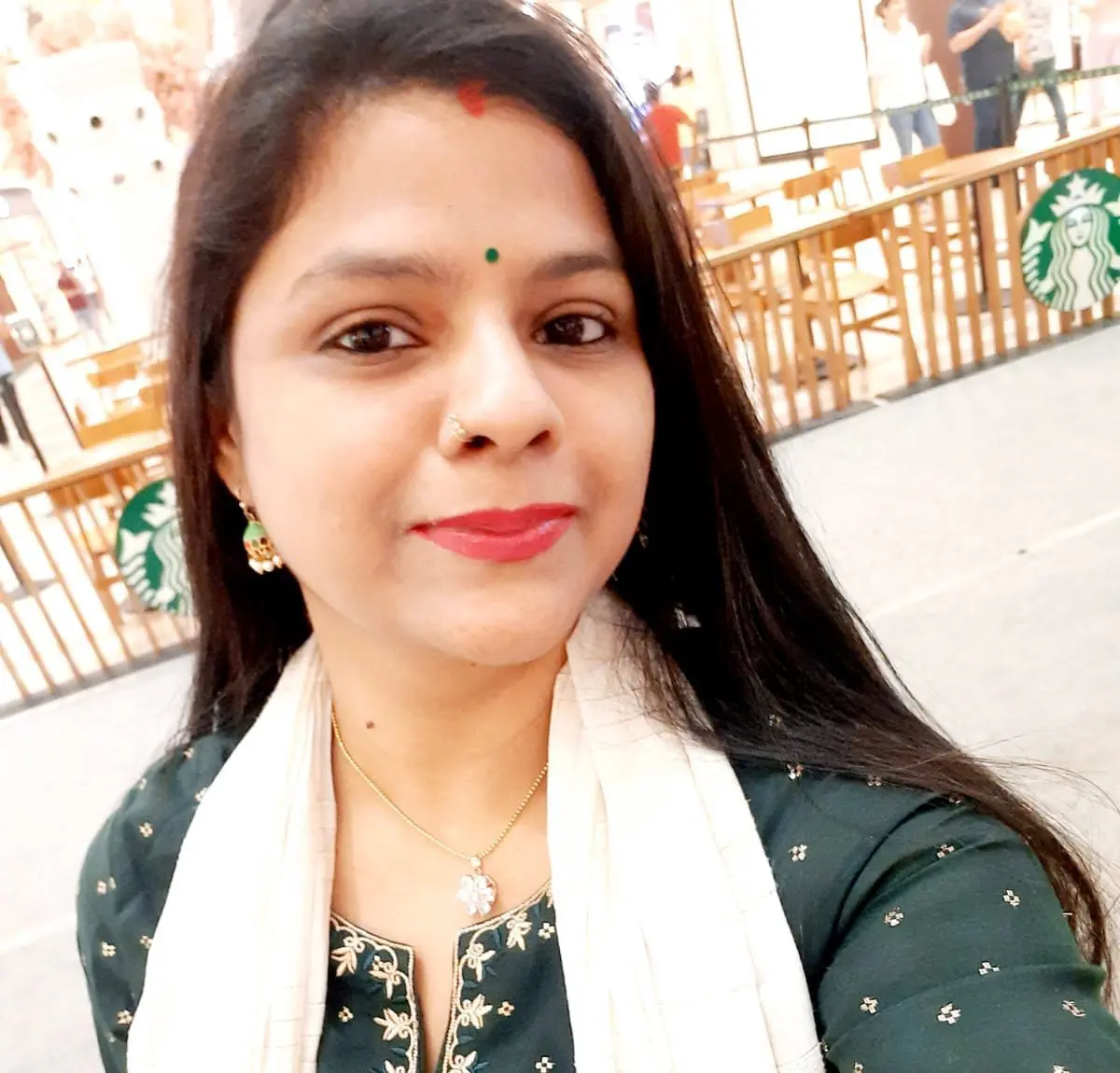
With over 11 years of experience in the publishing industry, Priya Srivastava has become a trusted guide for hundreds of authors navigating the challenging path from manuscript to marketplace. As Editor-in-Chief of Deified Publications, she combines the precision of a publishing professional with the empathy of a mentor who truly understands the fears, hopes, and dreams of both first-time and seasoned writers.