
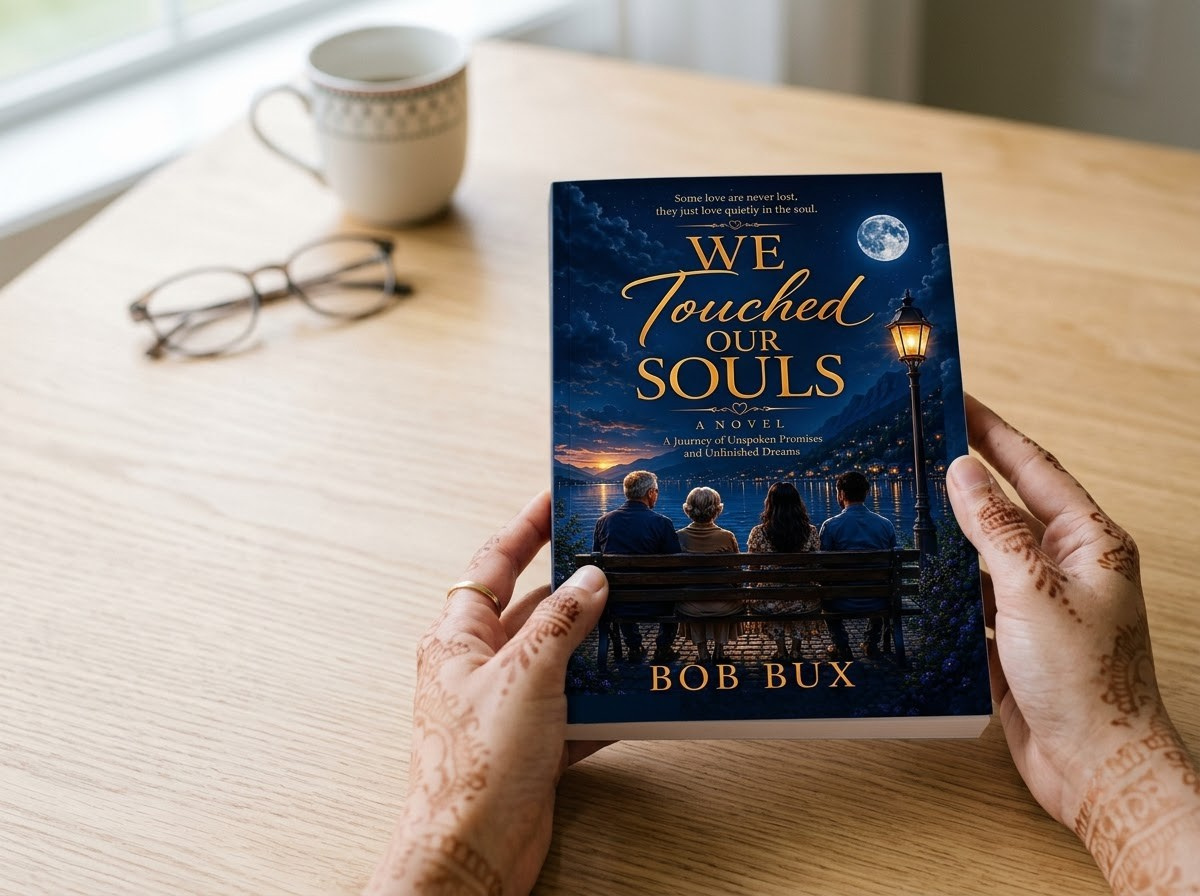
Rating: ⭐⭐⭐⭐ (4.2 out of 5)
I have spent more than fifteen years reading books of every shape and size, and I often find myself searching for stories that feel genuinely real. As the Editor-in-Chief at Deified Publication, my desk is constantly piled high with manuscripts, but most romance novels feel too clean and wrapped up in neat bows. Last night, as I sat with a warm cup of chai, I finished a book that refused to offer those easy resolutions. The novel under my microscope is We Touched Our Souls by Bob Bux, and it is a book that definitely made me stop and think about the sheer messiness of human relationships. It is not a story that tries to sell you a fantasy, but rather one that looks at the heavy cost of loving the right person at the wrong time. I was not expecting to feel so conflicted, but some parts of this narrative hit differently because they reflect the true complications we face in life.
What Bob Bux’s New Novel is About
When readers ask me what is it about, I tell them it is a book summary of a slow emotional conflict. Our narrator is James, a man who is legally bound to his wife Maria, even though the warmth has completely left their marriage. James meets a colleague named Sara, and what begins as simple office conversation slowly transforms into a deep connection. However, this is not a simple story of infidelity because both characters carry heavy scars from their pasts. James was previously left heartbroken in London by a woman named Liza, while Sara was deeply hurt by her first love Jim, a man who repeatedly broke his promises. When James’s marriage with Maria completely crumbles, Maria refuses to grant him a divorce, leaving James and Sara trapped in an emotional limbo. The story details their secret bond, the judgment of their families, and the heavy burden of a love that lacks social legitimacy.
Looking at the Style, Characters, and Craft
In this We Touched Our Souls Book Review, we have to look closely at how Bob Bux constructs his characters and their world. The style is highly reflective, focusing heavily on mundane daily routines rather than dramatic events. One of the most charming scenes happens when James and Sara visit a traditional market in Kolkata to eat spicy street food called puchkas. James stands there watching Sara eat, realizing that her happiness has become the most important thing in his life. This focus on small details is where the author succeeds, making the characters feel like people you might actually know. However, the story also takes some highly unexpected turns, such as when the narrative describes James’s intense anxiety over his belief that Maria is practicing witchcraft. This particular plot point felt a bit strange to me, but it vividly illustrates the deep paranoia and mental exhaustion James suffers while trapped in his unhappy marriage.
Another fascinating aspect of the book is how it handles the domestic life of Sara and her recovering mother, who is battling breast cancer. During her mother’s recovery, they hire a maid named Tina, who turns out to be a master thief. Tina is a brilliant cook who distracts Sara with flawless chocolate souffles every time a silver spoon or a gold pocket watch goes missing. Sara eventually traps Tina by leaving a glittering sapphire ring on the kitchen counter, which leads to a bittersweet confrontation. These domestic subplots show the immense pressure Sara faces as she manages her household, her sick mother, and her secret relationship. Later in the book, James and Sara plan a trip to Italy and Greece, and we see another lovely, realistic detail at the airport. Sara packs potatoes, onions, and heavy spices in her suitcase because she wants to cook familiar meals, which leads to hilarious confusion with the airline staff over excess baggage.
The Heavy Emotional Weight of the Story
The emotional weight of the novel relies entirely on the conflict between desire and responsibility. James is not a perfect protagonist, and honestly, I found myself getting frustrated with his indecision and his inability to tell Sara the truth about his marriage early on. When his phone lights up with the word “Wife” while they are sitting in a cafe, the sudden revelation shatters Sara’s trust. I teared up a bit during this scene because the pain of realizing that your perfect partner is out of reach is so beautifully written. The author does not paint Maria as a simple villain, even though her refusal to divorce James creates a prison for everyone involved. Instead, the book forces us to sit with the reality that some situations have no happy endings, and that some promises are simply too heavy to carry. It is the kind of book that sits with you, making you question what you would do if you were caught in a similar storm.
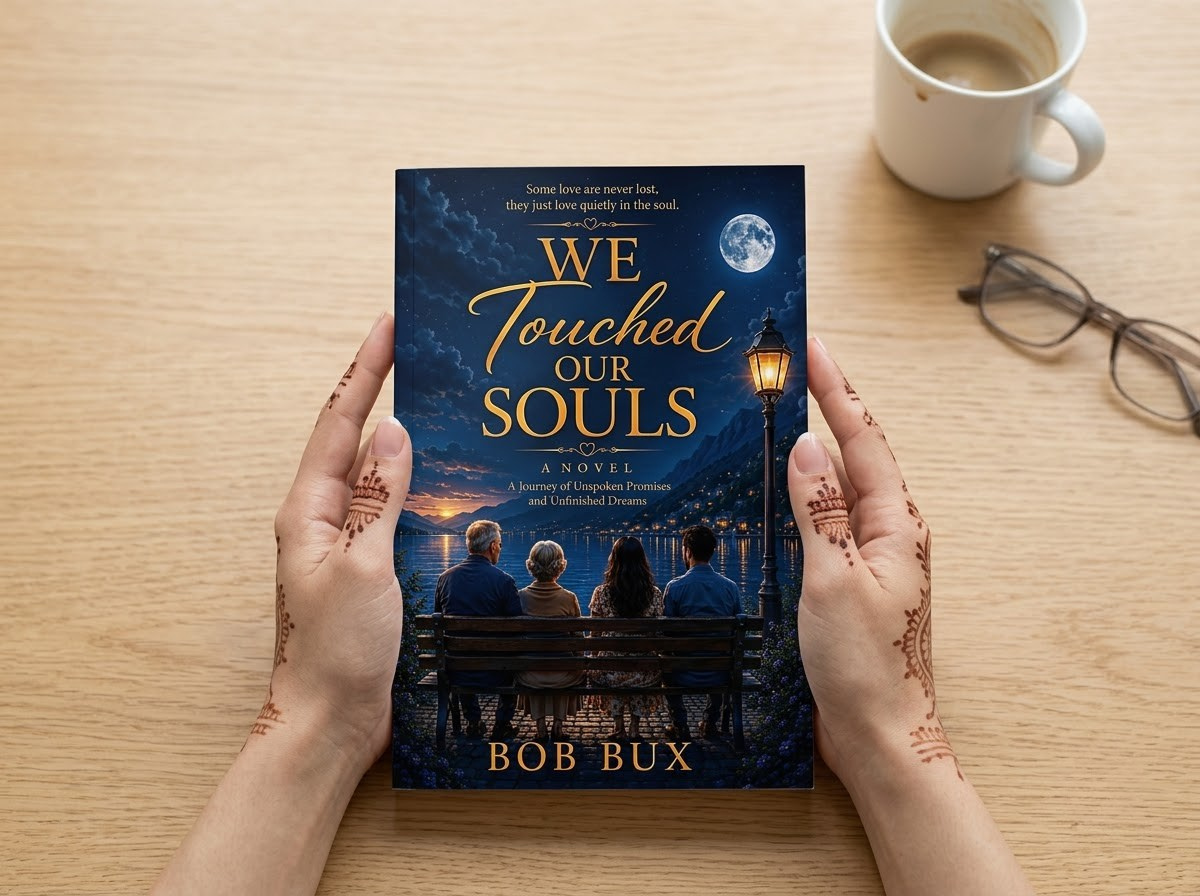
Should You Read This Book or Skip It?
So, should you read this novel, and is it worth it to spend your time on such a heavy story? I believe this book is ideal for readers who appreciate realistic, character-driven dramas that do not shy away from moral gray areas. If you enjoyed books like The End of the Affair by Graham Greene, which also depicts the painful intersection of love, guilt, and marital duty, you will find a similar atmosphere here. However, this book is definitely not for everyone, and some readers might want to skip it entirely. If you are looking for a lighthearted romance with a guaranteed happy ending, or a fast-paced plot filled with constant action, you will likely find the pacing too slow. The heavy focus on domestic chores, family illness, and unresolved legal battles requires patience, and the lack of a conventional resolution might disappoint those who prefer neat endings.
My Honest Closing Thoughts on This Love Story
In my honest reader review, I must admit that the book has a few flaws that kept it from being perfect. The sudden introduction of the witchcraft theme in the later chapters felt somewhat disjointed from the realistic tone of the rest of the book, and the pacing occasionally drags during the long descriptions of office routines. Even as we head into 2026, where modern relationships are often depicted as fast and disposable, this book reminds us of the enduring weight of traditional family expectations. Bob Bux has written a deeply sincere narrative that feels more like a confession than a novel, and that authenticity is its greatest strength. It is a story about the courage to accept the consequences of our choices, even when those choices bring us pain. Despite my mild criticisms, the emotional honesty of the final chapters left a lasting impression on me, and I suspect it will do the same for you.
FAQs
Is We Touched Our Souls based on a true story?
While the author presents the narrative through a highly realistic first-person perspective, the book is a work of fiction that draws inspiration from real human struggles. James’s emotional conflicts, his career difficulties, and the domestic challenges faced by Sara’s family are designed to reflect the genuine complexities of everyday life. Many readers will find that the story feels incredibly authentic because it avoids typical romantic tropes and focuses instead on the heavy sacrifices people make for duty. Bob Bux succeeds in creating a world where the choices feel realistic, making it easy to believe that these characters exist somewhere in our own neighborhoods. Personally, the story felt so close to real life that I had to remind myself it was a novel, which speaks volumes about the writer’s ability to capture the details of ordinary existence.
How does the book handle the themes of marriage and divorce?
The novel presents a very complex and often painful view of marriage, showing it not just as a romantic bond but as a heavy social and legal contract. James’s existing marriage to Maria is depicted as an emotional prison, held together only by history, obligation, and Maria’s steadfast refusal to grant a divorce. The story highlights how difficult it is to dissolve a relationship when society and family expectations demand that you keep up appearances. Sara’s family also holds deep traditional values, believing that love can only find its true expression and dignity within the sanctity of marriage. This creates a constant tension between James’s desire to build a life with Sara and the legal and social boundaries that keep him trapped, showing that the law can preserve a contract but it cannot legislate affection.
What is the significance of the secondary characters like Liza and Jim?
The characters of Liza and Jim are crucial because they represent the emotional histories and unresolved baggage that both James and Sara carry into their relationship. Liza was James’s first major love in London, and her sudden betrayal left him with deep-seated insecurities and a profound fear of trusting anyone again. Jim was Sara’s first love, a man whose unfaithfulness and broken promises left her carrying a deep sense of emptiness and a need for constant reassurance. These past relationships constantly influence the present, causing misunderstandings and emotional battles between James and Sara when they compare their current situation to their past wounds. By including these characters, the author shows that we never enter a new relationship with a clean slate, and that our past experiences always shape how we love in the present.
Does the novel have a traditional happy ending?
If you are looking for a story that wraps up every conflict with a neat, joyful resolution, you will likely find yourself disappointed by this book. The narrative does not offer a simple victory or a clean escape from the difficult circumstances the characters face, reflecting instead the stubborn realities of legal and social battles. James and Sara do not get to walk away untouched by the pain of their choices, and the ending is marked by a mixture of deep love and ongoing sacrifice. It is a conclusion that values emotional honesty over easy satisfaction, showing that some love stories are meant to be remembered rather than completed. While this might frustrate readers who prefer conventional romance endings, I felt that the realistic conclusion was the most respectful way to honor the heavy struggles of the characters.

With over 11 years of experience in the publishing industry, Priya Srivastava has become a trusted guide for hundreds of authors navigating the challenging path from manuscript to marketplace. As Editor-in-Chief of Deified Publications, she combines the precision of a publishing professional with the empathy of a mentor who truly understands the fears, hopes, and dreams of both first-time and seasoned writers.