
Rating
⭐⭐⭐⭐ (4.3 out of 5)
As someone who has spent more than fifteen years reading and reviewing books across genres, I have noticed that stories about unexpressed love often fall into one of two traps. They either become overly dramatic, where every emotion is amplified to the point of exhaustion, or they become so restrained that readers struggle to feel anything at all.
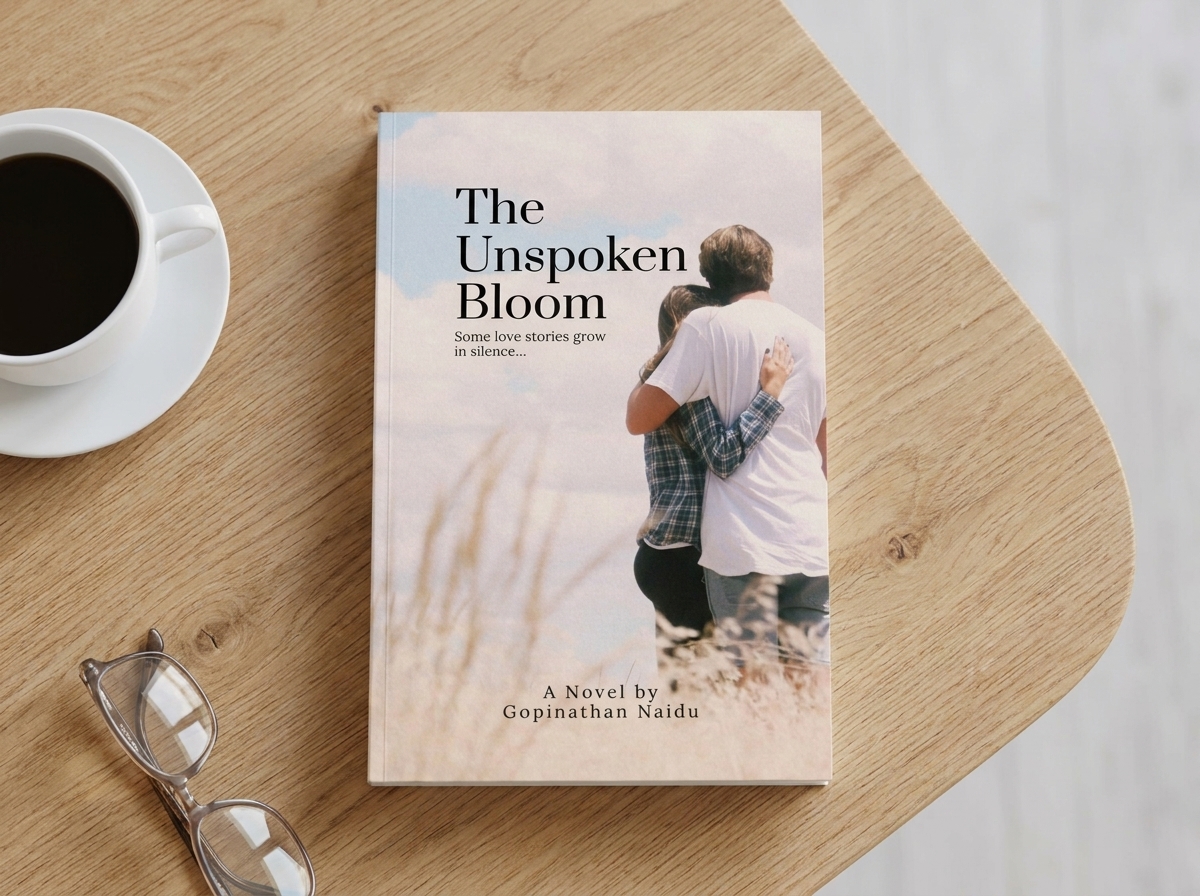
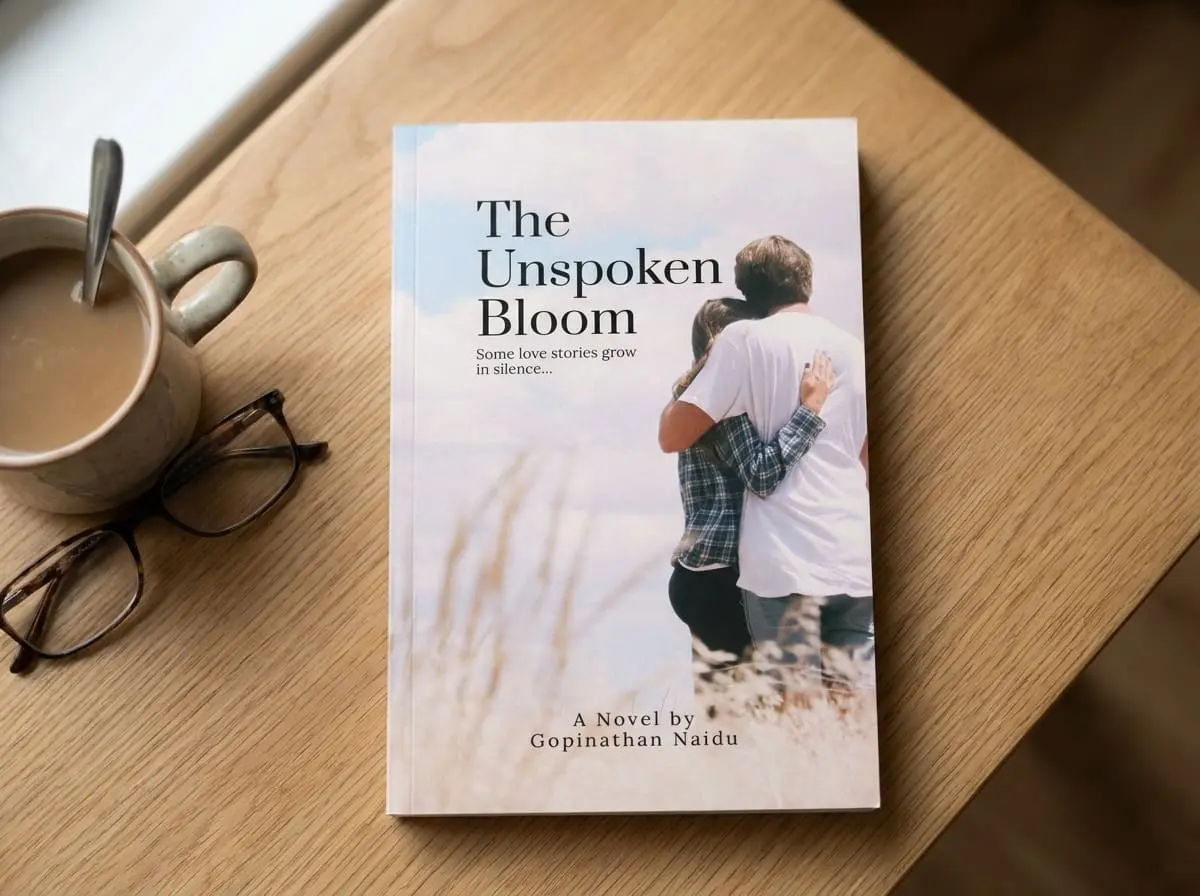
The Unspoken Bloom: Some Love Stories Grow in Silence… by Gopinathan Naidu manages to avoid both extremes.
What surprised me most was not the central romance itself. It was how much attention the author gives to the emotional consequences of hesitation. Many love stories ask whether two people will end up together. This novel asks a different question: What happens when two people keep waiting for the perfect moment to speak their truth?
That question sits at the heart of this book.
And honestly, it is a question many readers will recognize from their own lives.
What The Book Is About
At its core, The Unspoken Bloom follows Meera and Arjun, two people connected since childhood through family, tradition, familiarity, and a bond that exists long before either of them fully understands it.
The early chapters establish a relationship built through shared experiences rather than dramatic declarations. We see them growing up within the same social circle, participating in festivals, family gatherings, and everyday moments that slowly shape their connection.
One scene from the opening chapters particularly stood out to me. During a Holi celebration, young Meera finds herself overwhelmed by the chaos around her. Arjun instinctively steps in to protect her from an incoming splash of color. It is a small moment on paper, but it tells readers everything about the dynamic between them. The affection is not spoken. It appears through actions.
That pattern continues throughout much of the novel.
As the story progresses, family expectations begin tightening around both characters. Marriage discussions emerge. Suitable matches are introduced. Traditional obligations start carrying greater weight. Meera and Arjun continue understanding each other deeply, yet neither takes the decisive step needed to change the course of their future.
The result is a slow emotional collision between desire and duty.
The table of contents itself hints at this progression beautifully. Chapter titles such as The Comfort of Tradition, The Weight of Expectation, The Blur of Boundaries, The Ghost of Commitment, and The Crossroads: Duty vs. Desire show a clear emotional escalation. The story is not simply about romance. It is about the increasing cost of avoidance.
By the time engagement discussions and family decisions begin taking shape, readers already understand what is at stake.
What Stood Out To Me
The strongest aspect of The Unspoken Bloom is its understanding of emotional timing.
Gopinathan Naidu seems less interested in grand romantic gestures and more interested in the invisible moments that shape relationships.
There are numerous scenes where Meera and Arjun communicate through looks, gestures, memories, and shared understanding. In weaker novels, this kind of approach can become repetitive. Here, it largely works because the author consistently raises the emotional stakes around those interactions.
A glance means something different in Chapter 3 than it does in Chapter 14. A conversation that feels harmless early in the story becomes emotionally charged later because readers understand everything that remains unsaid beneath it.
I also appreciated how the family dynamics are handled. Aunt Kavita is particularly interesting. She is not written as a cartoon villain standing between two lovers. Instead, she represents a very real force that exists in many communities: the belief that stability, respectability, and social approval are more important than emotional truth. That makes her more believable. Similarly, Rahul Kapoor and Priya Singh are not presented as cruel obstacles. They function as symbols of the futures others have chosen for Meera and Arjun.
In my experience reviewing relationship driven fiction, these nuances matter. Stories become richer when competing choices have genuine logic behind them. Another strength is the structure of the novel.
The story unfolds gradually. Readers witness childhood familiarity transform into emotional dependence, then into longing, and eventually into crisis. The progression feels intentional rather than rushed.
That said, I do think some readers may find portions of the middle section repetitive. The novel spends significant time reinforcing emotional tension before major developments occur. Personally, I understood why the author made that choice because the entire book revolves around hesitation. Still, some readers may wish events moved slightly faster.
It is a minor criticism, but worth mentioning.
The Emotional Core
What affected me most while reading The Unspoken Bloom was not the romance itself.
It was the fear. Not fear of rejection. Fear of consequences. Fear of disappointing parents. Fear of disrupting family harmony. Fear of choosing yourself when everyone around you expects something different. Those emotions feel very real.
There is a scene involving a family health crisis that becomes a turning point for the relationship between Meera and Arjun. Up until that point, much of their connection exists in a protected emotional space. The crisis strips away some of that protection. Suddenly the practical realities of care, responsibility, and vulnerability enter the picture.
Those chapters are among the strongest in the book.
The author shows how shared hardship can reveal truths that comfort often hides.
Later, when marriage arrangements become increasingly concrete, the emotional pressure intensifies dramatically. By then, readers understand exactly why every decision matters.
What I found particularly effective was that the novel never treats silence as something romantic.
Many books glorify emotional withholding. This one doesn’t. The central message is actually the opposite. Silence has consequences. Indecision has consequences. Waiting has consequences.
In 2026, that idea feels surprisingly relevant. We live in a world where people often postpone difficult conversations, hoping circumstances will somehow resolve themselves. This novel argues that circumstances rarely do. Eventually, a choice must be made.
The Writing Style
Gopinathan Naidu writes in a highly emotional and descriptive style.
The prose often focuses on atmosphere, gestures, expressions, and internal reflection. Readers who enjoy character driven romance will likely appreciate this approach.
The recurring imagery of stars, festivals, family homes, jasmine scented evenings, and traditional gatherings creates a strong sense of place. The setting never feels generic. The cultural backdrop becomes part of the emotional framework of the story.
I also liked that the author understands the power of recurring motifs.
The “first star” memory appears several times throughout the narrative and gradually takes on deeper meaning. Small details introduced early are revisited later with greater emotional significance.
Those touches give the novel cohesion.
Who This Book Is For
I think The Unspoken Bloom will resonate most with readers who enjoy emotional relationship driven fiction rather than plot heavy storytelling.
If you love books where character emotions take center stage, there is a good chance this novel will work for you.
You may especially enjoy it if you like:
- Friends to lovers stories
- Slow burn romance
- Family centered narratives
- Indian cultural settings
- Emotionally reflective fiction
- Stories about choices and consequences
On the other hand, readers looking for fast paced romance, frequent twists, or highly dramatic external conflict may find the story slower than expected.
This book invests heavily in emotional buildup.
Whether that works for you will depend on your reading preferences.
Final Thoughts
After finishing The Unspoken Bloom, I kept thinking about how many people have experienced some version of this story. Maybe not the exact circumstances. Maybe not the same cultural expectations. But the feeling is familiar. Knowing what you want. Knowing what you feel. And still struggling to say it.
As an editor, I encounter many romance manuscripts every year. What makes this novel stand out is its understanding that love is not always defeated by distance, betrayal, or circumstance. Sometimes it is threatened by something much simpler. Delay.
Gopinathan Naidu has written a heartfelt story about affection, family expectations, emotional courage, and the price people pay when they wait too long to speak honestly.
It will not be the right book for every reader. The pace can be deliberate, and the emotional focus is intense. But for readers who enjoy relationship centered fiction with strong emotional investment, there is a lot here to appreciate.
FAQs
Is The Unspoken Bloom worth reading?
If you enjoy emotionally driven romance and character focused storytelling, I would say yes. The novel invests deeply in relationships and emotional consequences rather than constant plot twists.
Who should read The Unspoken Bloom?
Readers who enjoy slow burn romance, Indian family dramas, and stories about love complicated by social expectations will likely connect with this book.
What is The Unspoken Bloom about?
The story follows Meera and Arjun, two people whose lifelong connection is tested by family expectations, arranged marriage pressures, timing, and their inability to express what they truly feel.
Is The Unspoken Bloom a happy or sad novel?
Without spoiling key developments, I would describe it as emotionally intense rather than purely happy or sad. It focuses heavily on choices, consequences, and personal courage.

With over 11 years of experience in the publishing industry, Priya Srivastava has become a trusted guide for hundreds of authors navigating the challenging path from manuscript to marketplace. As Editor-in-Chief of Deified Publications, she combines the precision of a publishing professional with the empathy of a mentor who truly understands the fears, hopes, and dreams of both first-time and seasoned writers.