
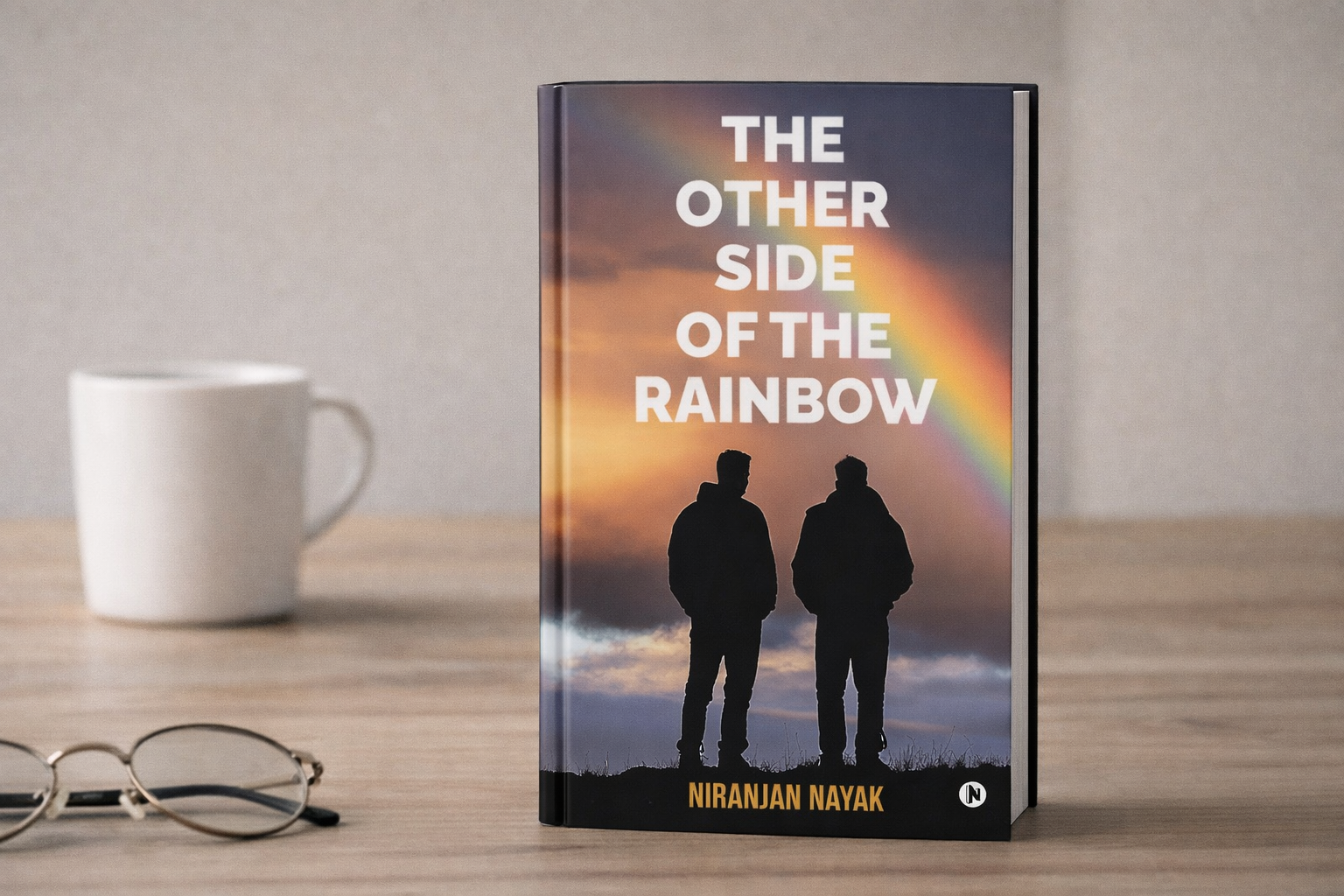
Rating:
⭐⭐⭐⭐ (4.3 out of 5)
I want to begin by admitting something I don’t always say out loud. When a book announces, right on its back cover, that it will haunt you and that it does not offer the luxury of catharsis, I get a little cautious. I’ve read enough fiction, especially campus novels and coming of age stories, to know that such promises can sometimes feel exaggerated. Big words. Heavy claims. And occasionally, not enough emotional grounding to earn them.
But The Other Side of the Rainbow made me pause. Not because it shouted at me, but because of how restrained that warning felt. It wasn’t bragging. It felt more like a quiet disclaimer.
I’m Priya Srivastava, Editor in Chief at Deified Publication, and in my fifteen plus years of reading and reviewing fiction, I’ve noticed that the books which leave the deepest marks are rarely the ones that resolve everything neatly. They are the ones that trust readers to sit with discomfort. This book seems to belong to that category, and honestly, that already sets it apart.
What the Book Is About
The Other Side of the Rainbow is set in the late 1980s at Ravenshaw College in Odisha, a place that carries both academic prestige and emotional memory for many who’ve passed through its corridors. The novel follows two young men from very different social and emotional backgrounds. Their lives intersect during their college years, a time that often feels like the beginning of everything and the end of innocence at the same time.
One of them is running from his past. The other is hiding something darker, something he has not named out loud. Their friendship forms almost naturally, shaped by shared routines, conversations, laughter, ambition, and the ordinary chaos of campus life. On the surface, their bond appears balanced, even comforting.
But the story does not stay on the surface for long.
As fate intervenes, the relationship begins to shift in ways that neither of them can fully control. What begins as companionship slowly starts carrying weight. The novel moves through love and loss, hope and disillusionment, life and death, without rushing toward resolution. It seems far more interested in what memory does to people than in offering answers.
The blurb asks a question that feels central to the book’s spirit. Will the two friends surrender to destiny, or will they spend a lifetime carrying what they cannot undo. That question alone tells me this is not a story about easy redemption.
What Stood Out to Me
The first thing that stood out is the setting. Ravenshaw College in the late 1980s is not just a backdrop here. It feels like a living space, full of intellectual curiosity, youthful arrogance, political awareness, and emotional vulnerability. In my years reviewing campus novels, I’ve noticed how often writers either romanticize college life excessively or reduce it to clichés. This book seems to walk a careful line between nostalgia and realism.
The nostalgia here does not feel decorative. It feels earned. There is a sense of time passing slowly, of friendships forming through shared boredom as much as shared dreams. That detail matters. Real bonds are not built only in dramatic moments.
Another thing that caught my attention is the duality between the two protagonists. One fleeing his past, the other burying his secrets. That contrast creates tension without needing constant conflict. I’ve seen this dynamic play out in real life. Two people drawn together not because they are similar, but because they are equally unfinished.
From a narrative craft perspective, the author’s choice to blur the line between fact and fiction is interesting. Niranjan Nayak positions himself as both narrator and participant, which suggests a layered storytelling approach. That technique can easily become confusing if mishandled, but here it seems intentional. Almost like memory itself. Unreliable. Fragmented. Personal.
There’s also an emotional honesty in refusing to offer catharsis. Many stories want to clean up the mess they create. This one appears willing to leave things unresolved, which I think takes courage.
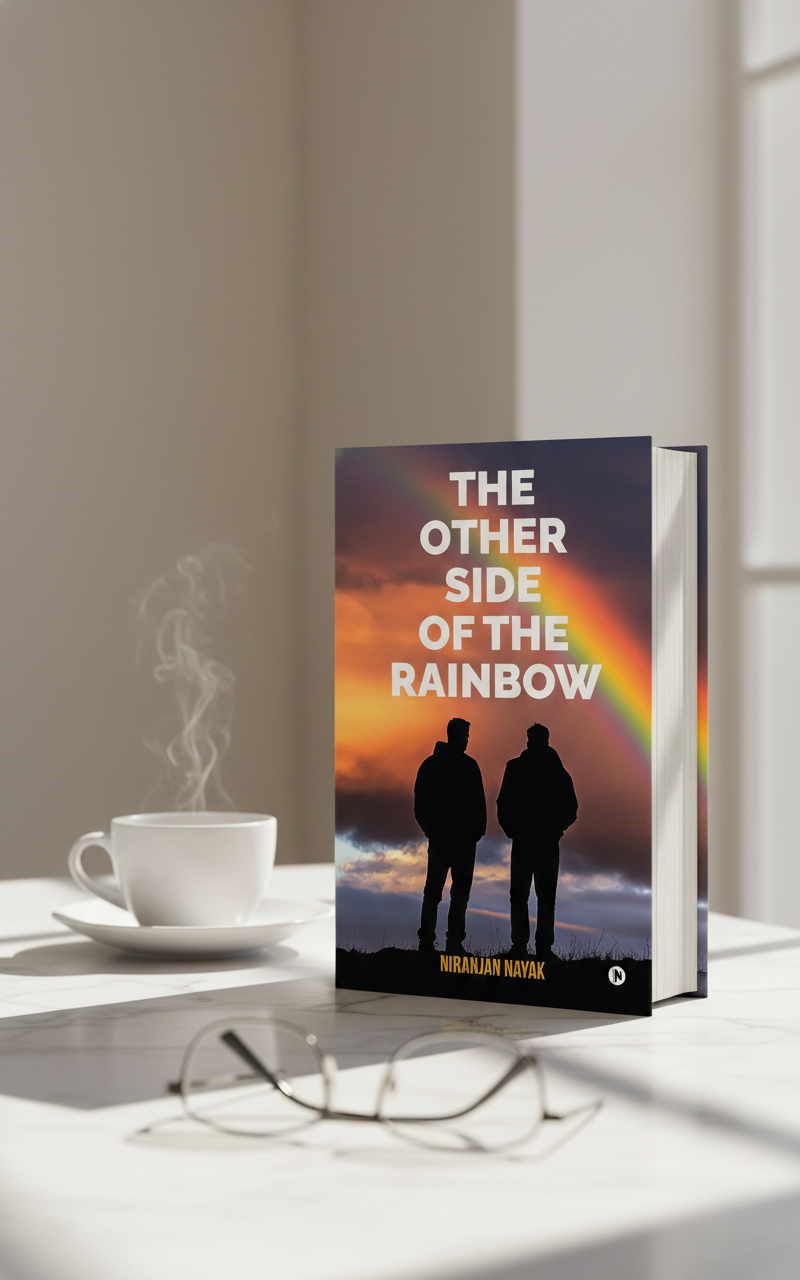
The Emotional Core
At its heart, The Other Side of the Rainbow is about memory and consequence.
I kept thinking about how friendships formed in our late teens or early twenties often carry more weight than we realize at the time. You share dreams, frustrations, small betrayals, quiet loyalties. Years later, those memories still shape how you see yourself.
This book seems deeply aware of that truth.
The idea that some experiences do not give you closure felt especially honest. Life rarely does. There are losses that don’t transform you into a better person. They just stay with you. The book’s refusal to offer emotional release reflects that reality.
I wasn’t expecting to feel such heaviness from a campus centered narrative, but maybe that’s because we often underestimate how formative those years are. The emotional core here is not romance or ambition alone, but the slow realization that choices, even small ones, echo longer than expected.
In 2025, when many coming of age stories lean toward optimism or empowerment, this approach feels brave. It reminds readers that growth sometimes comes with damage, and not all damage heals cleanly.
Who This Book Is For
This book will resonate deeply with readers who enjoy introspective fiction, especially stories rooted in friendship, memory, and moral complexity.
If you enjoy campus novels that go beyond nostalgia and examine the emotional costs of growing up, this is worth your time. Readers who appreciate ambiguity, layered characters, and endings that ask you to sit with unanswered questions will likely connect with this story.
That said, this may not be for readers looking for comfort reads or clear resolutions. The book is upfront about not offering emotional release. If you prefer stories that tie things up neatly, this might feel heavy.
It also demands patience. The emotional impact builds gradually rather than through dramatic twists. For me, that made it more believable, but it’s something readers should know going in.
Final Thoughts
As an editor, I’m always paying attention to intent. What does a book want to do, and does it succeed on its own terms.
The Other Side of the Rainbow wants to tell an honest story about friendship, memory, and the ways youth shapes us in permanent ways. It does not want to comfort you. It wants you to reflect. And it seems comfortable with the idea that reflection can be uncomfortable.
Niranjan Nayak brings a poet’s sensitivity to this novel. That shows in the way emotions are handled, not loudly, but with restraint and care. His background as a teacher and poet feels relevant here. There’s an observational quality to the writing, an attentiveness to human behavior that feels lived in.
If I had to offer a mild critique, it would be that some readers might wish for slightly more narrative clarity at certain points, especially where memory and perspective blur. But that ambiguity also feels aligned with the book’s emotional intent.
Overall, this is a novel that respects its readers. It does not explain itself excessively. It trusts you to feel, interpret, and remember.
And sometimes, that trust is the most powerful thing a book can offer.
FAQ
Is The Other Side of the Rainbow worth reading?
If you enjoy emotionally layered fiction about friendship, memory, and coming of age, yes. It offers depth rather than comfort.
Who should read The Other Side of the Rainbow?
Readers who like campus novels with introspection, moral complexity, and unresolved emotional threads.
What genre is The Other Side of the Rainbow?
It sits within literary fiction and coming of age narratives, with strong nostalgic and psychological elements.
Does The Other Side of the Rainbow have a happy ending?
The book does not aim for conventional happiness. It focuses more on emotional truth than resolution.

With over 11 years of experience in the publishing industry, Priya Srivastava has become a trusted guide for hundreds of authors navigating the challenging path from manuscript to marketplace. As Editor-in-Chief of Deified Publications, she combines the precision of a publishing professional with the empathy of a mentor who truly understands the fears, hopes, and dreams of both first-time and seasoned writers.