
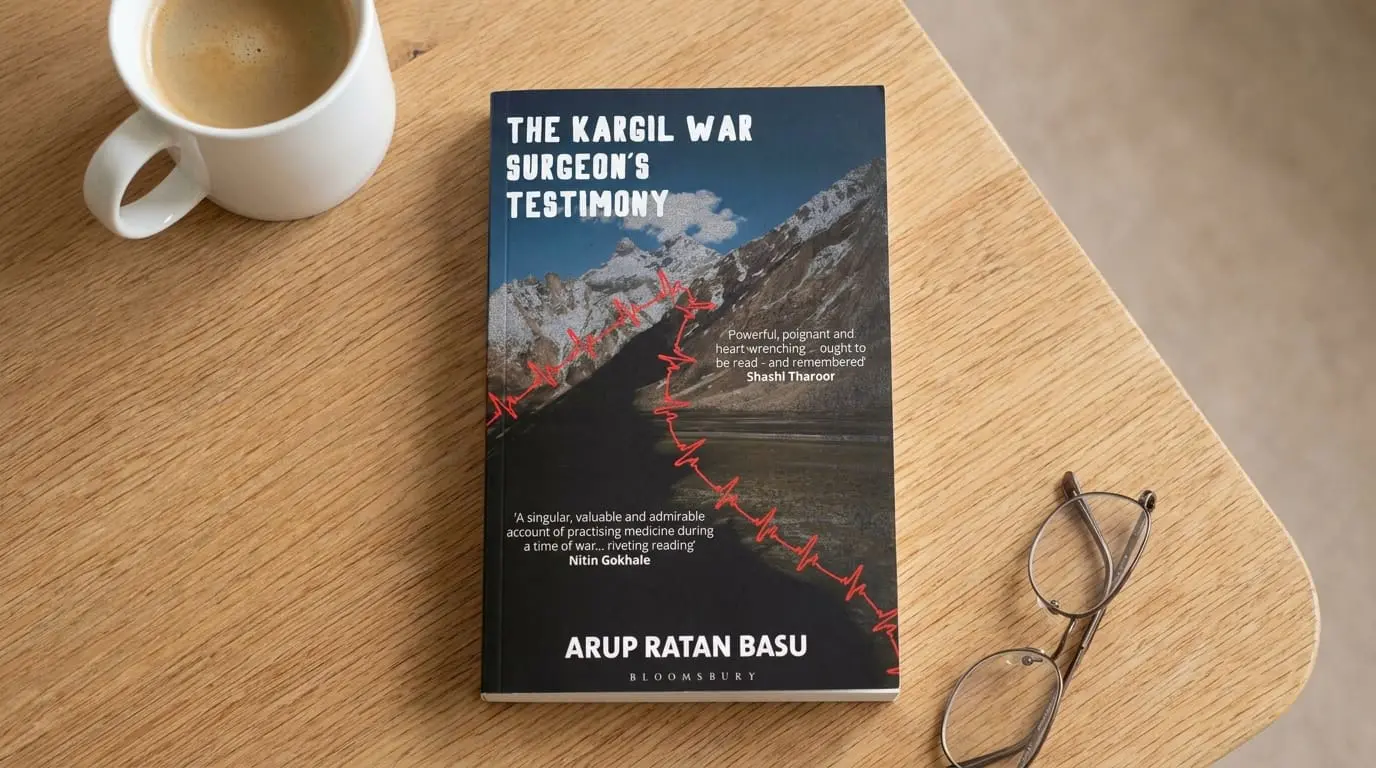
Rating:
⭐⭐⭐⭐1/2 (4.5 out of 5)
I remember the first time I read a war memoir years ago, I expected strategy, maps, maybe a bit of heroism. What I didn’t expect was how deeply human those stories can feel.
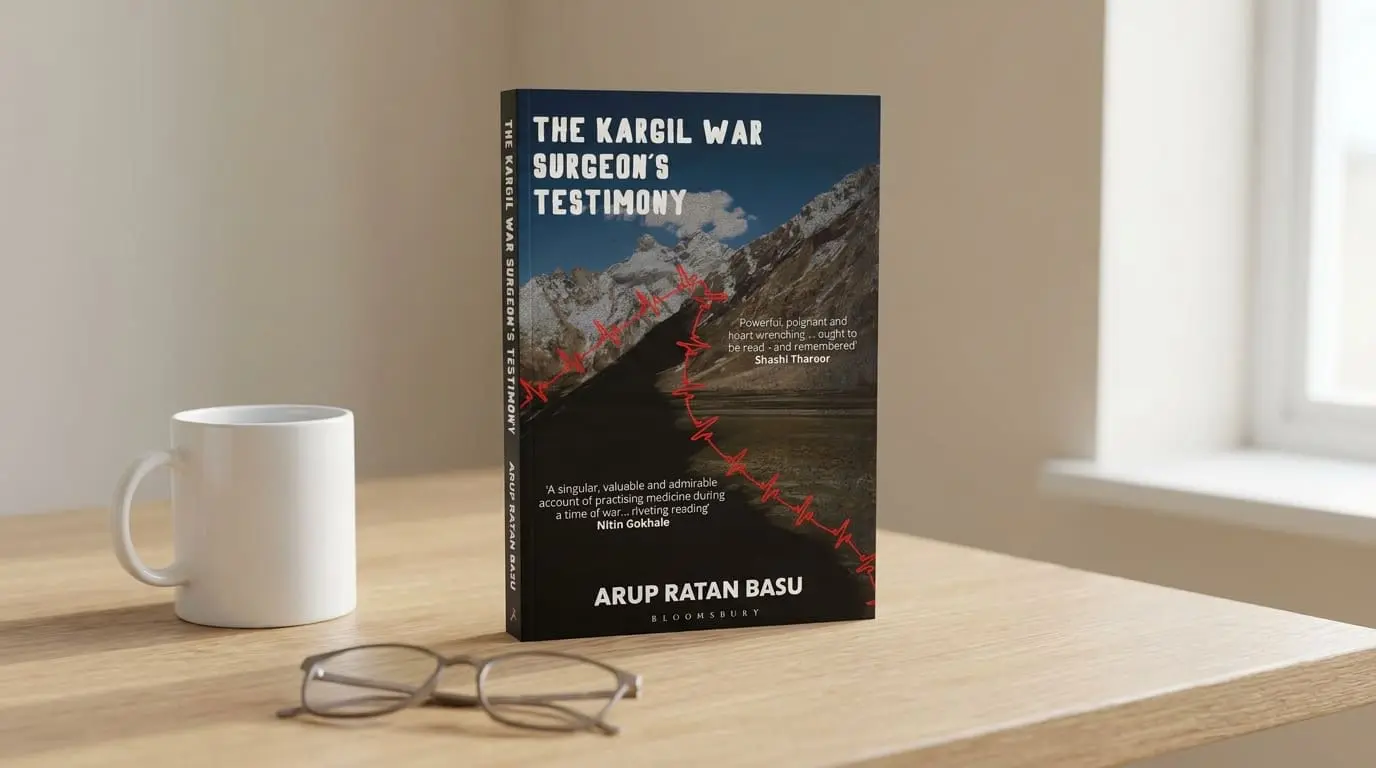
Reading The Kargil War Surgeon’s Testimony by Arup Ratan Basu gave me that same feeling again, but in a very different way. This is not a loud book. It doesn’t try to impress you with battlefield tactics or dramatic twists. Instead, it pulls you into the small, almost ordinary moments that happen in the middle of something very extraordinary.
And honestly, I found myself thinking about it long after I closed it. Not because of one big dramatic scene, but because of so many small ones stitched together.
As someone who has spent over fifteen years reading and reviewing books at Deified Publication, I’ve come across many war accounts. But this one felt… more personal than most. Almost like you’re reading someone’s private notebook rather than a polished narrative meant for the world.
What the Book Is About
At its core, The Kargil War Surgeon’s Testimony is the account of a young army doctor who finds himself in the middle of the Kargil conflict in 1999.
Arup Ratan Basu begins as a somewhat reluctant participant. There’s a moment early on where you can sense his frustration about being posted to a place that lacks proper medical infrastructure. It feels very real. Not heroic, not idealistic. Just… human.
Then things shift.
He is moved into Kargil during the war, and suddenly he is not just a doctor anymore. He becomes the only surgeon handling an overwhelming number of casualties. The number mentioned in the blurb, over two hundred surgeries, already gives you an idea of the intensity. But what struck me more is how the book doesn’t turn this into a statistic.
Instead, it focuses on individual people.
There are wounded soldiers, colleagues, villagers, even an enemy soldier he treats. And through all this, he keeps writing. Observing. Recording.
Some of the early chapters like the ones describing the Suru river and the valley give you a sense of place that is almost meditative. The way he writes about mountains existing long before humans, about rivers sustaining life, it creates a strange contrast with the violence that follows later.
And then slowly, the tone changes.
You start seeing destroyed villages, abandoned homes, and people displaced by conflict. There’s a section where he describes walking through a village where houses had been reduced to rubble. That image stayed with me more than any battle description could.
What Stood Out to Me
I think what makes The Kargil War Surgeon’s Testimony stand apart is its restraint.
Arup Ratan Basu doesn’t try to dramatize events unnecessarily. His writing is simple, almost understated. But that simplicity works in his favor.
There’s a chapter where he talks about arriving in the valley and noticing how lifeless everything looked. No trees, no birds, just barren land. And then later, you see life returning in small ways. Markets, people, conversations. That contrast is handled so gently that you almost miss how powerful it is.
Another thing that stayed with me was how he writes about people from different parts of India coming together. There’s a moment where he mentions soldiers from Kerala, Madhya Pradesh, Arunachal, Jharkhand. Different languages, different backgrounds. Yet in that space, they are connected by something much larger than themselves.
It reminded me of how, in real life, crises often bring out this unexpected unity.
The book also spends time on the press visits. Journalists coming in, taking photographs, asking questions. There’s a slightly uncomfortable feeling in those sections. Almost like the author is questioning whether these stories are being witnessed or just consumed.
And then there are the surgical moments. They are not overly graphic, but you can feel the pressure. The urgency. The exhaustion.
In my years of reading, I’ve noticed that writing about medical work during war can sometimes become either too technical or too sensational. This book avoids both extremes. It keeps the focus on the human side of healing.
The Emotional Core
If I had to describe what this book made me feel, I’d say… it made me reflect more than react.
There are no exaggerated emotional peaks. No forced tears. But there are moments that catch you off guard.
Like when the author treats an enemy soldier. There’s no big speech about humanity. Just the act itself. And somehow, that says everything.
Or the parts where he questions what war really means for ordinary people. Not governments, not armies, but individuals. Families. Villages.
There’s also a recurring sense of fatigue. Not just physical, but emotional. You can feel how the constant exposure to pain starts affecting him. And yet, he keeps going. Not because he is trying to be heroic, but because there is no other option.
I think that’s what makes the book hit differently. It doesn’t present courage as something grand. It shows it as something quiet, almost routine.
And in 2026, reading this, it feels even more relevant. We are constantly surrounded by news, conflicts, headlines. But books like this remind you of the human cost behind those headlines.
Who This Book Is For
I don’t think this book is for everyone, and that’s perfectly okay.
If you’re looking for a fast paced war story with action driven scenes, this might feel slower than you expect. The focus here is not on battles, but on people.
But if you’re someone who appreciates real life narratives, especially those that focus on human experiences during extreme situations, then this is worth your time.
It might also resonate with readers who enjoy medical memoirs. There’s something deeply grounding about seeing war through the eyes of a doctor rather than a soldier.
And honestly, I think anyone who has ever wondered what it really means to serve in such conditions will find something here. Not answers, exactly, but glimpses.
Final Thoughts
I think what I appreciated most about The Kargil War Surgeon’s Testimony is its honesty.
It doesn’t try to simplify war. It doesn’t try to glorify it either. It simply shows you what it looks like from one person’s perspective.
Arup Ratan Basu writes like someone who is still processing what he experienced. And that gives the book a kind of authenticity that’s hard to replicate.
If I had one small critique, it would be that at times the narrative feels slightly fragmented. But then again, maybe that’s intentional. Because memory itself is rarely linear, especially when it comes to something as intense as war.
By the end, I didn’t feel like I had just read a book. It felt more like I had listened to someone share something deeply personal.
And that, to me, matters more than anything else.
FAQ Section
Is The Kargil War Surgeon’s Testimony worth reading?
I think yes, especially if you’re interested in real life accounts of war from a human perspective rather than a strategic one.
What is The Kargil War Surgeon’s Testimony about?
It’s a memoir by Arup Ratan Basu about his experience as an army surgeon during the Kargil war, focusing on patients, people, and everyday realities of conflict.
Who should read The Kargil War Surgeon’s Testimony?
Readers who enjoy memoirs, medical narratives, and stories centered on human experiences during war.
Is this book very technical or medical heavy?
Not really. It stays accessible and focuses more on emotions and experiences than medical jargon.

With over 11 years of experience in the publishing industry, Priya Srivastava has become a trusted guide for hundreds of authors navigating the challenging path from manuscript to marketplace. As Editor-in-Chief of Deified Publications, she combines the precision of a publishing professional with the empathy of a mentor who truly understands the fears, hopes, and dreams of both first-time and seasoned writers.