
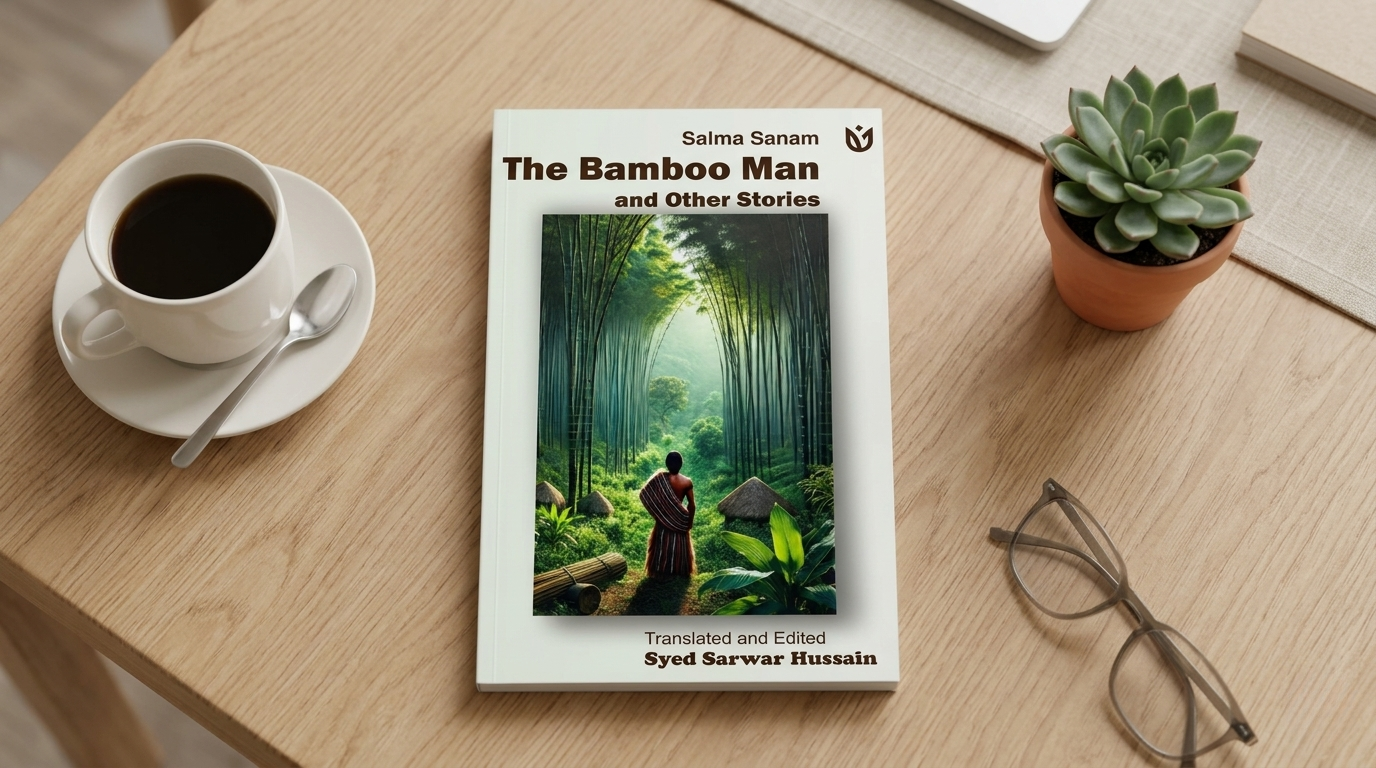
Rating:
⭐⭐⭐⭐1/2 (4.5 out of 5)
I picked up The Bamboo Man and other stories thinking I would read a few pages and come back to it later. That didn’t really happen. Not because it’s fast or addictive in the usual sense, but because something about the tone kept pulling me back. It felt… heavy at times, yes, but also strangely intimate.
In my years as Editor in Chief at Deified Publication, I’ve read a lot of short story collections. Some feel scattered, some feel overly polished, and some just blur together after a while. This one didn’t blur. Even when I disagreed with parts of it or felt something could have been sharper, the emotional weight of certain scenes lingered.
There’s a kind of honesty here that doesn’t always try to impress you. And I appreciate that.
What the Book Is About
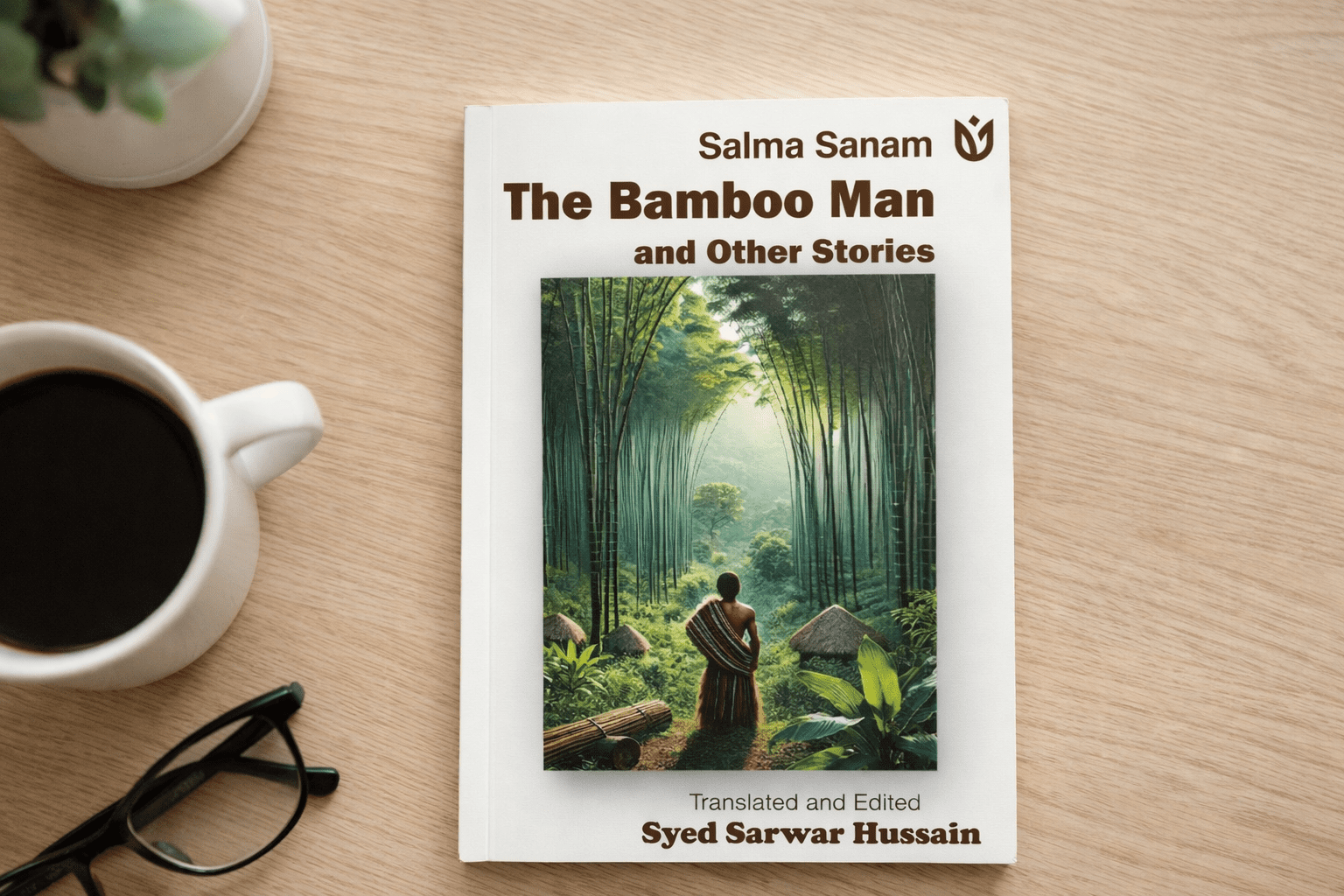
The Bamboo Man and other stories by Salma Sanam is essentially a collection of short stories that move across different lives, places, and emotional states. The table of contents itself gives you a sense of variety, from Organ Bazar to The Lonely Bird to The Weary Woman and The Fading Moments.
Some stories feel rooted in harsh social realities. There’s poverty, exploitation, illness, emotional neglect. Then there are stories that feel more internal, almost reflective, like someone trying to understand what is happening to them rather than reacting to the world outside.
One story that stayed with me is Organ Bazar. There’s something deeply unsettling about the idea of human organs being reduced to transactions, and the way Sameen processes that reality feels both shocking and painfully believable. That moment where she realizes what is being asked of her… I paused there. I didn’t move forward for a bit.
Then there’s The Weary Woman, which feels very close to real life in a way that might make some readers uncomfortable. Naghma trying to balance work, home, expectations, and failing in the eyes of everyone around her… I think many readers, especially working women, will recognize that exhaustion. There’s a scene where her children criticize her cooking, and it’s such a small moment, but it hits hard. It’s not about food. It’s about feeling unseen.
And then The Fading Moments, which shifts into something more psychological, almost haunting. Memory slipping, identity becoming uncertain. The Alzheimer’s thread in that narrative feels deeply personal. The line where the character wonders if he’s losing himself… that stayed with me longer than I expected.
So yes, this is a collection. But it’s not random. There’s a clear thread of human struggle running through it.
What Stood Out to Me
What I noticed first was the emotional intensity. Salma Sanam doesn’t hold back when it comes to portraying pain, especially in the lives of women. But I also think the book is trying to do more than just show suffering. It’s trying to document it, almost like preserving moments that are often ignored.
The writing style is quite direct. Not overly experimental, not decorative. At times, I felt it leaned toward being descriptive in a familiar way, especially in emotional passages. Some readers might feel that a few expressions are something they’ve seen before. I did feel that in certain places.
But then there are moments where the writing suddenly becomes very sharp.
Like in The Lonely Bird, where the metaphor of migration and isolation slowly builds into something much larger. It starts simple, almost like a fable, and then you realize it’s about belonging, displacement, and maybe even identity. That transition is handled really well.
Another thing I noticed is how dialogue is used. It often carries emotional tension rather than just moving the plot. In The Witless Village Lad, the exchange between the father and son feels raw. You can sense the helplessness without the author needing to explain it too much.
Structurally, the stories vary. Some are tightly contained, while others feel more like slices of a longer narrative. Personally, I prefer the tighter ones. They leave a stronger impression.
The Emotional Core
If I had to describe the emotional core of The Bamboo Man and other stories, I would say it’s about vulnerability. Not the soft, comforting kind. The uncomfortable kind.
There’s a recurring feeling of people being trapped. In circumstances, in expectations, in their own bodies sometimes.
The Alzheimer’s storyline, for example, is not just about illness. It’s about fear. About watching yourself disappear. And also about the fear of passing that loss onto someone you love. There’s a moment where the character worries about his daughter inheriting the disease. That fear felt very real to me.
And then the stories about women… I’ll be honest, some parts were difficult to sit with. Not because they were badly written, but because they felt too close to reality. The constant negotiation between personal identity and societal roles. The quiet resentment. The exhaustion.
I’ve seen versions of this in real life. Maybe that’s why it stayed with me.
At the same time, the book doesn’t always offer resolution. Some stories end in a way that feels incomplete. Not in a frustrating way, but in a way that mirrors real life. Things don’t always get fixed.
Who This Book Is For
I think this is important to say clearly. This book won’t be for everyone.
If you’re looking for something light or purely motivational despite the subtitle, this might not match your expectations. The “self help” aspect is not direct advice. It’s more reflective. You’re meant to observe and think rather than be told what to do.
This book is for readers who are comfortable sitting with discomfort. Who don’t need everything to be neatly resolved. Who are okay with stories that ask more questions than they answer.
If you enjoy short story collections that focus on human conditions, especially with a social lens, you’ll likely find something meaningful here.
But if you prefer fast paced narratives or clearly uplifting arcs, this might feel a bit heavy.
Final Thoughts
I keep coming back to one feeling. This book feels sincere.
It doesn’t try too hard to impress. It doesn’t chase trends. It just tells stories that seem to matter to the author. And I think that counts for a lot.
That said, I did feel that some stories could have been more nuanced in their expression. A few emotional beats felt familiar, and I found myself wishing for more subtlety in certain places. Not less emotion, just a different way of presenting it.
But then there are moments that completely make up for it. A line, a scene, a character reaction that feels so real you pause. And those are the moments that stay.
As someone who has read hundreds of story collections, I can say this one doesn’t disappear after you finish it. It lingers a bit.
And honestly, that’s enough for me.
FAQ
Is The Bamboo Man and other stories worth reading?
I think yes, especially if you enjoy emotionally layered short stories. It’s not an easy read, but it stays with you.
Who should read The Bamboo Man and other stories by Salma Sanam?
Readers who appreciate social themes, human struggles, and reflective storytelling will connect with it the most.
Is this really a self help book?
Not in the traditional sense. It doesn’t give advice directly. It shows situations and lets you draw your own understanding.
What is The Bamboo Man and other stories about?
It’s a collection of stories dealing with themes like identity, illness, gender roles, poverty, and emotional conflict across different settings.

With over 11 years of experience in the publishing industry, Priya Srivastava has become a trusted guide for hundreds of authors navigating the challenging path from manuscript to marketplace. As Editor-in-Chief of Deified Publications, she combines the precision of a publishing professional with the empathy of a mentor who truly understands the fears, hopes, and dreams of both first-time and seasoned writers.