
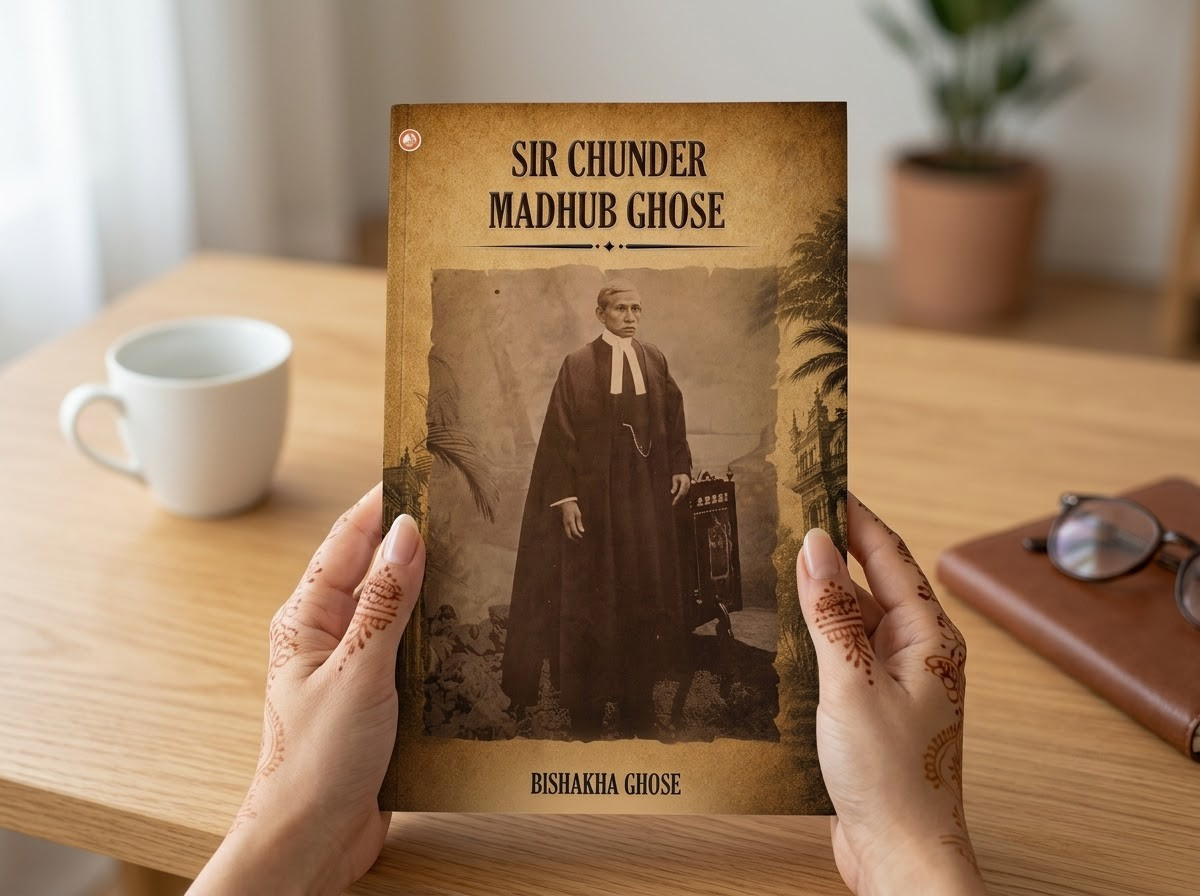
Rating: ⭐⭐⭐⭐ (4.3 out of 5)
I have spent more than fifteen years surrounded by books of every shape and size, but every once in a while, a volume comes along that feels like opening an old family trunk stored in an attic. When I picked up SIR CHUNDER MADHUB GHOSE by Bishakha Ghose, I felt that familiar spark of curiosity. As the Editor-in-Chief at Deified Publication, I read dozens of personal memoirs and historical biographies every year, yet there is something distinct about opening a text originally printed back in 1937 and thoughtfully restored for readers in 2026. It reminded me of the handwritten journals my own grandmother kept, where public history and private life blend together without any artificial polish. I found myself sitting with this book over several cups of hot chai, taking time to digest how a single household in Bengal managed to leave such a deep mark on colonial legal history and modern administrative service.
What this historical biography is actually about
If you are looking for a quick book summary, this work traces the life and family lineage of Sir Chunder Madhub Ghose, born in February 1838 in Sologhur in the Dacca district. The book details his ancestral roots as Kayasthas migrating from Kannauj, his early education at Hindu College and Presidency College in Calcutta, and his early struggles as a young pleader. He faced difficult moments early in his career, including a harsh confrontation with District Judge Mr. C. T. Buckland at Burdwan, who openly mocked his appointment as Government Pleader. Rather than shrinking away, young Chunder Madhub stood his ground with sharp wit, eventually earning the judge’s respect and expanding his legal practice. He went on to become a distinguished Vakil in the Sudder Dewani Adalat and later served as a Puisne Judge of the Calcutta High Court for twenty-two years, even officiating as Chief Justice of Bengal in 1906. Bishakha Ghose has republished this detailed record, which was originally compiled by his son-in-law Sir A. K. Roy, while adding an extended family history section that follows later generations including scholars like Rai Bahadur Jogendra Chandra Ghose, civil servants, naval officers, and cultural patrons.
Details in style and character that stood out to me
What I appreciated most while reading this text was the unfiltered honesty of the historical narrative. The writing does not attempt to paint Sir Chunder Madhub as a flawless figure from the start, and that makes his growth feel genuine. In page sixteen of the book, we learn that as a student at Hindu College, he fell into somewhat reckless company, playing truant to visit the Monument and Botanical Gardens while neglecting his studies around the time of his early marriage. It was only when his friend Umesh Chandra Mitter took charge of him and brought him to live with the Mitter family that he turned over a new leaf and became one of the top students. I love finding small human details like that in old biographies. Another striking moment occurs during a trial in Faridpur before Sessions Judge Mr. Abercrombie. When the judge refused to listen to arguments in English and tried to ignore him by reading papers from his pocket, Chunder Madhub simply stopped speaking and firmly told the judge in Hindustani that if the court was doing other work, he need not proceed. That bold stance completely changed the mood of the courtroom and led to the acquittal of his client. Moments like these give us a vivid picture of a lawyer who combined sharp intellect with immense personal courage.
The emotional core of a multi-generational legacy
Beyond the legal battles and courtroom victories, the book carries a weight of personal loss and perseverance that touched me deeply. Life in nineteenth-century India was fragile, and the narrative records numerous bereavements that tested the family. The loss of his six-year-old eldest son Jnanendra to dysentery in 1865, followed by the deaths of close relatives in quick succession, cast a heavy shadow over Chunder Madhub. The text candidly notes that these family tragedies caused him to lose focus, leading to a temporary decline in his legal practice as his clerks mishandled client relationships. Seeing how he recognized his mistakes, dismissed the problematic staff, and rebuilt his reputation through sheer hard work in Behar and Bengal shows a level of resilience that feels universal. Later in the book, when we read about his great-grandson Vice Admiral Barin Ghose advocate for veterans, or Chandi Prasad Banerji help develop Modern Bread to feed middle-class Indian households, you realize how the core values of public duty and integrity passed down through generations. It is a story about how individual character becomes a shared family tradition over two centuries.
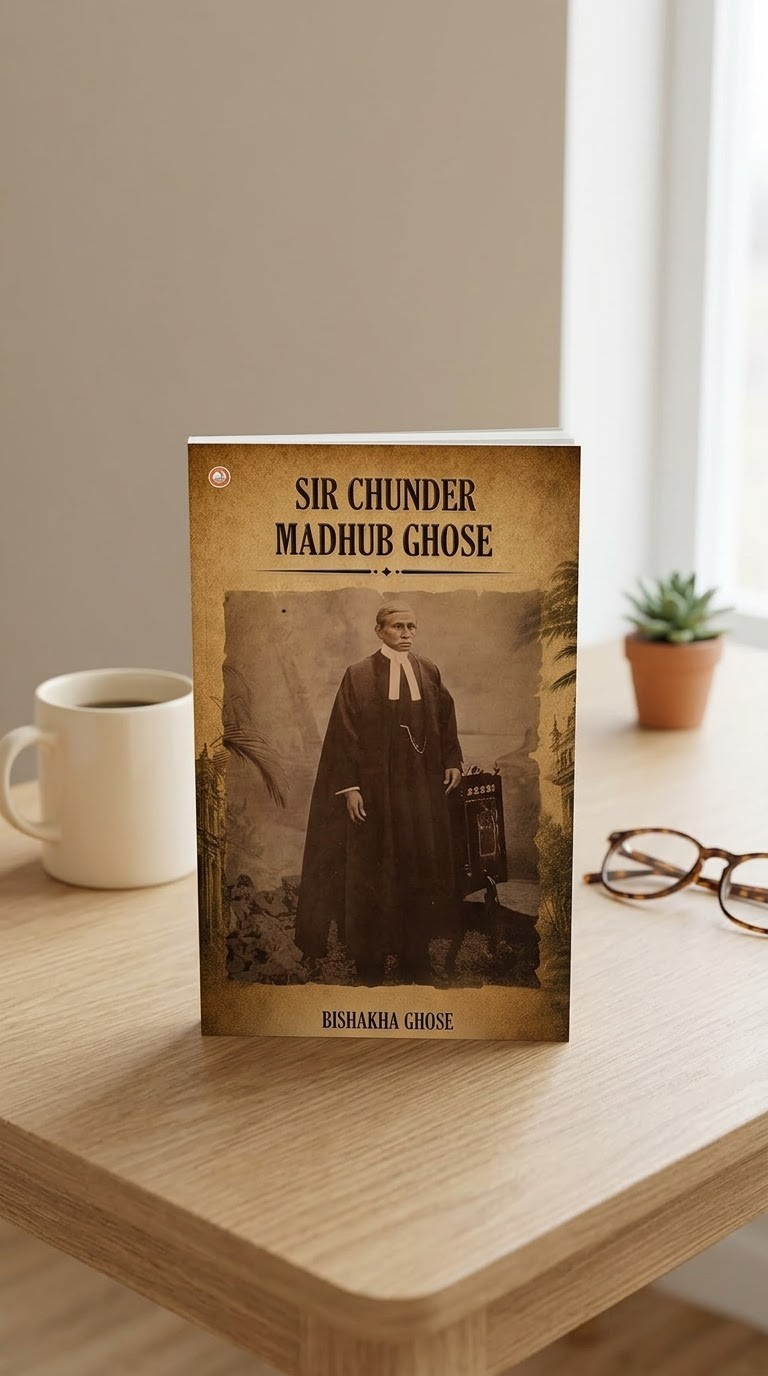
Should you read it and who is it really for?
You might be asking yourself, should you read this book or is it worth it for your personal shelf? If you enjoy legal history, colonial Indian heritage, or genealogical studies of prominent Bengal families, you will find immense value in these pages. The detailed accounts of early High Court judges like Sir Barnes Peacock, along with descriptions of legal practice in the 1860s, offer a fascinating glimpse into an era when Indian lawyers were claiming their rightful space in colonial institutions. However, I want to be honest in my reader review: this is a traditional, document-style biography. The text contains long lists of names, dates, and historical background that might feel dry if you are expecting a dramatized narrative or a fast-paced historical novel. Readers who prefer smooth fictional pacing may find some of the administrative details slow to navigate. But for those who value authentic historical preservation, the depth of detail provided by Bishakha Ghose is precisely what makes the volume special.
Final thoughts on this historical document
In closing, SIR CHUNDER MADHUB GHOSE is a valuable contribution to the preservation of Indian legal and social history. It serves as a bridge between the nineteenth century and our present day, reminding us of the courage required by early Indian jurists who fought for equal standing and professional dignity. Bishakha Ghose deserves credit for bringing this archival material back into print and ensuring that the achievements of her ancestors are documented accurately. While the prose retains its vintage structure and formal tone, the human stories of bravery, family grief, and public service shine through clearly. It is a work that honours its subject not through empty praise, but through a truthful record of a life well lived in the service of justice.
FAQs
What is SIR CHUNDER MADHUB GHOSE about?
The book is a comprehensive biography and family history detailing the life, legal career, and ancestry of Sir Chunder Madhub Ghose, a pioneering Indian lawyer and judge of the Calcutta High Court. Originally published in 1937 by Sir A. K. Roy and republished by Bishakha Ghose, it covers his birth in Sologhur, his education, his struggle as a pleader, his appointment to the High Court bench, and the contributions of his descendants across legal, civil, naval, and cultural spheres in India.
Is SIR CHUNDER MADHUB GHOSE worth reading for general readers?
It is worth reading for anyone interested in Indian legal history, the nineteenth-century Bengal Renaissance, or ancestral biographies. While its formal tone and detailed administrative records may not appeal to those looking for a light novel, readers who appreciate historical accuracy, real legal anecdotes, and authentic primary source material will find it deeply rewarding.
Who is the author Bishakha Ghose?
Bishakha Ghose is a direct descendant of Sir Chunder Madhub Ghose. She updated, reworked, and republished this historical biography to preserve her family’s legacy and make the historical record of Sir Chunder Madhub Ghose and his notable lineage accessible to modern readers.

With over 11 years of experience in the publishing industry, Priya Srivastava has become a trusted guide for hundreds of authors navigating the challenging path from manuscript to marketplace. As Editor-in-Chief of Deified Publications, she combines the precision of a publishing professional with the empathy of a mentor who truly understands the fears, hopes, and dreams of both first-time and seasoned writers.