
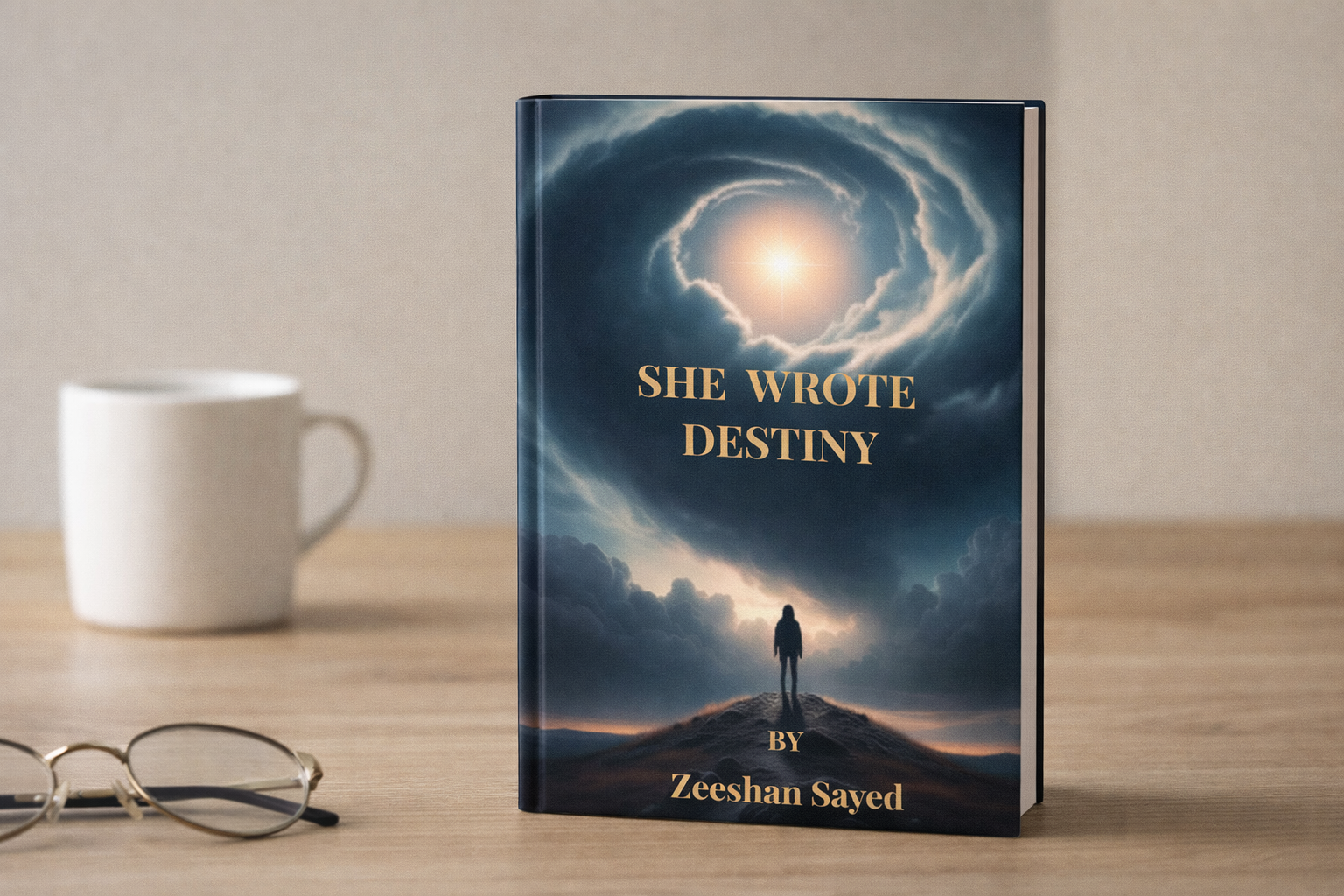
Rating:
⭐⭐⭐⭐ (4.3 out of 5)
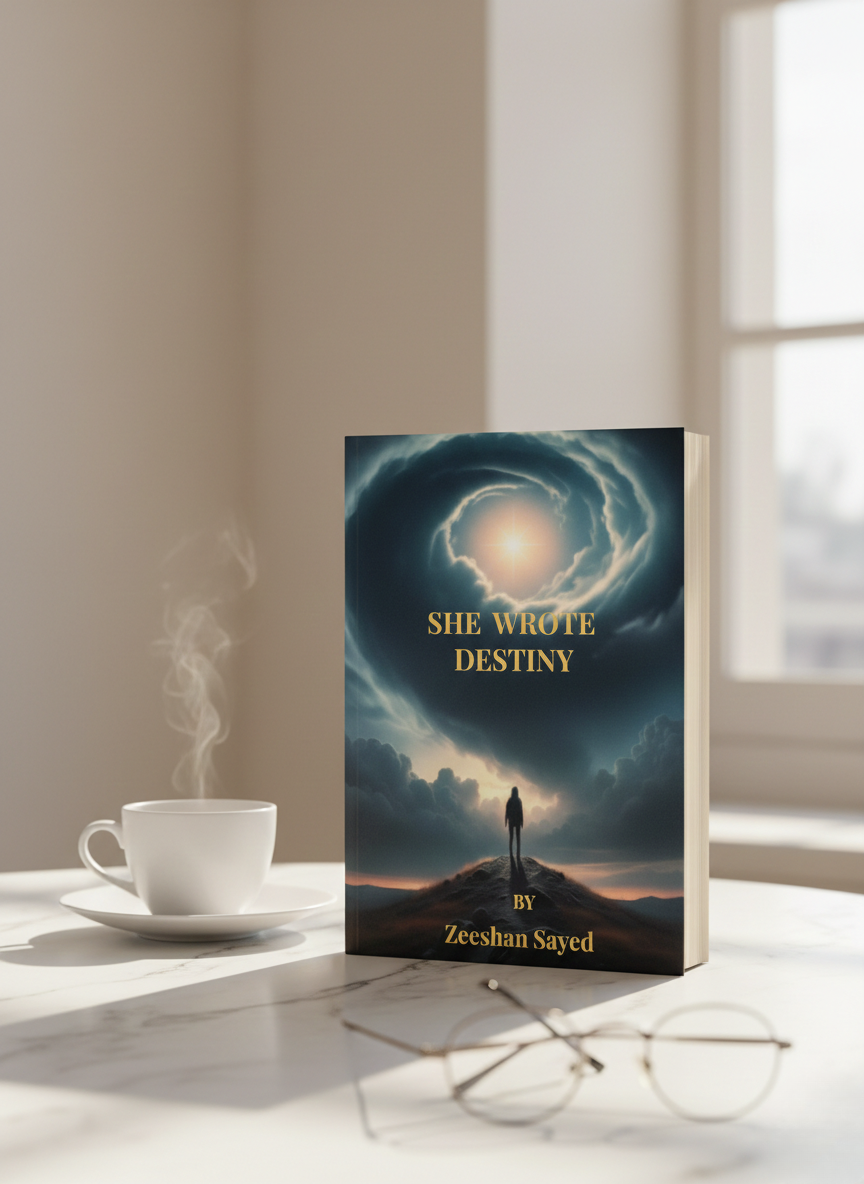
I’m going to start with a small confession. I’ve read many books about parenting, belief, mindset, destiny, all of that. Some of them moved me. Some felt repetitive. Some tried very hard to sound life changing and ended up sounding like speeches. So when She Wrote Destiny landed on my desk, I wasn’t sure what kind of reading experience I was walking into.
But something about it made me pause before opening the blurb again. Maybe it was the title. There’s something quietly powerful about saying someone “wrote” destiny. Not fought it. Not escaped it. Wrote it. That word choice stayed with me longer than I expected.
I’m Priya Srivastava, Editor in Chief at Deified Publication, and I’ve been reviewing books for over fifteen years now. I’ve read enough stories about extraordinary children and heroic parents to recognize when a book is trying too hard. This one, at least from what it promises, seems to be more interested in emotional truth than dramatic noise. And honestly, that matters to me more these days.
What the Book Is About
At the center of She Wrote Destiny is a mother named Amina and her son Ali. The world around them has already made up its mind about the child. He’s been labeled. Written off. Considered a lost cause by systems, people, maybe even well meaning experts.
And Amina refuses to accept that version of her son.
The book positions itself as both a story and a reflection. On one level, it tells the journey of a mother who believes in her child when no one else does. On another, it tries to look at how a child’s mind develops, how stories, belief, and upbringing can shape who a child becomes.
Ali, according to the blurb, grows into a successful, world famous leader. But the book does not seem obsessed with the end result alone. What interests me more is the process. The daily acts of belief. The small choices. The refusal to internalize the world’s low expectations.
Zeeshan Sayed also weaves in examples of historical figures to reinforce this idea that destiny is not fixed. That environment, mentorship, and belief play a larger role than we sometimes want to admit. The book then turns outward and addresses parents, mentors, teachers, anyone who has influence over a young mind, urging them to recognize the power they hold.
It calls itself a blueprint. A call to action. That’s ambitious, yes. But ambition isn’t a flaw if it’s grounded in sincerity.
What Stood Out to Me
What stood out first was the framing of the mother figure.
In many books like this, the parent becomes almost unreal. Always strong. Always wise. Always certain. Amina, at least as she’s presented here, feels more human. She is not positioned as someone with special access to secret knowledge. She is simply someone who refuses to accept a narrative imposed on her child.
I’ve seen this happen in real life. In schools. In families. A child gets labeled early, sometimes unfairly, sometimes carelessly. And that label follows them everywhere. What She Wrote Destiny seems to do well is question who gets to decide that label in the first place.
Another thing I appreciated is the use of stories. The blurb emphasizes the power of stories in shaping a child’s mind. That resonates deeply with me. In my years reviewing books, and honestly just living life, I’ve noticed how much we become the stories we hear about ourselves. Especially as children.
The inclusion of historical examples could have gone wrong easily. That’s where many books turn preachy. But here, it feels like those examples are meant to widen perspective rather than dominate the narrative. They act as reminders that many people once considered “failures” or “misfits” only needed someone to believe in them long enough.
From a craft perspective, the book seems to balance storytelling with reflection. It does not sound like a dry parenting manual, and it does not pretend to be a novel either. It lives somewhere in between. That hybrid form can be tricky, but when done thoughtfully, it can reach readers who might otherwise avoid self improvement books.
The Emotional Core
The emotional heart of She Wrote Destiny is belief. Not blind optimism, but persistent belief.
As I was thinking about this book, I kept remembering moments from my own childhood. A teacher who once told me I wrote well. A sentence said casually, but it stayed with me. I’ve also seen the opposite. Children shrinking because someone decided they weren’t capable enough.
This book seems to sit right in that emotional space. It asks uncomfortable questions. What if the limits we see in children are actually reflections of our own fear? What if giving up on someone early is the real tragedy?
There’s something deeply moving about a parent choosing to stand against the collective voice of doubt. It’s not glamorous. It’s exhausting. And the book does not pretend otherwise. At least, it doesn’t seem to.
I wasn’t expecting to feel this way just reading the blurb and thinking through its implications, but I did feel a lump in my throat at moments. Especially at the idea of a child being written off by the world. That phrase alone carries so much weight.
In 2025, when conversations about mental health, education systems, and child development are more urgent than ever, this message feels especially relevant. Not because it’s trendy, but because it’s necessary.
Who This Book Is For
This book is clearly written with parents in mind, especially parents who have felt judged, dismissed, or discouraged by systems around them. If you’re raising a child who doesn’t fit neatly into expectations, this book might feel validating.
It’s also for teachers, mentors, coaches, anyone who works closely with young people. People who may not realize how much power their words carry.
That said, this might not be for readers looking for strict scientific frameworks or step by step parenting techniques. While the book discusses child development, it seems more philosophical and story driven than technical.
It’s also not for people who believe destiny is entirely fixed and immune to human influence. This book challenges that idea directly. If that makes you uncomfortable, you might resist its message.
But if you’re open to the idea that belief, environment, and love can genuinely shape outcomes, then this book has something to offer.
Final Thoughts
When I finished reflecting on She Wrote Destiny, I realized something important. This is not really a book about one child’s success. It’s a book about responsibility.
The responsibility adults carry, whether they want it or not. The responsibility to question labels. To protect possibility. To tell better stories to the people who are still becoming who they are.
As an editor, I value books that don’t talk down to readers. Zeeshan Sayed does not seem interested in lecturing. He seems more interested in reminding. Reminding us of something we already know deep down, but often forget.
If I had to offer a gentle critique, it would be that readers who prefer subtle messaging might find the call to action slightly direct in places. The book knows what it wants to say and it says it clearly. For some, that will feel empowering. For others, a bit heavy handed. Personally, I didn’t mind, but it’s worth noting.
Overall, She Wrote Destiny feels sincere, emotionally grounded, and purposeful. It’s the kind of book that makes you look at the children in your life a little differently. And maybe look at yourself too.
FAQ
Is She Wrote Destiny worth reading?
If you are interested in stories about parenting, belief, and shaping potential, yes. It offers emotional insight rather than technical instruction.
Who should read She Wrote Destiny?
Parents, teachers, mentors, and anyone involved in guiding children or young adults will likely connect with its message.
What genre is She Wrote Destiny?
It sits between inspirational nonfiction and narrative storytelling, with elements of psychology and personal development.
Should you read She Wrote Destiny if you are not a parent?
Yes, especially if you influence others in any mentoring role. The ideas go beyond parenting alone.
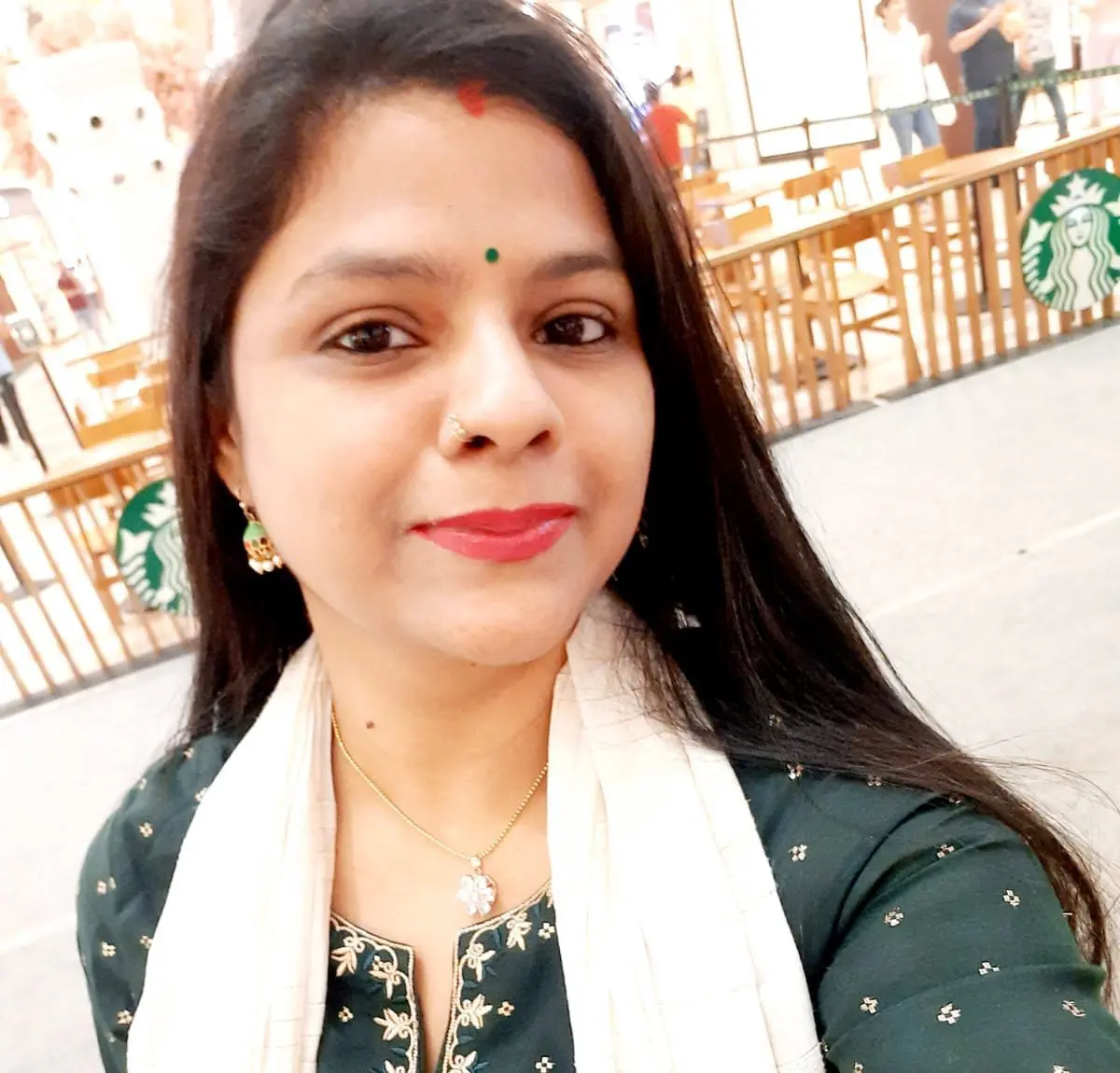
With over 11 years of experience in the publishing industry, Priya Srivastava has become a trusted guide for hundreds of authors navigating the challenging path from manuscript to marketplace. As Editor-in-Chief of Deified Publications, she combines the precision of a publishing professional with the empathy of a mentor who truly understands the fears, hopes, and dreams of both first-time and seasoned writers.