
Rating:
⭐⭐⭐⭐ (4.3 out of 5)
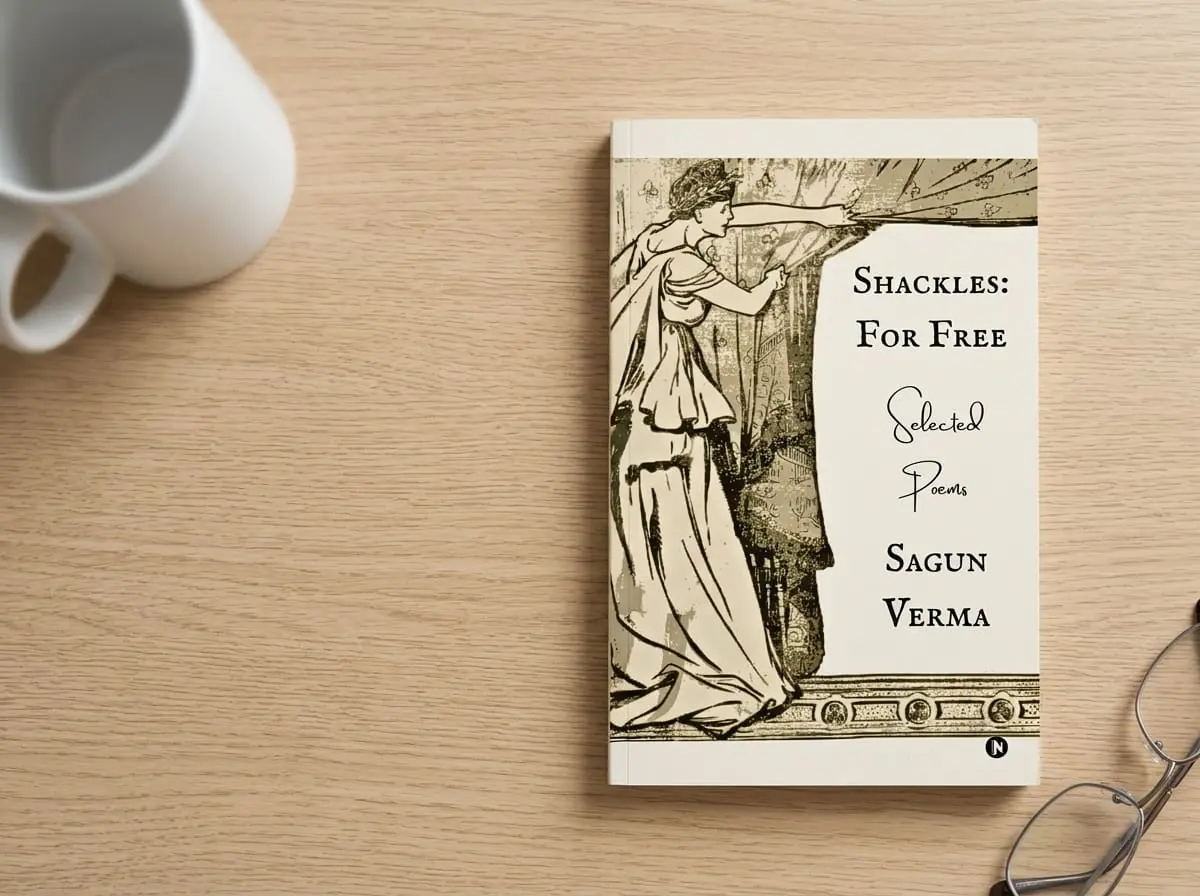
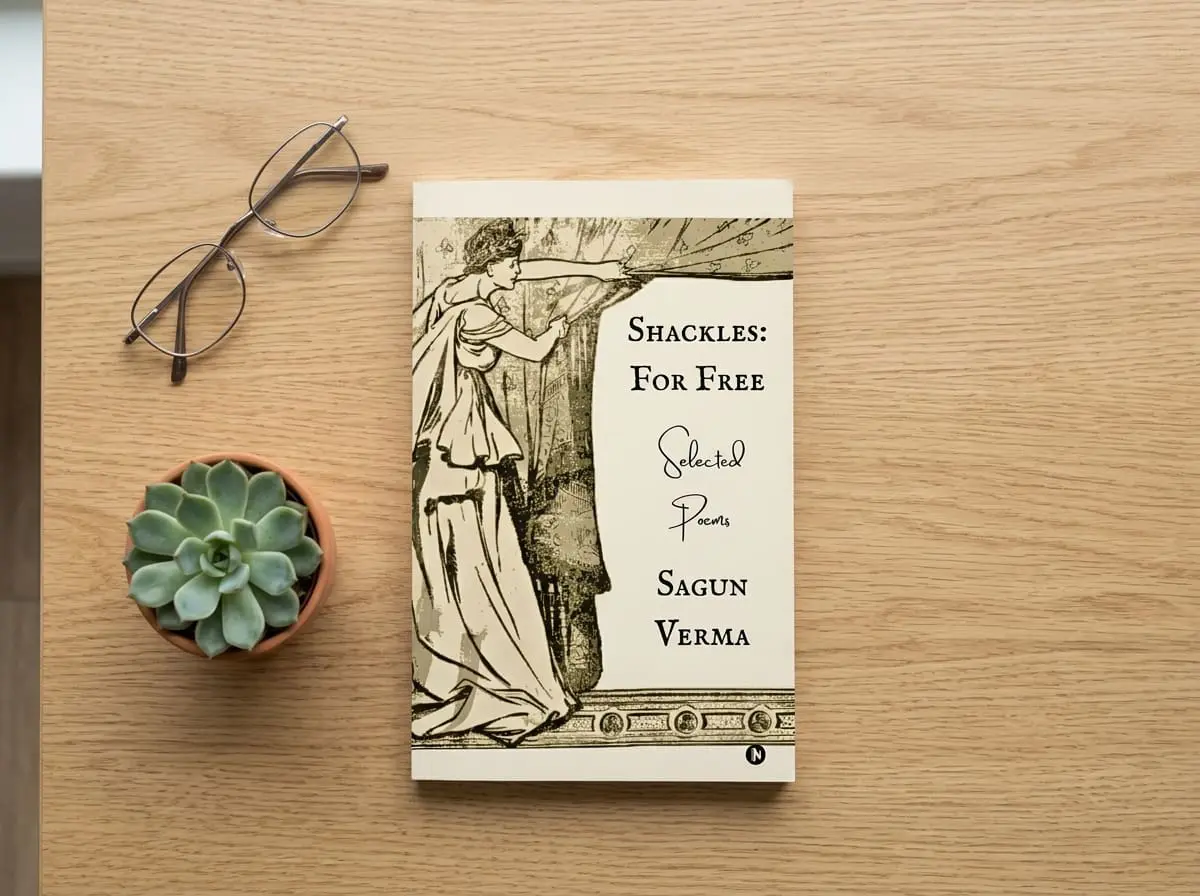
As someone who has spent more than fifteen years reading and reviewing books across genres, very few poetry collections make me stop and reread individual pieces immediately after finishing them. Shackles: For Free by Sagun Verma is one of those books.
I should say upfront that poetry can be a difficult genre to recommend because every reader enters it differently. Some people read poems for beauty. Some read them for comfort. Others read them because ordinary language has failed them. While reading Shackles: For Free, I had the feeling that this collection belongs most strongly to that third category.
The book opens itself to readers who have felt trapped, powerless, unheard, manipulated, heartbroken, or emotionally exhausted. That promise appears in the blurb, but what impressed me is that the poems themselves consistently return to those emotional states through different images and metaphors. Whether it is a flower losing its ability to bloom, a prey animal speaking to its hunter, a person trapped in another’s grip, or someone writing through anger, the collection circles around one central question: what happens when a person loses freedom, and what does it take to reclaim it?
As Editor in Chief at Deified Publication, I read many books that attempt to speak about pain. Some become melodramatic. Some become vague. Sagun Verma largely avoids both traps. The poems are direct, accessible, and emotionally transparent.
What the Book Is About
If someone asks for a Shackles: For Free book summary, I would not describe it as a collection of unrelated poems. Instead, it feels more like a sustained conversation about captivity in its many forms.
The title poem, “Shackles: For Free,” provides perhaps the clearest statement of the book’s central idea. The poem presents a dreamlike scenario where shackles are offered freely and willingly accepted because they appear attractive. Only later does the speaker realize the true cost. Freedom has been exchanged for something decorative and comforting.
That theme appears repeatedly throughout the collection.
In “Song of Lies,” deception becomes a form of imprisonment. In “In Your Fist,” emotional dependence is imagined as confinement within another person’s grasp. In “The Lovers I Hate,” attraction and fascination become dangerous forces that blur the line between love and self destruction.
Elsewhere, the collection broadens beyond romantic relationships. “It’s Not The Cigarette, It’s The Burning” touches on suffering, isolation, and the inability of society to recognize emotional distress. “The Death of Beauty” reflects on creativity, materialism, and the fear of losing one’s authentic self. “The Blue Flower” uses seasonal imagery to depict emotional decline and the loss of confidence.
Taken together, these poems create a surprisingly cohesive reading experience. Different voices, symbols, and situations appear throughout the book, yet they all seem connected by questions of agency, identity, survival, and recovery.
What Stood Out to Me
The first thing that stood out was the consistency of imagery.
Many contemporary poetry collections jump rapidly between styles and themes. Here, Sagun Verma repeatedly returns to images of cages, chains, predators, flowers, ghosts, prisons, and wounds. Because these symbols recur across multiple poems, the collection develops its own visual language.
I particularly liked “The Predator and The Prey.” The poem reverses expectations by giving the prey a voice. The relationship between hunter and hunted becomes a metaphor for exploitation, obsession, and unequal power. There is sadness in the poem, but there is also sharp observation.
“The Blue Flower” was another memorable piece for me. The flower begins vibrant and admired before being diminished by changing circumstances. What makes the poem effective is that it does not simply describe loss. It describes the gradual internalization of that loss. The line about forgetting how to bloom captures something many readers will recognize from their own lives.
I was also drawn to “And I Wrote.” As someone who works with writers every day, I found this poem particularly relatable. The poem treats writing not as a pleasant hobby but as a necessary act of emotional release. The speaker writes through anger, frustration, and pain, only to discover that the purpose was never elimination of those feelings but understanding them.
Another strength is accessibility.
Some poetry collections seem almost determined to keep readers at a distance. They rely heavily on obscure references or highly abstract language. Sagun Verma writes in a much more approachable style. The meanings are generally clear, even when the emotional implications remain layered.
That accessibility makes this collection suitable even for readers who do not normally read poetry.
The Emotional Core
What affected me most while reading Shackles: For Free was not sadness alone.
Many poems deal with heartbreak, betrayal, manipulation, loneliness, and emotional exhaustion. Yet beneath those themes is a deeper concern with identity.
Again and again, the speakers in these poems ask some variation of the same question: What happens when another person, another system, or another expectation defines who you are?
In “Song of Lies,” deception shapes perception. In “In Your Fist,” dependence limits vision. In “The Lovers I Hate,” fascination overrides judgment. In “Shackles: For Free,” voluntary surrender becomes imprisonment.
These poems understand that many forms of captivity do not arrive by force. Sometimes people walk toward them willingly.
I think that insight is what gives the collection much of its emotional power.
There were several moments where I found myself thinking not about the poem itself but about people I have known. Friends who remained in unhealthy relationships. Talented individuals who gradually abandoned their creativity. People who accepted limitations because those limitations initially appeared comforting.
In 2026, this message feels especially relevant. We live in a world that constantly encourages performance, comparison, validation, and dependence on external approval. Many readers will recognize parts of themselves in these poems.
At the same time, the collection is not entirely hopeless.
Even when the poems describe confinement, they are acts of resistance. The very act of naming pain becomes a way of challenging it.
Who This Book Is For
This book will probably resonate most strongly with readers who enjoy emotionally driven poetry.
If you appreciate poets who use symbolism, metaphor, and personal reflection to discuss relationships, identity, and mental struggles, there is a good chance you will connect with this collection.
It may also appeal to readers who are recovering from heartbreak, disappointment, betrayal, or periods of emotional stagnation. Several poems speak directly to those experiences.
On the other hand, readers looking for light, uplifting poetry throughout may find parts of the collection emotionally intense. The dominant mood is reflective and often melancholic.
You do not need to be a regular poetry reader to appreciate it. In fact, one of the book’s strengths is how approachable the language remains.
Final Thoughts
My overall impression of Shackles: For Free is positive.
Sagun Verma has created a collection that remains focused on a central emotional idea while exploring it through a variety of metaphors and perspectives. The recurring imagery of cages, chains, predators, flowers, ghosts, and wounds helps unify the book without making it repetitive.
Not every poem affected me equally. A few pieces rely on familiar themes that experienced poetry readers may have encountered before. I also would have liked occasional shifts toward more emotional contrast. Because many poems operate within similar emotional territory, some readers may wish for greater variation in tone.
Still, the sincerity of the writing carries the collection forward. Nothing here feels artificial or manufactured. The emotions appear genuine, and that authenticity matters.
If you have ever felt trapped by circumstances, relationships, expectations, or even your own thoughts, there is a strong possibility that parts of this collection will speak directly to you.
FAQ
Is Shackles: For Free worth reading?
Yes, especially if you enjoy emotional poetry focused on freedom, identity, heartbreak, and personal struggle.
Who should read Shackles: For Free?
Readers who enjoy reflective poetry and people who have experienced emotional hardship, difficult relationships, or periods of feeling stuck.
What is Shackles: For Free about?
The collection examines different forms of captivity, both emotional and psychological, while also suggesting the possibility of liberation and self discovery.
Do you need to be a poetry reader to enjoy it?
Not necessarily. The language is relatively accessible, making it approachable for readers who are new to poetry.

With over 11 years of experience in the publishing industry, Priya Srivastava has become a trusted guide for hundreds of authors navigating the challenging path from manuscript to marketplace. As Editor-in-Chief of Deified Publications, she combines the precision of a publishing professional with the empathy of a mentor who truly understands the fears, hopes, and dreams of both first-time and seasoned writers.