
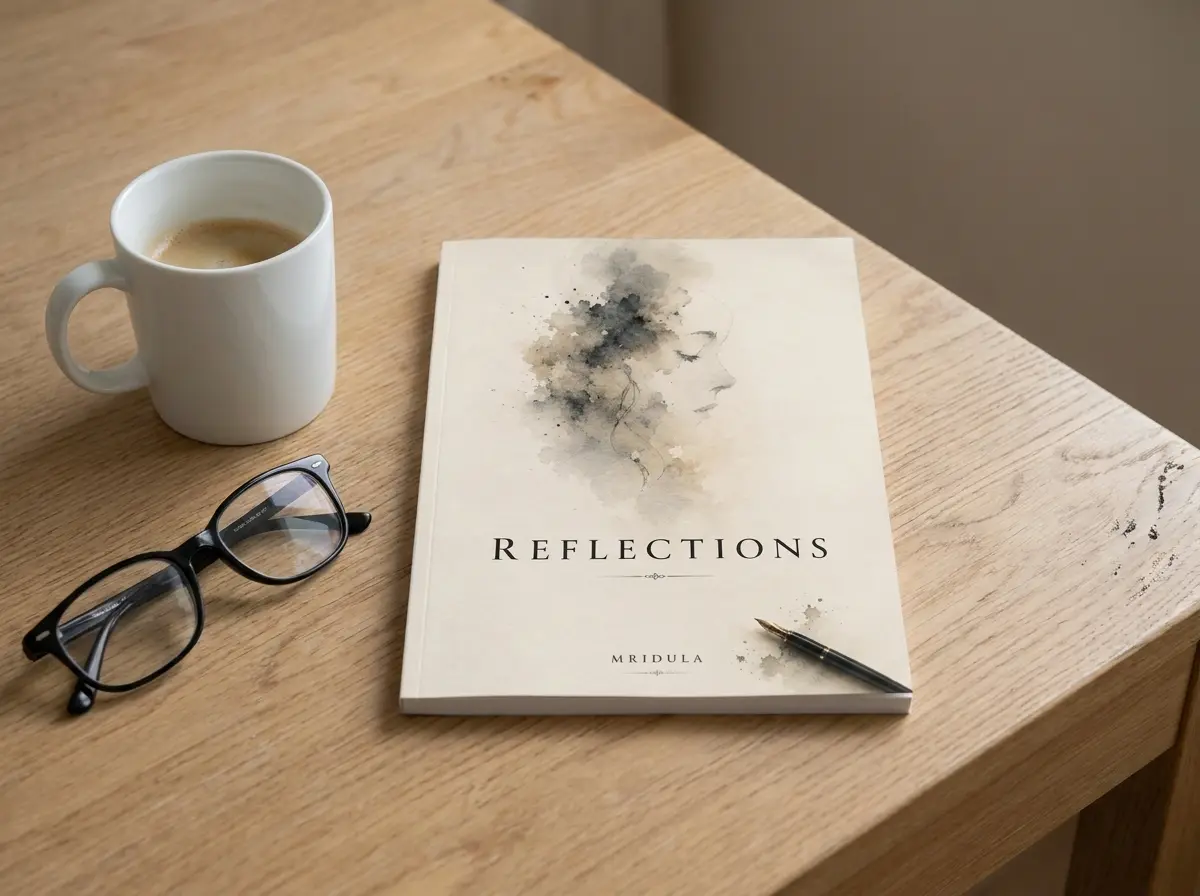
Rating
⭐⭐⭐⭐ (4.3 out of 5)
As someone who has spent more than fifteen years reading books across genres and now serves as the Editor in Chief at Deified Publication, I rarely expect a collection of personal essays to surprise me. Many memoir style books begin with sincerity but gradually become repetitive because the writer starts speaking only about themselves. Reflections by Mridula felt different to me. It begins with one person’s life, but it keeps opening doors that lead to experiences many of us have lived in one form or another.
Before I reached the first essay, the dedication itself made me stop for a moment. The book is dedicated to the author’s mother, not with dramatic language, but with simple gratitude for the roots, values and love she received. Then comes the preface where Mridula explains that these essays were never meant to teach grand lessons. She simply hopes readers see parts of their own lives reflected in hers. That intention sets the tone for everything that follows, and honestly, I appreciated that. There is no attempt to sound wiser than the reader. There is simply a woman trying to understand her own life.
One thing I found refreshing is that this is not a memoir arranged chronologically. Instead, it feels like opening an old wooden box filled with photographs, letters, train tickets, childhood memories, family conversations and unanswered questions. Each essay captures one emotion before gently moving to another. Sometimes I smiled. Sometimes I laughed out loud. A few chapters left me unexpectedly emotional because they reminded me of conversations I’ve heard in countless Indian families over the years.
Another aspect that deserves appreciation is the honesty. Mridula never pretends that life has neat endings. She admits uncertainty. She questions faith without abandoning it. She talks about motherhood without pretending it is effortless. She writes about identity, grief and womanhood without trying to sound philosophical all the time. That balance makes these essays feel genuine instead of carefully manufactured.
What the Book Is About
Reflections is a collection of personal essays written by Mridula, a Chartered Accountant who turns everyday experiences into thoughtful conversations with the reader. The book is divided into four sections, each exploring a different stage of emotional life. The structure itself works well because every part builds naturally upon the previous one. Rather than reading disconnected essays, I felt like I was gradually getting to know the author better with every chapter.
The opening section focuses on identity. It begins with a wonderfully humorous essay about the author’s own name. At first glance, a story about having a difficult name may sound ordinary, but Mridula turns it into something unexpectedly entertaining. She recalls classmates calling her “Medulla Oblongata,” delivery executives struggling to pronounce “Mridula,” Starbucks style spelling disasters, and even a mischievous young family member who lovingly renamed her “Dracula.” I found myself smiling throughout because almost everyone has experienced some version of this, whether it is correcting pronunciation, explaining a surname or answering awkward questions about their identity. What begins as comedy gradually becomes a reflection on how names carry memories, relationships and personal history.
The next essay shifts completely in mood. Here, the author reflects on moments where logic alone could not explain life. She narrates experiences connected to Navratri, her daughter’s placement interview, her husband’s unexpected job offer, and perhaps the most moving incident in the chapter, the comforting presence she felt after falling asleep while grieving for her mother. I appreciated that she never insists readers must interpret these events exactly as she does. Instead, she simply shares them and allows readers to decide where faith ends and coincidence begins. That restraint actually makes the writing stronger.
One of my favourite essays in this opening section is the deeply personal piece about losing one’s identity after becoming a wife and mother. Having spent years speaking with women authors, professionals and readers, I know this conversation resonates with far more people than we often acknowledge. Mridula writes about leaving behind her career as a Chartered Accountant, moving into a new neighbourhood, repeatedly being asked why she was “sitting at home,” and slowly finding herself introducing herself less by her profession and more through family roles. There is no bitterness in the writing, but there is unmistakable honesty. I think many readers, especially women who have stepped away from careers to care for family, will recognise pieces of themselves here.
The second part of the book becomes lighter for a while as childhood memories take centre stage. I genuinely enjoyed reading these essays because they capture the delightful chaos of growing up in a large Indian household. Stories about siblings inventing imaginary family histories, frantic cleaning whenever an uncle returned home, competing to secure an extra samosa when guests arrived, and humorous household incidents are narrated with warmth instead of exaggerated nostalgia. They reminded me that childhood is often remembered not because life was perfect, but because imperfections become funny once enough years have passed.
Among all these memories, the long essay describing railway journeys deserves a special mention. It reads almost like a comedy film. Missing colleagues before departure, chasing moving trains, accidentally boarding the wrong compartments, pulling the emergency chain after leaving a family member behind, and mistakenly accusing an innocent passenger of stealing luggage all create scenes that are vivid and wonderfully visual. I could almost imagine these episodes unfolding in front of me. Beneath the humour, however, lies another truth that many Indian readers will immediately recognise. Train journeys are rarely just about travelling from one city to another. They often become stories that families narrate for decades afterward.
The emotional centre of Reflections begins to emerge more strongly in later sections, especially through essays dedicated to the author’s mother. Without becoming overly sentimental, Mridula writes about grief in a way that feels deeply personal. In one memorable chapter, she describes a crow that repeatedly visits her window after her mother’s passing. In Hindu tradition, crows are often associated with ancestors, and the author gradually finds comfort in these visits without ever insisting that readers accept the same belief. Whether one views the crow as symbolism, coincidence or spiritual reassurance is left entirely open. I liked that openness because it respects readers with different beliefs while remaining true to the author’s own experience.
The essays that follow continue moving between family relationships, daughters, motherhood, marriage, mental health and life’s unanswered questions. Rather than offering solutions, Mridula often ends by inviting reflection, which suits both the title and the spirit of the collection. Even when she raises difficult issues such as emotional burdens within families or societal expectations placed upon women, she does so through lived experience instead of abstract arguments. That approach gives the book authenticity and emotional weight.
What Stood Out to Me
What impressed me most about Reflections was not the scale of its stories but the sincerity with which they are told. Over the years, I have read countless collections of essays where every chapter tries to deliver a dramatic revelation. Mridula takes a different route. She trusts ordinary moments to carry emotional weight, and surprisingly, they often do. A conversation over tea, a train journey, a misunderstanding at home, the memory of a parent, or the simple act of introducing oneself become opportunities to understand life a little better.
The writing itself is conversational. It feels as though someone is sitting across from you, sharing stories exactly as they remember them. There are moments where the author laughs at herself, especially in the opening essay about her name. Being called everything from “Medulla Oblongata” to “Dracula” could easily have become a complaint, but instead she transforms those incidents into humour. By the end of the essay, I realised the story was never really about pronunciation. It was about identity and the strange ways people become attached to the names they once wished were different.
Another strength of the book is its balance between humour and emotion. One chapter might make you laugh because of a chaotic railway adventure where passengers, luggage, and family members all seem determined to create confusion. The next chapter gently shifts into memories of a mother whose absence is still deeply felt. That transition never feels forced because it mirrors real life. Happiness and sorrow rarely arrive separately. They often exist in the same memory.
I also appreciated that Mridula rarely presents herself as someone who has figured everything out. When she writes about stepping away from a successful career as a Chartered Accountant after marriage and motherhood, she doesn’t frame herself as either a victim or a hero. She simply describes the uncomfortable process of losing a professional identity that had once defined her. There is a scene where she talks about introducing herself less as a Chartered Accountant and more through relationships within the family. I have met many women who have shared similar experiences over the years, and this chapter captures that transition with honesty rather than drama.
Faith also appears throughout the book, but I liked that it is presented as personal experience instead of universal truth. Whether it is the Navratri incidents, prayers before important events, or the recurring crow after her mother’s passing, Mridula never pressures readers to interpret these experiences in one particular way. She simply shares what those moments meant to her. That openness allows believers and sceptics alike to engage with the essays without feeling pushed in either direction.
One aspect I genuinely admired was the author’s ability to observe family dynamics. Several essays examine relationships between parents and children, husbands and wives, daughters and society, and even neighbours and strangers. None of these discussions become preachy because they emerge naturally from lived experiences. The lessons are never announced with a loud voice. Instead, readers arrive at them almost on their own.
If I had one small criticism, it would be that a few essays revisit similar emotional territory. Since the book revolves around memory and reflection, certain ideas naturally appear more than once. Readers who prefer fast paced storytelling may occasionally wish for greater variety in rhythm. Personally, this did not reduce my enjoyment, but it is something worth mentioning because not every reader approaches essay collections with the same expectations.
Another pleasant surprise was how relatable many of the cultural references felt. Whether discussing extended families, Indian train journeys, festive traditions, daughters growing up, or the constant questions relatives ask at gatherings, the book captures experiences that will feel immediately familiar to many Indian readers. Even if someone’s circumstances differ from the author’s, the emotional situations often feel universal.
The Emotional Core
Every book has a heartbeat. In Reflections, I think that heartbeat is memory.
The author keeps returning to the people and experiences that shaped her, not because she wants readers to admire her life, but because she is trying to understand it herself. That honesty makes a significant difference. Instead of reading polished life lessons, I often felt I was witnessing someone think through her experiences in real time.
The essays about her mother affected me the most. They never rely on dramatic scenes to create emotion. Rather, they capture the strange reality of grief, how ordinary moments suddenly become reminders of someone who is no longer physically present. The recurring crow outside her window is one such image. Whether readers interpret it spiritually or symbolically almost becomes secondary. What matters is that it gives the author comfort during an unimaginably difficult period, and that feeling comes across with remarkable sincerity.
I also found myself reflecting on the essay about identity after marriage. As an editor, I receive manuscripts from many women who struggle to describe this feeling without sounding either angry or apologetic. Mridula manages to avoid both extremes. She acknowledges the joy of family while also recognising that rebuilding one’s sense of self can be a long process. That emotional honesty makes the chapter particularly memorable.
Another recurring emotion throughout the collection is gratitude. Not the polished gratitude often found in motivational books, but the messy version that appears after mistakes, misunderstandings, missed opportunities and unexpected blessings. The author seems deeply aware that life’s most meaningful lessons often arrive through ordinary experiences rather than extraordinary events.
Reading Reflections in 2026 also feels meaningful because modern life often rewards speed over contemplation. We rush from one responsibility to another, constantly chasing the next milestone. This collection gently reminds readers that some of life’s richest stories are hidden inside everyday conversations, childhood memories, family rituals and personal failures. I found myself thinking about my own memories more than once while reading these essays, and I suspect many readers will experience something similar.
Who This Book Is For
I think Reflections will resonate most strongly with readers who enjoy personal essays more than plot driven fiction. If you appreciate books where real experiences become conversations about family, identity, motherhood, relationships, grief and hope, there is a good chance this collection will connect with you.
Women readers may recognise many of the author’s experiences, especially those related to balancing personal ambitions with family responsibilities. At the same time, I would not say the book is written only for women. Husbands, fathers, sons and daughters can all gain a better understanding of perspectives they may not encounter often enough in everyday life.
Readers who enjoy authors writing about ordinary life with warmth rather than sensationalism are also likely to appreciate Mridula’s voice. If your reading preferences lean heavily toward crime thrillers, fantasy epics or fast moving suspense novels, this collection may not match what you usually seek. Its strength lies in reflection, observation and emotional honesty rather than dramatic twists.
Final Thoughts
Closing Reflections, I found myself smiling more than I expected. Not because every essay was cheerful, but because the collection celebrates ordinary life without pretending it is perfect. It accepts that families argue, careers change, parents leave us, children grow up, identities evolve, and faith sometimes coexists with uncertainty. Those are realities most of us understand, yet very few books express them with such natural warmth.
As Editor in Chief at Deified Publication, I often ask myself one simple question after finishing any book. Would I genuinely recommend this to a friend over a cup of chai, without feeling the need to exaggerate its strengths? In the case of Reflections, my answer is yes.
Is every essay equally memorable? Probably not. A few chapters are stronger than others, and there are moments where similar themes return more often than necessary. Even so, the collection succeeds because of its authenticity. Mridula writes with honesty, humour and compassion, and those qualities give the book a voice that feels refreshingly human.
If you are looking for explosive drama or intricate fictional plots, this may not be the right choice. But if you enjoy books that encourage you to think about your own family, your own memories and the people who shaped your life, Reflections is well worth your time.
FAQs
Is Reflections worth reading?
Yes, especially if you enjoy personal essays rooted in everyday life. The book offers heartfelt observations on family, identity, motherhood, grief, faith and relationships through experiences that feel genuine rather than manufactured.
Who should read Reflections by Mridula?
Readers who enjoy memoir style writing, reflective essays and books about ordinary people facing familiar life situations will likely connect with this collection. It is particularly meaningful for those interested in family relationships and personal growth.
Is Reflections fiction or nonfiction?
Reflections is a nonfiction collection of personal essays based on the author’s own experiences, observations and memories. The stories draw their strength from authenticity rather than fictional storytelling.
Does Reflections have an overall story?
Not in the traditional sense. Each essay stands on its own, but together they create a portrait of the author’s life, values, relationships and evolving understanding of herself and the people around her.
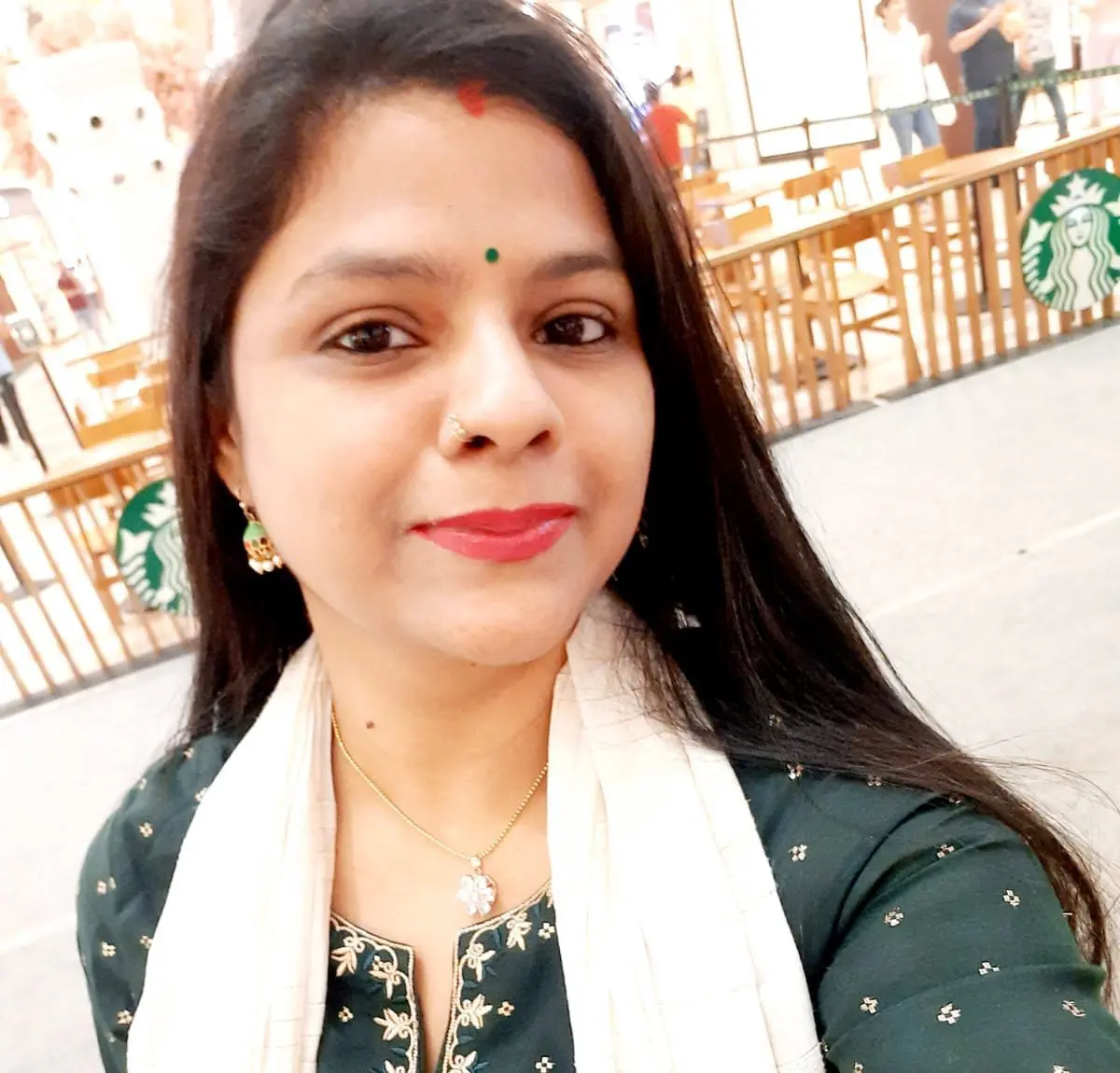
With over 11 years of experience in the publishing industry, Priya Srivastava has become a trusted guide for hundreds of authors navigating the challenging path from manuscript to marketplace. As Editor-in-Chief of Deified Publications, she combines the precision of a publishing professional with the empathy of a mentor who truly understands the fears, hopes, and dreams of both first-time and seasoned writers.