
Rating:
⭐⭐⭐⭐ ⭐(4.7 out of 5)
Before I say anything about the story, one thing stayed with me the most: the author has chosen to donate whatever this book earns. This is really a noble thing very few people on this planet do. So kudos to the Author for this. I have read many royal romances over the years. Some are dramatic, some loud with betrayal and declarations, some drenched in spectacle. So when I picked up RANI-SA: Eternal Flame of Love by Lily Anand, I was not expecting to slow down. But that is exactly what happened.
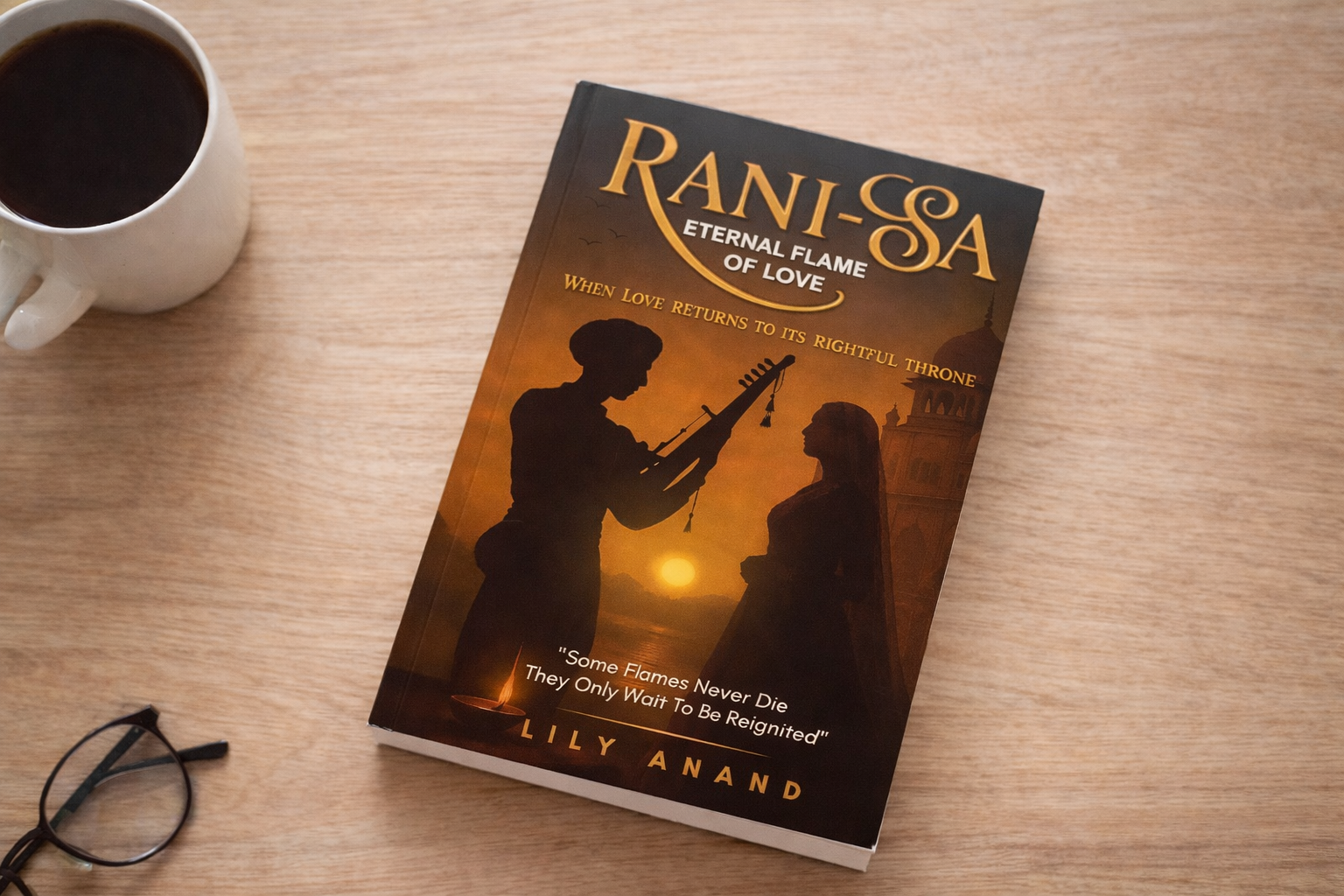
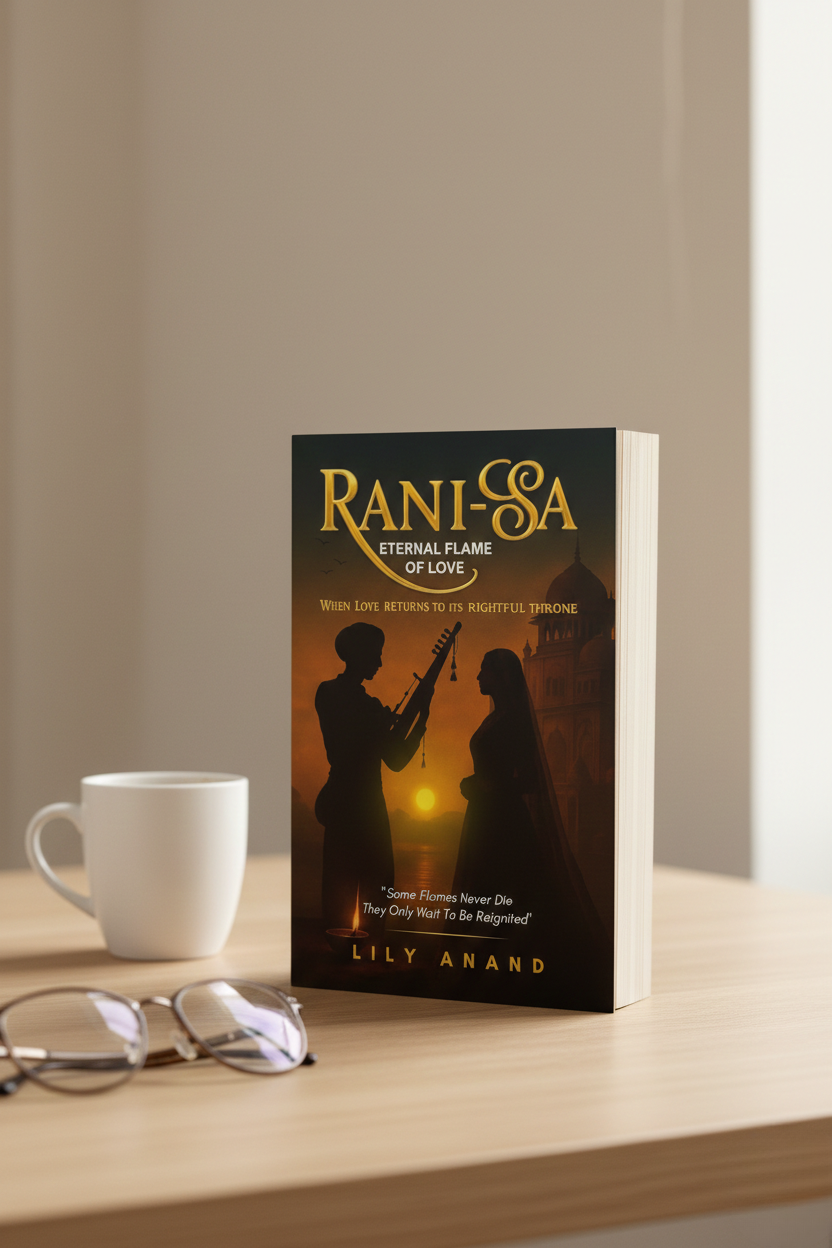
There was something about the cover that made me pause. The warm amber light, the silhouettes facing each other at sunset, the sense of reverence rather than urgency. It reminded me of stories my grandmother used to talk about, not in grand speeches, but in half sentences while doing something else. Stories where love was not announced, it was carried.
As an editor at Deified Publication, I often say this to authors and readers alike. Some books ask for your attention. Others ask for your patience. RANI-SA very clearly asks for the second.
What the Book Is About, Without Dressing It Up
At its core, RANI-SA is the story of Ganga. She is not introduced as a rebel or a revolutionary figure. She is presented as a woman shaped by devotion, tradition, and restraint. Set against the backdrop of royal life, the story places her in a world where love exists, but so do duty, separation, and long silences.
The blurb makes it clear that this is not a fast moving romance. Love here is tested by time, choices, and responsibility. The idea that stood out to me was that love is not framed as destiny alone. It is shaped by patience, dignity, and the willingness to endure what cannot be changed immediately.
Royalty in this story does not seem ornamental. It is shown as obligation. Motherhood is not romanticized, but treated as a source of grounding and healing. Spiritual symbolism appears quietly through everyday moments rather than dramatic sermons.
From what is shared, the book is less about what happens and more about how people live with what happens.
What Stood Out to Me as a Reader and Editor
In my years reviewing fiction, especially stories centered on women, I have noticed how often strength is equated with defiance. RANI-SA does something different. Ganga’s strength seems to come from stillness, from choosing dignity over reaction. That is not an easy thing to write without making the character feel passive, and that is where my curiosity lies.
The language hinted at in the blurb and reflected on the cover suggests emotional restraint. Love evolves not through declarations, but through waiting, truth, and acceptance. I have seen this kind of love in real life, especially in older generations. It is not glamorous, but it lasts.
Another thing that stood out was how royalty is positioned. There is no sense of indulgence here. Instead, there is responsibility, lineage, and the weight of being seen. That framing adds emotional realism. It grounds the romance instead of letting it float away into fantasy.
From a craft perspective, this kind of story relies heavily on internal movement rather than plot twists. That can be risky. Some readers may feel the pace is slower than what they are used to. But for others, especially those who enjoy reflective narratives, this restraint can feel deeply satisfying.
The Emotional Core and Why It Feels Timely in 2026
What stayed with me while thinking about RANI-SA is how relevant this story feels right now. In 2026, so many conversations around love revolve around immediacy. Instant clarity. Instant closure. Instant passion.
This book seems to push gently against that idea.
It speaks about love that waits. Love that changes shape. Love that survives separation and does not demand constant reassurance. Honestly, I found that refreshing.
There is also a strong thread of womanhood defined by grace rather than performance. Ganga is not trying to prove anything. She is simply living with integrity inside her circumstances. That kind of portrayal feels rare and necessary.
Motherhood as healing also struck me. Often, motherhood in fiction is either idealized or sidelined. Here, it appears as a grounding force. A source of strength that does not erase longing, but gives it meaning.
I think many readers will find themselves reflecting on their own relationships. Not just romantic ones, but bonds shaped by duty, family, and choices that were made quietly.
Who This Book Is For and Who Might Struggle With It
RANI-SA will resonate deeply with readers who enjoy emotionally layered romances. If you like stories where feelings are carried rather than announced, this will likely work for you.
Readers who appreciate Indian cultural settings, royal traditions, and spiritual symbolism woven into daily life will find familiarity here.
This book is also for those who believe strength does not always need to be loud. For readers who have lived through waiting, separation, or loving someone while letting them go.
That said, if you prefer fast paced plots, dramatic confrontations, or highly external conflict, this might feel slow at times. The story seems to value reflection over momentum, and that is a deliberate choice.
Final Thoughts From Me
As someone who has read fiction for over fifteen years, I can say this. RANI-SA does not try to impress. It tries to stay true to its emotional center.
At Deified Publication, we often talk about stories that honor lived experience rather than spectacle. This novel appears to do exactly that. It trusts the reader to sit with discomfort, patience, and love that evolves over time.
It may not be for everyone, and that is actually its strength. For the right reader, this is the kind of book that lingers gently, like a memory you did not realize mattered until much later.
Conversational FAQ
Is RANI-SA worth reading?
If you enjoy reflective love stories rooted in tradition and emotional realism, yes.
Who should read RANI-SA?
Readers who value patience, grace, and layered emotional storytelling will connect with it.
Is this a typical royal romance?
Not really. It focuses more on responsibility and inner strength than spectacle.
Does the book focus heavily on spirituality?
Spiritual symbolism is present, but it blends naturally into everyday life rather than overpowering the story.

With over 11 years of experience in the publishing industry, Priya Srivastava has become a trusted guide for hundreds of authors navigating the challenging path from manuscript to marketplace. As Editor-in-Chief of Deified Publications, she combines the precision of a publishing professional with the empathy of a mentor who truly understands the fears, hopes, and dreams of both first-time and seasoned writers.