
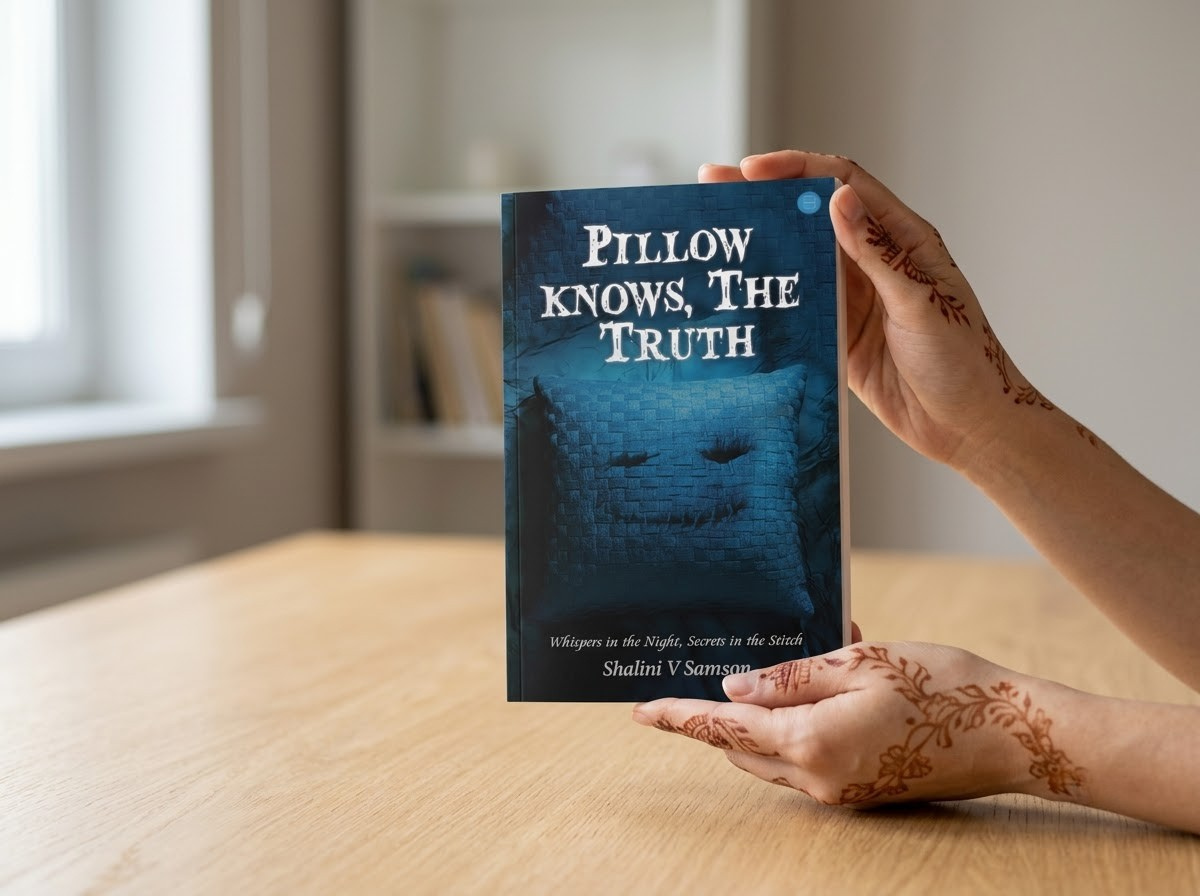
Rating: ⭐⭐⭐⭐ (4.3 out of 5)
Every now and then, a crime novel comes across my desk that makes me put down my evening tea and read a single paragraph three times just to make sure I understood what just happened. After spending over fifteen years reading everything from classic whodunits to raw self-published thrillers, I have learned to appreciate books that break standard narrative rules. Sitting in my home library with this manuscript, I felt an eerie chill as the peculiar logic of the story began to unfold. It reminded me of cold monsoon nights in Shimla where every creak of the floorboards sounds like a confession. The narrative does not try to be polished in a traditional commercial way, but it holds a strange raw quality that pulls you forward through sheer curiosity.
As the Editor-in-Chief at Deified Publication, I evaluate hundreds of manuscripts every year, yet this specific title caught my attention because of its peculiar central conceit. The idea that inanimate objects might carry the weight of human crime is not entirely new, but the execution here relies on unusual psychological twists. The story moves between intimate family tragedies in Goa and a complex police investigation led by Inspector Khan Mathews. There is a unsettling texture to how trauma is inherited across generations in this narrative. I found myself thinking about how real life crime stories often turn on small forgotten items left behind in bedroom closets or under mattresses.
What the Book Is Actually About
The plot of Pillow knows The Truth by Shalini V Samson centers on a tangled web of family secrets, murder, and law enforcement investigations. The story opens with Anthony Fernandez and his wife Angel building a quiet family life near a lake after marrying with the guidance of Father Fernandez at St. Francis Church in Vasco da Gama, Goa. They raise two sons, Andrew and Anthros, who grow into vastly different men. Andrew follows his father’s dark interest in hunting, while Anthros pursues medical ambitions and gathers colorful pebbles by the water. Their lives fracture when a terrifying confrontation near the lake ends in the sudden death of their mother Angel, leading Anthony to blame and beat Anthros with a leather belt.
As the years pass, the family mystery deepens into an investigation involving Inspector Khan Mathews and his colleague Inspector Abhishek. The case expands into a series of horrific discoveries involving missing girls, hidden half-pillows, and severed limbs linked to Professor Reivax and a shadowy figure known only as the Helper. Although Professor Reivax is eventually tried, convicted, and sentenced to death by hanging, the investigation reveals that the primary puppeteer is still active within the police department’s own forensic division. The narrative follows both the emotional rehabilitation of Reivax inside her prison cell under the guidance of Pastor William Samuel and Khan’s frantic attempt to catch the real mastermind before more innocent lives are taken.
Evaluating Craft, Pacing, and Characterisation
When looking at the technical craft of Shalini V Samson, the structure of the book feels like a series of vivid fever dreams stitched together. The author shifts tone rapidly between idyllic slice-of-life scenes in coastal Goa and brutal violence in dark treehouses. One moment we read about Anthony buying chapati and pork curry from Mr. Gabriel, and the next we are confronted with a room containing a severed head with gouged eyes. This abrupt shifting creates a chaotic energy that reflects the unhinged minds of the antagonists. While some readers might find these sudden jumps disorienting, they give the mystery a raw and unpredictable atmosphere that keeps you guessing.
The character writing presents an interesting mix of traditional moral archetypes and unexpected psychological turns. Inspector Khan Mathews is introduced with a pointy nose, steely resolve, and a troubled past, yet his vulnerability shows when he breaks down sobbing under a tree over his sister Mary’s missing half-pillow. Professor Reivax is equally complex, transforming from a chilling killer who murdered her twin brother Xavi into a penitent prisoner debating theology with Pastor William. However, the prose occasionally suffers from sudden shifts in perspective and grammatical awkwardness. Dialogue sometimes feels stiff, as when characters speak in formal declarations right after moments of extreme panic, which breaks the immersion slightly.
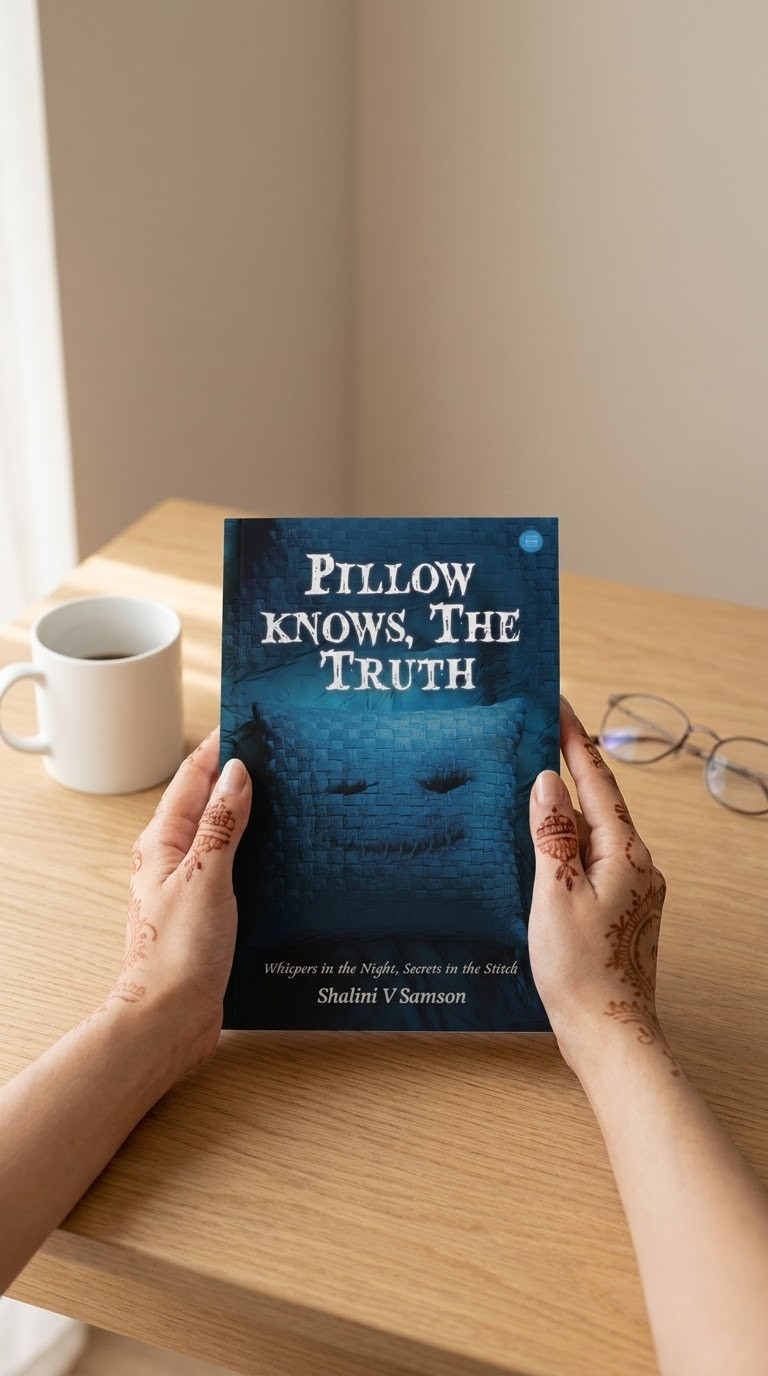
The Emotional Core and How It Lands
The central emotional axis of the story rests on guilt and the desperate search for absolution. The scene where Anthros is saved by a wild bear that licks his face right before a gunshot kills his mother stays in your mind because of its sheer oddity. It creates a tragic contrast between nature and human cruelty that echoes through the rest of the book. Anthros carrying the guilt of his mother’s death while taking care of a bear cub named Ash feels deeply tragic. You can see how trauma reshapes a child into a fragile adult who collects smooth pebbles to cope with domestic horror.
Another powerful sequence occurs during Professor Reivax’s final days on death row. Her conversation with Pastor William about whether faith can clean a guilty conscience feels surprisingly personal and honest. When she asks why she was not stopped from sinning if divine love exists, it raises fundamental questions about free will that elevate the prison chapters. Reading her single tear falling as she walks to the gallows brought a genuine lump to my throat. It is rare for a thriller to spend so much time examining the soul of a convicted killer before their execution, and those pages give the book its true heart.
Who Should Read This and Who Should Skip It
If you enjoy unconventional crime mysteries that blend police procedurals with spiritual themes and graphic psychological drama, this book is worth reading. Fans of dark indie suspense fiction will appreciate the bold narrative choices and the willingness to explore heavy subjects like grief, redemption, and institutional corruption. It works well for readers who prefer raw storytelling over polished mainstream formulas. If you are curating your reading list for 2026 and want something distinct from standard bestseller lists, this book offers a unique voice that stands apart from typical commercial thrillers.
On the other hand, if you prefer neat, highly polished police procedurals with linear timelines and traditional logic, you might want to skip this one. The narrative pacing can be jarring, with major plot twists revealed in sudden brief sentences at the end of chapters. Readers who are sensitive to graphic descriptions of violence, domestic abuse, or animal harm should also approach with caution. The ending leaves several disturbing elements unresolved, which might frustrate those who demand a clean, comforting resolution where every single bad person is caught and punished.
Honest Closing Thoughts
In this Pillow knows The Truth Book Review, I must emphasize that the book is far from perfect, yet it possesses a undeniable genuine spirit. The plot twist in the final chapter, where Inspector Khan realizes the Helper is working right inside the forensic department while Rekha is murdered, leaves you breathless. The line stating that bad things are like unnoticed tears that keep flowing until someone picks them up feels like a true reflection on human suffering. It is an ambitious story that tries to tackle massive themes of sin, justice, and family trauma within a condensed mystery format.
Ultimately, Shalini V Samson has created a crime story that refuses to follow comfortable conventions. It has rough edges, awkward phrasing, and sudden leaps in time, but it also contains moments of surprising emotional intensity. I kept thinking about Inspector Khan holding Mary’s silver locket long after I closed the back cover. If you go into this novel expecting an unusual, slightly chaotic indie mystery rather than a polished corporate bestseller, you will find plenty of strange beauty and dark intrigue inside its pages.
FAQs
What is the main book summary for Pillow knows The Truth?
The story follows a complex murder investigation in Goa spanning two generations of the Fernandez family and Inspector Khan Mathews. After Angel Fernandez is shot dead near a lake, her husband Anthony and sons Andrew and Anthros become entangled in a trail of secrets involving hidden pillows, missing children, and serial murders. As Inspector Khan and his partner Abhishek work to solve the case, they uncover a conspiracy involving Professor Reivax and an elusive accomplice called the Helper who operates from within the police system itself.
What is it about that makes the plot so unique?
The plot stands out because it combines brutal crime mystery elements with deep spiritual reflections and unconventional symbolism. Instead of relying solely on physical clues, the narrative uses half-pillows left with victims as key evidence while exploring the psychological redemption of a killer on death row. The inclusion of strange natural elements, such as a wild bear that protects a child, alongside formal courtroom trials creates an unusual atmosphere that separates it from standard detective novels.
Is it worth reading for fans of modern suspense books?
Yes, it is worth reading if you enjoy indie crime thrillers that take bold narrative risks and focus heavily on themes of guilt and redemption. While the writing style is sometimes unpolished and the pacing shifts rapidly between scenes, the eerie atmosphere and shocking twists keep reader interest high throughout the short chapters. It offers a fresh perspective on the crime genre for anyone looking for an unconventional mystery experience.
Should you read this book if you dislike graphic crime details?
If you prefer gentle mysteries or cozy detective stories, you may want to skip this title. The book contains explicit depictions of domestic violence, murder scenes, severe physical injury, and psychological trauma across several chapters. Readers who are uncomfortable with heavy themes involving child abduction, severe grief, or execution on death row should evaluate these content warnings before starting the book.

With over 11 years of experience in the publishing industry, Priya Srivastava has become a trusted guide for hundreds of authors navigating the challenging path from manuscript to marketplace. As Editor-in-Chief of Deified Publications, she combines the precision of a publishing professional with the empathy of a mentor who truly understands the fears, hopes, and dreams of both first-time and seasoned writers.