
Rating:
⭐⭐⭐⭐1/2 (4.5 out of 5)
I’ll be honest, when I first heard about Paradox Ad Bellum, I thought it would be one of those fast thrillers you read for the adrenaline and then forget after a week. But somewhere between the early tension and the later emotional breakdowns of its characters, I found myself slowing down. Not because the story got slow, but because it started asking uncomfortable questions.
And that stayed with me.
As someone who has spent years reading manuscripts at Deified Publication, I’ve come across many books that mix science, crisis, and human drama. But not all of them manage to make you pause mid-page and think about your own moral boundaries. This one does that in small, unexpected ways.
What the Book Is About
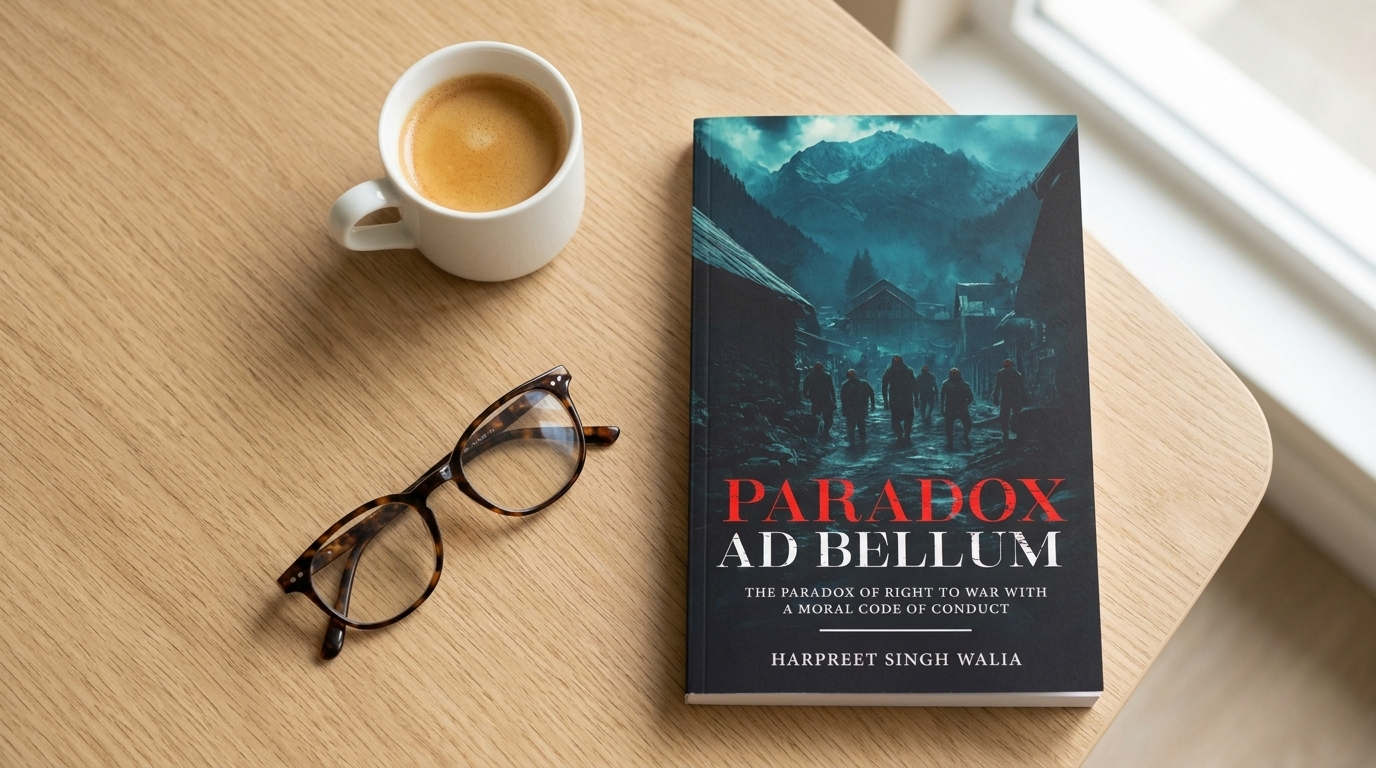
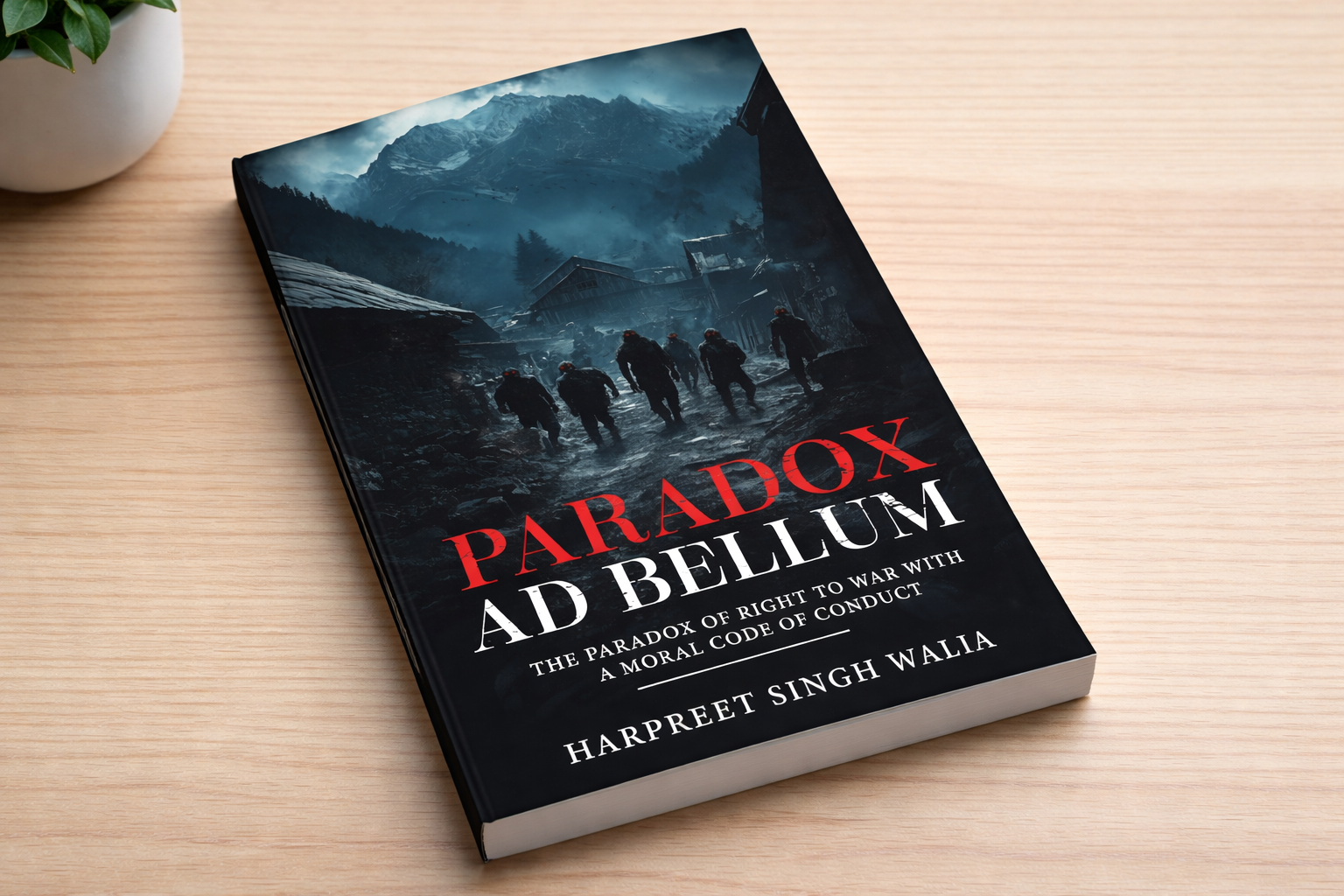
At its surface, Paradox Ad Bellum by Harpreet Singh Walia is built around a frightening premise. An epidemic breaks out in the Kinnaur district of Himachal Pradesh. Scientists suspect something unusual, even unnatural. A virus preserved under permafrost for centuries is released because of global warming.
That alone could have been enough for a straightforward disaster story. But the book quickly shifts focus.
The army steps in. The region is quarantined. Civilians are caught in the middle. And suddenly, this is no longer just about a virus. It becomes about decisions. About authority. About what people are willing to justify when they believe they are protecting the greater good.
We follow multiple characters, but Jaideep, Ravi, Anjali, Shruti, and Gautam stayed with me the most. Their lives intersect in ways that feel painfully human. There’s grief, confusion, guilt, and that constant question running underneath everything. What is the right thing to do when every option feels wrong?
There’s a line early on where Jaideep reflects on the idea of jus ad bellum, the right to go to war. And I remember thinking, this is not just about a virus anymore. This is about justification. About morality wrapped inside authority.
What Stood Out to Me
I think what struck me first was the way Harpreet Singh Walia balances scale and intimacy.
On one side, you have this large, almost cinematic situation. Army vehicles, quarantines, a spreading infection, fear of something unknown. But then the narrative pulls you into very small, personal moments.
There’s a scene where Gautam’s body is brought in, and the silence around it feels heavier than any dramatic description could have been. No over-explaining. Just reactions. Jaideep standing still. Ravi looking exhausted. Anjali holding herself together. That kind of writing relies on restraint, and I appreciate that.
Another moment that stayed with me is Shruti’s breakdown. It is not dramatic in a loud way. It feels real. The way she asks, “Why Gautam? Why not you?” It is such a raw, human reaction. Not logical. Not fair. But completely honest. I’ve seen people speak like that in grief. That part didn’t feel written. It felt observed.
Also, the philosophical layer surprised me.
The references to Stoicism, especially Jaideep thinking about Marcus Aurelius, add depth without turning the book into a lecture. There’s this idea he holds onto. You cannot control what happens, but you can control how you respond. It sounds simple, but in the context of death and chaos, it becomes heavier.
At the same time, the title itself keeps echoing through the story. The paradox of war with a moral code. Can violence ever be justified if it is meant to protect? And more importantly, who decides that?
I liked that the book doesn’t hand you easy answers.
The Emotional Core
For me, the emotional center of Paradox Ad Bellum is not the virus. It is helplessness.
There’s this constant feeling that things are slipping out of everyone’s control. Not just the civilians, but even the people in charge. Orders are being followed, but there’s doubt underneath them.
Ravi’s character, especially, carries a certain weight. He is caught between responsibility and guilt. You can sense it in his conversations. He is trying to stay composed, but there’s a crack forming.
And then there is Shruti.
Her grief feels central to the emotional experience of the book. The way she moves from numbness to breakdown, from silence to questions, it felt very real to me. There’s a moment where she simply stares blankly at a wall, and I paused there. Because that kind of silence is something I’ve seen in real life. It’s not dramatic, but it’s deeply unsettling.
Even smaller interactions carry emotional weight. Like Rajni bringing food for Jaideep and Kamal. Packed paranthas. That detail stayed with me. In the middle of a crisis, someone still thinks about feeding others. That’s such a small human instinct, but it says so much.
And then there’s guilt. It runs quietly through the narrative.
You see it in the way characters speak, or don’t speak. In what they choose to reveal. In what they hide. The book doesn’t always spell it out, but you feel it.
Who This Book Is For
I think this is important to say honestly. This book might not be for everyone.
If someone is looking purely for a fast-paced, action-heavy thriller, they might feel this slows down in places. The story takes time to sit with its characters. It allows them to think, to feel, to question.
But if you enjoy stories where plot and philosophy intersect, where characters are as important as events, this might resonate with you.
Also, readers who like grounded Indian settings will appreciate this. The Himachal backdrop, the army involvement, the cultural nuances in conversations, they all add authenticity.
And if you’re someone who has ever thought about moral dilemmas in real life, not just in theory, this book might stay with you longer than you expect.
Final Thoughts
In my years as an editor, I’ve learned that a good story is not just about what happens. It’s about what lingers.
Paradox Ad Bellum lingers.
Not because it shocks you constantly, but because it leaves you with questions. About authority. About responsibility. About whether doing the right thing always feels right.
I did feel that in a few places, the pacing could have been tighter. Some transitions between philosophical reflections and narrative events felt slightly abrupt. Not enough to break the experience, but noticeable.
Still, the emotional honesty of the characters carries the book forward.
And honestly, I appreciate a book that trusts its readers enough to sit with discomfort instead of resolving everything neatly.
FAQs
Is Paradox Ad Bellum worth reading?
I think yes, especially if you like stories that mix real-world crises with moral questions. It’s not just about survival. It’s about decisions.
What genre is Paradox Ad Bellum?
It sits somewhere between a thriller, a disaster narrative, and philosophical fiction.
Who should read this book?
Readers who enjoy character-driven stories with emotional depth and ethical dilemmas will likely connect with it.
Is it more action or emotion?
It leans more toward emotional and psychological exploration than pure action.

With over 11 years of experience in the publishing industry, Priya Srivastava has become a trusted guide for hundreds of authors navigating the challenging path from manuscript to marketplace. As Editor-in-Chief of Deified Publications, she combines the precision of a publishing professional with the empathy of a mentor who truly understands the fears, hopes, and dreams of both first-time and seasoned writers.