
Rating:
⭐⭐⭐⭐ (4.3 out of 5)
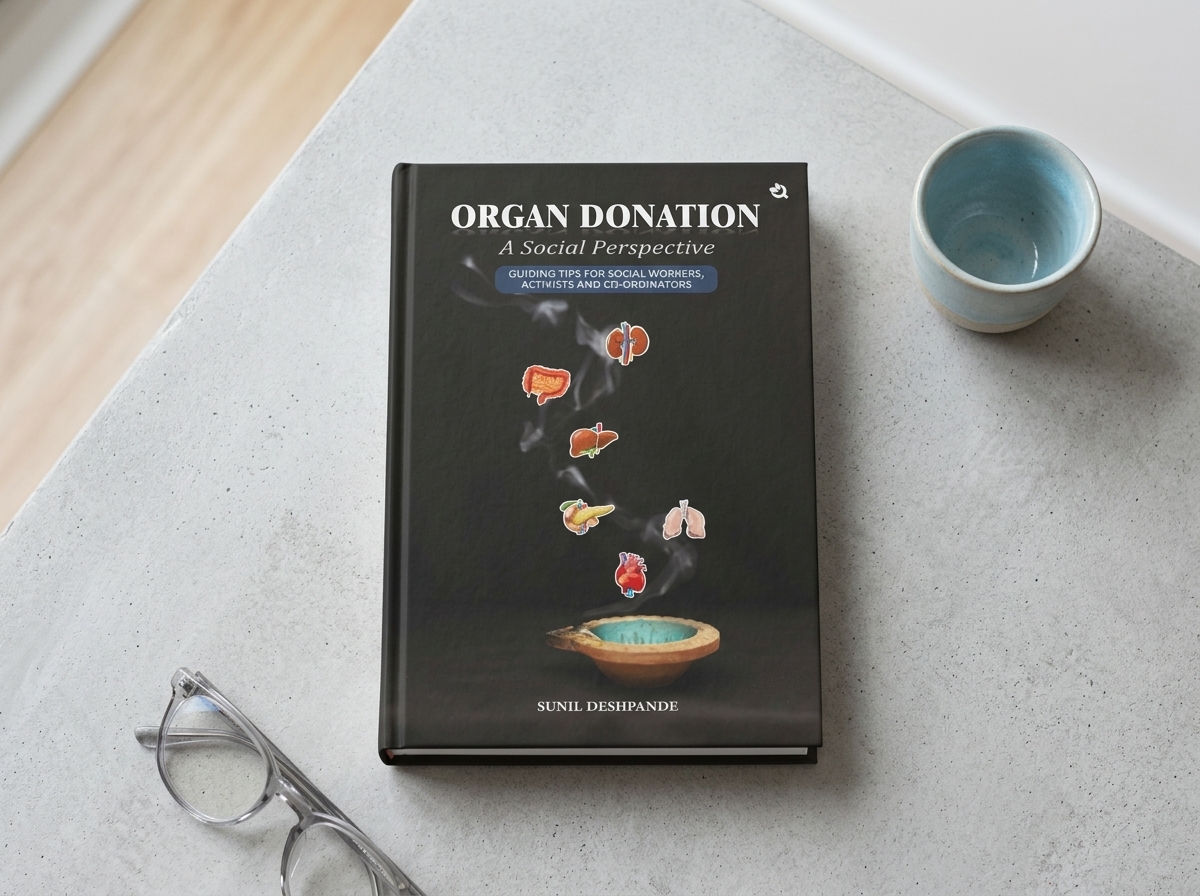
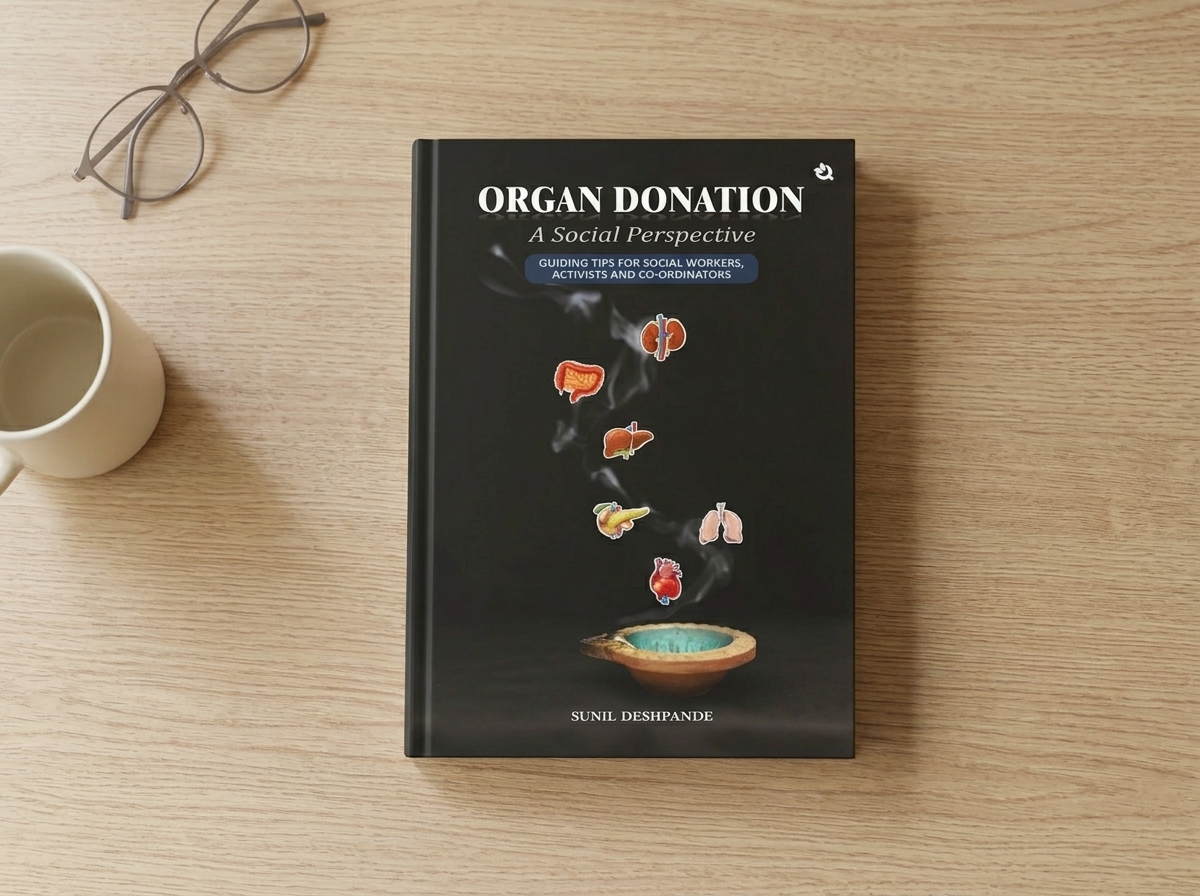
Every now and then, I come across a book that is not trying to entertain, impress, or even persuade in the traditional sense. It is trying to serve. That was my feeling while reading ORGAN DONATION: A Social Perspective, Guiding Tips For Social Workers, Activists and Co ordinators by Sunil Deshpande.
As someone who has spent more than fifteen years reading books across genres, I have learned that sincerity is difficult to fake. You can usually tell when an author is writing from direct experience rather than theory. This book carries that feeling throughout its pages.
What struck me first was that this is not a book written by someone observing organ donation from a distance. It is written by a person who has spent years working on the ground, speaking to communities, conducting awareness campaigns, engaging with institutions, understanding legal frameworks, and confronting the practical challenges that prevent organ donation from becoming a larger movement in India.
There is a difference between reading about a cause and reading from someone who has dedicated a significant part of his life to it. That difference becomes visible almost immediately.
In 2026, when healthcare conversations often focus on technology, artificial intelligence, and medical innovation, this book brings the discussion back to something deeply human: our willingness to help another person live.
What the Book Is About
At its heart, ORGAN DONATION is a guidebook, an awareness handbook, and a personal mission statement rolled into one.
The book begins with the author’s reflections on connecting communities for organ donation awareness. I found these early chapters particularly interesting because they reveal how the movement grew through direct human interaction. Sunil Deshpande shares his experiences of traveling, conducting awareness activities, engaging with social workers, and building networks that could spread knowledge about organ donation.
One chapter that remained in my mind discusses the social worker’s mindset. The author repeatedly returns to a simple but powerful idea. Most people ask, “Why should I?” A social worker asks, “Why should I not?”
That distinction may seem small, but it forms the philosophical foundation of the entire book.
The book then moves into broader discussions about friendship, social responsibility, public service, and humanitarian thinking. Rather than presenting organ donation as a medical procedure alone, the author presents it as an extension of ethical citizenship.
As the chapters progress, readers are introduced to practical topics including eye donation, skin donation, body donation, cadaver donation, brain death, transplant procedures, legal frameworks, and the rights and responsibilities surrounding organ donation in India.
One of the most useful sections covers THOA and THOTA related legislation. Many awareness books avoid legal details because they can appear dry. Here, however, the legal information feels necessary because misconceptions around organ donation often begin with misunderstandings about law and procedure.
The later chapters expand into future possibilities, discussing emerging developments in transplantation, organ preservation, bioengineering, artificial organs, and advances that may reshape the field in coming decades.
What impressed me was the scope. The book moves from philosophy to law, from personal reflection to public policy, from present realities to future possibilities.
What Stood Out to Me
The strongest aspect of this book is its clarity of purpose.
Sunil Deshpande never seems confused about why he is writing. Every chapter serves the central objective of increasing awareness and reducing misconceptions.
I particularly appreciated the chapter discussing organ donation as a form of social responsibility. In many books about public service, authors can become overly idealistic. Here, the argument is surprisingly practical. The author suggests that organ donation benefits people regardless of caste, religion, community, or social status. The recipient is often someone we will never meet. That makes the act fundamentally humanitarian.
Another section that caught my attention was the discussion on friendship, fellowship, and social goodwill. At first glance, these topics may seem unrelated to organ transplantation. Yet the author connects them through the idea that helping others creates stronger communities. Whether readers agree with every conclusion or not, the argument feels sincere and internally consistent.
I also found the chapter on skin donation informative. Many people know about eye donation and kidney donation. Far fewer understand how skin donation can help burn victims. The explanation is simple enough for general readers while still communicating the urgency of the issue.
The book’s treatment of brain death is another strength. This is one of the most misunderstood topics in public discourse. The author explains it in straightforward language, avoiding excessive medical jargon.
Then there is the chapter titled “Hopeful Future.”
Honestly, this chapter surprised me.
The discussion moves beyond current transplantation practices and examines developments such as bionic eyes, advances in organ preservation, xenotransplantation, and even bioengineered organs. Some of these possibilities sound almost futuristic, yet they are grounded in ongoing scientific efforts. The chapter introduces hope without drifting into fantasy.
From a writing perspective, the structure works because each chapter feels connected to the larger mission. Even when the author discusses law, science, religion, or ethics, the focus remains on saving lives through awareness and action.
The Emotional Core
Many books about healthcare rely heavily on statistics.
This book contains statistics, certainly. It discusses waiting lists, shortages, and transplant needs. But the emotional impact comes from something else.
It comes from the repeated reminder that behind every number is a person.
- A person waiting for a kidney.
- A family hoping for a transplant.
- A burn victim needing skin grafts.
- A patient whose eyesight might be restored.
As I read, I kept thinking about how strange it is that something capable of saving multiple lives is still surrounded by hesitation, myths, and lack of awareness.
The author often returns to a simple truth. One donor can save multiple lives.
That idea appears throughout the book, not as a slogan but as a moral invitation.
There is also something deeply moving about the author’s personal commitment. The descriptions of awareness campaigns, pad yatras, training sessions, community outreach programs, and efforts to connect diverse groups suggest a lifetime devoted to a cause larger than oneself.
I think readers will come away feeling informed, but perhaps more importantly, they may come away asking themselves questions they had never seriously considered before.
Not because the book pressures them.
Because it gives them enough information to think differently.
Who This Book Is For
This book is obviously valuable for social workers, activists, NGO volunteers, transplant coordinators, healthcare educators, and community leaders.
But I would not limit it to those audiences.
I think it is also useful for ordinary readers who want a clear understanding of organ donation without having to navigate technical medical literature.
Students studying social work may find particular value here because the book repeatedly links humanitarian service with practical action.
Healthcare professionals involved in awareness initiatives may appreciate the combination of legal, ethical, and social perspectives.
Readers looking for dramatic storytelling or literary nonfiction might find parts of the book more instructional than narrative. That’s a fair observation. The author’s goal is education and advocacy rather than literary experimentation.
Still, for readers interested in public health, social change, and humanitarian work, there is a great deal to absorb.
Final Thoughts
When I finished ORGAN DONATION, my strongest feeling was respect.
Respect for the cause.
Respect for the years of effort behind it.
And respect for an author who has clearly invested significant portions of his life in helping people understand why organ donation matters.
This book does not try to overwhelm readers with complexity. It speaks directly, often conversationally, and focuses on practical understanding. Some sections could perhaps have benefited from tighter editing and a little more narrative storytelling, especially for readers unfamiliar with the subject. But those are relatively small concerns compared to the value the book provides.
What makes this book meaningful is that it connects information with purpose. It explains procedures and laws, but it never forgets the human beings involved.
In a world where many people want to help but do not know how, books like this serve an important role.
And honestly, if even a handful of readers decide to learn more about organ donation after reading it, the book will have accomplished something significant.
FAQ
Is ORGAN DONATION by Sunil Deshpande worth reading?
Yes, especially if you want a practical understanding of organ donation in India. The book combines social, legal, ethical, and humanitarian perspectives in accessible language.
Who should read ORGAN DONATION?
Social workers, activists, NGO volunteers, healthcare educators, students, transplant coordinators, and anyone interested in public health awareness.
What is ORGAN DONATION about?
The book explains organ donation from multiple perspectives including social responsibility, legal frameworks, religious viewpoints, medical realities, awareness building, and future developments in transplantation.
Is this book academic or easy to understand?
It is surprisingly accessible. While it contains legal and medical information, the writing remains reader friendly and focused on awareness rather than technical complexity.

With over 11 years of experience in the publishing industry, Priya Srivastava has become a trusted guide for hundreds of authors navigating the challenging path from manuscript to marketplace. As Editor-in-Chief of Deified Publications, she combines the precision of a publishing professional with the empathy of a mentor who truly understands the fears, hopes, and dreams of both first-time and seasoned writers.