
Rating:
⭐⭐⭐⭐ (4.3 out of 5)
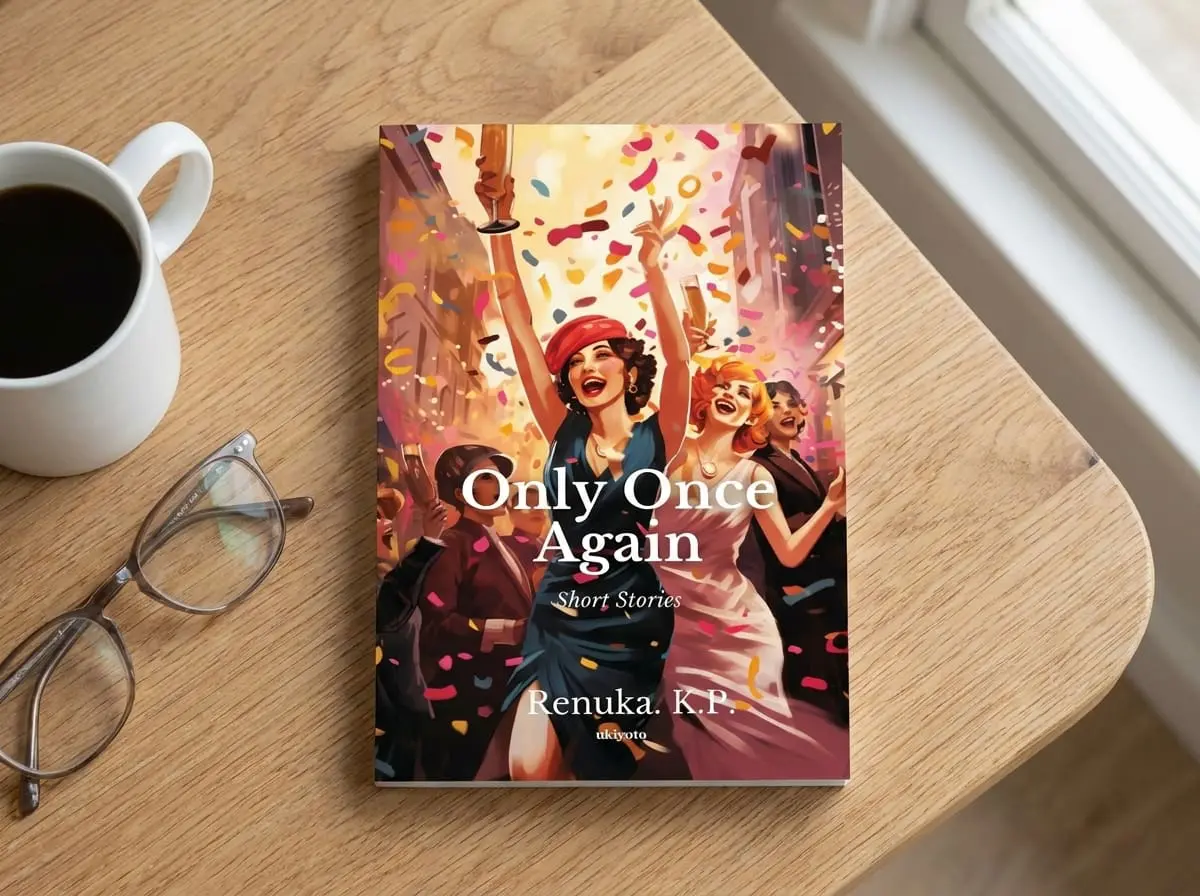
As someone who has spent more than fifteen years reading and reviewing books, I have learned that not every memorable book arrives with grand twists, dramatic villains, or larger than life heroes. Sometimes a book earns your attention simply by observing ordinary people with care. That was my experience with Only Once Again by Renuka K.P.
When I finished reading this collection, I found myself thinking less about plots and more about people. A lonely woman carrying emotional scars. A grandmother whose presence shapes an entire family. Young people trying to find their place between tradition and modernity. Individuals struggling against social expectations, prejudice, misunderstanding, and personal limitations. These are the kinds of characters that populate this collection.
At Deified Publication, I come across many books that attempt to talk about society. Some do it through speeches disguised as fiction. Others become so focused on delivering a message that they forget to tell a story. Renuka K.P. largely avoids that trap. Her stories feel grounded in lived experiences, cultural memory, and observations of everyday life.
What impressed me most was the sincerity behind these narratives. The book never feels like it is trying too hard to impress the reader. Instead, it presents situations, relationships, and emotions that many readers may recognize from their own lives.
What the Book Is About
Only Once Again is a collection of nine short stories that draw heavily from social and cultural realities. The stories move through different themes, including family relationships, loneliness, mental health, education, religion, festivals, migration, social inequality, morality, and personal growth.
The opening story, An Onam Celebration, introduces readers to Geetha, a woman dealing with emotional struggles following difficult experiences in her personal life. As the story unfolds against the backdrop of Onam celebrations, it becomes more than a festival narrative. It becomes a reflection on loneliness, family dynamics, and the human need for understanding.
Another memorable story is Kalariyakshi – A Fairy Tale. What begins as a childhood tale filled with mystery gradually reveals deeper ideas about memory, fear, folklore, community beliefs, and the stories that shape our understanding of the world. I particularly enjoyed how the story balances innocence with cultural nostalgia.
In Interecity, the focus shifts toward higher education, career aspirations, family expectations, and social perceptions. Through Athira’s experiences, the story highlights how education and success are often viewed through a narrow lens, especially within traditional social structures.
The story Heaven and Hell takes a different approach. Through a moral allegory involving Bhagavan, heaven, and hell, the narrative examines human behavior, environmental responsibility, greed, compassion, and collective well being. While its message is direct, it remains relevant, especially in 2026 when conversations around environmental degradation and social responsibility feel more urgent than ever.
Other stories touch upon migration, relationships, misunderstandings, social divisions, and the many ways people attempt to find meaning in their lives.
What ties the collection together is its focus on ordinary individuals navigating ordinary circumstances.
What Stood Out to Me
One thing I appreciated was the author’s strong connection to place and culture.
Many contemporary story collections could be set almost anywhere. That is not the case here. Kerala is not merely a backdrop in these stories. It feels like a living presence. Festivals, family customs, temples, churches, local traditions, village conversations, and community relationships all contribute to the atmosphere.
The sections describing Onam celebrations particularly stood out. The preparations, family interactions, flowers, rituals, and memories create a sense of authenticity that is difficult to manufacture. These moments reminded me that cultural storytelling does not need spectacle to be effective. Sometimes a simple description of people gathering together can communicate more than pages of dramatic action.
I also appreciated the recurring presence of older characters. Grandmothers, parents, relatives, and community elders play meaningful roles throughout the collection. In modern fiction, older characters are often pushed to the sidelines. Here, they influence decisions, preserve traditions, and provide emotional anchors for younger generations.
Another strength is the author’s interest in social issues. Mental illness, educational pressure, class differences, social prejudice, and gender expectations appear throughout the book. Importantly, these topics emerge through characters rather than through lectures.
That said, I do think some stories would have benefited from deeper character development. There were moments when I wanted to spend more time with certain characters before reaching the conclusion. Because these are short stories, some emotional transitions happen quickly. Readers who prefer highly layered psychological exploration may occasionally wish for more detail.
Still, the emotional honesty of the writing compensates for many of these limitations.

The Emotional Core
For me, the emotional heart of Only Once Again lies in its empathy.
Renuka K.P. seems genuinely interested in people who are often overlooked. The lonely woman. The misunderstood individual. The person struggling silently with social expectations. The elderly family member whose influence extends far beyond what others notice.
There is a sadness present in several stories, but it is rarely hopeless. Even when characters experience disappointment, there remains a belief that understanding, compassion, and human connection matter.
I found Geetha’s story particularly affecting. Her emotional isolation, her memories, and her complicated relationship with the people around her felt believable. Rather than reducing her to a problem that needs solving, the narrative allows readers to see her humanity.
Similarly, the childhood perspective in Kalariyakshi – A Fairy Tale captures something many readers will recognize. We all grow up hearing stories that blur the line between reality and imagination. Revisiting those memories as adults often reveals deeper truths about fear, culture, and belonging.
The moral dimension of Heaven and Hell also resonated with me. The contrast between a polluted, selfish society and a harmonious community may appear simple on the surface, but simplicity is sometimes effective. The story serves as a reminder that the environments we create are often reflections of our collective choices.
Several stories left me reflecting on how communities shape individual lives. Whether through support, judgment, encouragement, or misunderstanding, society constantly influences personal journeys.
Who This Book Is For
I think Only Once Again will appeal most to readers who enjoy character driven stories rather than fast paced plots.
If you appreciate regional literature, social fiction, and stories rooted in Indian cultural experiences, there is a good chance you will connect with this collection.
Readers who enjoy observing family dynamics will find plenty to appreciate. The book frequently returns to relationships between parents and children, grandparents and grandchildren, relatives, neighbors, and community members.
It may also resonate with readers who enjoy reflective storytelling. Many of these stories invite readers to think about everyday life, social behavior, and personal choices.
However, if you are looking for suspense driven narratives, complex mysteries, or highly experimental literary fiction, this collection may not fully align with your preferences.
The book’s strengths lie elsewhere. Its focus is on people, emotions, values, and lived experiences.
Final Thoughts
By the time I reached the final pages of Only Once Again, I felt I had spent time with a variety of lives rather than a collection of fictional constructs. That distinction matters.
Renuka K.P. writes with affection for her characters and respect for the communities that shaped them. The stories are accessible, sincere, and rooted in recognizable human experiences. While a few narratives could have benefited from additional depth, the collection succeeds in presenting meaningful snapshots of society through multiple perspectives.
In an era when many books chase trends, Only Once Again chooses a different path. It focuses on family, memory, culture, morality, and human relationships. There is something refreshing about that.
As an editor and longtime reader, I value books that remind us that ordinary lives are worthy of attention. This collection does exactly that.
FAQs
Is Only Once Again worth reading?
Yes, especially if you enjoy short stories centered on social issues, family relationships, and Indian cultural experiences. The collection offers a variety of perspectives while remaining accessible.
Who should read Only Once Again?
Readers interested in regional Indian fiction, social commentary, cultural traditions, and character focused storytelling are likely to enjoy it most.
What is Only Once Again about?
The book contains nine short stories covering themes such as loneliness, mental health, education, migration, social inequality, festivals, morality, and family relationships.
Is Only Once Again suitable for casual readers?
Yes. The stories are straightforward and easy to follow, making the collection approachable for both regular readers and those who occasionally pick up fiction.

With over 11 years of experience in the publishing industry, Priya Srivastava has become a trusted guide for hundreds of authors navigating the challenging path from manuscript to marketplace. As Editor-in-Chief of Deified Publications, she combines the precision of a publishing professional with the empathy of a mentor who truly understands the fears, hopes, and dreams of both first-time and seasoned writers.