
Rating:
⭐⭐⭐⭐½ (4.5 out of 5)
I want to start this one slowly.
Because this book asks you to slow down.
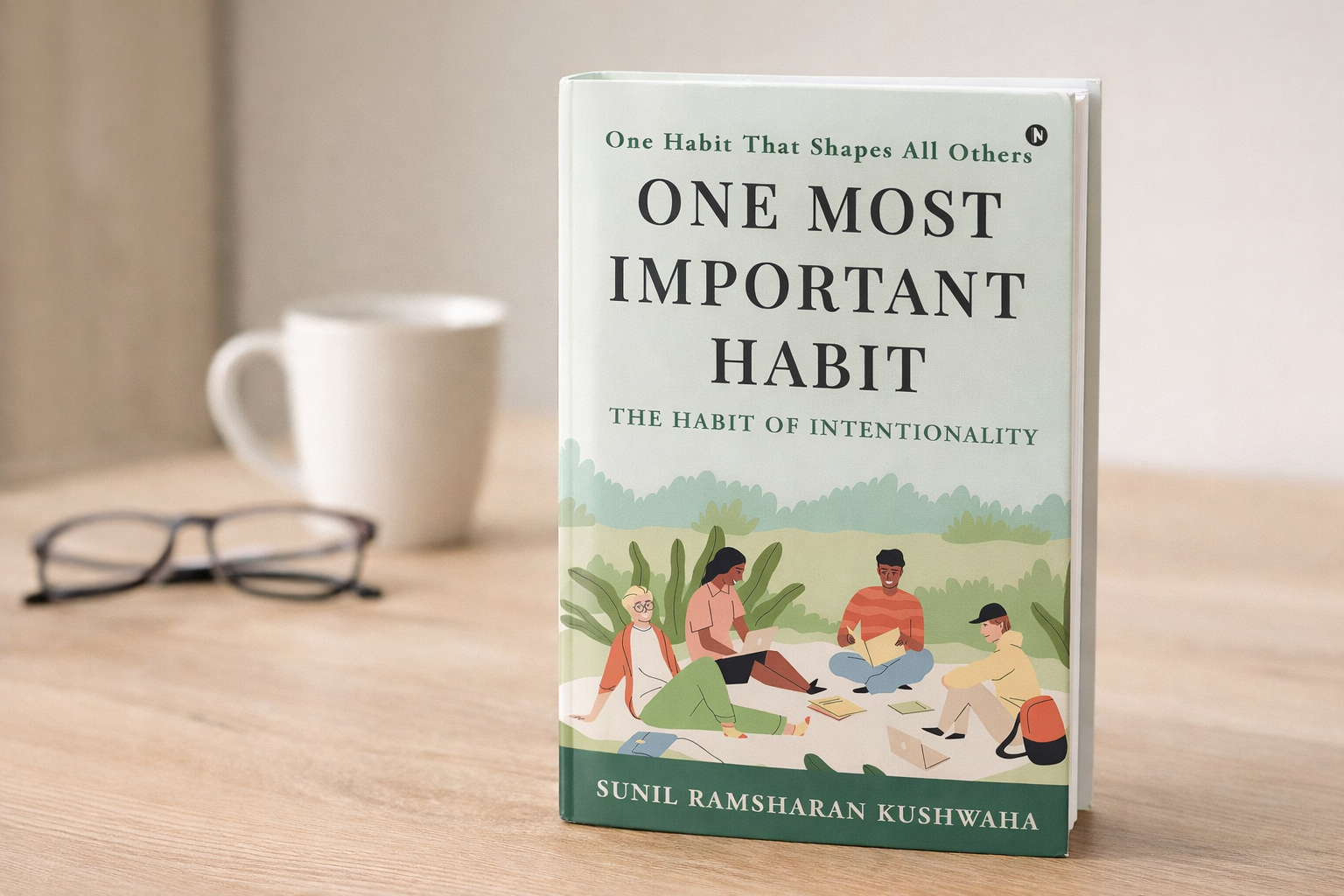
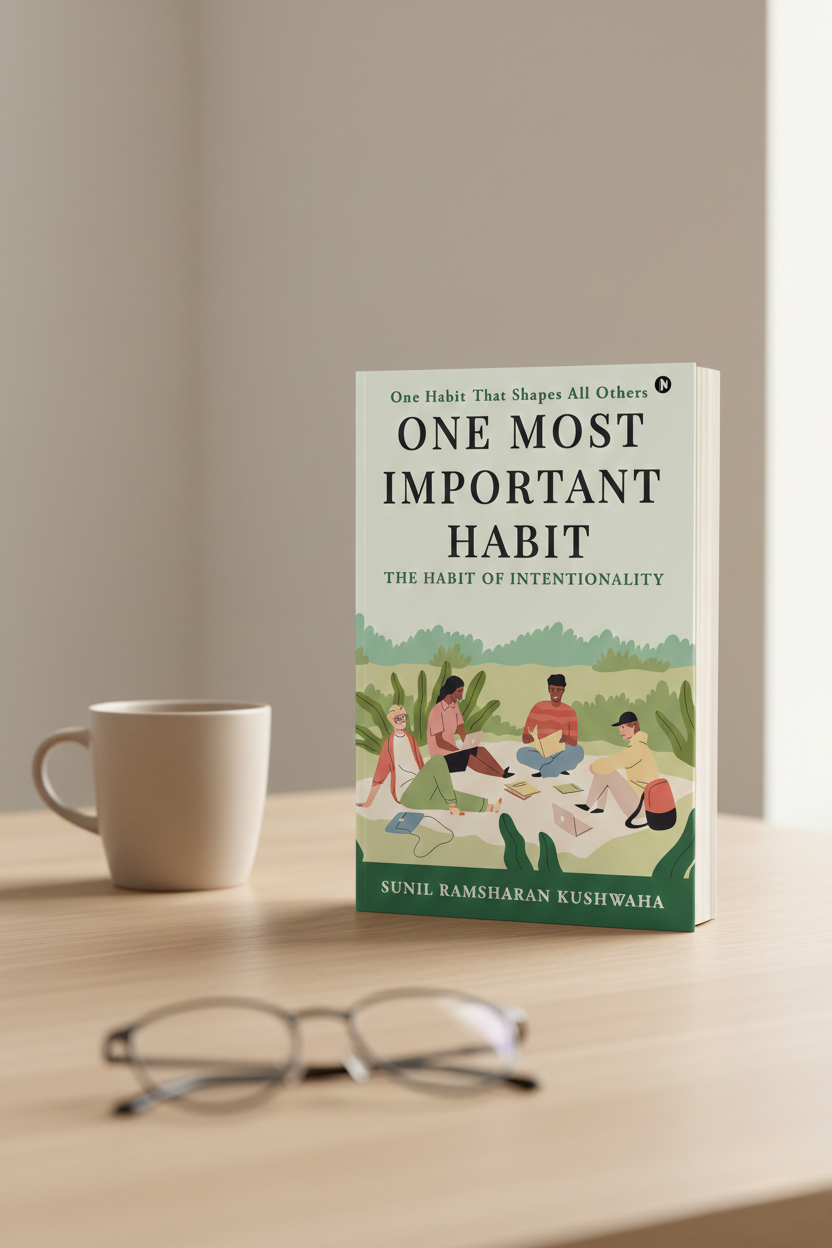
When I first looked at the cover of One Most Important Habit, I noticed how calm it felt. No loud promises. No aggressive colors. Just people sitting together, reading, thinking. That alone made me pause. In my years reviewing books at Deified Publication, I have learned to trust that first pause. It usually means the author is not trying to impress you. They are trying to talk to you.
And honestly, that is rare in the self help space.
I think many of us are exhausted by books that shout solutions. Do this. Wake up at 5 AM. Fix your life in 30 days. Be more. Hustle harder. Somewhere along the way, intention got replaced by urgency. This book quietly pushes back against that noise.
It made me wonder something uncomfortable. When did we stop choosing and start reacting?
What the Book Is About
At its core, One Most Important Habit: The Habit of Intentionality is not about adding more habits to your life. It is about examining the way you choose. Sunil Ramsharan Kushwaha argues that beneath every habit, good or bad, there is one invisible force driving it. Intention.
The book does not frame intentionality as a productivity hack. That is important. Instead, it presents it as a way of being present with your choices. Whether you are studying, teaching, parenting, or simply trying to get through a demanding day, the book keeps returning to one question. Are you choosing this, or are you drifting into it?
The blurb mentions decades of experience in education and emotional intelligence, and you can feel that grounding throughout. This is not theory heavy. It feels lived in. Like advice that has been tested in classrooms, conversations, and probably quiet moments of reflection.
Rather than rigid frameworks, the book offers stories, small practices, and rituals. The kind you can actually imagine doing. Pausing before reacting. Naming what matters before committing your time. Creating space between stimulus and response. These ideas are not new, but the way they are held here feels gentle, almost respectful.
I think that is what surprised me most. The book does not demand transformation. It invites awareness.
What Stood Out to Me
One thing that stayed with me is how the author treats emotional regulation not as a side skill, but as central. Many books treat emotions as obstacles to overcome. Here, emotions are signals to listen to.
There is a strong emphasis on understanding emotional triggers, especially for students and young learners. That felt important. I have seen firsthand how often students are taught what to think, but rarely how to notice what they are feeling. The book seems to create room for that noticing.
I also appreciated the way the book speaks to different age groups without changing its tone. Whether you are a student under pressure, a parent juggling responsibilities, or an educator guiding others, the message remains consistent. Slow down. Choose with care. Protect your energy.
The idea of breaking free from the myth of busyness is not new, but the way it is framed here feels honest. Busyness is not criticized. It is understood. The book acknowledges that many people are busy because they have to be. Survival, ambition, responsibility. All of it is real. The shift it encourages is not doing less, but doing with awareness.
One small critique, and I say this with respect. Some readers who prefer highly structured steps might find the book a little too reflective at times. It leans more toward inner alignment than external metrics. That worked for me, but I can imagine someone wanting more checklists. Still, I think that is also part of its integrity.
The Emotional Core
If I had to describe the emotional center of this book, I would say it feels like someone sitting beside you, not across from you.
There is no pressure here to become a better version overnight. Instead, the book keeps returning to kindness. Toward your time. Toward your energy. Toward your limits.
Honestly, some parts hit differently because they reminded me of conversations I have had with young readers who feel overwhelmed but cannot articulate why. This book gives language to that overwhelm without dramatizing it.
I found myself thinking about how often we say yes without checking in. Yes to commitments. Yes to expectations. Yes to patterns we never consciously chose. The book gently asks you to notice those moments. Not to judge them, just to see them.
It is the kind of book that sits with you. Not because it shocks you, but because it mirrors something you already feel but rarely pause to name.
In 2025, when attention is fragmented and emotional fatigue is common, this message feels timely. Choosing intentionally is no longer a luxury. It is survival.
Who This Book Is For
I think One Most Important Habit will resonate deeply with certain readers.
If you are a student feeling pressured to perform but disconnected from yourself, this book might help you breathe again.
If you are a parent trying to balance ambition and presence, it offers a way to reframe success.
If you are an educator, mentor, or coach, the language around emotional intelligence and intentional choice feels especially useful.
That said, this might not be for readers looking for dramatic breakthroughs or fast fixes. If you want instant motivation or rigid systems, you may feel impatient with its pace. This book asks you to slow down, and not everyone is ready for that.
But if you are someone who wants alignment more than acceleration, this book will likely meet you where you are.
Final Thoughts
As an editor, I see many books that promise change. Fewer that respect the reader enough to trust their inner wisdom.
Sunil Ramsharan Kushwaha writes with the confidence of someone who has watched people grow over time. The book does not position itself as the answer. It positions itself as a companion.
And maybe that is what makes it work.
The idea that the most important habit is not what you do, but how you choose, stayed with me long after I closed the book. It made me rethink small moments. How I respond to emails. How I say yes. How I rest.
That feels like a quiet kind of impact. And sometimes, that is the most lasting kind.
FAQ Section
Is One Most Important Habit worth reading?
If you are seeking clarity rather than speed, yes. It offers perspective more than pressure.
Who should read One Most Important Habit?
Students, educators, parents, and anyone feeling overwhelmed by constant busyness.
Is this book practical or reflective?
More reflective, with practical moments woven in gently.
Does the book focus on emotional intelligence?
Yes, emotional awareness and regulation are central themes throughout.
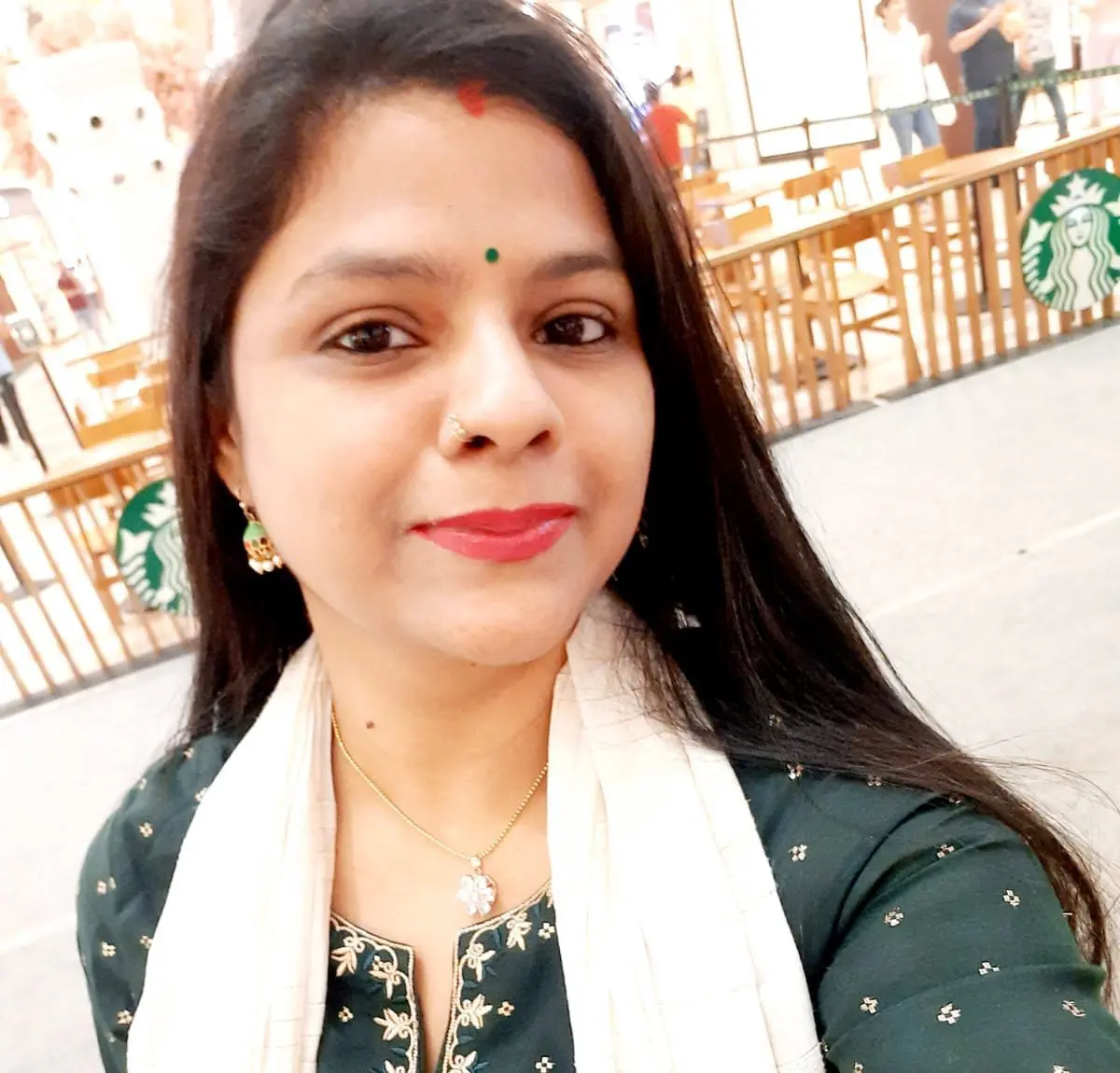
With over 11 years of experience in the publishing industry, Priya Srivastava has become a trusted guide for hundreds of authors navigating the challenging path from manuscript to marketplace. As Editor-in-Chief of Deified Publications, she combines the precision of a publishing professional with the empathy of a mentor who truly understands the fears, hopes, and dreams of both first-time and seasoned writers.