
Rating:
⭐⭐⭐⭐ (4.5 out of 5)
Sometimes, before even reading a book, you feel its weight.
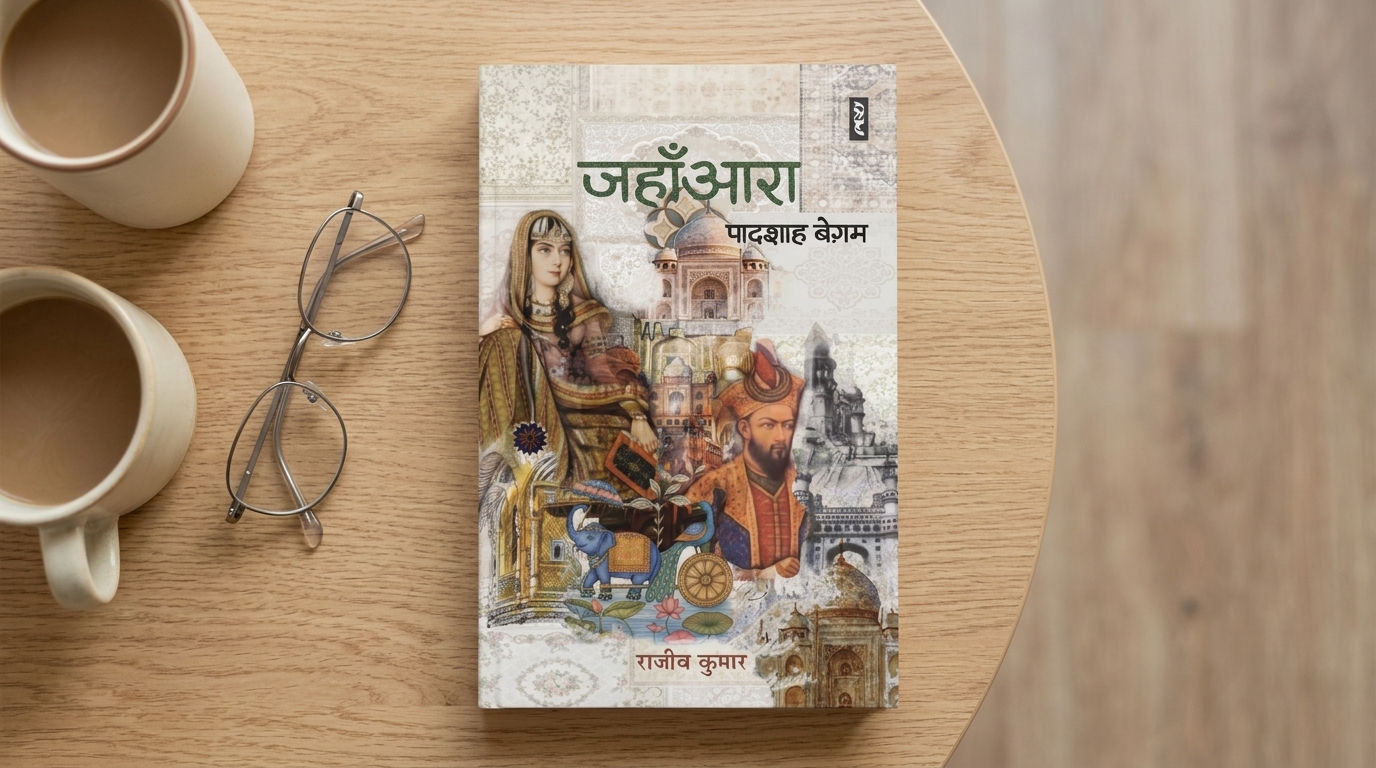
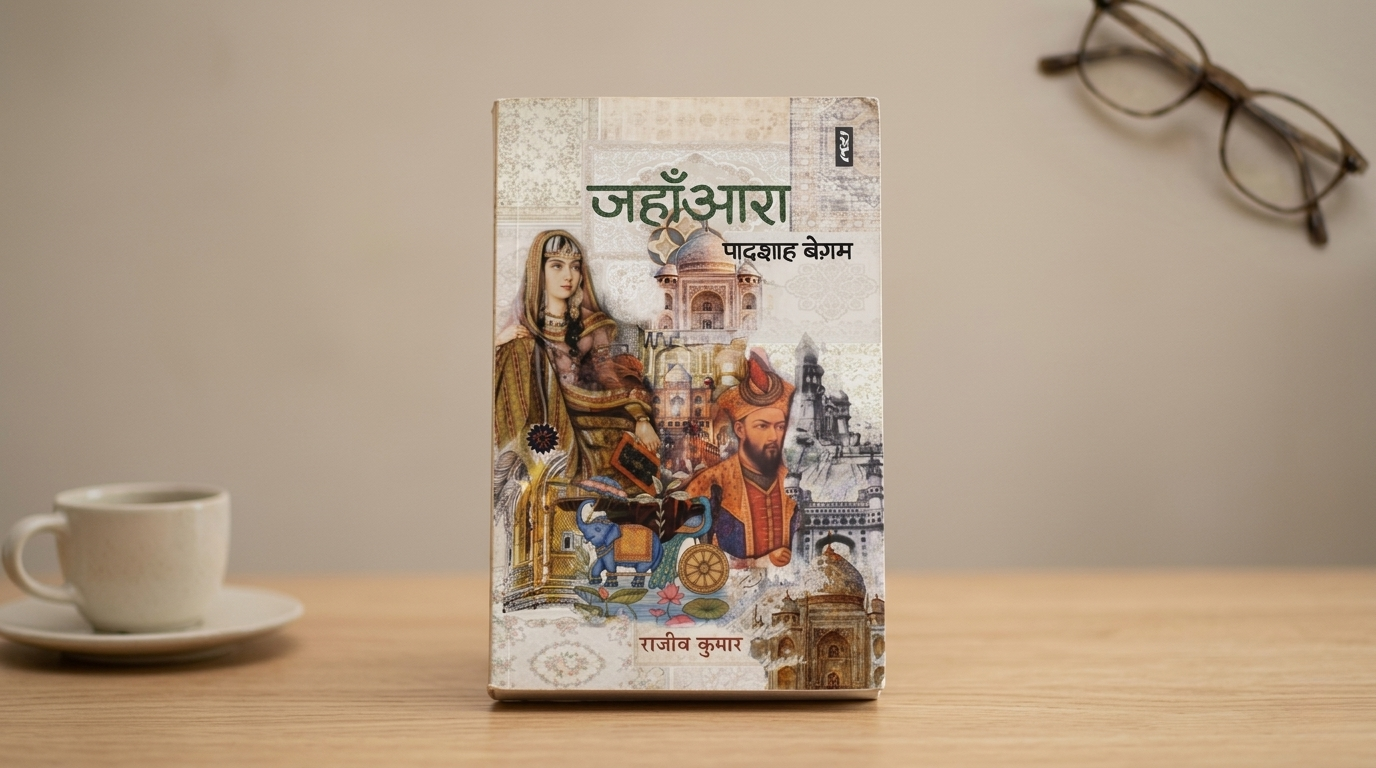
That’s what happened to me with Jahanara: Padshah Begum. The cover itself carries a certain stillness. A Mughal princess looking slightly away, monuments rising behind her, history almost breathing through the page. It reminded me of those afternoons when you sit in an old fort, and for a moment, you feel like time hasn’t really moved.
In my years at Deified Publication, I’ve read quite a bit of historical fiction. Some books focus on events. Some focus on kings. Very few pause and ask, what did it feel like to live inside those moments?
This one, I think, is trying to do exactly that.
And honestly, I felt it from the very first section.
What the Book Is About
Jahanara: Padshah Begum by Rajeev Kumar builds itself around the life of Jahanara Begum, daughter of Shah Jahan and Mumtaz Mahal. But instead of presenting her as just a historical figure, the book tries to fill the silences around her.
The story begins in a tense moment of Mughal history. Jahangir’s final days, political instability, shifting loyalties. You see Nur Jahan and Asaf Khan playing their own games, each trying to shape the future of the empire.
And somewhere in the middle of all this, there is a young Jahanara. Watching. Listening. Trying to understand a world that doesn’t explain itself to her.
There’s a passage where she is trying to make sense of why family members are turning against each other, why power seems to change people . I paused there because it felt so… real. History often looks clean from a distance, but inside it, it’s messy and confusing.
As the story moves forward, we see Shah Jahan’s rebellion, his defeat, the years of uncertainty, and then his eventual rise to the throne. All of this is not just described as political events. It is shown through the eyes of a daughter who is growing up too fast.
And then comes the turning point that, I think, defines the emotional core of the book. The death of Mumtaz Mahal.
That entire section stayed with me longer than I expected. The journey, the pain, the sense that something irreversible is about to happen. You can almost feel the heaviness in the air before it actually happens .
After that, Jahanara is no longer just a daughter. She becomes something else. A caretaker. A stabilizing force. Eventually, the Padshah Begum.
What Stood Out to Me
I think the most striking thing about this book is its language.
Rajeev Kumar writes in a style that blends Hindi with strong Persian and Urdu influences. It’s rich. Sometimes dense. Sometimes almost poetic.
There were moments where I had to slow down and read a paragraph again. Not because it was confusing, but because it felt layered. Like the meaning wasn’t just in the words, but in the rhythm.
In historical fiction, language can either distance you or pull you closer. Here, I felt it did both. It creates authenticity, but it also asks for your patience.
Another thing I noticed is how the narrative relies heavily on conversations. Jahanara talking to her mother. Listening to her father. Observing court dynamics. Even interactions with attendants and figures like Maula Bakhsh, who almost feels like a walking archive of memory.
Those conversations don’t always move the plot quickly. But they deepen the world.
There’s also a strong sense of inner life. Jahanara is not just reacting to events. She is absorbing them. Processing them. Sometimes silently.
I’ve read enough historical novels to know that many authors rush through emotional transitions. Here, the shift from a curious child to a responsible woman feels gradual.
Not dramatic. Just… inevitable.
One more thing that stayed with me was how the book treats power.
It doesn’t glamorize it. It shows the cost.
You see it in Shah Jahan’s struggles, in the politics around the throne, in the emotional toll on the family. There’s a moment where Jahanara sees her father not as a ruler, but as someone defeated by circumstances .
That humanization felt important.
The Emotional Core
If I try to put it simply, this book is about loss.
Not just the loss of a mother. But the loss of innocence.
There’s something very tender in the way Jahanara’s journey is written. She starts as someone who doesn’t fully understand the world around her. And slowly, that world reveals itself, sometimes harshly.
The death of Mumtaz Mahal is not just an event here. It changes the emotional structure of everything.
There’s a scene where the newborn child is handed over, and responsibility shifts silently to Jahanara . That moment… I don’t know, it stayed with me. It’s the kind of moment where childhood ends without announcement.
I think many readers will connect with this, even if they are not reading it as history. Because at some point, all of us experience a moment where life suddenly expects more from us.
Also, the grief of Shah Jahan is portrayed in a very human way. Not as a king mourning, but as a man who has lost something central to his existence.
It made me think about how history remembers monuments like the Taj Mahal, but often forgets the emotional wreckage behind them.
This book brings that back.
Who This Book Is For
I’ll be honest here.
This book is not for everyone.
If you prefer fast-paced historical fiction with clear, simple language, this might feel heavy at times. The style demands attention. It asks you to slow down.
But if you enjoy layered writing, if you like stories that sit between history and introspection, then this could really work for you.
It’s especially suited for readers who:
- Are interested in Mughal history but want a more personal perspective
- Enjoy language that carries cultural texture
- Like character-driven narratives over plot-driven ones
Also, if you’ve ever wondered about the women in history who stood behind powerful men, this book offers a meaningful lens.
One small thing though. At times, the density of language can feel a bit overwhelming. I found myself wishing for slightly simpler passages in between, just to breathe.
But maybe that richness is also part of its identity.
Final Thoughts
I keep thinking about Jahanara not as a historical figure, but as a person.
A young girl watching her world shift. A daughter losing her mother. A woman stepping into responsibility before she’s ready.
There’s something very real about that.
Jahanara: Padshah Begum doesn’t try to simplify history. It accepts its complexity. Its contradictions. Its emotional weight.
And I think that’s what makes it stand out.
In 2026, when we are constantly consuming quick, simplified versions of everything, a book like this feels like a pause. It asks you to sit. To listen. To feel.
At Deified Publication, I’ve seen how some stories inform, and some stories linger.
This one lingers.
Not because it is loud. But because it feels lived.
FAQs
Is Jahanara: Padshah Begum worth reading?
Yes, especially if you enjoy historical fiction that focuses on emotional depth rather than just events.
What is Jahanara: Padshah Begum about?
It tells the story of Jahanara Begum, her family, and the political and personal struggles within the Mughal empire.
Who should read this book?
Readers interested in Mughal history, strong female perspectives, and literary writing styles.
Is the language easy to read?
It can feel dense at times due to its Hindi and Urdu richness, so it requires a bit of patience.
With over 11 years of experience in the publishing industry, Priya Srivastava has become a trusted guide for hundreds of authors navigating the challenging path from manuscript to marketplace. As Editor-in-Chief of Deified Publications, she combines the precision of a publishing professional with the empathy of a mentor who truly understands the fears, hopes, and dreams of both first-time and seasoned writers.