
Rating:
⭐⭐⭐⭐ (4.2 out of 5)
I’m continuing this exactly where I left off last time, because honestly, this series doesn’t feel like something you can pause and neatly restart. It lingers. It carries forward its own weight.
In the first volume of Glyph Bound, I remember feeling this slow, unsettling build. There was a sense that something ancient had already begun shifting, even when the characters themselves didn’t fully understand it yet. The world of Tesaargo felt layered, almost like it was hiding more than it was showing. By the end of that book, I had this quiet discomfort. Not fear exactly, but the feeling that something irreversible had already been set in motion.
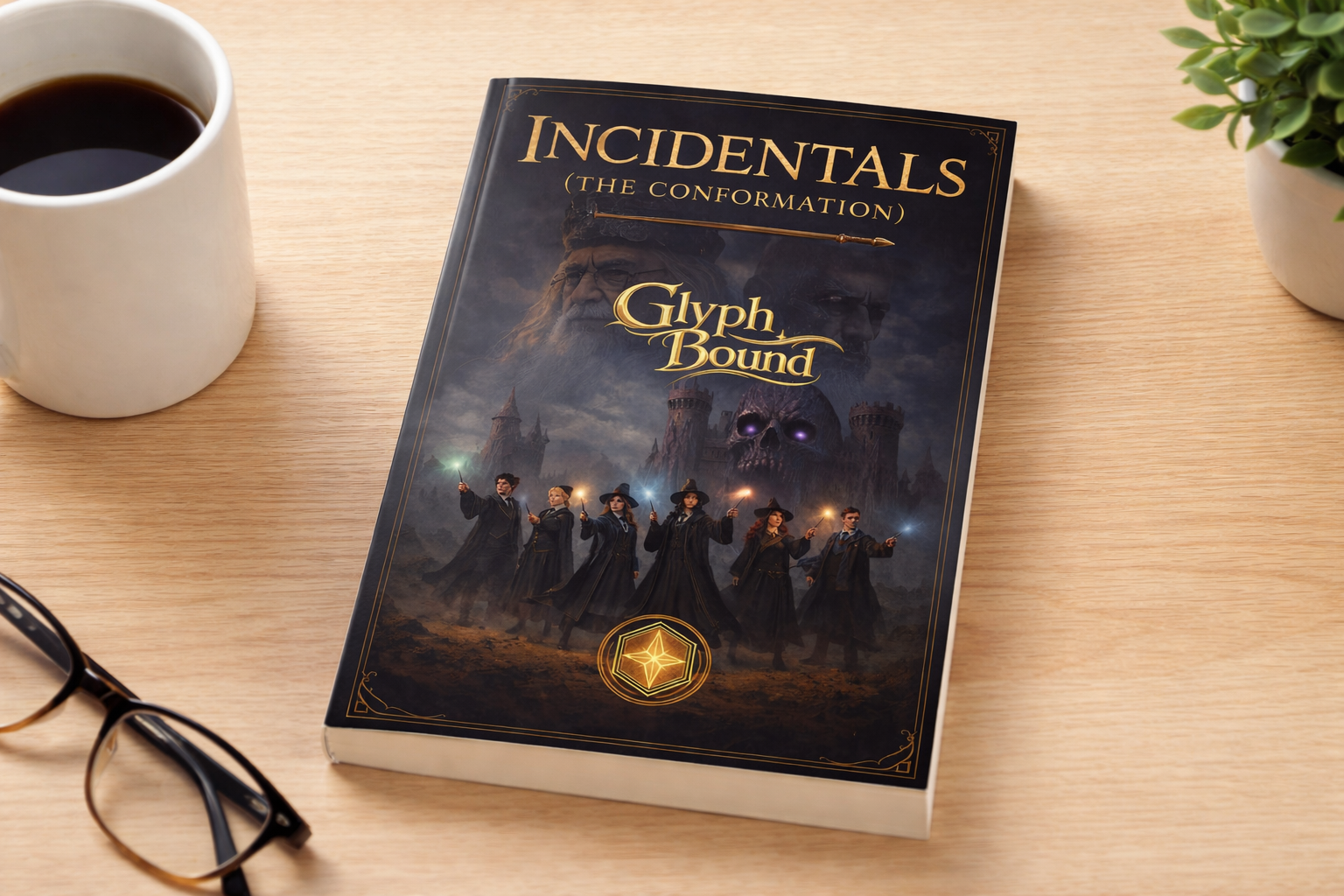
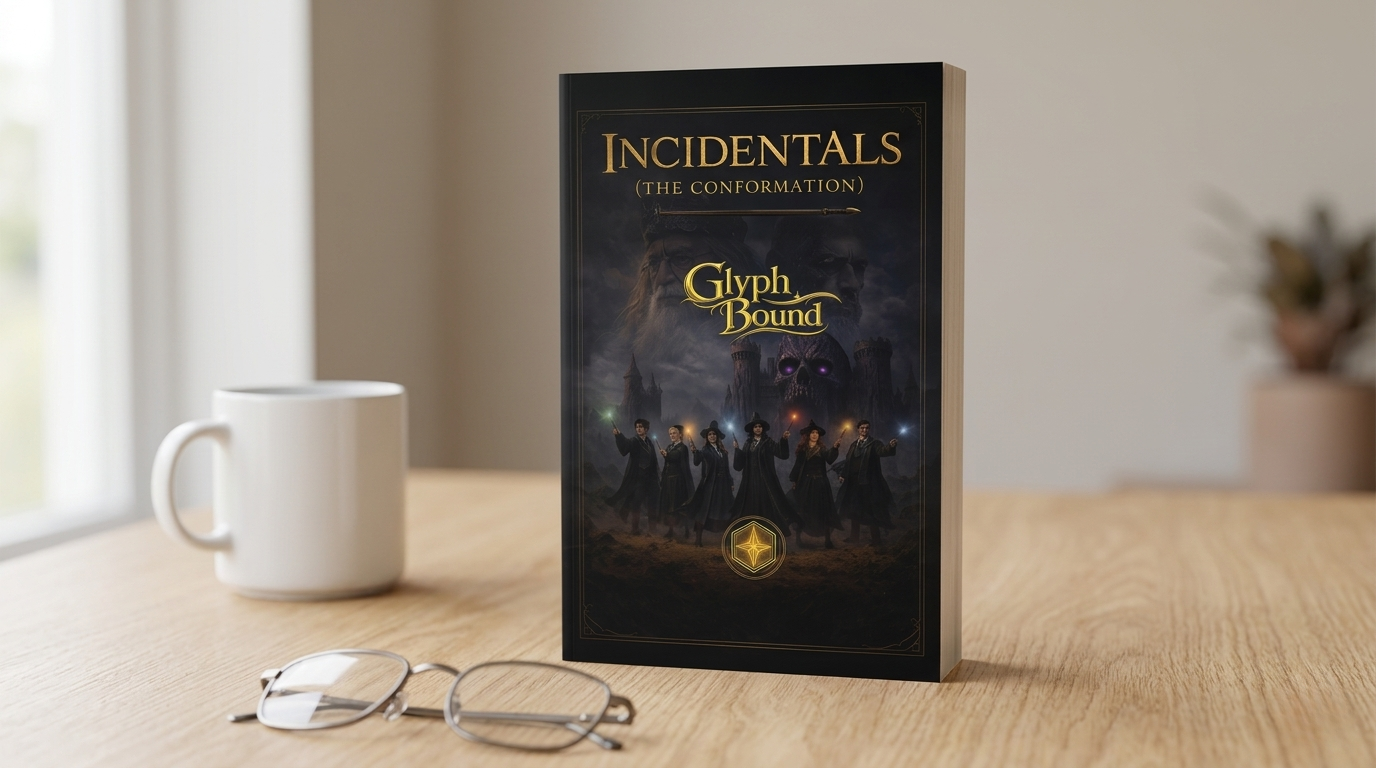
Now, stepping into Incidentals (The Conformation): Glyph Bound Volume 2 by Saptarshi Banerjee, that feeling doesn’t just continue. It deepens. It hardens.
And I’ll be honest, this one felt heavier to sit with.
What the Book Is About
So if I try to explain this in a simple way, this second volume is where consequences begin to take shape.
The glyph is no longer just an idea or a distant force. It is active. It is influencing people, institutions, even the way knowledge itself behaves. High Grid Academia, which once felt like a place of order and intellectual clarity, now feels… unstable. Not chaotic in an obvious way, but something underneath has shifted. The rules are still there, but they don’t feel reliable anymore.
Arian, who already carried something unusual in the first part, becomes central in a way that feels both inevitable and unsettling. His connection to the glyph starts pulling in bloodlines, doctrines, histories. It’s not just about him anymore. It’s about everything tied to him.
What struck me is how the story doesn’t rush into big explosive events. Instead, it lets things tighten slowly. You see characters making decisions that don’t feel dramatic in the moment, but you know they matter. You can feel the weight of those choices before the consequences even arrive.
And then there’s this idea that stayed with me more than anything else. Silence itself is no longer neutral.
That line, or rather that feeling, sits at the center of this book.
What Stood Out to Me
There are a few things I kept noticing while reading.
First, the atmosphere. From the very beginning of this volume, there’s this sense of ceremony and tension existing side by side. That opening at Eldervyn University, with the bells and the gathering, it feels grand, almost beautiful. The descriptions are vivid without being overwhelming. The marble floors, the banners, the way the crowd reacts. It all feels alive.
But underneath that beauty, there’s unease.
I think that contrast is something the author handles really well. You’re constantly placed in scenes that look structured and controlled, but emotionally, they feel like they could crack at any moment.
Second, the characters feel more grounded here. Excelensia, for example, is fascinating to watch. There’s a moment where her expression softens, where she shifts from something almost unreadable into something warmer, more human. That moment stayed with me. It didn’t feel like a dramatic transformation. It felt like a glimpse.
And I’ve always believed that the smallest shifts in characters often matter more than the loud ones.
Arian, on the other hand, feels fragile in a very real way. Not weak, but… overwhelmed. There’s a scene where he’s sitting with the Black Book, tracing those glowing lines. It’s such a quiet moment, but you can feel how much is happening inside him. The connection between him and the glyph doesn’t feel empowering. It feels like something he can’t fully control.
That made me pause.
Because in many fantasy stories, power is something characters grow into. Here, it feels like something that grows over them.
Another thing I noticed is the writing itself. It’s detailed, yes, but not in a way that slows everything down unnecessarily. There’s a rhythm to it. Some passages feel almost poetic, especially when describing light, sound, or magical elements. But then it shifts into something more direct when the tension increases.
I’ve read enough fantasy over the years to know when a writer is trying too hard to sound grand. This doesn’t feel like that. It feels intentional.
The Emotional Core
If I had to describe how this book feels, I’d say it carries a kind of quiet dread.
Not the kind that comes from monsters or battles, but the kind that comes from inevitability.
There’s this sense that everyone is already inside something they can’t step out of.
The idea that knowledge is no longer neutral really stayed with me. It made me think about how institutions, beliefs, and even silence can shape outcomes. In 2026, where conversations around truth, control, and influence feel so relevant, this theme hits differently.
There are moments in the book where characters don’t act, and that inaction feels just as important as action. That’s not something every writer manages well.
I also felt a certain sadness running through parts of the story. Especially in the quieter scenes. The aftermath moments. The ones where characters are just sitting with what has happened. Those parts felt very human.
There’s a scene in the later chapters where exhaustion, grief, and care all exist in the same space. It reminded me of how, in real life, people often don’t get dramatic closure. They just keep going, carrying things with them.
And maybe that’s why this book stayed with me.
Who This Book Is For
I think this is important to say clearly.
This is not a fast, easy fantasy read.
If you’re someone who enjoys stories that move quickly from one big event to another, this might feel a bit slow at times. The pacing is deliberate. It asks you to pay attention.
But if you like layered worlds, morally complex characters, and stories where the tension builds gradually, this might work really well for you.
Also, if you read the first volume and connected with its tone, then this one feels like a natural continuation. In fact, I don’t think this book works as a standalone. It really depends on what came before.
And I’d say it’s for readers who enjoy thinking about what they’re reading. Not in a heavy academic way, but in that lingering way where you close the book and still feel inside it.
Final Thoughts
As someone who has spent years reading and reviewing stories at Deified Publication, I’ve learned that second books in a series can be tricky.
They either lose momentum or try too hard to escalate everything.
This one doesn’t do either.
It chooses to deepen instead of rush.
And I respect that.
That said, there were moments where I felt the pacing could have tightened slightly. A few sections linger a bit longer than necessary. Not enough to break the experience, but enough that I noticed.
Still, what stayed with me far more were the characters, the atmosphere, and that central idea of silence taking sides.
It’s rare for a book to make you reflect on something that abstract and still keep you emotionally invested.
This one does.
And I’m genuinely curious, maybe even a little restless, about where the story goes next.
Because it doesn’t feel like things are settling.
It feels like they’re just beginning to reveal themselves.
And in the next part, I’ll be continuing this series with the third and final volume. I have a feeling everything that’s been building here is about to come together in a way that won’t be easy to forget.
FAQ
Is Incidentals worth reading?
If you enjoy layered fantasy with emotional depth and slow-building tension, I think it’s worth your time. It’s not light reading, but it stays with you.
Do I need to read the first book before this?
Yes, I would strongly recommend it. This volume builds directly on what happens earlier, and you’ll miss a lot of context otherwise.
What kind of reader will enjoy this book?
Readers who like thoughtful storytelling, complex characters, and worlds that unfold gradually rather than all at once.
Is Incidentals a fast-paced book?
Not really. It moves with intention rather than speed. Some readers will love that, others might find it a bit slow.
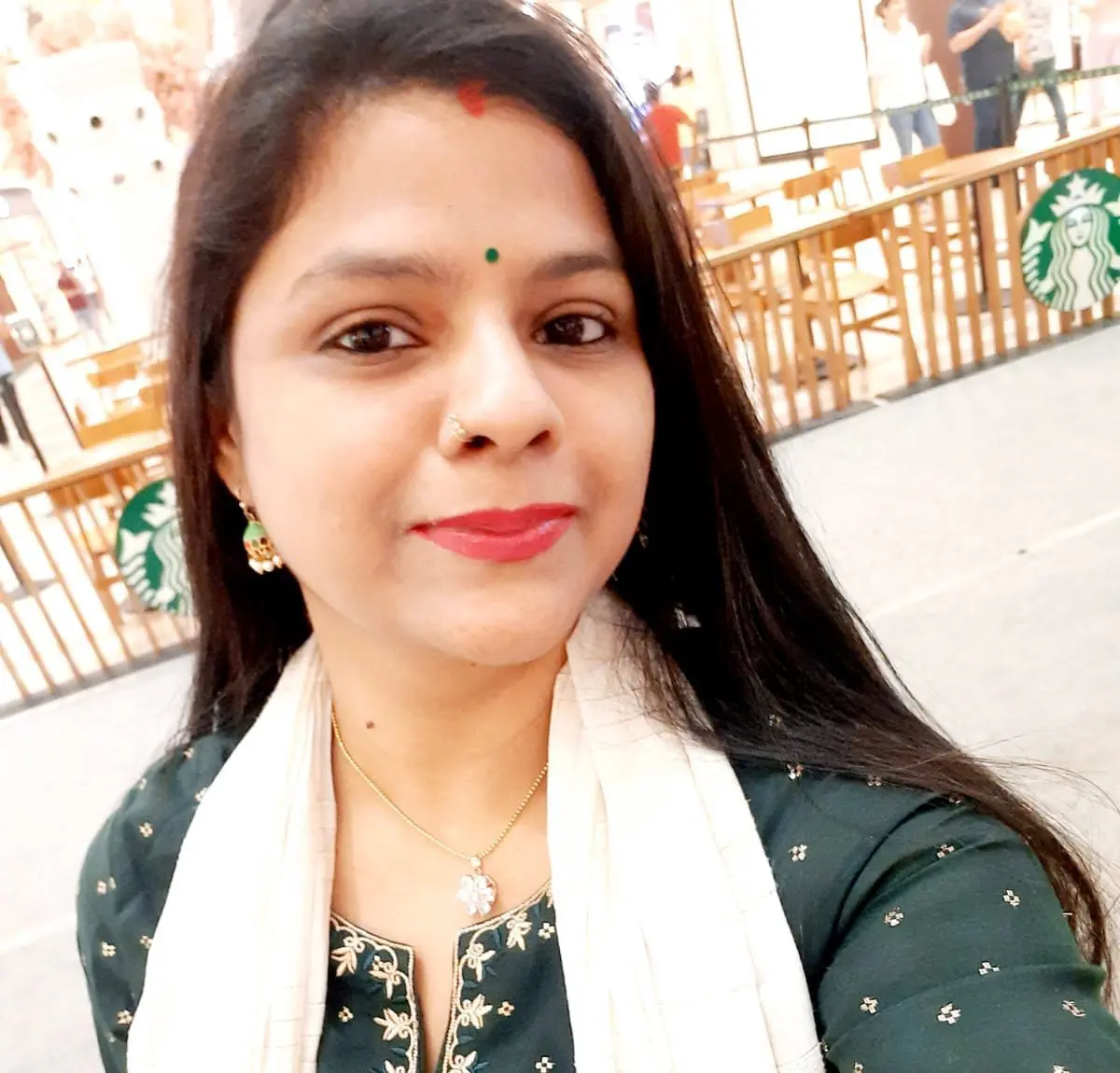
With over 11 years of experience in the publishing industry, Priya Srivastava has become a trusted guide for hundreds of authors navigating the challenging path from manuscript to marketplace. As Editor-in-Chief of Deified Publications, she combines the precision of a publishing professional with the empathy of a mentor who truly understands the fears, hopes, and dreams of both first-time and seasoned writers.