
Rating:
⭐⭐⭐⭐ (4.3 out of 5)
As someone who has spent more than fifteen years reading and reviewing books, I have learned that the novels I remember most are rarely the ones with the biggest twists or the loudest drama. More often, they are the stories that remind me of real people. People who make mistakes. People who misunderstand each other despite loving one another. People who carry burdens that nobody else can fully see.
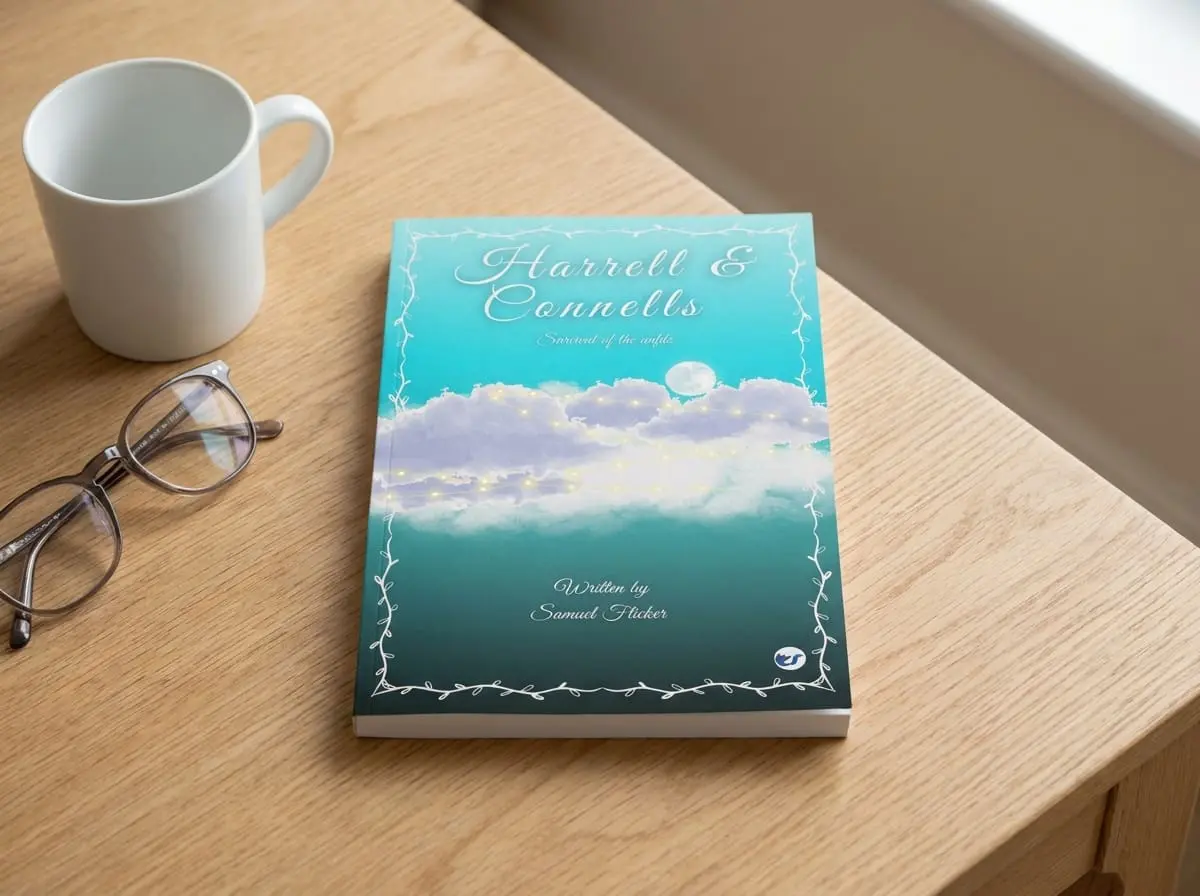
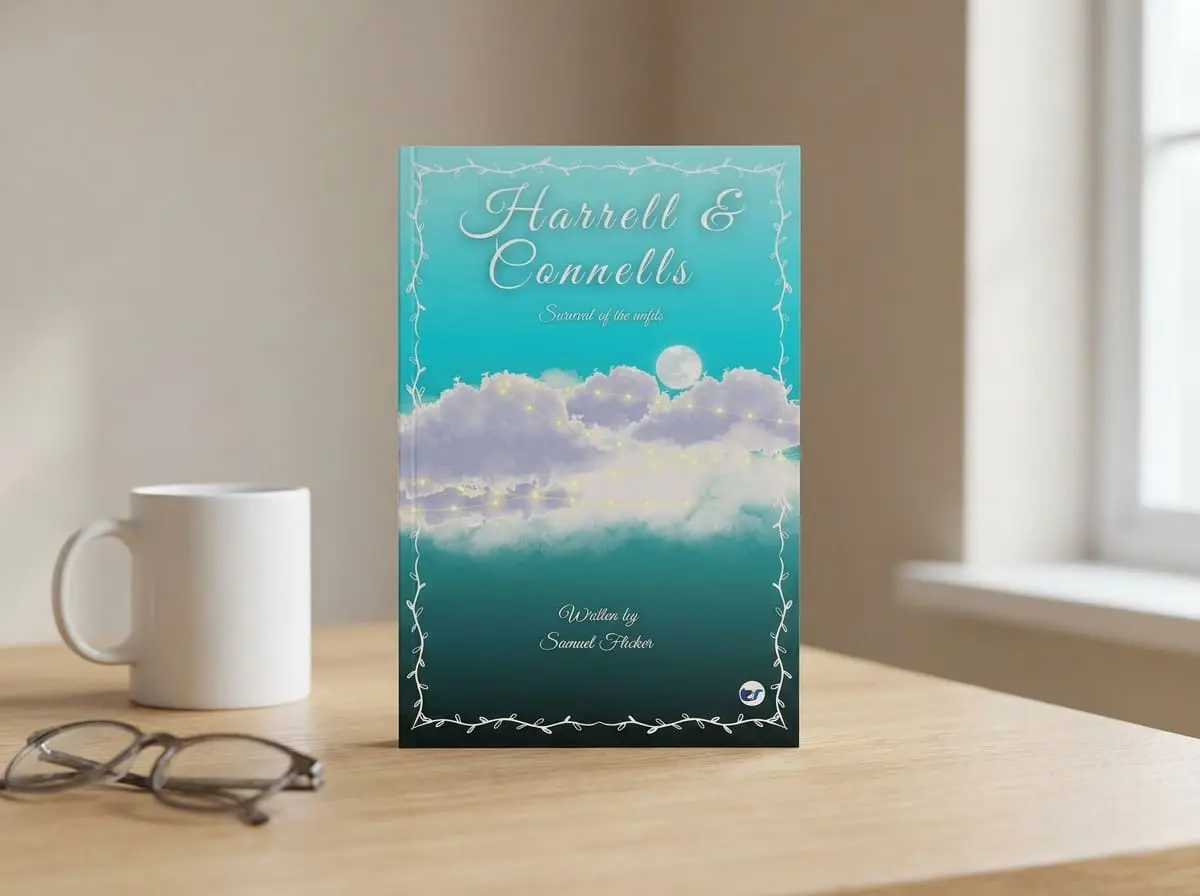
That was my experience with Harrell & Connells: Survival of the Unfits by Samuel Flicker.
At first glance, this looks like a contemporary romance mixed with a discussion about health and modern misinformation. And yes, those elements are certainly present. But as I moved through the story, I found something broader. This novel is about how easily people can become trapped inside assumptions. Assumptions about illness. Assumptions about love. Assumptions about what other people are thinking.
In 2026, when information is available instantly and everyone seems to have an opinion about everything, the central idea of this book feels especially relevant. We know more than ever before, yet sometimes we understand less.
What interested me most was that Samuel Flicker does not present this idea through lectures. Instead, he builds it into the lives of his characters, particularly Harrell, whose personal struggles become the emotional center of the novel.
What the Book Is About
The story begins with Harrell and Jade, a married couple whose relationship is slowly deteriorating under the weight of a prolonged health problem.
Harrell has been suffering from recurring symptoms that are repeatedly assumed to be sinusitis. Doctor visits, medications, frustration, exhaustion, and emotional distance gradually become part of everyday life. What begins as a medical issue eventually spreads into every corner of the marriage.
One of the strongest aspects of the novel is that neither person is presented as a villain. Jade is not cruel. Harrell is not unreasonable. Instead, they become trapped in a cycle that many readers will recognize. One person is struggling physically. The other is trying to help but is becoming exhausted. Communication becomes defensive. Affection becomes awkward. Small disappointments accumulate until they begin to feel larger than they really are.
As the marriage reaches a breaking point, Harrell makes the painful decision to leave and return to her village. There she reconnects with family, works in her mother’s bakery, and slowly begins rebuilding her sense of identity outside her failed marriage.
This is where another major figure enters the story: Dr. Connells.
What follows is not a conventional romance. The relationship develops through conversations, debates, misunderstandings, humour, and mutual respect. Connells is not simply a love interest. He becomes a catalyst who challenges many of Harrell’s assumptions about herself, her illness, and the world around her.
Alongside this central storyline, the novel introduces a large supporting cast whose lives intersect in meaningful ways. Family members, friends, villagers, business owners, and couples facing their own challenges create a community that feels surprisingly alive.
What Stood Out to Me
The first thing that stood out was the book’s unusual approach to health.
Most novels use illness as a plot device. Here, illness becomes a lens through which relationships are examined. Harrell’s struggle is not only about physical symptoms. It is also about identity. When she begins believing she is becoming a burden, the consequences extend far beyond her health. Her confidence changes. Her marriage changes. Her future changes.
The sections involving Dr. Connells were particularly interesting because they challenge a modern habit many of us have developed. We search symptoms online, gather fragments of information, and often convince ourselves we understand a condition completely.
The novel repeatedly questions that mindset. Without becoming preachy, it argues that expertise still matters.
I also appreciated that Samuel Flicker allows lengthy conversations between characters. In many contemporary novels, dialogue exists primarily to move the plot forward. Here, dialogue often becomes the plot itself. Some readers will love this. Others may find certain discussions longer than necessary.
Personally, I found many of these exchanges fascinating because they reveal how different characters think about responsibility, work, family, medicine, relationships, and society. Another strength is Harrell herself. She is not written as a flawless heroine. She can be stubborn. She misjudges situations. She sometimes allows assumptions to guide her decisions. Yet these flaws make her feel believable. Her growth is gradual rather than dramatic.
By the time she begins rebuilding the bakery and taking control of her future, the transformation feels earned.
I also enjoyed the bakery storyline more than I expected. The business expansion, family discussions, village life, and entrepreneurial decisions add a refreshing layer that separates this novel from many contemporary romances.
The Emotional Core
For me, the emotional heart of the novel lies in loneliness. Not physical loneliness. Emotional loneliness. There are several moments where characters are surrounded by people who care about them, yet they still feel misunderstood. Harrell experiences this repeatedly. Jade believes he is helping. Doctors believe they are treating her. Friends offer advice. Family members express concern. Yet she often feels that nobody is fully hearing what she is trying to say.
I think many readers will relate to that feeling.
The book also handles divorce with more nuance than I expected. Too often, novels simplify failed marriages into good versus bad. Here, the situation feels more complicated. The relationship deteriorates because two people gradually stop understanding one another. That makes the ending of that chapter in Harrell’s life far more painful.
The romance with Connells works because it emerges from understanding rather than instant attraction. Their connection develops through conversations about health, life choices, ambition, fear, and personal responsibility.
I found that refreshing.
The novel’s title, Survival of the Unfits, becomes increasingly meaningful as the story progresses. Many of these characters feel out of place in one way or another. Harrell no longer fits her old life. Connells doesn’t fit conventional expectations. Several supporting characters are trying to build lives that don’t follow traditional paths.
The book seems to suggest that being different is not necessarily a weakness. Sometimes it becomes the foundation for a better future.
The Writing Style
Samuel Flicker’s writing often feels conversational and reflective.
The novel spends considerable time inside discussions rather than action scenes. Because of this, readers expecting a fast moving commercial romance may need a little patience.
I occasionally felt certain philosophical conversations could have been tighter. There are moments where the same idea is approached from multiple angles before the narrative moves forward.
However, I also understand why the author chose this approach. This book is interested in ideas. It wants readers to think about how they make decisions and how they interpret information. For some readers, that will be one of the book’s biggest strengths.
Who This Book Is For
I would recommend Harrell & Connells: Survival of the Unfits to readers who enjoy character driven contemporary fiction.
If you enjoy stories about personal growth, second chances, family relationships, village communities, and thoughtful discussions about modern life, there is a good chance this novel will resonate with you.
Readers who appreciate authors who spend time exploring emotional complexity rather than rushing toward dramatic twists will likely connect with Harrell’s journey.
If your favourite books focus primarily on action, suspense, or rapid plot developments, this may not be the ideal fit. This story is more interested in people than events.
And honestly, that’s exactly why I think many readers will remember it.
Final Thoughts
As Editor-in-Chief at Deified Publication, I read books across many genres every year. Some entertain. Some educate. A smaller number start conversations in your head long after you close them.
Harrell & Connells: Survival of the Unfits belongs somewhere in that latter category. What I appreciated most was its humanity. The novel understands that people are complicated. They misread situations. They cling to incorrect assumptions. They hurt people they love. They search for answers in the wrong places. And yet they continue trying.
Harrell’s journey from confusion and self doubt toward confidence and renewal forms the emotional backbone of the story. Along the way, the novel offers observations about medicine, relationships, responsibility, work culture, family expectations, and modern life that feel remarkably relevant.
It is not a perfect novel. Some conversations run longer than they need to, and readers seeking a faster pace may occasionally become impatient.
But its sincerity, warmth, and emotional intelligence make it a rewarding read.
By the final chapters, I felt less interested in whether every character achieved happiness and more interested in the wisdom they gained along the way.
And perhaps that is exactly the point.
FAQ
Is Harrell & Connells worth reading?
If you enjoy character driven contemporary fiction that combines romance, family drama, health related themes, and philosophical discussions, I believe it is worth your time.
Who should read Harrell & Connells?
Readers who enjoy reflective fiction, relationship centered stories, second chance romance, and community based narratives will likely connect with the book.
What genre is Harrell & Connells by Samuel Flicker?
It blends contemporary fiction, romance, family drama, social commentary, and literary reflection.
Does the novel focus only on romance?
No. Romance is important, but the story also spends significant time examining health misinformation, personal growth, family dynamics, entrepreneurship, and community life.

With over 11 years of experience in the publishing industry, Priya Srivastava has become a trusted guide for hundreds of authors navigating the challenging path from manuscript to marketplace. As Editor-in-Chief of Deified Publications, she combines the precision of a publishing professional with the empathy of a mentor who truly understands the fears, hopes, and dreams of both first-time and seasoned writers.