
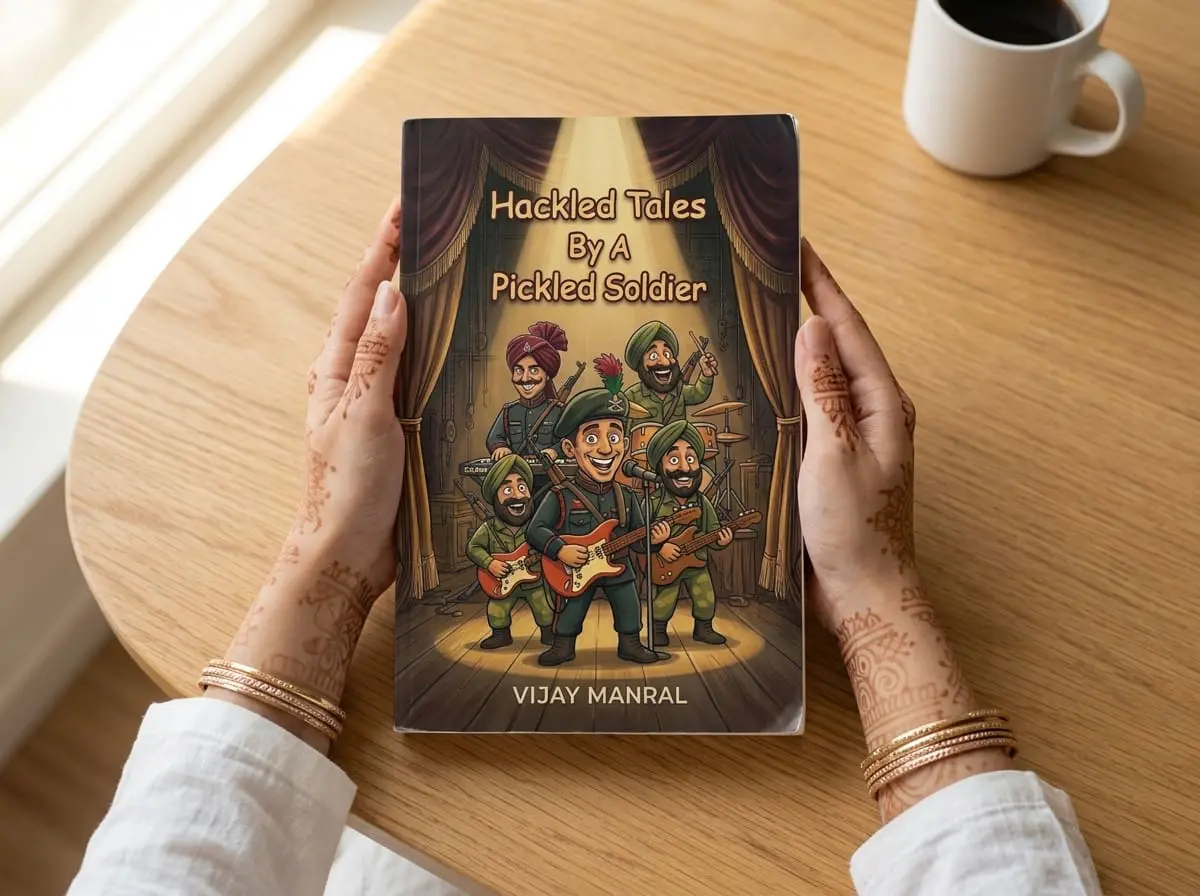
Rating:
⭐⭐⭐⭐ (4.4 out of 5)
In my years as a reader and editor, I have come across countless books about the armed forces. Most of them fall into one of two categories. They are either serious accounts of war and sacrifice, or highly dramatic stories that focus entirely on heroics. Both have their place, of course. But every now and then, a book comes along that reminds us that soldiers are not only warriors. They are colleagues, pranksters, friends, dog lovers, accidental comedians, storytellers and ordinary people trying to make sense of extraordinary lives.
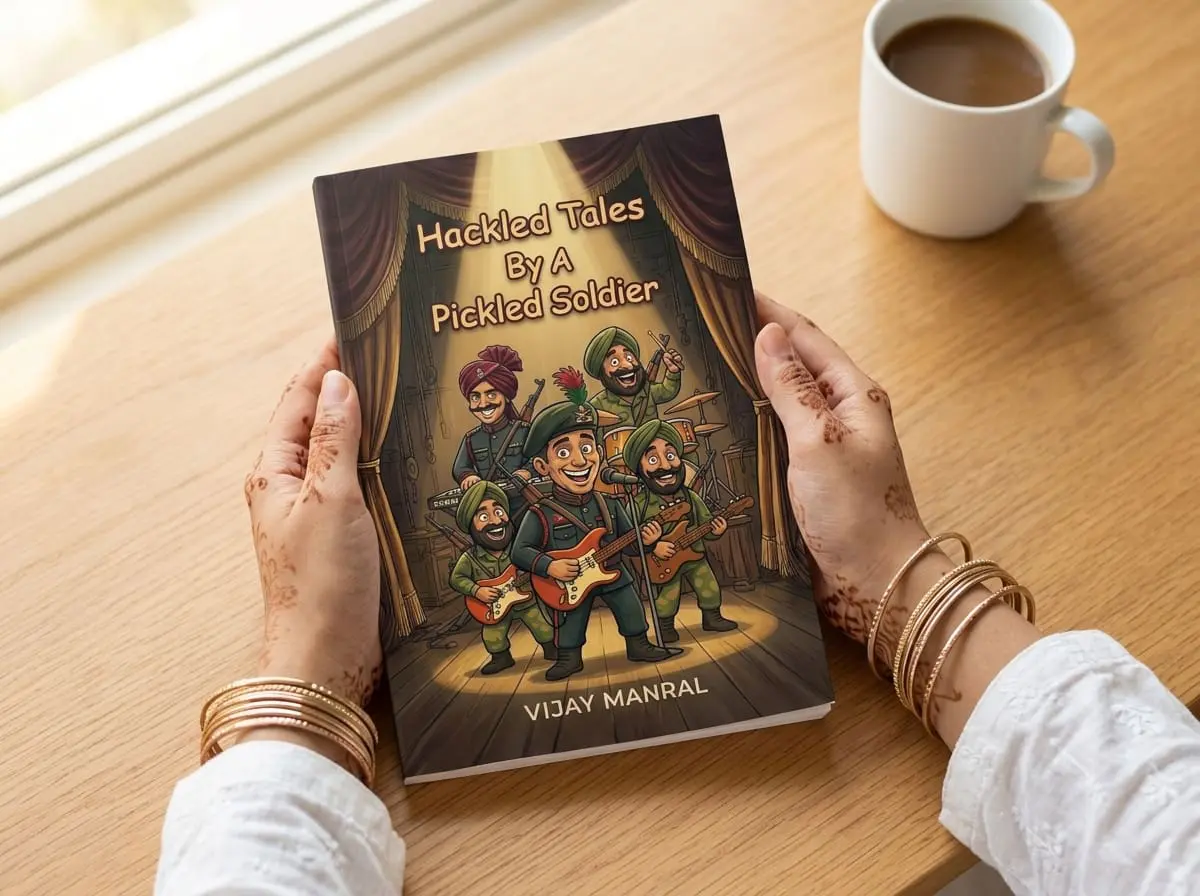
That is exactly what I found while reading Hackled Tales By A Pickled Soldier by Vijay Manral.
The first thing that struck me was its personality. This is not a book trying to impress readers with military jargon or dramatic battle sequences. Instead, it invites you into the officers’ mess, the barracks, the border posts, the training grounds and the countless small moments that rarely make it into official histories. The result is a book that often made me smile, occasionally made me laugh out loud and, surprisingly, left me with a deeper appreciation of military life than many much heavier books.
What makes it work is that Vijay Manral writes like someone sharing stories over tea rather than delivering a lecture. That warmth runs through the entire collection.
What the Book Is About
At its heart, Hackled Tales By A Pickled Soldier is a collection of personal anecdotes drawn from a lifetime in the Indian Army. Through dozens of chapters, Vijay Manral shares experiences from different postings, different regiments and different phases of his military career.
The table of contents itself gives readers a clue about what kind of ride they are in for. Chapters such as Fair and Lovely Maratha, Lovesisck Maratha, 84 Dead Crows and a Broken Nose, The Ubiquitous Jhaadi, Turrram Khan and CI/CT Operations, Raja, the King of the Mountains and The Lighter Shade of Olive Green immediately signal that this is not a conventional military memoir.
One moment the author is discussing the history of the Maratha Light Infantry and the fascinating culture of the regiment. In another chapter, he is describing how a simple bush became a landmark important enough to confuse entire briefings. Elsewhere, dead crows create panic in a border station and trigger a chain of events that becomes increasingly absurd.
What ties these stories together is not chronology. It is perspective. Vijay Manral is interested in the people behind the uniform. The stories focus on habits, traditions, language, friendships, misunderstandings, animals, humour and the unexpected situations that military life constantly throws at people.
The book also serves as a cultural snapshot of Army life. Readers who have never interacted with military personnel will discover a world full of traditions, inside jokes, regional influences and shared memories.
What Stood Out to Me
The biggest strength of this book is authenticity.
There is a chapter called Marathalish or Maratha Vocabulary that immediately caught my attention. The author talks about the unique language that develops within regiments, where English, Hindi, Marathi and military terminology blend together into something entirely their own. As someone who has spent years observing different workplace cultures, I found this fascinating. Every close knit community creates its own language. The Army simply does it on a much larger scale.
Then there is Fair and Lovely Maratha, which sounds like a joke when you first encounter the title. But the story reveals something deeper about regimental culture, everyday life and the tiny things soldiers obsess over. The humour works because it comes from real situations rather than manufactured punchlines.
I also loved The Ubiquitous Jhaadi. The central idea is wonderfully simple. A bush becomes such a familiar reference point that it enters the language of operational briefings. Reading those pages, I found myself laughing because anyone who has worked in an organization for a long time has seen something similar happen. A random object becomes legendary simply because everyone keeps referring to it.
Another memorable section is 84 Dead Crows and a Broken Nose. The situation escalates from concern to confusion to near chaos in a way that feels almost cinematic. Yet because the narration remains grounded, the story never feels exaggerated.
The chapters involving animals were among my personal favourites. Raja, the King of the Mountains introduces readers to a remarkable mountain dog whose loyalty and presence become unforgettable. I have read many books where animals appear briefly as side characters. Here, Raja feels like a genuine member of the military family.
Similarly, the story involving Pluto and the General had me grinning. There is something universally funny about a situation spiralling out of control because a dog decides to follow its instincts.
The final chapter, The Lighter Shade of Olive Green, brings many of the book’s ideas together. It celebrates the friendships, humour, traditions and human moments that exist alongside discipline and duty. I think that chapter captures the soul of the entire collection.
From a craft perspective, Vijay Manral understands pacing very well. Most stories begin with an ordinary situation. Then a small detail changes everything. The narrative builds naturally until the payoff arrives. It feels less like reading essays and more like listening to an experienced storyteller who knows exactly when to reveal the punchline.
The Emotional Core
Although the book is packed with humour, I do not think it is primarily a comedy.
Beneath the jokes is a deep affection for military life.
Again and again, the author returns to the idea that soldiers are shaped by people, not just by training. Friends, commanding officers, jawans, family members, dogs, traditions and shared experiences all leave their mark.
One section that genuinely touched me was the discussion about real heroes often going unnoticed while popular culture celebrates larger than life fictional figures. The author’s reflections on service, responsibility and sacrifice feel sincere because they emerge from lived experience rather than rhetoric.
I also appreciated the recurring theme of learning. In Turrram Khan and CI/CT Operations, the author describes how experience can sometimes create overconfidence and how every new posting demands humility. That lesson extends far beyond military life.
Reading this book in 2026 feels especially relevant. We live in a time when public conversations often reduce people to labels and roles. This collection reminds readers that behind every uniform is a human being with quirks, fears, friendships and funny stories.
Some parts made me laugh. Some made me nostalgic for experiences I never personally had. And a few sections made me reflect on how communities are built through shared memories.
That emotional balance is not easy to achieve.
Who This Book Is For
If you enjoy military history packed with operational details, this may not fully satisfy that expectation. While military operations do appear, they are not the primary focus.
This book is ideal for readers who enjoy human stories.
It will particularly appeal to:
- Readers curious about life inside the Indian Army.
- Veterans and serving personnel who will recognize familiar situations.
- Families of military personnel who want a glimpse into daily life behind the scenes.
- Readers who enjoy memoirs built around anecdotes rather than strict chronology.
- Anyone who appreciates humour rooted in real experiences.
I also think this book would make an excellent gift for young readers considering a military career. It presents Army life as neither glamorous fantasy nor relentless hardship. Instead, it presents a more complete picture.
My only small criticism is that a few readers unfamiliar with military terminology may occasionally need a moment to understand certain references. The author usually provides context, but some explanations could have been expanded slightly for civilian audiences.
Even so, that never seriously affected my enjoyment.
Final Thoughts
As Editor in Chief at Deified Publications, I read books from many genres every year. Some impress me with their research. Some impress me with their literary ambition. Hackled Tales By A Pickled Soldier impressed me because it feels genuine.
Vijay Manral does not try to turn every memory into a grand life lesson. He trusts the stories to speak for themselves. Whether he is describing regimental traditions, a beloved dog, a misunderstanding involving cosmetics, operational lessons from the Line of Control, or the friendships that survive decades, there is a sense that these moments mattered to him.
And because they mattered to him, they begin to matter to the reader as well.
I finished the book feeling entertained, informed and unexpectedly moved. Not because of dramatic battles or speeches, but because of the people. Their humour. Their loyalty. Their shared memories.
For readers looking for a military memoir that celebrates the human side of Army life, this is a rewarding and genuinely enjoyable read.
FAQs
Is Hackled Tales By A Pickled Soldier worth reading?
Yes, especially if you enjoy memoirs, military anecdotes and real life humour. The book offers a side of Army life that many readers rarely get to see.
Who is Vijay Manral?
Vijay Manral is a retired Indian Army officer whose stories draw heavily from personal experiences, military culture and interactions across different postings and regiments.
What is Hackled Tales By A Pickled Soldier about?
It is a collection of military anecdotes covering friendship, regimental traditions, operational lessons, memorable characters, dogs, humour and life in olive green.
Should you read Hackled Tales By A Pickled Soldier if you are not interested in military books?
Yes. The focus is less on warfare and more on people. Many stories work even for readers with little knowledge of military life.
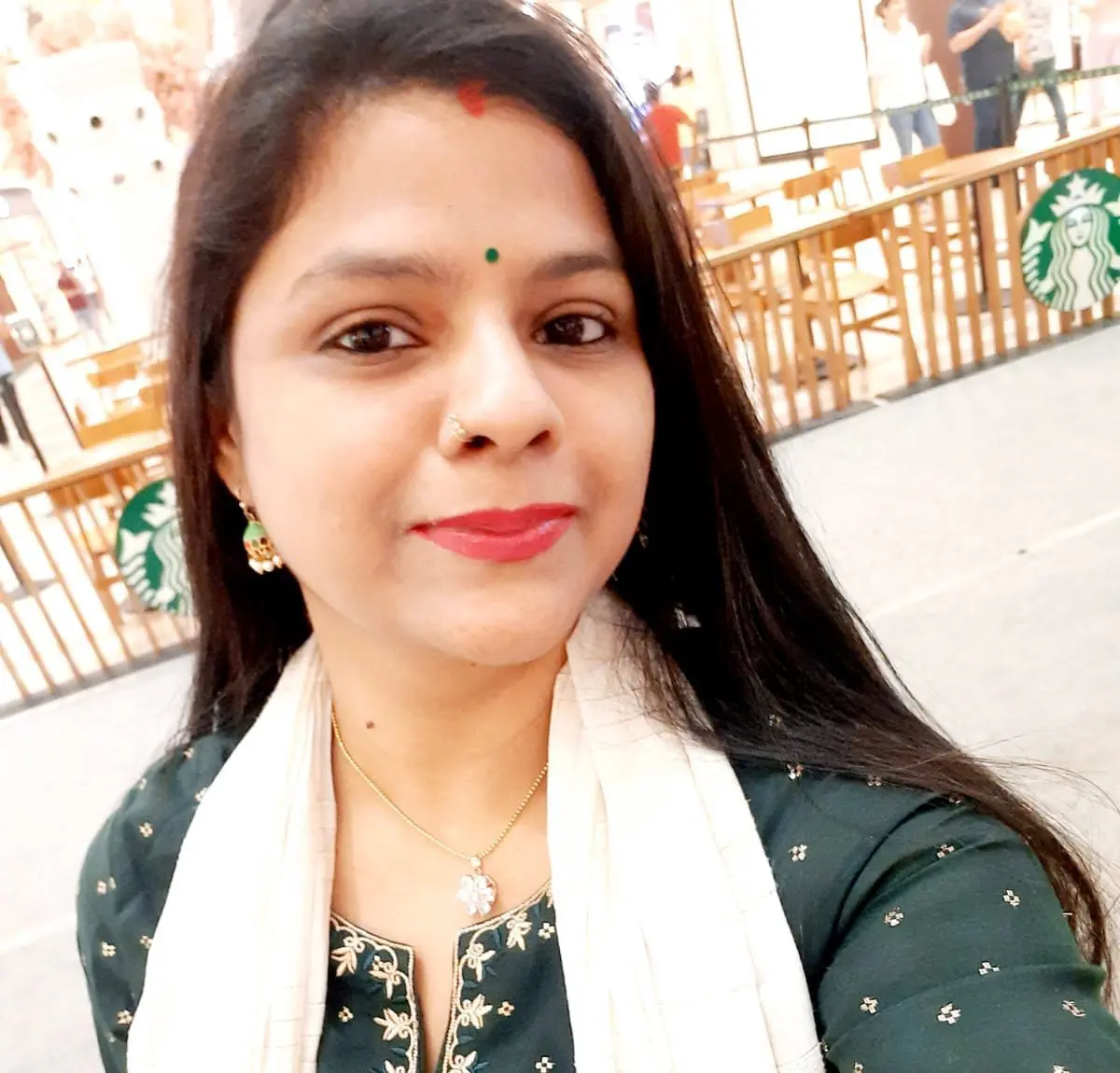
With over 11 years of experience in the publishing industry, Priya Srivastava has become a trusted guide for hundreds of authors navigating the challenging path from manuscript to marketplace. As Editor-in-Chief of Deified Publications, she combines the precision of a publishing professional with the empathy of a mentor who truly understands the fears, hopes, and dreams of both first-time and seasoned writers.