
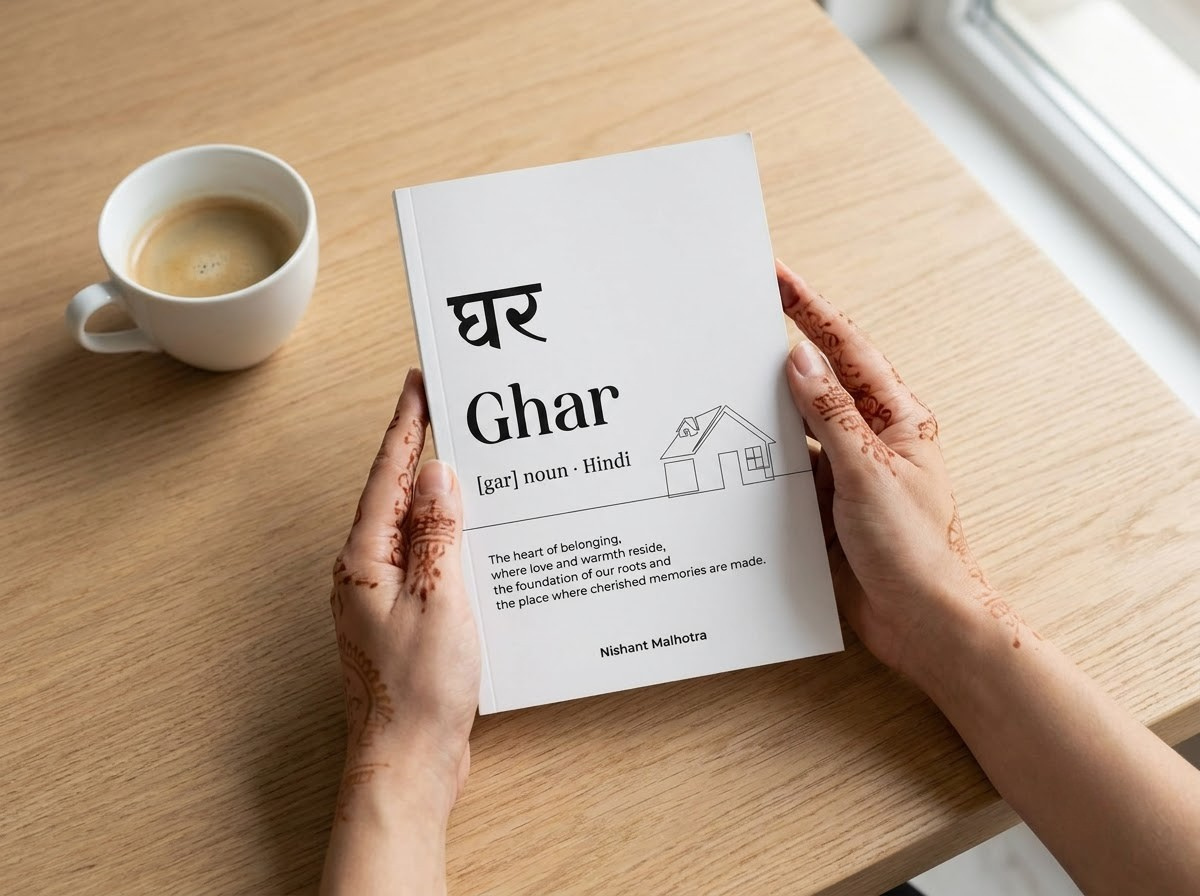
Rating: ⭐⭐⭐⭐ (4.4 out of 5)
Some books arrive on your desk when you least expect them to alter your evening rhythm. I picked up this collection on a rainy Tuesday afternoon, expecting a quick scan before moving on to my regular editorial queue. Instead, I found myself sitting at my desk until the streetlights outside came on, turning pages with a soft sense of recognition. As an Editor-in-Chief at Deified Publication, I read dozens of manuscripts every month, but few attempt to weave verse directly alongside prose the way this text does. It made me reflect on my own old family home in Lucknow and how places hold onto us long after we step away from their doorways. There is something intensely personal about how we carry our past inside our daily routines, and this book captures that specific feeling with remarkable care.
What Is This Collection About?
In this book summary, it helps to understand that the collection does not follow a single linear plot line. Instead, author Nishant Malhotra gathers an array of short fiction pieces and introductory poems that all center on the idea of belonging, memory, and personal recovery. If you are asking what is it about in practical terms, each chapter presents a brief slice of a person facing a turning point. We meet Major Arjun on a early morning train in November, looking back at his traumatic memories from the Taj Hotel during the 26/11 attacks while heading toward Mumbai. In another story, an English teacher named Radha in Anandpur gets falsely accused of leaking confidential school records, only to uncover that her colleague Mr. Das downloaded the files at three in the morning. Another narrative follows twenty-six year old Anaya, who leaves her high pressure marketing job in Mumbai after suffering severe burnout, returning to her hometown of Pune to manage her late grandfather Vishram Joshi’s old clock repair shop.
The collection continues to shift across different lives and Indian landscapes with a steady, observational rhythm. We see thirty-one year old Gitanjali building her handloom saree store named Neelvastra in Nagpur’s Sitabuldi market after breaking off an engagement with a high-net-worth partner. Later, a school story shows a tenth grader named Ruchita sitting beside her classmate Vikram under a banyan tree bench, discovering the private grief he carried after his father passed away from a sudden heart attack in March. In Bhopal, a husband named Amit sits on a low boundary wall at midnight after fighting with his wife Aarohi about their conflicting career demands and family expectations. Through these brief glimpses, Nishant Malhotra explores how home is rarely just a physical address. It is often a person, a choice to forgive, or a returned sense of self after a long period of confusion.
Craft, Character Work, and Narrative Style
What immediately stood out to me in terms of craft is how the author structures each narrative unit. Every prose piece begins with a dedicated poem that sets the emotional tone before the prose narrative unfolds. The prose itself is spare and direct, focusing heavily on concrete physical actions and small dialogue exchanges. For instance, in the story about the watch repair shop, the description of Anaya fixing an old Seiko travel clock brought to her by an elderly woman named Mrs. Manek feels grounded and real. The mention of tiny screwdrivers, gears, and the scent of camphor creates a vivid sense of place. I appreciated how the author avoids dramatic displays of emotion, choosing instead to let characters express their tension through everyday tasks, like stirring lukewarm coffee or adjusting a scarf against cold wind.
The character development across such short pieces is surprisingly effective, though it does operate within clear limits. Malhotra gives each character a distinct professional background and a specific internal burden. When Maya, a thirty-two year old designer, leaves New York to return to Murrow Bay with a duffel bag and a sketchbook full of chalk drawings, her fatigue feels tangible. The style reminded me somewhat of Ruskin Bond’s shorter prose collections, particularly in how nature, small towns, and regional details anchor the human drama. However, Malhotra adds a distinctly modern urban weight to his characters, addressing workplace politics, corporate burnout, and contemporary relationship strains alongside traditional nostalgic themes.
The Emotional Core and How It Lands
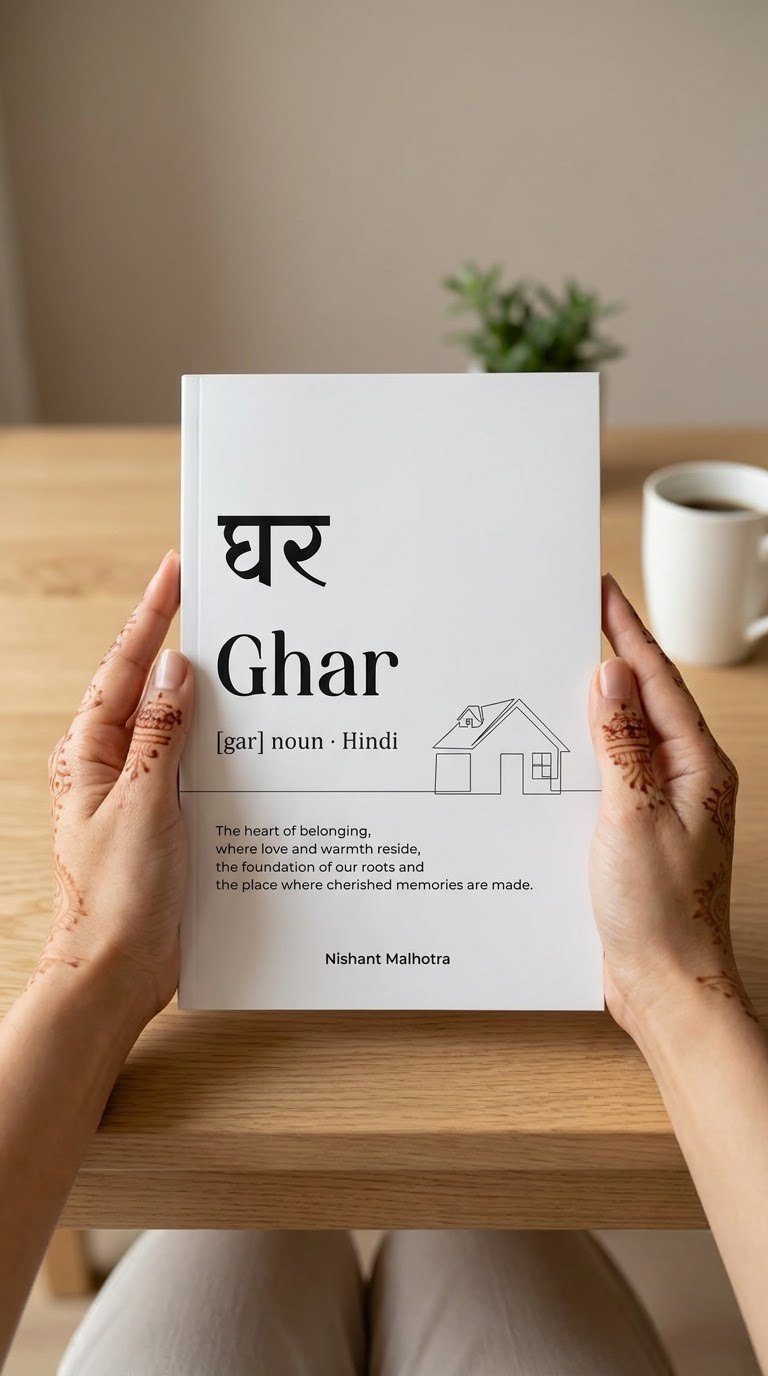
The primary strength of this collection lies in its gentle handling of painful experiences. It does not treat grief or betrayal as sudden catastrophes that destroy a life completely. Instead, it shows how people carry these burdens into their ordinary mornings and slowly find ways to rebuild. In this reader review, I must point out how deeply the story between Vikram and Ruchita affected me. Seeing a young student marked as arrogant by his peers, only for a classmate to realize that his silence was born of heavy grief, feels very true to real life. We often judge people around us without knowing what losses they are trying to manage in private.
Similarly, the conflict between Amit and Aarohi addresses a modern dilemma that many young couples face today. Amit feels torn between his wife’s late hours at her NGO and his own demanding corporate schedule, leading to resentment over missed anniversaries and forgotten birthdays. When their friend Neeraj points out that love requires fairness rather than keeping score, the conversation feels practical rather than overly romanticized. These moments land well because they do not offer neat, magic solutions. They simply show two people agreeing to sit down and talk through their misunderstandings, which is often how real healing begins.
Who Should Read This Book and Who Might Want to Skip It
If you are deciding should you read this collection, it will appeal most to readers who enjoy reflective, character focused prose and Indian regional settings. It is a wonderful pick if you like short stories that can be finished in a single sitting before bed, or if you appreciate poetry paired with prose. Readers who enjoy subtle domestic fiction and stories about returning to one’s roots will find plenty to appreciate here. I also think it would make a thoughtful gift for someone going through a transition in life, such as moving to a new city or leaving a long term job.
On the other hand, if you are looking for high stakes thrillers, fast-paced drama, or plot-heavy mysteries, this book is probably not for you. Is it worth it for an action lover? Honestly, no. The pacing is deliberate and unhurried, focusing far more on internal reflections than on external plot twists. Additionally, because the collection contains over twenty separate pieces, some short entries feel slightly brief or abrupt, ending just as you begin to connect with the characters. If you dislike vignette style storytelling and prefer long, immersive novel arcs, you might find the frequent shifts in perspective a bit frustrating.
A Minor Flaw and Final Reflections
To be entirely honest, my one criticism of the book involves the poetic interludes before each story. While many of the poems are lovely, a few of them repeat similar metaphors about rain, shadows, and dawning light. When reading several chapters back to back, these introductory verses can start to blend together, occasionally feeling a bit repetitive in their structure. The book actually works better when read gradually over several days rather than all at once, allowing each individual character situation room to breathe in your mind.
Despite that small issue, Nishant Malhotra has crafted a thoughtful, sincere body of work that respects the reader’s patience. The stories acknowledge that while we cannot always return to the past, we can build new spaces of safety and belonging wherever we land in 2026 and beyond. It is a book that honors small acts of courage, like standing up against a false accusation at work or repairing a grandfather’s dusty shop clock to keep his memory alive. I found myself thinking about Anaya’s shop and Major Arjun’s train ride long after closing the back cover, which is always the mark of storytelling written from an honest place.
FAQs
What is the main theme of Ghar by Nishant Malhotra?
The primary theme of the collection is the search for personal belonging, healing, and identity. Through a combination of poetry and short prose narratives, the book explores how individuals navigate workplace stress, family grief, false accusations, and broken relationships while trying to reconstruct a sense of home within themselves.
Is Ghar a novel or a short story collection?
It is a hybrid collection of short stories and poetry. Each prose chapter is preceded by a short poem that introduces the emotional landscape of the narrative, covering different characters across various locations in India, from Mumbai and Pune to Nagpur, Bhopal, and Shimla.
Is this book suitable for beginners?
Yes, the clear language and brief chapter formats make it very accessible for beginner readers. The stories are short enough to read in brief sitting sessions, and the themes are grounded in everyday human experiences that are easy to follow and connect with.

With over 11 years of experience in the publishing industry, Priya Srivastava has become a trusted guide for hundreds of authors navigating the challenging path from manuscript to marketplace. As Editor-in-Chief of Deified Publications, she combines the precision of a publishing professional with the empathy of a mentor who truly understands the fears, hopes, and dreams of both first-time and seasoned writers.