
Rating:
⭐⭐⭐⭐ (4.3 out of 5)
As someone who has spent years reading books about parenting, education, emotional intelligence, and child development, I have to admit something honestly. A lot of these books begin sounding different but eventually repeat the same ideas in slightly more polished language. Some rely too heavily on guilt. Some reduce parenting into motivational slogans. Some are so academically dense that real parents, already exhausted from life, would never realistically finish them.
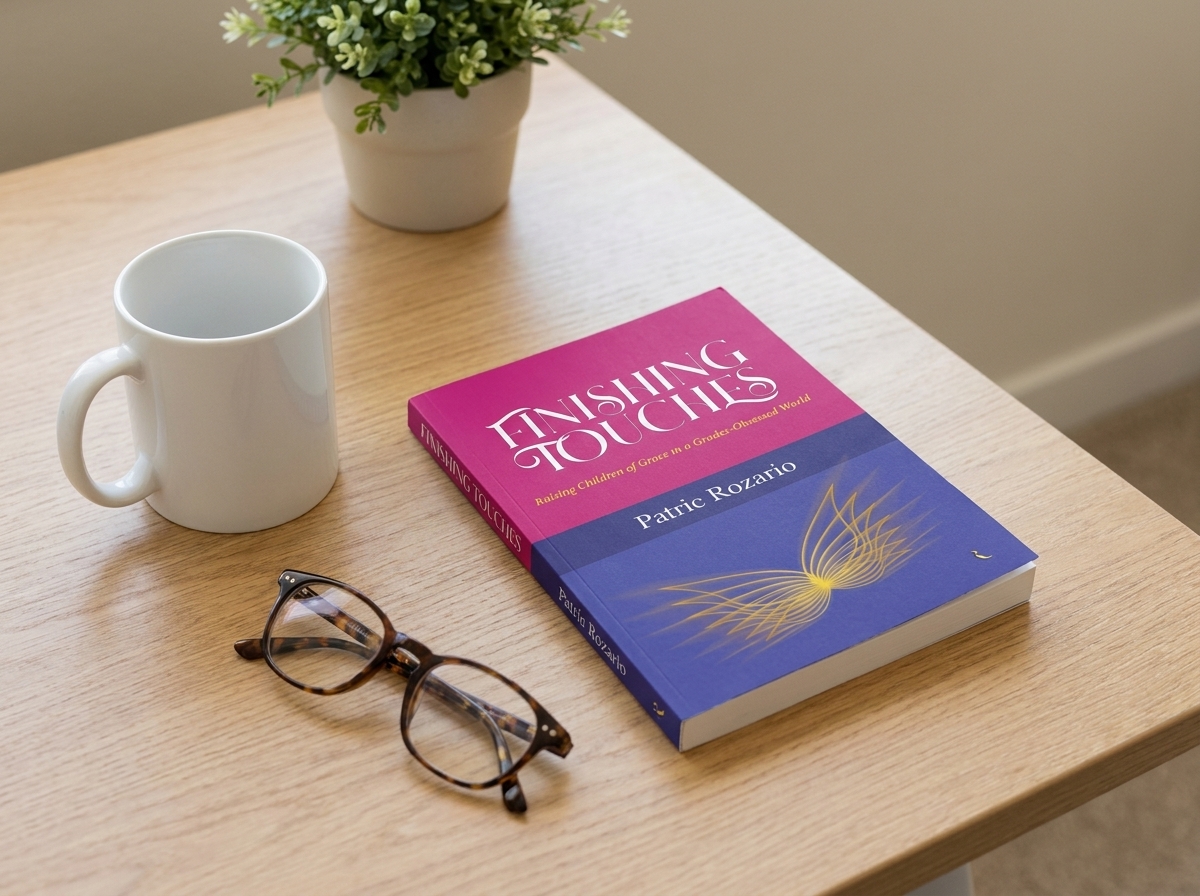
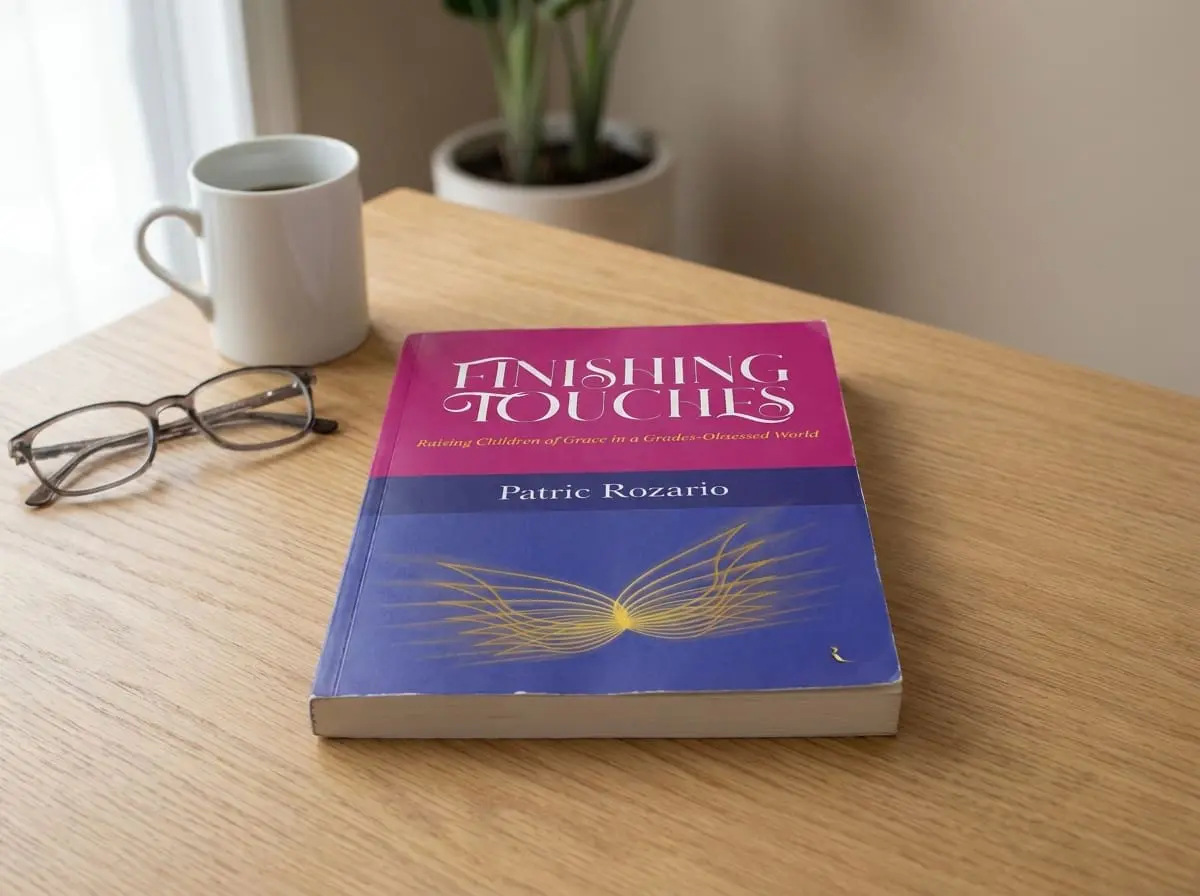
So when I started reading FINISHING TOUCHES: Raising Children of Grace in a Grades Obsessed World by Patric Rozario, I was expecting another well intentioned parenting guide with familiar advice about kindness, confidence, and manners.
But somewhere within the introduction itself, I realised this book was trying to do something larger. Not louder. Larger.
There is a section early in the book where Rozario contrasts two children. One is academically brilliant but socially disconnected. The other is not exceptional on paper, yet leaves adults deeply impressed because of his warmth, attentiveness, humility, and grace. That comparison immediately tells you what kind of book this is going to be. It is not anti education. In fact, the author repeatedly says academic excellence matters. What he questions is whether marks alone are enough to prepare children for real life.
And honestly, in 2026, that question feels incredibly relevant.
I think many parents secretly worry about this already. They may not always say it aloud, but they feel it. Their child scores well yet struggles to hold conversations. Their child spends hours online yet feels emotionally disconnected. Their child knows formulas but not how to apologise sincerely or handle rejection maturely.
This book speaks directly into that anxiety.
What the Book Is About
At its core, FINISHING TOUCHES is about raising children who are emotionally intelligent, socially graceful, respectful, confident, and deeply human.
Patric Rozario argues that modern education systems focus heavily on measurable achievement while neglecting qualities that determine how children actually function in the real world. Throughout the book, he returns repeatedly to one central idea: credentials may open doors, but character is what keeps those doors open.
The structure of the book is surprisingly well organised. Instead of offering random parenting advice chapter by chapter, Rozario builds the book almost like a developmental framework. The sections move from internal foundations toward outward social behaviour and finally toward purpose and leadership.
The early chapters focus on character, confidence, and emotional intelligence. These were probably the strongest sections for me personally because they avoid sounding preachy. The author spends time explaining how children absorb behaviour through observation rather than lectures. That part honestly made me reflect on how often adults expect children to display qualities they themselves struggle to model consistently.
Later chapters discuss manners, speech, dressing with intention, digital etiquette, dining grace, cultural sensitivity, leadership, gratitude, and service. On paper, that could sound overly formal or outdated. I actually worried about that initially when I saw the table of contents. But Rozario frames these topics less as elite social polish and more as practical expressions of respect for other people.
That distinction matters. A lot.
The book repeatedly clarifies that “CLASS” is not about wealth or social status. It is about how a human being makes others feel through their presence, behaviour, awareness, and conduct.
What Stood Out to Me
The thing that impressed me most about this book is that it balances warmth with structure.
Many parenting books lean entirely emotional or entirely instructional. This one sits somewhere in between. Rozario clearly cares deeply about children, but he also believes in standards, discipline, and intentional parenting. There is a strong moral framework running underneath the entire book.
For example, the chapter on confidence does something I appreciated enormously. It separates genuine confidence from arrogance. In modern parenting culture, those two things sometimes get confused. We celebrate loudness as self esteem. We mistake dominance for leadership. Rozario argues that true confidence allows space for others rather than consuming every room.
That observation felt very accurate to me.
I also found the emotional intelligence section genuinely thoughtful. Instead of reducing emotions into vague positivity language, the author discusses self awareness, empathy, self regulation, and emotional vocabulary in practical terms. There is a particularly strong emphasis on helping children identify and name their feelings properly rather than simply labelling everything as “fine,” “bad,” or “angry.”
Honestly, I wish more schools taught this.
One of the most memorable ideas in the book is the concept of “reading the room.” Rozario describes emotionally intelligent children as those who notice social atmosphere, understand timing, and recognise when others feel uncomfortable or unheard. I kept thinking while reading that this is exactly the kind of human skill algorithms and AI cannot replace easily. In a world increasingly dominated by screens and shortened attention spans, children who genuinely notice other people will probably stand apart even more.
The sections on manners also surprised me. Usually when books discuss etiquette, the writing becomes stiff and elitist. But here, manners are framed as visible acts of consideration. Saying thank you, listening attentively, greeting warmly, respecting service staff, writing thoughtful notes. The author repeatedly emphasises that manners are not about performance but about making other people feel valued.
That framing gives the book emotional sincerity instead of social snobbery.
I will say this honestly though: some readers may find the book slightly repetitive at times. Certain themes return frequently, especially around character, grace, and class. Personally, I understood why the repetition existed because the book is trying to reinforce values through consistency. Still, a few chapters could probably have been tighter.
But I never felt the book was insincere. And sincerity matters enormously in parenting books because readers can instantly sense when an author is simply building a brand rather than speaking from lived conviction.
The Emotional Core
Underneath all the discussions about etiquette, confidence, and social grace, this book is really about one emotional fear. The fear that children are becoming increasingly accomplished yet increasingly disconnected from humanity. I think that concern explains why the book resonates emotionally.
Rozario is not simply asking whether children can succeed professionally. He is asking whether they can build relationships, carry emotional resilience, handle disappointment gracefully, show empathy, navigate social complexity, and contribute positively to the people around them.
There is one line in the book that stayed in my mind for quite a while. The author says the world does not need more high scorers. It needs more remarkable people. That sentence summarises the emotional heart of the entire book.
As an editor at Deified Publication, I read many books that diagnose social problems but offer little practical hope. What makes FINISHING TOUCHES different is that it genuinely believes change begins in ordinary homes. Not through perfection. Not through elite schools. Through modelling behaviour consistently.
There is also something emotionally grounding about the way the author addresses parents themselves. He repeatedly reminds readers that children imitate what they see more than what they are told. The book does not weaponise guilt, but it does ask adults for honesty.
And honestly, some of those sections hit differently because they apply to adults just as much as children.
Who This Book Is For
I think this book will connect most strongly with parents, teachers, mentors, school leaders, and caregivers who feel uneasy about the direction modern childhood is taking.
If someone believes grades alone define success, they may find parts of this book overly idealistic. But for readers already sensing that emotional maturity and social intelligence matter deeply in life, FINISHING TOUCHES will probably feel affirming.
This is especially valuable for parents raising children in highly competitive educational environments. India, Singapore, Qatar, urban academic culture everywhere really. The pressure surrounding marks, rankings, admissions, and achievement has become enormous. Rozario acknowledges that pressure honestly without dismissing academic ambition altogether.
I also think educators will appreciate this book because it speaks directly to classroom realities. The author clearly has extensive experience working with children across schools and workshops. That practical exposure gives the writing credibility.
That said, readers looking for heavily research driven parenting psychology may find this more values oriented than scientific. The book includes psychological concepts and emotional intelligence frameworks, but its primary strength is philosophical and practical rather than academic.
Personally, I think that makes it more readable for everyday parents.
Final Thoughts
By the end of FINISHING TOUCHES, what impressed me most was not any single parenting technique or etiquette lesson. It was the consistency of the vision.
Patric Rozario genuinely believes children should grow into people who make others feel respected, safe, valued, and seen. Every chapter, whether discussing posture, empathy, dining etiquette, confidence, or leadership, circles back to that larger human purpose. And honestly, I found that refreshing.
In a culture increasingly obsessed with achievement metrics, personal branding, and performance, this book argues for something older and more human. Character. Grace. Emotional maturity. Consideration. Presence. Not perfection. Just intentional humanity.
No, every section will not resonate equally with every reader. Some may find the emphasis on manners slightly traditional. Others may wish for more modern case studies or shorter chapters. But I genuinely believe many families will find value here, especially parents who already sense that something essential is missing from contemporary education.
In my years reviewing books, I have noticed that the most useful parenting books are rarely the trendiest ones. They are the ones readers return to during ordinary moments of doubt, exhaustion, and reflection.
I think FINISHING TOUCHES has the potential to become that kind of book for many people.
FAQ
Is FINISHING TOUCHES worth reading?
Yes, especially for parents and educators who believe emotional intelligence and character matter as much as academic success.
Who should read FINISHING TOUCHES by Patric Rozario?
Parents, teachers, school leaders, mentors, and caregivers navigating modern academic pressure and digital culture will likely connect strongly with this book.
Is FINISHING TOUCHES only about manners and etiquette?
No. The book discusses emotional intelligence, confidence, empathy, leadership, character development, gratitude, social awareness, and parenting values alongside etiquette.
What is the main message of FINISHING TOUCHES?
The central message is that marks alone are not enough. Children also need character, grace, empathy, confidence, and emotional maturity to thrive in life.

With over 11 years of experience in the publishing industry, Priya Srivastava has become a trusted guide for hundreds of authors navigating the challenging path from manuscript to marketplace. As Editor-in-Chief of Deified Publications, she combines the precision of a publishing professional with the empathy of a mentor who truly understands the fears, hopes, and dreams of both first-time and seasoned writers.